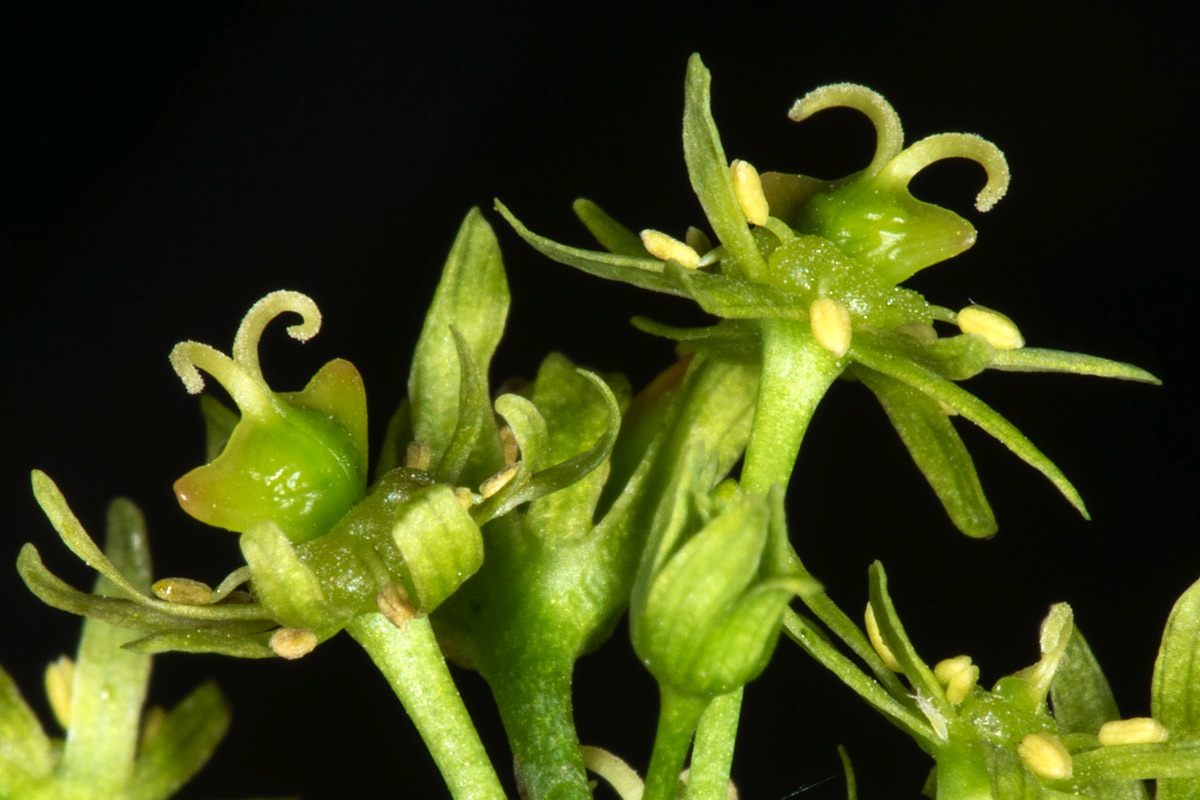
True fruits are mature, ripe ovaries that usually contain seeds. Maple samaras are true fruits that mature from the superior ovaries shown here at the pollination stage.
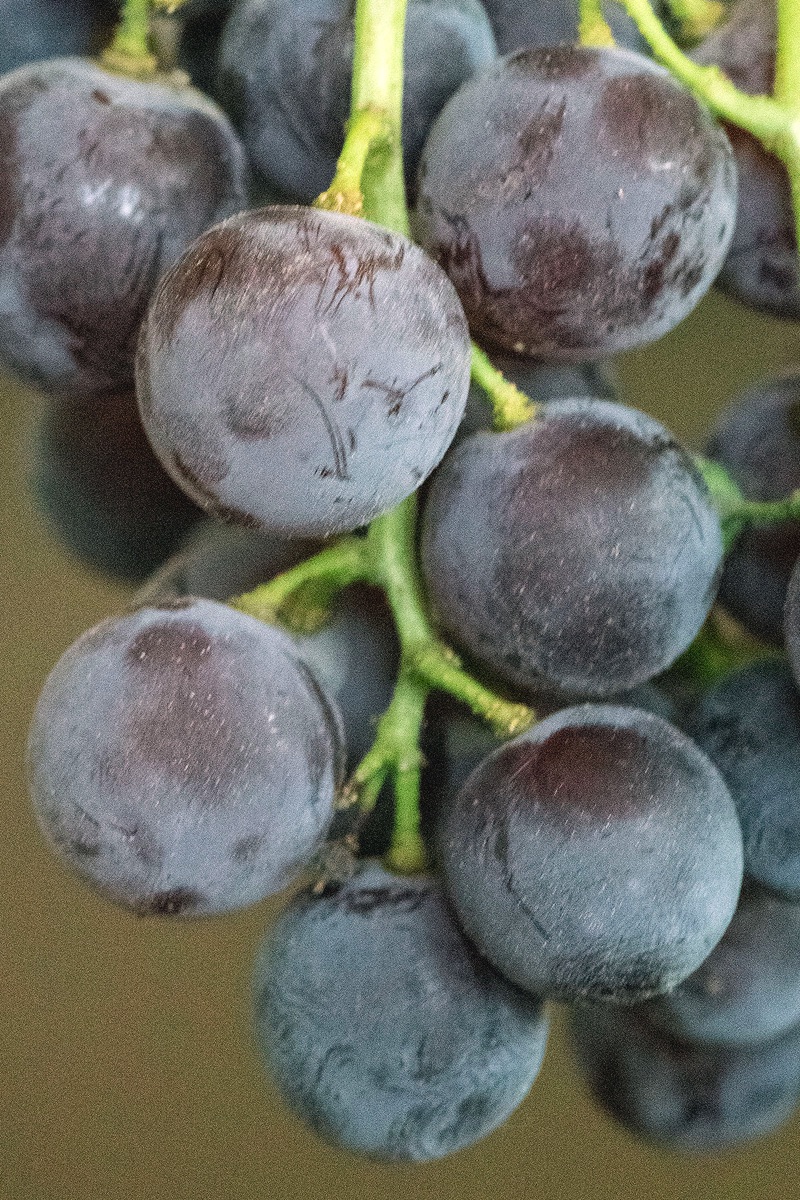
Each grape matures from the single ovary of an individual flower. They are true fruits (berries).
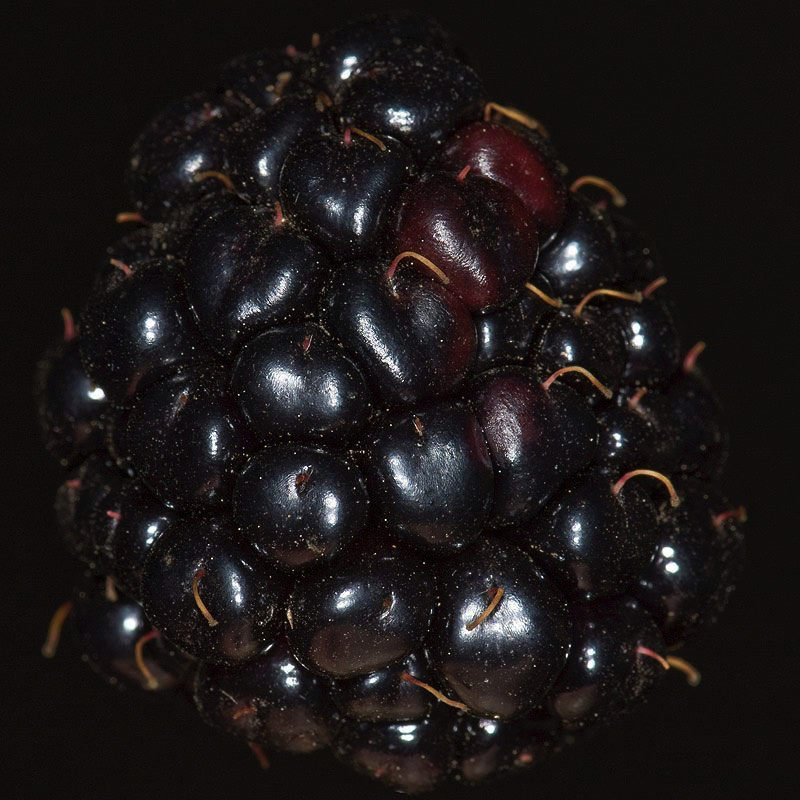
Each segment of this black raspberry is a mature ovary--raspberries are true fruits.
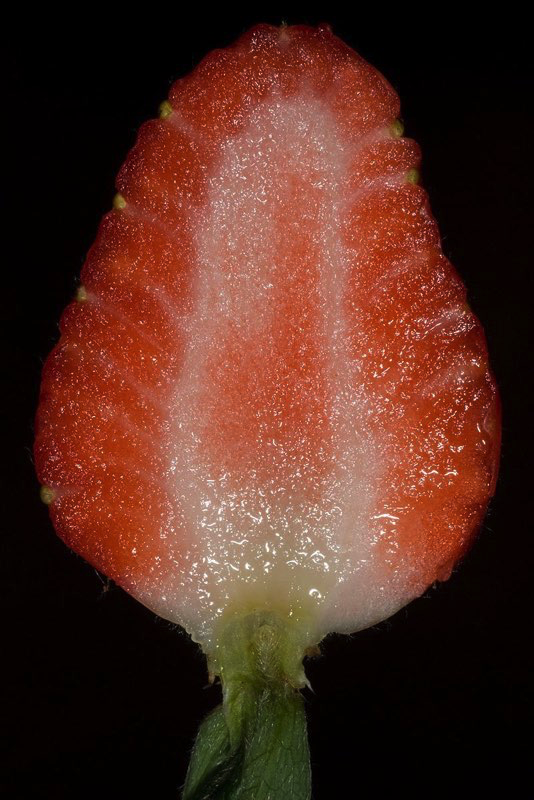
Accessory fruit - tissue we call fruit that does not develop from ovary tissue; we enjoy strawberries because of the expanded receptacle, not the golden ovaries!
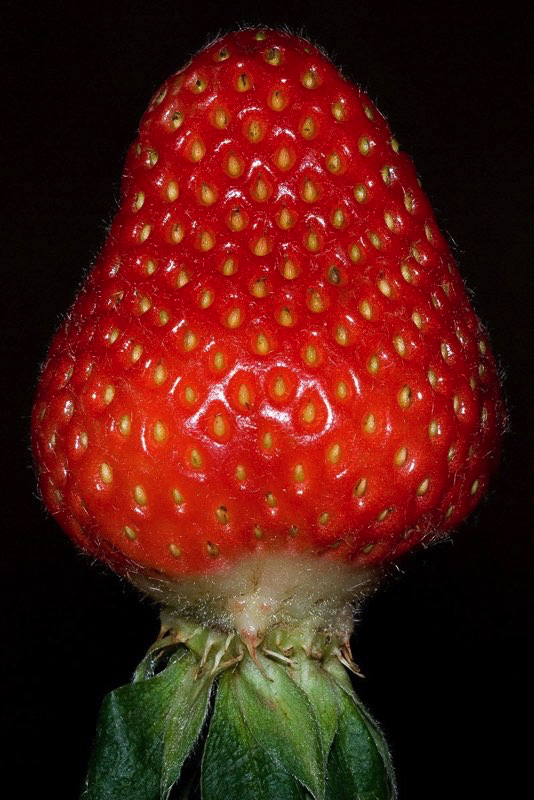
Although we may enjoy eating the accessory fruit tissue of strawberries, we also eat the many true fruits scattered across the surface.
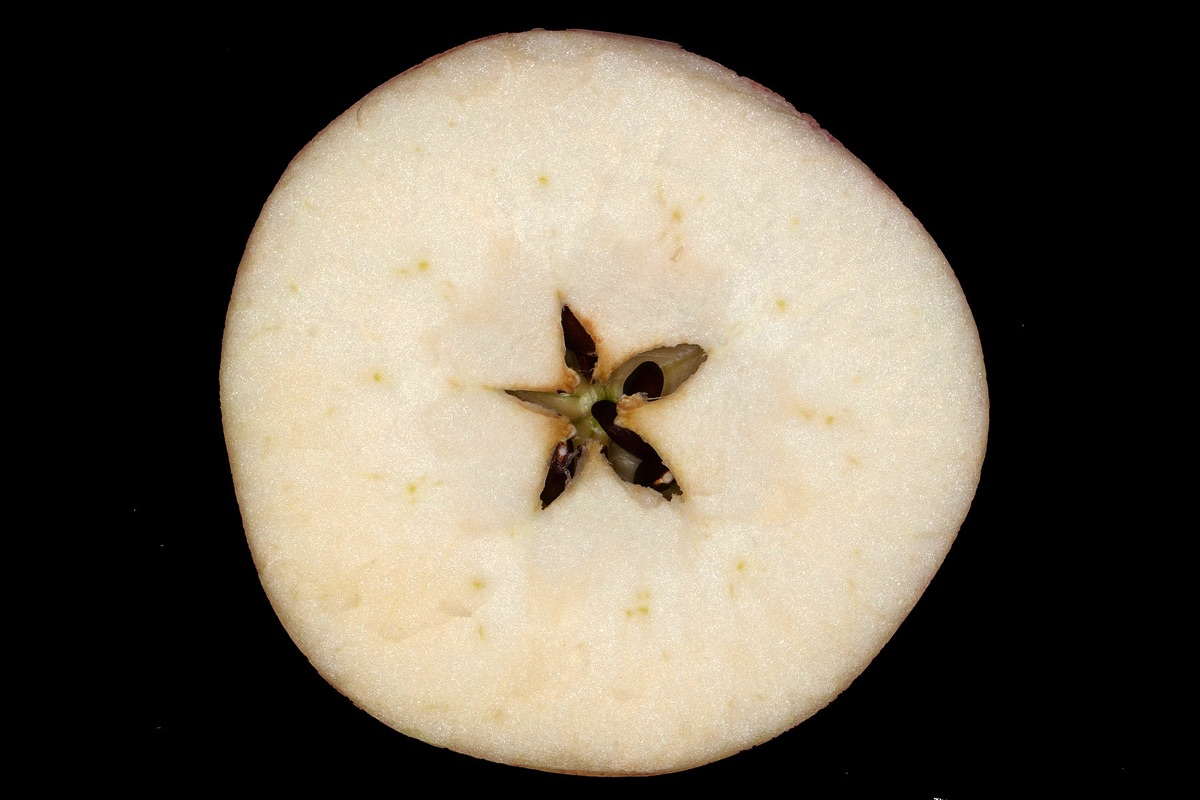
Apples are from inferior ovaries; most of the tissue we eat of an apple is derived from the stem in which the ovary is imbedded--accessory tissue.
Bio430
Ovaries&Fruits
![Simple fruits are derived from single ovaries from a single flower. [Solanum; Solanaceae]](images/fruits/7B104C134A234C3FA69DCEE02CE5591D/N17_8468_tomato_mod23.jpg "Simple fruits are derived from single ovaries from a single flower. [Solanum; Solanaceae]")
Simple fruits are derived from single ovaries from a single flower. [Solanum; Solanaceae]
![The single ovary from this flower will mature into a plum (drupe), which is a good example of a simple fruit (1 flower, 1 ovary) [Rosaceae]](images/fruits/7B104C134A234C3FA69DCEE02CE5591D/Superior ovary that will mature into a drupe Rosaceae.png "The single ovary from this flower will mature into a plum (drupe), which is a good example of a simple fruit (1 flower, 1 ovary) [Rosaceae]")
The single ovary from this flower will mature into a plum (drupe), which is a good example of a simple fruit (1 flower, 1 ovary) [Rosaceae]
![Aggregate fruits are formed from more than one ovary from a single flower. Each raspberry here is an aggregate of druplets [Rosaceae]](images/fruits/7B104C134A234C3FA69DCEE02CE5591D/Aggregate fruit - formed from many free carpels in a single flower raspberries are aggregates of druplets Rosaceae.png "Aggregate fruits are formed from more than one ovary from a single flower. Each raspberry here is an aggregate of druplets [Rosaceae]")
Aggregate fruits are formed from more than one ovary from a single flower. Each raspberry here is an aggregate of druplets [Rosaceae]
![Aggregate fruits are multiple individual pistils, wth ovary, style, and stigma, from a single flower (1 flower, >1 ovary) [Rosaceae]](images/fruits/7B104C134A234C3FA69DCEE02CE5591D/N17_6578_raspberry druplets_mod21.jpg "Aggregate fruits are multiple individual pistils, wth ovary, style, and stigma, from a single flower (1 flower, >1 ovary) [Rosaceae]")
Aggregate fruits are multiple individual pistils, wth ovary, style, and stigma, from a single flower (1 flower, >1 ovary) [Rosaceae]
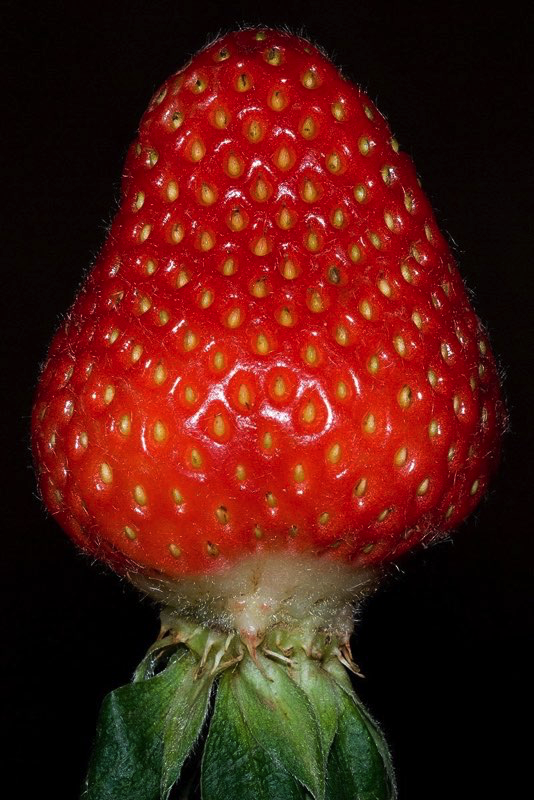
Aggregate fruit - a strawberry fits the definition of an aggregate fruit as well as an accessory fruit.
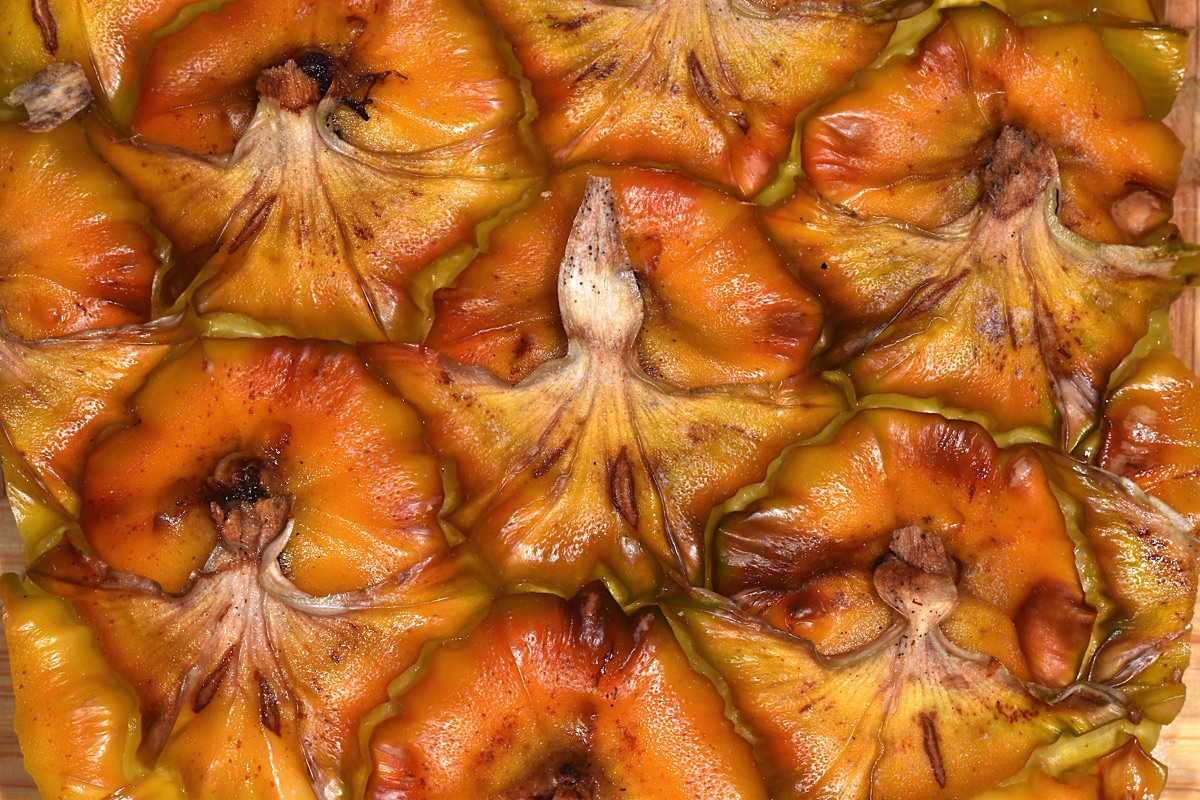
Multiple Fruit are formed from the ovaries of multiple flowers. Each pineapple flower is subtended by a bract, which covers the scar from where the perianth was attached.
![Multiple fruit of berries (mullberry). eating a mulberry is like eating a miniature cluster of tightly grouped grapes (>1 flower, >1 ovary) [Morus alba; Moraceae]](images/fruits/7B104C134A234C3FA69DCEE02CE5591D/Multiple fruit of berries mullberry Morus alba Moraceae.png "Multiple fruit of berries (mullberry). eating a mulberry is like eating a miniature cluster of tightly grouped grapes (>1 flower, >1 ovary) [Morus alba; Moraceae]")
Multiple fruit of berries (mullberry). eating a mulberry is like eating a miniature cluster of tightly grouped grapes (>1 flower, >1 ovary) [Morus alba; Moraceae]
![Multiple fruit of capsules [Liquidambar styracifolia; Hamamellidaceae]](images/fruits/7B104C134A234C3FA69DCEE02CE5591D/Multiple fruit of capsules Liquidambar styracifolia Hamamellidaceae.png "Multiple fruit of capsules [Liquidambar styracifolia; Hamamellidaceae]")
Multiple fruit of capsules [Liquidambar styracifolia; Hamamellidaceae]
Multiple fruit composed of achenes, each with a tuft of hairs at the base [Platanus sp.; Platanaceae]
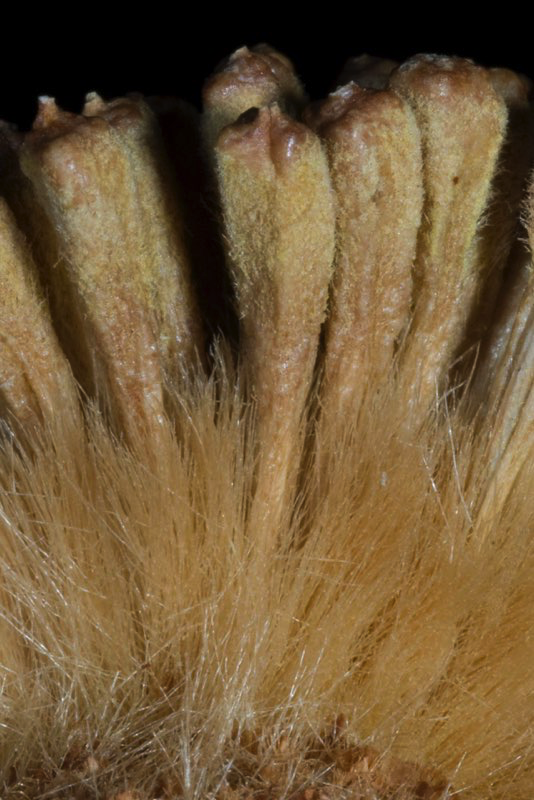
Multiple fruit - close up of achenes from Platanus; each achene is from a seperate flower with a superior ovary of 3-7 carpels.
![Multiple Fruit ‘osage orange’ [Maclura; Moraceae] this orange sized fruit is from an inflorescence, not a single flower](images/fruits/7B104C134A234C3FA69DCEE02CE5591D/Multiple Fruit osage orange Maclura Moraceae this orange sized fruit is from an inflorescence not a single flower.png "Multiple Fruit ‘osage orange’ [Maclura; Moraceae] this orange sized fruit is from an inflorescence, not a single flower")
Multiple Fruit ‘osage orange’ [Maclura; Moraceae] this orange sized fruit is from an inflorescence, not a single flower
![Multiple fruit- close up of the mature ovaries from individual flowers of the Maclura inflorescence [Moraceae]](images/fruits/7B104C134A234C3FA69DCEE02CE5591D/Multiple fruit- close up of the mature ovaries from individual flowers of the Maclura inflorescence Moraceae.png "Multiple fruit- close up of the mature ovaries from individual flowers of the Maclura inflorescence [Moraceae]")
Multiple fruit- close up of the mature ovaries from individual flowers of the Maclura inflorescence [Moraceae]
Fruit types and terminology can initially seem overwhelming, but learning the terms and understanding their meaning can be simplified by focusing on basics, and then understanding that many of the specialized fruit types are modifications of more basic fruit types. As with other botanical terminology, proper use aids precision, which is useful for identification and descriptive purposes.
![Inferior ovary that will mature into a pome [Rosaceae]](images/fruits/684A3E2CE7B2468EA90CBDF0574142BC/Inferior ovary that will mature into a pome Rosaceae.png "Inferior ovary that will mature into a pome [Rosaceae]")
Inferior ovary that will mature into a pome [Rosaceae]
![Superior ovary that will mature into a drupe [Rosaceae]](images/fruits/684A3E2CE7B2468EA90CBDF0574142BC/Superior ovary that will mature into a drupe Rosaceae-p-16.png "Superior ovary that will mature into a drupe [Rosaceae]")
Superior ovary that will mature into a drupe [Rosaceae]
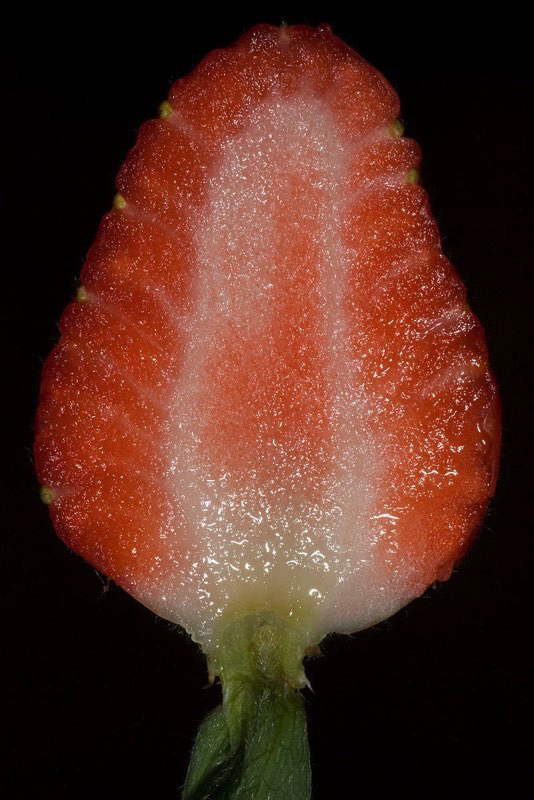
Accessory fruit - any fruit that includes tissue other than the ovary; we enjoy strawberries because of the expanded receptacle, not the golden ovaries!
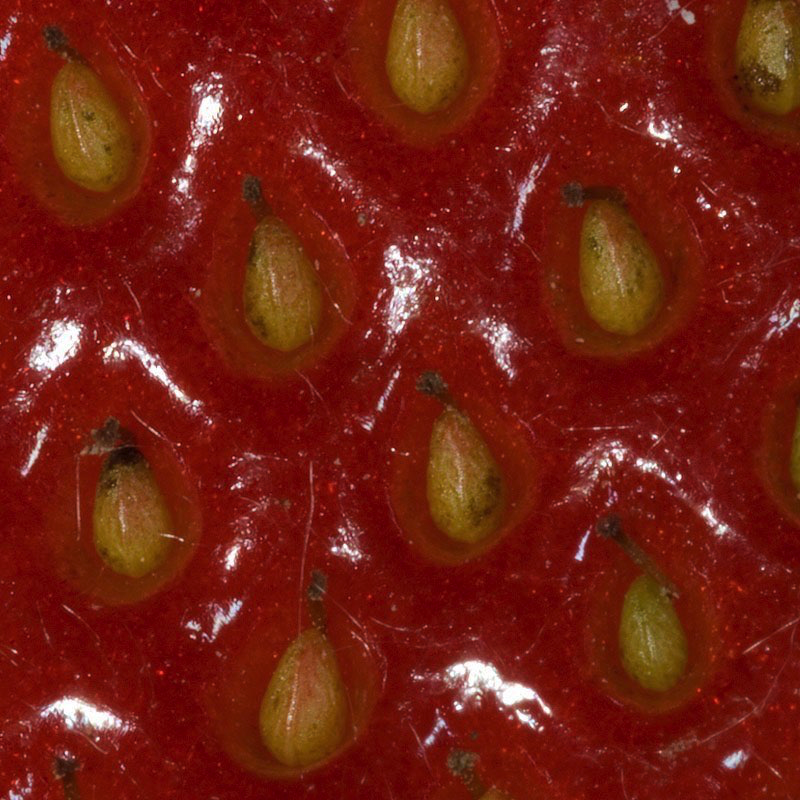
Achene - a single seeded, indehiscent fruit from one pistil; the tiny pistils on a strawberry mature into little achenes.
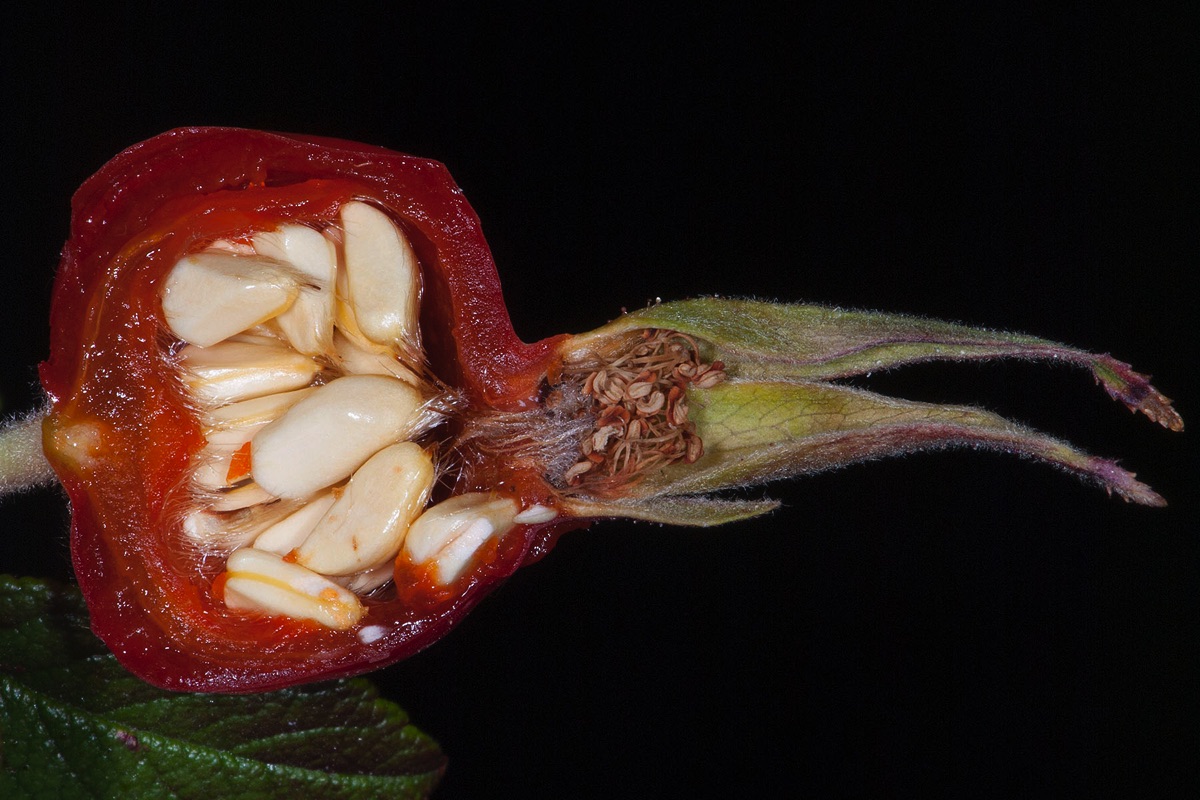
rose hips are accessory fruits surrounding the true fruits, which are individually achenes - dry, indehiscent, with a single seed in each.
Sunflower 'seeds' are achenes (called cypselas) from the 2 carpellate inferior ovary of the sunflower family; the single seed is attached at just one point [Helianthus sp.; Asteraceae]
![Berry - a fleshy fruit, often with many seeds, but no stoney endocarp - blueberry [Ericaceae]](images/fruits/684A3E2CE7B2468EA90CBDF0574142BC/Berry - a fleshy fruit often with many seeds but no stoney endocarp - blueberry Ericaceae.png "Berry - a fleshy fruit, often with many seeds, but no stoney endocarp - blueberry [Ericaceae]")
Berry - a fleshy fruit, often with many seeds, but no stoney endocarp - blueberry [Ericaceae]
Berry, 1 seeded; superior ovary. This isn’t a drupe because there is no stoney endocarp - Berberis julianae [Berberidaceae]
![Berry, many seeded - Kiwi [Actinidiaceae]](images/fruits/684A3E2CE7B2468EA90CBDF0574142BC/Berry many seeded - Kiwi Actinidiaceae.png "Berry, many seeded - Kiwi [Actinidiaceae]")
Berry, many seeded - Kiwi [Actinidiaceae]
![Bicarpellate - ovary formed of two fused carpels; in this case, the carpels will each mature into a schizocarpic samara (winged achene) - Acer nigrum [Sapindaceae]](images/fruits/684A3E2CE7B2468EA90CBDF0574142BC/Bicarpellate - ovary formed of two fused carpels in this case the carpels will each mature into a schizocarpic samara winged achene - Acer nigrum Sapindaceae.png "Bicarpellate - ovary formed of two fused carpels; in this case, the carpels will each mature into a schizocarpic samara (winged achene) - Acer nigrum [Sapindaceae]")
Bicarpellate - ovary formed of two fused carpels; in this case, the carpels will each mature into a schizocarpic samara (winged achene) - Acer nigrum [Sapindaceae]
![Bur - a fruit or seed with barbs that aid is dispersal; the burs shown here are cockleburs - barbed cypsellas from the genus Xanthium [Asteraceae]](images/fruits/684A3E2CE7B2468EA90CBDF0574142BC/Bur - a fruit or seed with barbs that aid is dispersal the burs shown here are cockleburs - barbed cypsellas from the genus Xanthium Asteraceae.png "Bur - a fruit or seed with barbs that aid is dispersal; the burs shown here are cockleburs - barbed cypsellas from the genus Xanthium [Asteraceae]")
Bur - a fruit or seed with barbs that aid is dispersal; the burs shown here are cockleburs - barbed cypsellas from the genus Xanthium [Asteraceae]
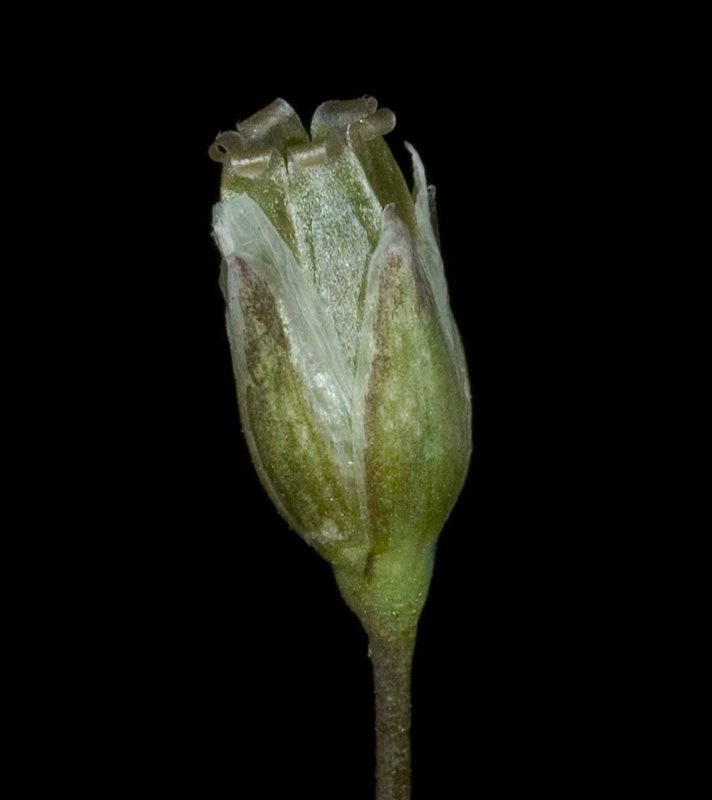
Capsule dehiscing from apical teeth, side view, superior ovary -Holosteum umbellatum
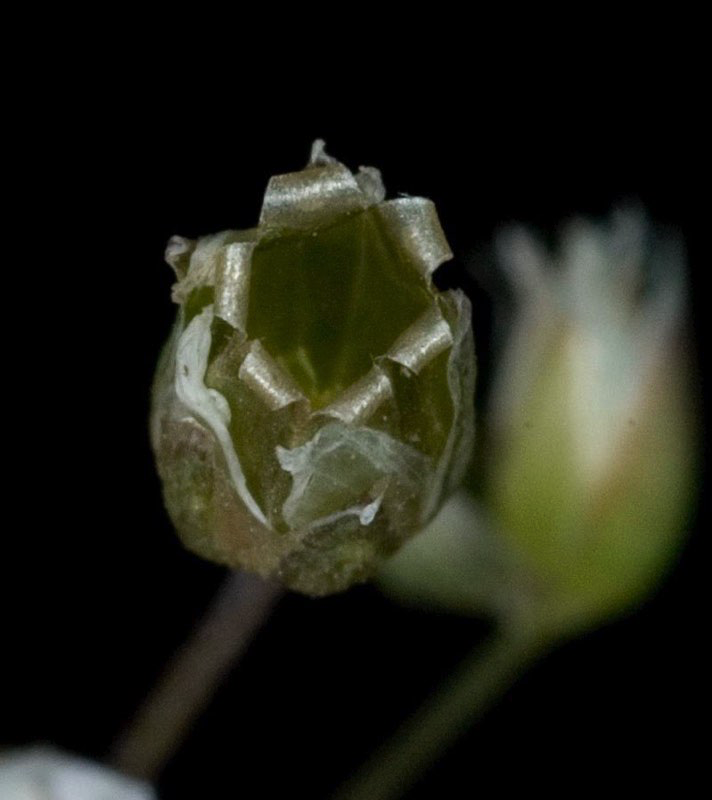
Capsule dehiscing from apical teeth, top view -Holosteum umbellatum
Capsule (3” in diameter) [Xanthoceris sp. - Sapindaceae]
![Capsule [Penstemon palmeri; Scrophularisceae]](images/fruits/684A3E2CE7B2468EA90CBDF0574142BC/Capsule Penstemon palmeri Scrophularisceae.png "Capsule [Penstemon palmeri; Scrophularisceae]")
Capsule [Penstemon palmeri; Scrophularisceae]
![Capsule with one locule (3 valved, one removed to show shiny seeds inside) [Koelreuteria paniculata; Sapindaceae]](images/fruits/684A3E2CE7B2468EA90CBDF0574142BC/Capsule with one locule 3 valved one removed to show shiny seeds inside Koelreuteria paniculata Sapindaceae.png "Capsule with one locule (3 valved, one removed to show shiny seeds inside) [Koelreuteria paniculata; Sapindaceae]")
Capsule with one locule (3 valved, one removed to show shiny seeds inside) [Koelreuteria paniculata; Sapindaceae]
Capsule (loculicidal) with 5 valves, 5 septae, and 5 locules [Althea sp. (rose of sharron); Malvaceae]
Carpel - the basic unit comprising the gynoecium. This gynoecium is composed of 5 free carpels (5 separate pisils) [Spirea; Rosaceae]
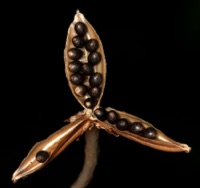
Carpel - the basic unit comprising the gynoecium. The gynoecium shown here is composed of one pistil from three fused carpels - Tulipa sp.[Liliaceae]
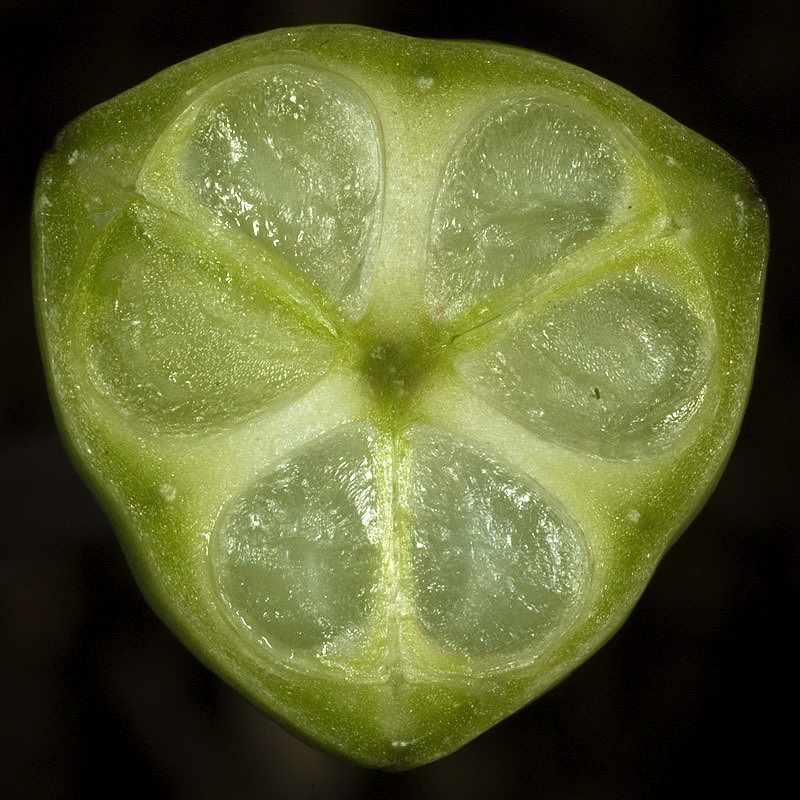
The Tulip ovary has three Septae (partition walls, thick) forming three locules (chambers) with 2 columns of seeds in each locule.
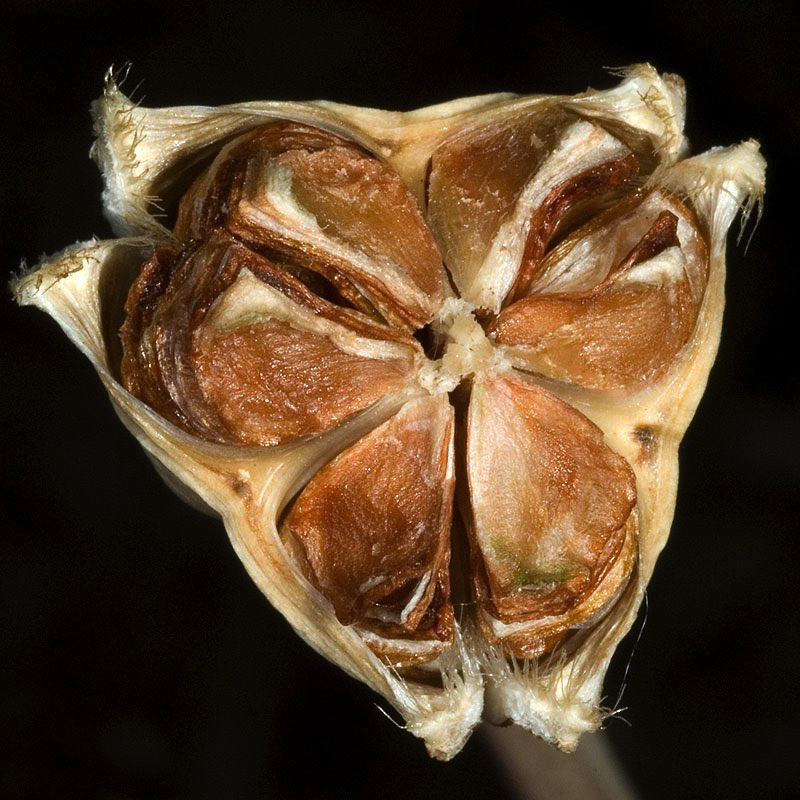
The Tulip ovary matures into a Loculicidal Capsule (splitting in the middle of the locule).
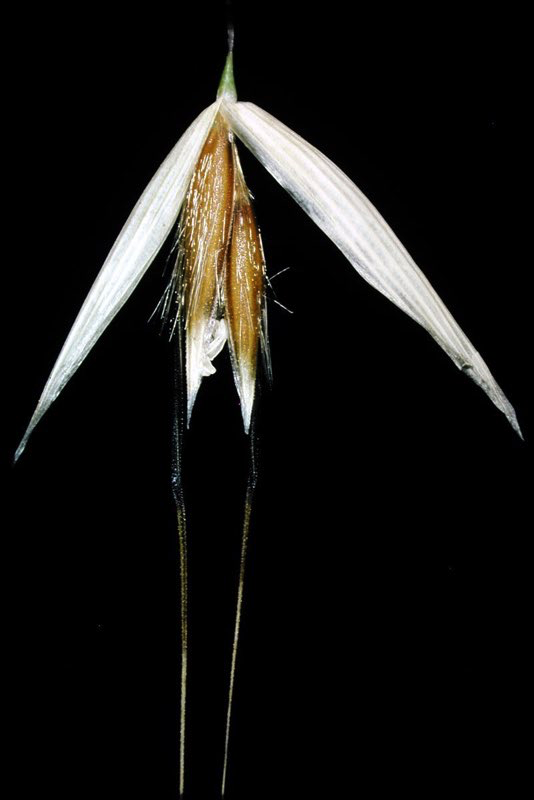
Caryopsis - the fruit of a grass with the fruit wall and seed coat tightly fused
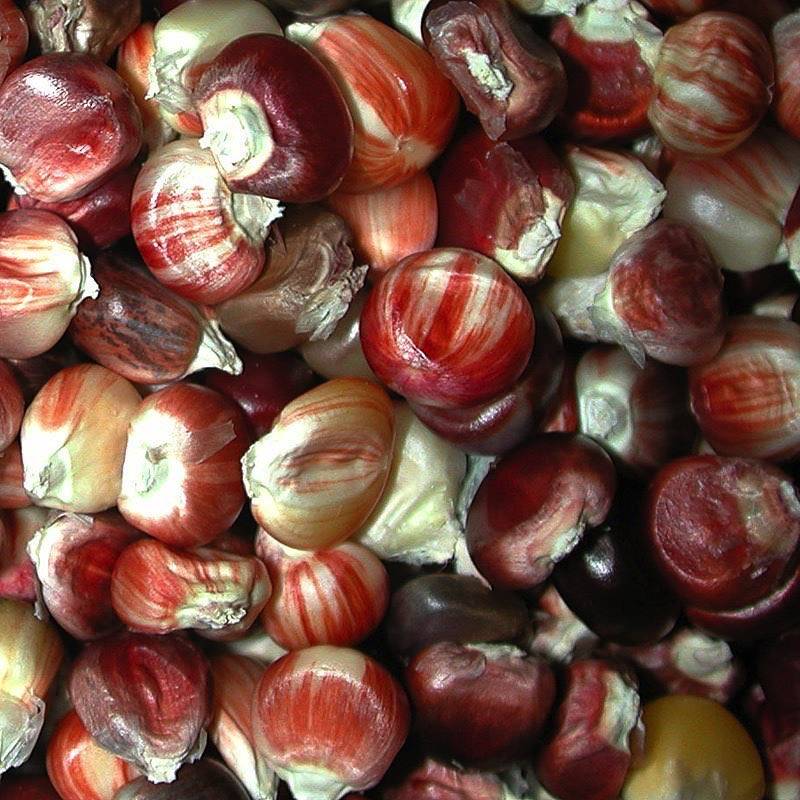
Caryopsis - the fruit of a grass with the fruit wall and seed coat tightly fused (Corn)
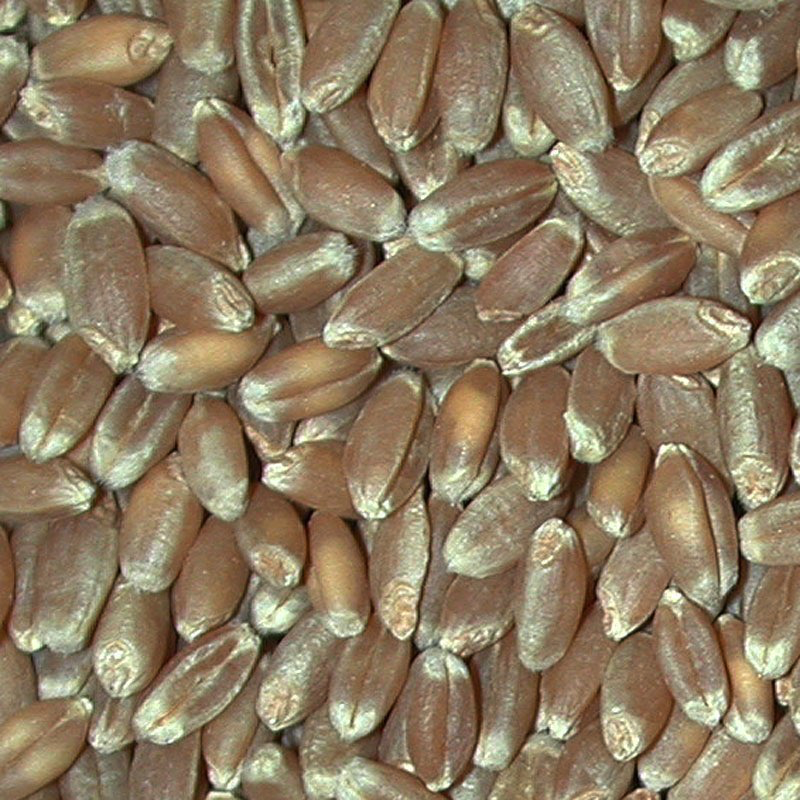
Caryopsis - the fruit of a grass with the fruit wall and seed coat tightly fused (Wheat)
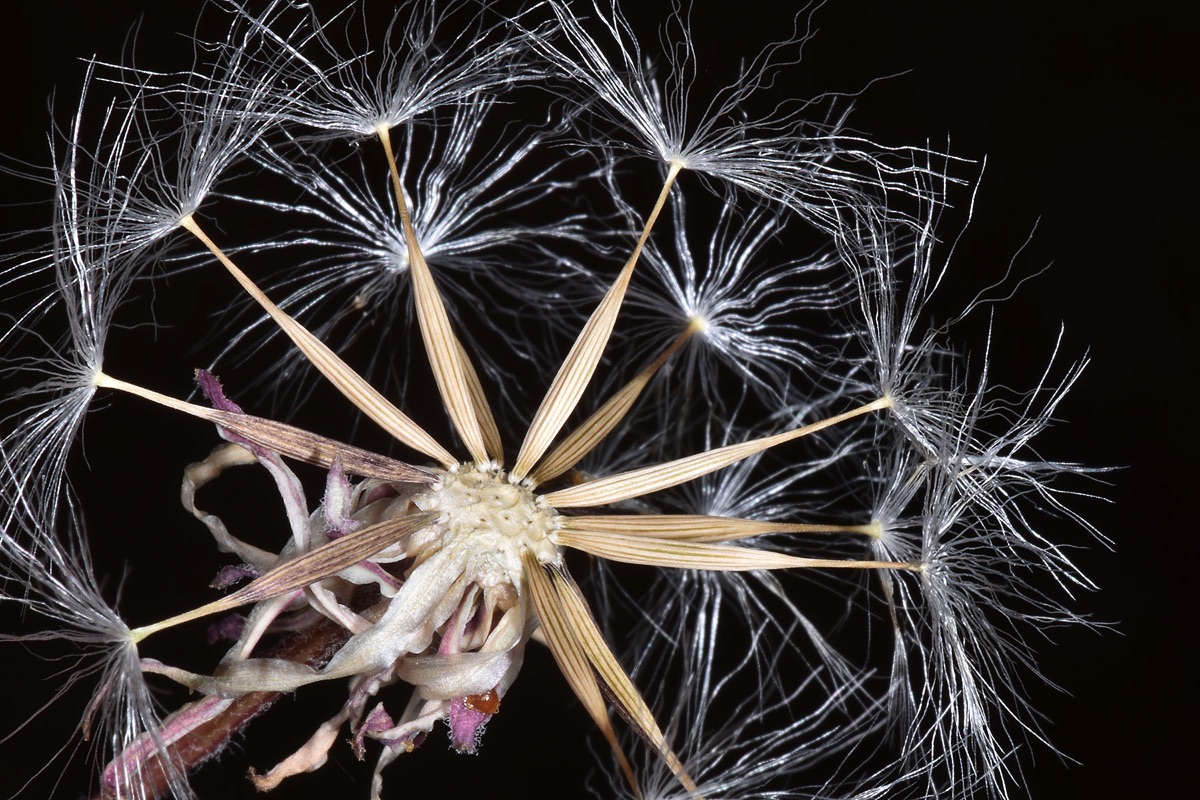
Cypsela - this is the term for the specialized achenes found in the sunflower family [Asteraceae
Drupe - define the three layers of the pericarp; you should also be able to tell whether this came from a superior or inferior ovary - Prunus sp. [Rosaceae]
![Peaches are drupes with a fuzzy exocarp, juicy mesocarp, and hard, stoney endocarp [Rosaceae].](images/fruits/684A3E2CE7B2468EA90CBDF0574142BC/N17_8445_peachDrupe_mod23.jpg "Peaches are drupes with a fuzzy exocarp, juicy mesocarp, and hard, stoney endocarp [Rosaceae].")
Peaches are drupes with a fuzzy exocarp, juicy mesocarp, and hard, stoney endocarp [Rosaceae].
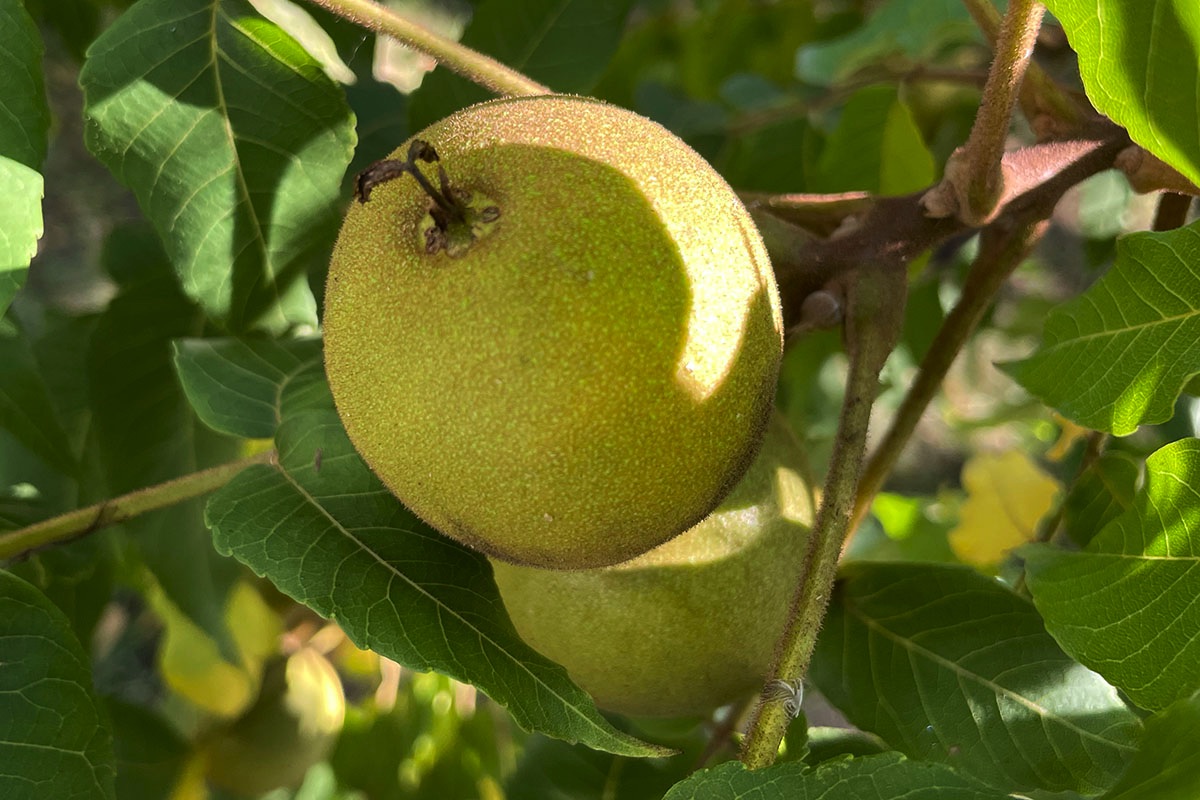
Pseudodrupe - Walnuts have a fleshy covering derived from bracts covering a hard shelled pericarp. The fruit is the pericarp (nut). The fleshy cover is not pericarp.
![Druplets--the individual pistils if a blackberry or raspberry are tiny drupes, each with a stoney endocarp surrounding the seed [Rosaceae]](images/fruits/684A3E2CE7B2468EA90CBDF0574142BC/Aggregate fruit--the individual pistils wth ovary style and stigma are apparent Rosaceae-p-5.png "Druplets--the individual pistils if a blackberry or raspberry are tiny drupes, each with a stoney endocarp surrounding the seed [Rosaceae]")
Druplets--the individual pistils if a blackberry or raspberry are tiny drupes, each with a stoney endocarp surrounding the seed [Rosaceae]
![Follicle - dry, dehiscent fruit from a single carpel that splits along a single edge and containing 1 or more seeds [Asclepias speciosa; Apocynaceae]](images/fruits/684A3E2CE7B2468EA90CBDF0574142BC/Follicle - dry dehiscent fruit from a single carpel that splits along a single edge and containing 1 or more seeds Asclepias speciosa Apocynaceae.png "Follicle - dry, dehiscent fruit from a single carpel that splits along a single edge and containing 1 or more seeds [Asclepias speciosa; Apocynaceae]")
Follicle - dry, dehiscent fruit from a single carpel that splits along a single edge and containing 1 or more seeds [Asclepias speciosa; Apocynaceae]
![Follicle - these fruits from a columbine are each from a separate pistil that opens along a single side (ventral or adaxial side) [Ranunculaceae]](images/fruits/684A3E2CE7B2468EA90CBDF0574142BC/N17_4819_mod21.jpg "Follicle - these fruits from a columbine are each from a separate pistil that opens along a single side (ventral or adaxial side) [Ranunculaceae]")
Follicle - these fruits from a columbine are each from a separate pistil that opens along a single side (ventral or adaxial side) [Ranunculaceae]
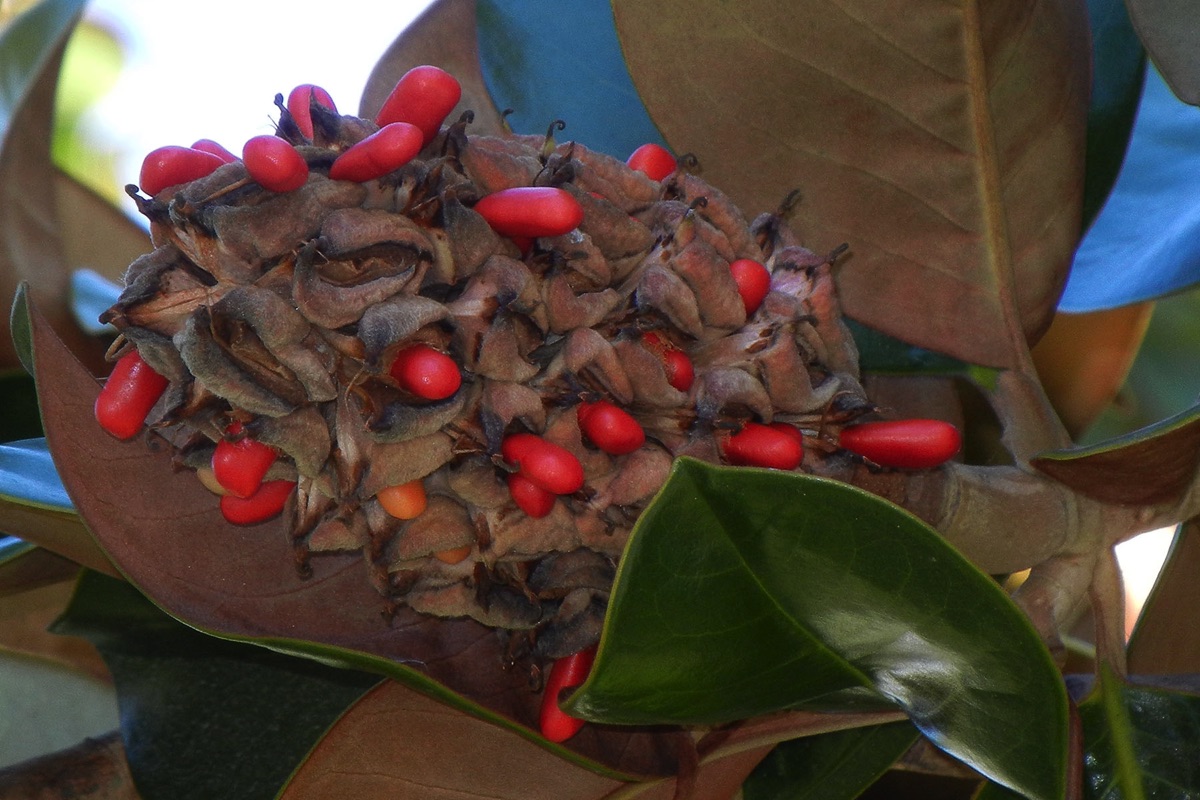
Magnolia fruits are aggregates of follicles.
![Gynobasic style [Cynoglossum officinale; Boraginaceae]](images/fruits/684A3E2CE7B2468EA90CBDF0574142BC/Gynobasic style Cynoglossum officinale Boraginaceae.png "Gynobasic style [Cynoglossum officinale; Boraginaceae]")
Gynobasic style [Cynoglossum officinale; Boraginaceae]
![Hypanthium - “floral cup” from fusion of sepals, petals, and stamens [Rosaceae]](images/fruits/684A3E2CE7B2468EA90CBDF0574142BC/Hypanthium - floral cup from fusion of sepals petals and stamens Rosaceae.png "Hypanthium - “floral cup” from fusion of sepals, petals, and stamens [Rosaceae]")
Hypanthium - “floral cup” from fusion of sepals, petals, and stamens [Rosaceae]
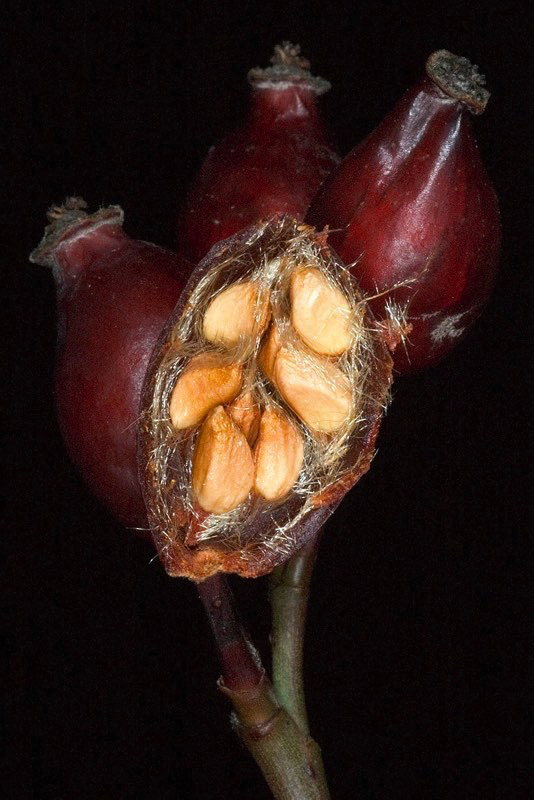
Hip - a deep hypanthium surrounding many superior ovaries (achenes) in the Rose family
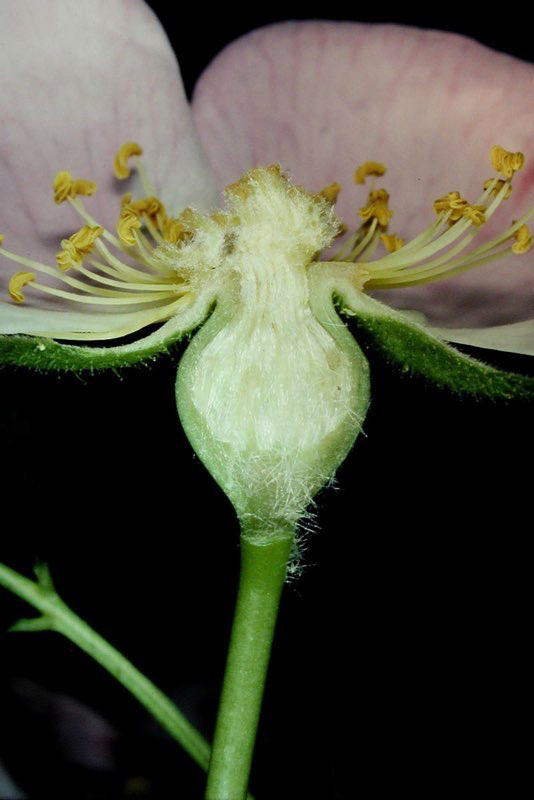
Hip - the deep hypanthium may fool you into thinking the ovaries are inferior - but they are not!
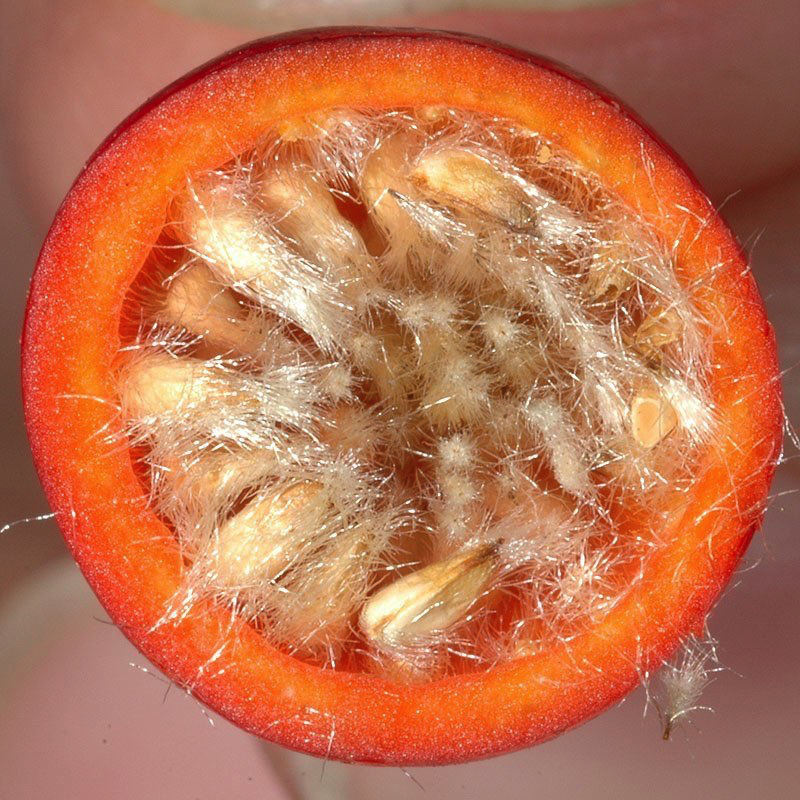
Hip - a cross section
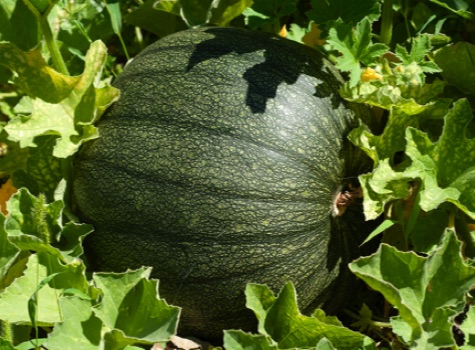
![Inferior ovary - the ovary is located below the receptacle or point of attachment of the rest of the floral whorls [pumpkin; Cucurbitaceae]](images/fruits/684A3E2CE7B2468EA90CBDF0574142BC/_07A1703_pumpkin_mod23.jpg "Inferior ovary - the ovary is located below the receptacle or point of attachment of the rest of the floral whorls [pumpkin; Cucurbitaceae]")
Inferior ovary - the ovary is located below the receptacle or point of attachment of the rest of the floral whorls [pumpkin; Cucurbitaceae]
![Inferior ovary - the stem end is hidden, while the sepals and style are visible in this view of a blueberry [Ericaceae]](images/fruits/684A3E2CE7B2468EA90CBDF0574142BC/Inferior ovary - the stem end is hidden while the sepals and style are visible in this view of a blueberry Ericaceae.png "Inferior ovary - the stem end is hidden, while the sepals and style are visible in this view of a blueberry [Ericaceae]")
Inferior ovary - the stem end is hidden, while the sepals and style are visible in this view of a blueberry [Ericaceae]
![Legume - a dry, dehiscent fruit from a single carpel that splits along both sides at maturity [Fabaceae]](images/fruits/684A3E2CE7B2468EA90CBDF0574142BC/Legume - a dry dehiscent fruit from a single carpel that splits along both sides at maturity Fabaceae.png "Legume - a dry, dehiscent fruit from a single carpel that splits along both sides at maturity [Fabaceae]")
Legume - a dry, dehiscent fruit from a single carpel that splits along both sides at maturity [Fabaceae]

Legumes - immature; Legumes are formed from single, superior carpels. The corolla has fallen off, but the fused filaments of the stamens still surround the ovary.
![Loment - a legume modified to separate into single-seeded indehiscent segments [Sophora japonica; Fabaceae]](images/fruits/684A3E2CE7B2468EA90CBDF0574142BC/Loment - a legume modified to separate into single-seeded indehiscent segments Sophora japonica Fabaceae.png "Loment - a legume modified to separate into single-seeded indehiscent segments [Sophora japonica; Fabaceae]")
Loment - a legume modified to separate into single-seeded indehiscent segments [Sophora japonica; Fabaceae]
![Nut - this developing beech nut is surrounded by a cupule of fused bracts - Fagus [Fagaceae]](images/fruits/684A3E2CE7B2468EA90CBDF0574142BC/Nut - this developing beech nut is surrounded by a cupule of fused bracts - Fagus Fagaceae.png "Nut - this developing beech nut is surrounded by a cupule of fused bracts - Fagus [Fagaceae]")
Nut - this developing beech nut is surrounded by a cupule of fused bracts - Fagus [Fagaceae]
![Nut - a single seeded hard indehiscent fruit [hazelnut; Betulaceae]](images/fruits/684A3E2CE7B2468EA90CBDF0574142BC/Nut - a single seeded hard indehiscent ovary like an achene but ovary wall much thicker harder Hazel nuts from genus Corylus Betulaceae.png "Nut - a single seeded hard indehiscent fruit [hazelnut; Betulaceae]")
Nut - a single seeded hard indehiscent fruit [hazelnut; Betulaceae]
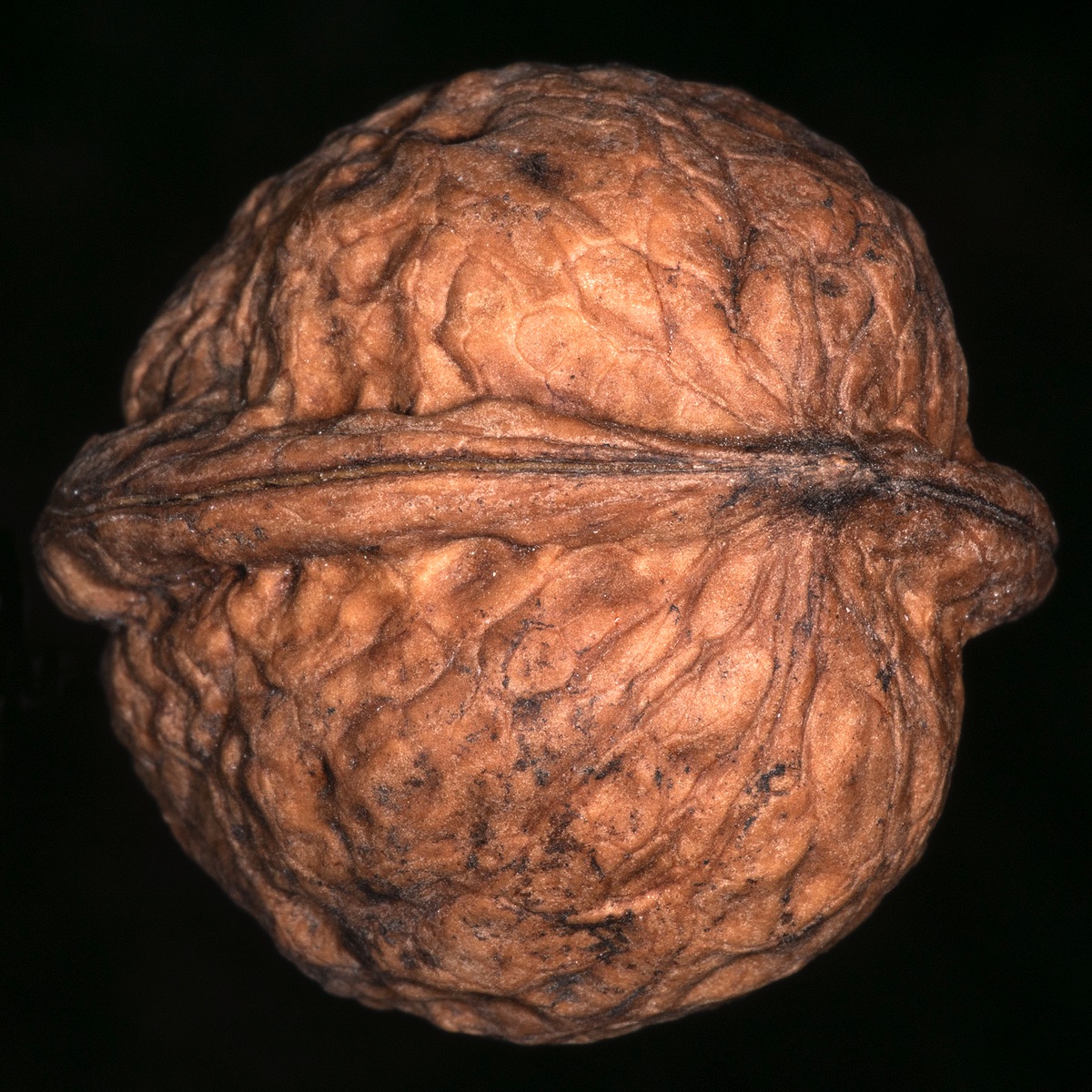
In walnuts, the entire pericarp forms the hard, bony fruit wall, making this a true nut.
![Acorns are nuts formed from three fused carpels partially surrounded by tightly fused involucral bracts that form the cap [Quercus; Fagaceae]](images/fruits/684A3E2CE7B2468EA90CBDF0574142BC/N17_6802_mod21.jpg "Acorns are nuts formed from three fused carpels partially surrounded by tightly fused involucral bracts that form the cap [Quercus; Fagaceae]")
Acorns are nuts formed from three fused carpels partially surrounded by tightly fused involucral bracts that form the cap [Quercus; Fagaceae]
![Nutlets (in fours in this family) [Cynoglossum officionale; Boraginaceae]](images/fruits/684A3E2CE7B2468EA90CBDF0574142BC/Nutlets in fours in this family Cynoglossum officionale Boraginaceae.png "Nutlets (in fours in this family) [Cynoglossum officionale; Boraginaceae]")
Nutlets (in fours in this family) [Cynoglossum officionale; Boraginaceae]
![Pixis - a circumcisal capsule; one that dehisces around the circumference so that the top falls of like a lid - [Portulaca oleracea; Portulaceae]](images/fruits/684A3E2CE7B2468EA90CBDF0574142BC/Pixis - a circumcisal capsule one that dehisces around the circumference so that the top falls of like a lid - Portulaca oleracea Portulaceae.png "Pixis - a circumcisal capsule; one that dehisces around the circumference so that the top falls of like a lid - [Portulaca oleracea; Portulaceae]")
Pixis - a circumcisal capsule; one that dehisces around the circumference so that the top falls of like a lid - [Portulaca oleracea; Portulaceae]
![Placentation, Parietal - seeds attached to the outer ovary wall - [Viola sp; Violaceae] [08A2635]](images/fruits/684A3E2CE7B2468EA90CBDF0574142BC/Placentation Parietal - seeds attached to the outer ovary wall - Viola sp Violaceae 08A2635.png "Placentation, Parietal - seeds attached to the outer ovary wall - [Viola sp; Violaceae] [08A2635]")
Placentation, Parietal - seeds attached to the outer ovary wall - [Viola sp; Violaceae] [08A2635]
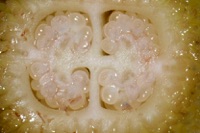
![Placentation, Axile - seeds are attached centrally with septa dividing the fruit into multiple locules. [Solanum; tomato; Solanaceae]](images/fruits/684A3E2CE7B2468EA90CBDF0574142BC/N17_6559_mod21.jpg "Placentation, Axile - seeds are attached centrally with septa dividing the fruit into multiple locules. [Solanum; tomato; Solanaceae]")
Placentation, Axile - seeds are attached centrally with septa dividing the fruit into multiple locules. [Solanum; tomato; Solanaceae]
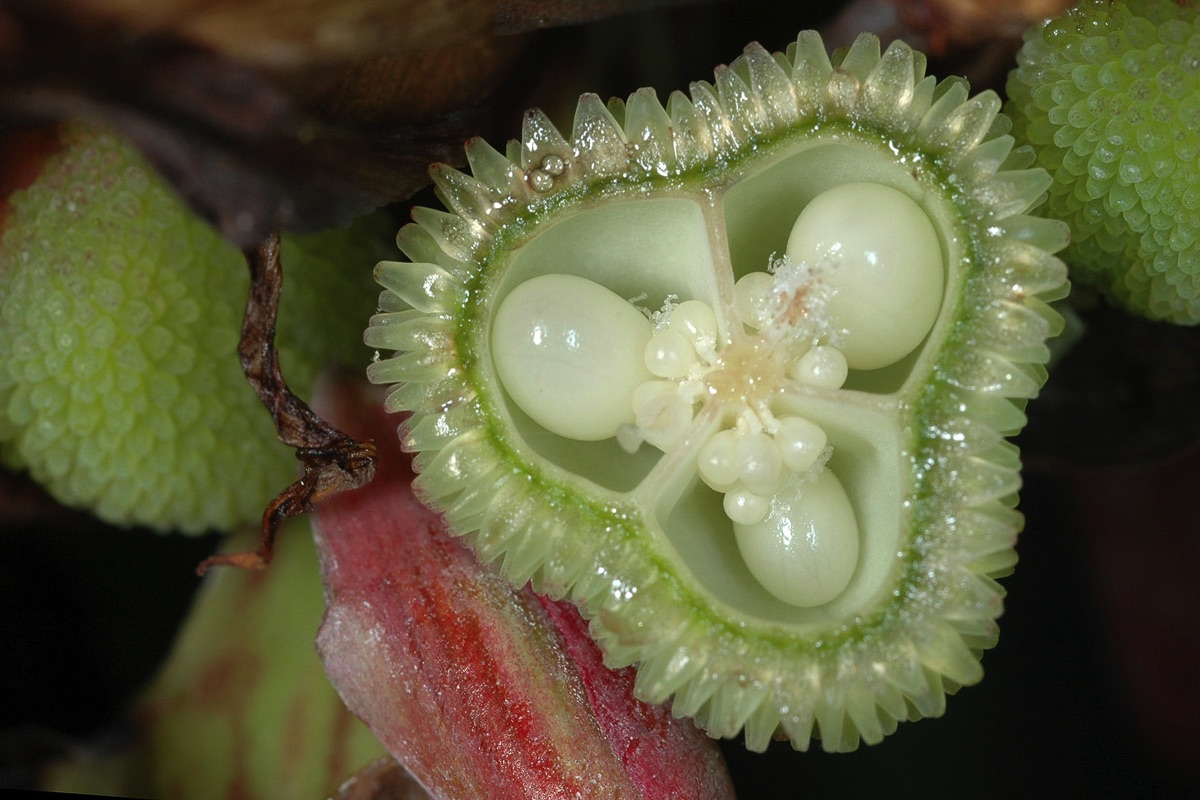
laj2006_DSC_0216_mod23
![Placentation, Free Central - the fruit has no septae, just a central column that the seeds are attached to - [Portulaca oleracea; Portulacaceae]](images/fruits/684A3E2CE7B2468EA90CBDF0574142BC/Placentation Free Central - the fruit has no septae just a central column that the seeds are attached to - Portulaca oleracea Portulacaceae.png "Placentation, Free Central - the fruit has no septae, just a central column that the seeds are attached to - [Portulaca oleracea; Portulacaceae]")
Placentation, Free Central - the fruit has no septae, just a central column that the seeds are attached to - [Portulaca oleracea; Portulacaceae]
![Pomes - the fleshy fruits from an inferior ovary in the Rose family [Rosaceae]](images/fruits/684A3E2CE7B2468EA90CBDF0574142BC/N17_8441_pomes_mod23.jpg "Pomes - the fleshy fruits from an inferior ovary in the Rose family [Rosaceae]")
Pomes - the fleshy fruits from an inferior ovary in the Rose family [Rosaceae]
Pome - this photo of a pear clearly shows that a pome is derived from an inferior ovary [Pyrus sp.; Rosaceae]
![Pome - this crabapple clearly shows the separation between ovary tissue and accessory tissue (recepticale/stem) in the developing fruit - Malus [Rosaceae]](images/fruits/684A3E2CE7B2468EA90CBDF0574142BC/Pome - this crabapple clearly shows the separation between ovary tissue and accessory tissue recepticalestem in the developing fruit - Malus Rosaceae.png "Pome - this crabapple clearly shows the separation between ovary tissue and accessory tissue (recepticale/stem) in the developing fruit - Malus [Rosaceae]")
Pome - this crabapple clearly shows the separation between ovary tissue and accessory tissue (recepticale/stem) in the developing fruit - Malus [Rosaceae]
Samara - a winged achene (single seeded, indehiscent fruit) - Ulmus sp. [Ulmaceae]
Samaras - these are not schizocarps because each samara belongs to a single flower - Fraxinus sp. [Oleaceae]
![Samara - these are schizocarpic of two mericarps; look closely and you can see the style in the center “heart” for each mericarp [Acer ginnela - Sapindaceae]](images/fruits/684A3E2CE7B2468EA90CBDF0574142BC/Samara - these are schizocarpic of two mericarps look closely and you can see the style in the center heart for each mericarp Acer ginnela - Sapindaceae.png "Samara - these are schizocarpic of two mericarps; look closely and you can see the style in the center “heart” for each mericarp [Acer ginnela - Sapindaceae]")
Samara - these are schizocarpic of two mericarps; look closely and you can see the style in the center “heart” for each mericarp [Acer ginnela - Sapindaceae]
Schizocarp of two mericaps attached by carpophores [Lomatium sp.; Apiaceae]
Schizocarp of five mericarps attached to an elongate styler column [Erodium sp.; Geraniaceae]
![Schizocarp of several mericarps [Malva neglecta; Malvaceae]](images/fruits/684A3E2CE7B2468EA90CBDF0574142BC/Schizocarp of several mericarps Malva neglecta Malvaceae.png "Schizocarp of several mericarps [Malva neglecta; Malvaceae]")
Schizocarp of several mericarps [Malva neglecta; Malvaceae]
Silicle (ovary walls have fallen off with seeds remaining attached to replum) [Allysum sp.; Brassicaceae]
![Silique (upper with ovary wall intact; lower with ovary wall removed revealing seeds, replum, and membrane) [Raphinus sativus; Brassicaceae]](images/fruits/684A3E2CE7B2468EA90CBDF0574142BC/Silique upper with ovary wall intact lower with ovary wall removed revealing seeds replum and membrane Raphinus sativus Brassicaceae.png "Silique (upper with ovary wall intact; lower with ovary wall removed revealing seeds, replum, and membrane) [Raphinus sativus; Brassicaceae]")
Silique (upper with ovary wall intact; lower with ovary wall removed revealing seeds, replum, and membrane) [Raphinus sativus; Brassicaceae]
Simple vs Aggregate vs Multiple fruit
True fruit vs Accessory fruit
Various kinds of fruits