Bio430
Flowers&Inflorescences
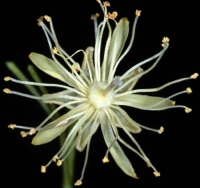
![Actinomorphic flower [Geranium maculatum; Geraniaceae]](images/flowers/7B104C134A234C3FA69DCEE02CE5591D/Actinomorphic flower Geranium maculatum Geraniaceae.png "Actinomorphic flower [Geranium maculatum; Geraniaceae]")
Actinomorphic flower [Geranium maculatum; Geraniaceae]
Asymetric flower - compare with actinomorphic and zygomorphic flowers [Pelargonium sp.: Geraniaceae]
![Chasmogamous flowers, compare with “Cliestogamous” [Lamium amplexicaule; Lamiaceae]](images/flowers/7B104C134A234C3FA69DCEE02CE5591D/Chasmogamous flowers compare with Cliestogamous Lamium amplexicaule Lamiaceae.png "Chasmogamous flowers, compare with “Cliestogamous” [Lamium amplexicaule; Lamiaceae]")
Chasmogamous flowers, compare with “Cliestogamous” [Lamium amplexicaule; Lamiaceae]
![Cliestogamous flowers, compare with “Chasmogamous”[Lamium amplexicaule; Lamiaceae]](images/flowers/7B104C134A234C3FA69DCEE02CE5591D/Cliestogamous flowers compare with ChasmogamousLamium amplexicaule Lamiaceae.png "Cliestogamous flowers, compare with “Chasmogamous”[Lamium amplexicaule; Lamiaceae]")
Cliestogamous flowers, compare with “Chasmogamous”[Lamium amplexicaule; Lamiaceae]
Cliestogamous flowers. These, in Violaceae, are produced near the ground.[08A2645]
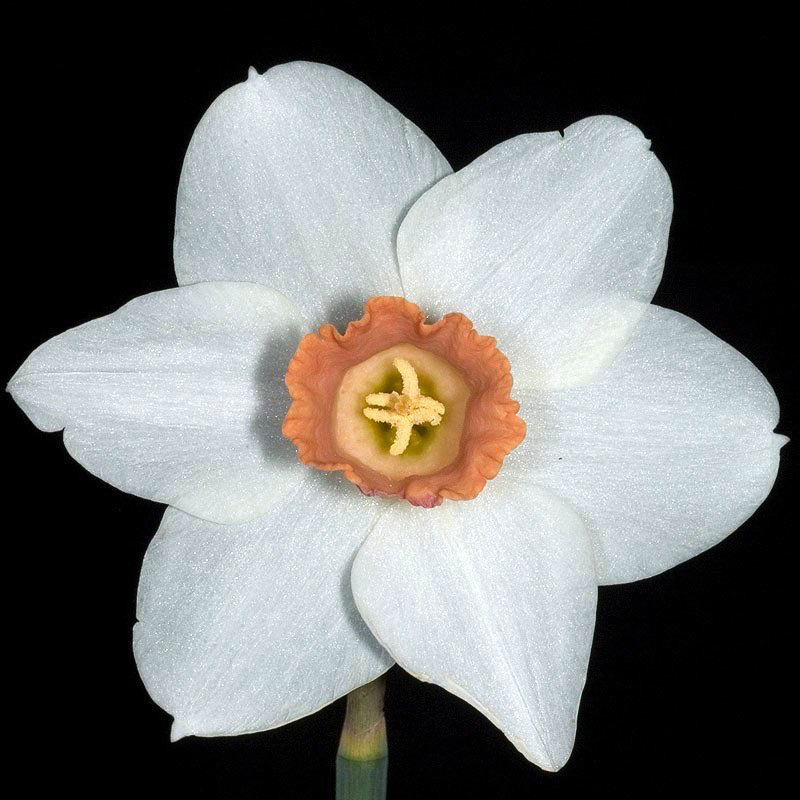
Corona - in daffodils, this refers to the “tube” or extra layer of tissue between the petals and stamens.
Epigynous flower (inferior ovary) - the ovary retains the dried corolla at the apex and has a dried bract at its base [Iris sp.; Iridaceae]
Fusion: petals are connate into a corolla tube, stamens are adnate to the corolla - can you name he other parts? [Mertensia sp.; Boraginaceae]
![Hypanthium [Prunus persica; Rosaceae]](images/flowers/7B104C134A234C3FA69DCEE02CE5591D/Hypanthium Prunus persica Rosaceae.png "Hypanthium [Prunus persica; Rosaceae]")
Hypanthium [Prunus persica; Rosaceae]
![Hypanthium maturing into a Hip; the achenes are superior with styles extending through the small opening in the apex of the hypanthium - Rosa [Rosaceae]](images/flowers/7B104C134A234C3FA69DCEE02CE5591D/Hypanthium maturing into a Hip the achenes are superior with styles extending through the small opening in the apex of the hypanthium - Rosa Rosaceae.png "Hypanthium maturing into a Hip; the achenes are superior with styles extending through the small opening in the apex of the hypanthium - Rosa [Rosaceae]")
Hypanthium maturing into a Hip; the achenes are superior with styles extending through the small opening in the apex of the hypanthium - Rosa [Rosaceae]
Hypogynous flower (superior ovary) [Tulipa sp.; Liliaceae]
![Imperfect flowers (male) [Juglans regia; Juglandaceae]](images/flowers/7B104C134A234C3FA69DCEE02CE5591D/Imperfect flowers male Juglans regia Juglandaceae.png "Imperfect flowers (male) [Juglans regia; Juglandaceae]")
Imperfect flowers (male) [Juglans regia; Juglandaceae]
![Imperfect flowers (female) [Juglans regia; Juglandaceae]](images/flowers/7B104C134A234C3FA69DCEE02CE5591D/Imperfect flowers female Juglans regia Juglandaceae.png "Imperfect flowers (female) [Juglans regia; Juglandaceae]")
Imperfect flowers (female) [Juglans regia; Juglandaceae]
Inferior ovary (epigynous flower) [Malus sp.; Rosaceae]
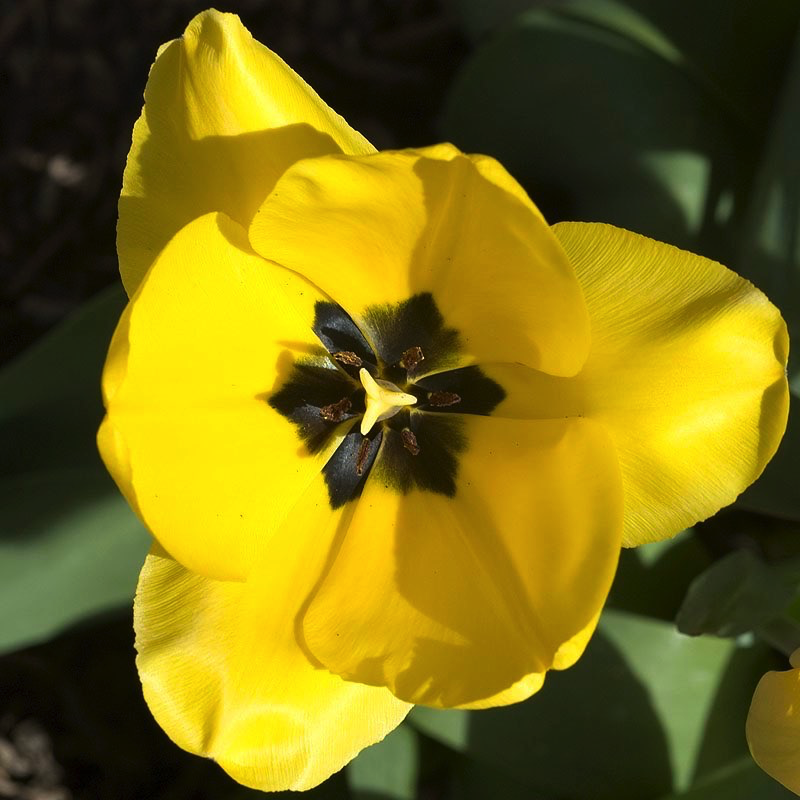
Monocot - Flower parts typically in threes (remember, though, that there are some exceptions and some dicots with parts also in threes)
Monoecious - separate male (upper right) and female (lower left, with maturing fruits) flowers on the same plant. [Bryonia alba; Cucurbitaceae; 09A_3074]
Separate carpels sharing single style and stigmatic disk [Vinca sp.; Apocynaceae]
![Zygomorphic flower [Veronica persica; Scrophulariaceae]](images/flowers/7B104C134A234C3FA69DCEE02CE5591D/Zygomorphic flower Veronica persica Scrophulariaceae.png "Zygomorphic flower [Veronica persica; Scrophulariaceae]")
Zygomorphic flower [Veronica persica; Scrophulariaceae]
![Superior ovary (hypogynous flower) [Bergenia sp.; Saxifragaceae] Note that this species also has a short hypanthium.](images/flowers/7B104C134A234C3FA69DCEE02CE5591D/Superior ovary hypogynous flower Bergenia sp. Saxifragaceae Note that this species also has a short hypanthium..png "Superior ovary (hypogynous flower) [Bergenia sp.; Saxifragaceae] Note that this species also has a short hypanthium.")
Superior ovary (hypogynous flower) [Bergenia sp.; Saxifragaceae] Note that this species also has a short hypanthium.
Zygomorphic flower [Schizanthus sp.; Solanaceae]
Flowers are the basic reproductive organ of angiosperms. Inflorescences are structural arrangements of flowers that often influence reproductive success.
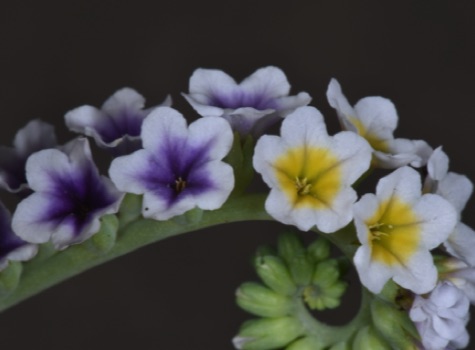
Various floral terms