Contemporary Circumscription Compared with A Utah Flora 4th ed.

Bio430

Ginkgoaceae

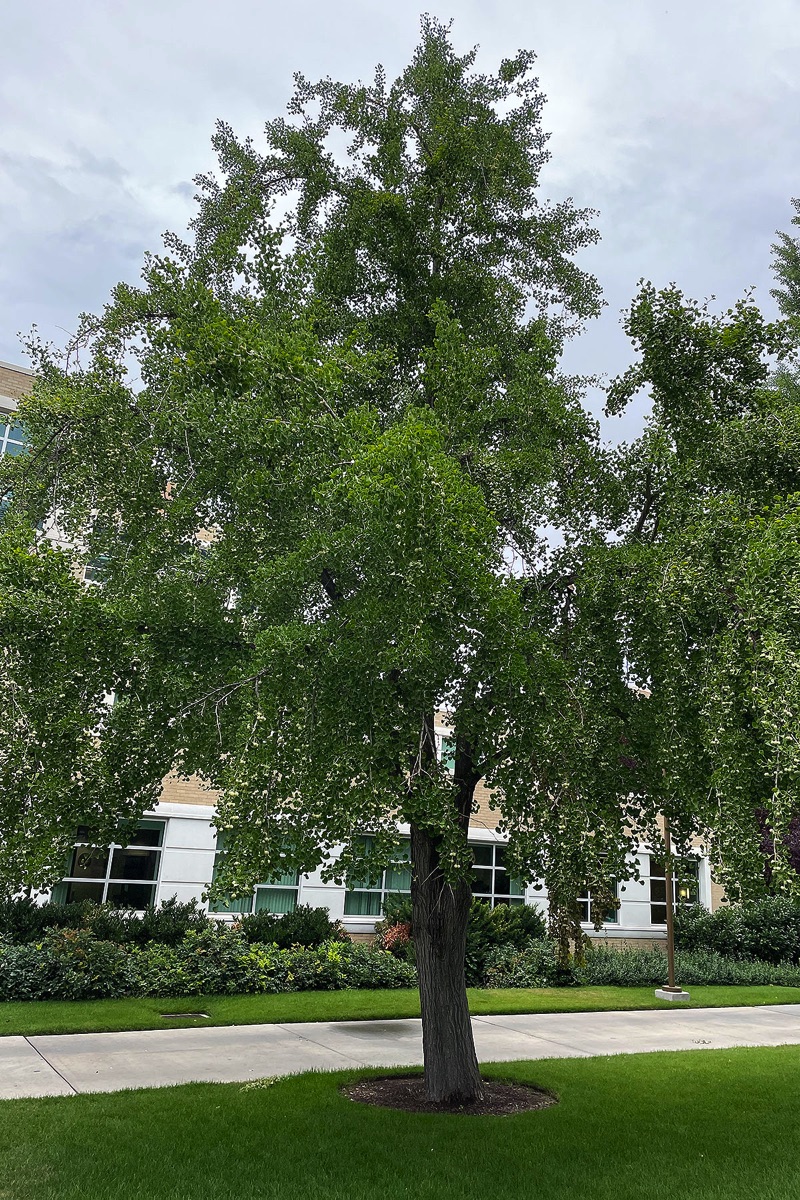
No differences. Ginkgo does not occur natively in Utah, but is cultivated, including several male and female trees on campus.  A number of cultivars, including shrubby dwarf varieties, are commercially available.

Key Features

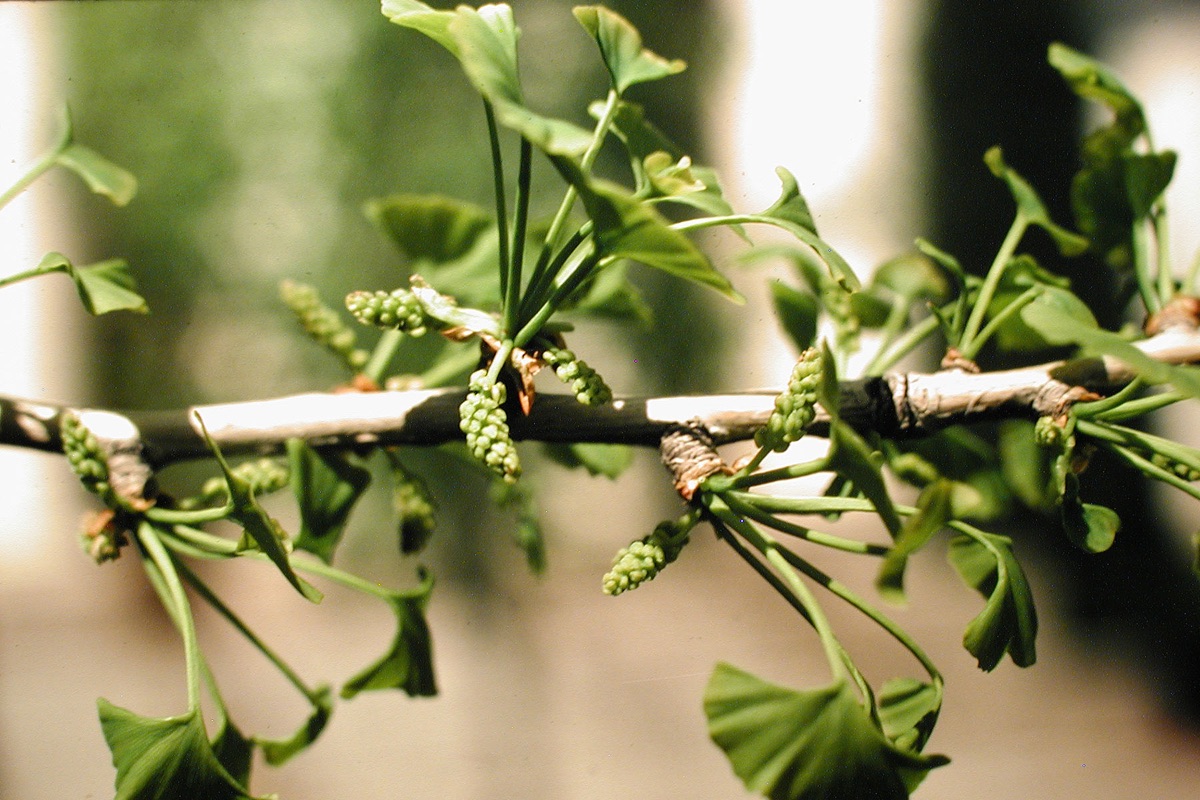
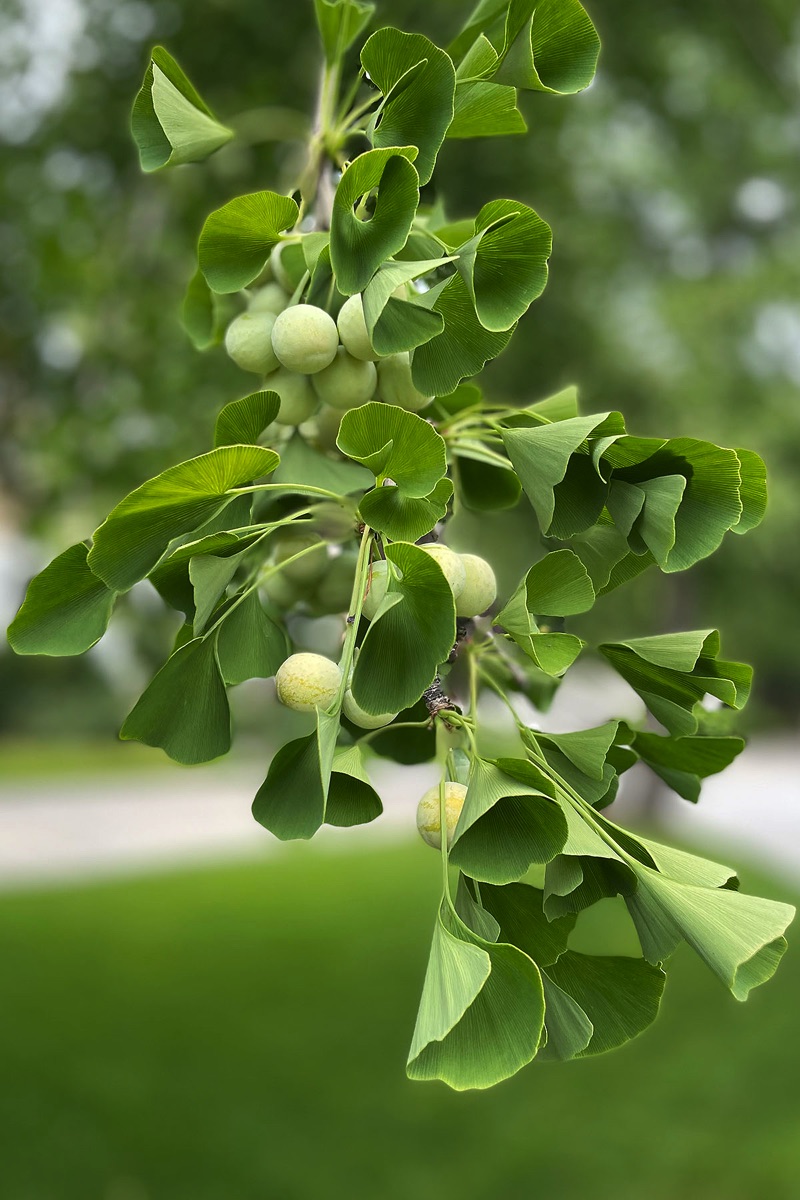
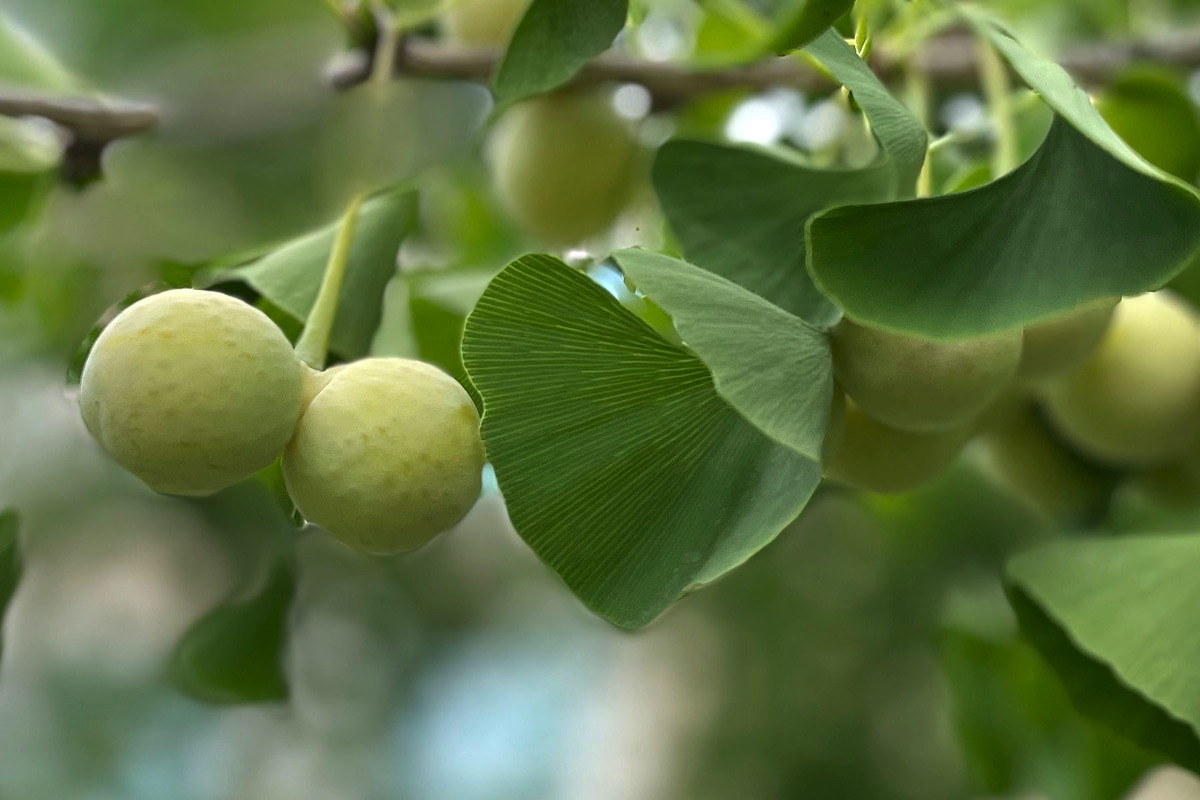
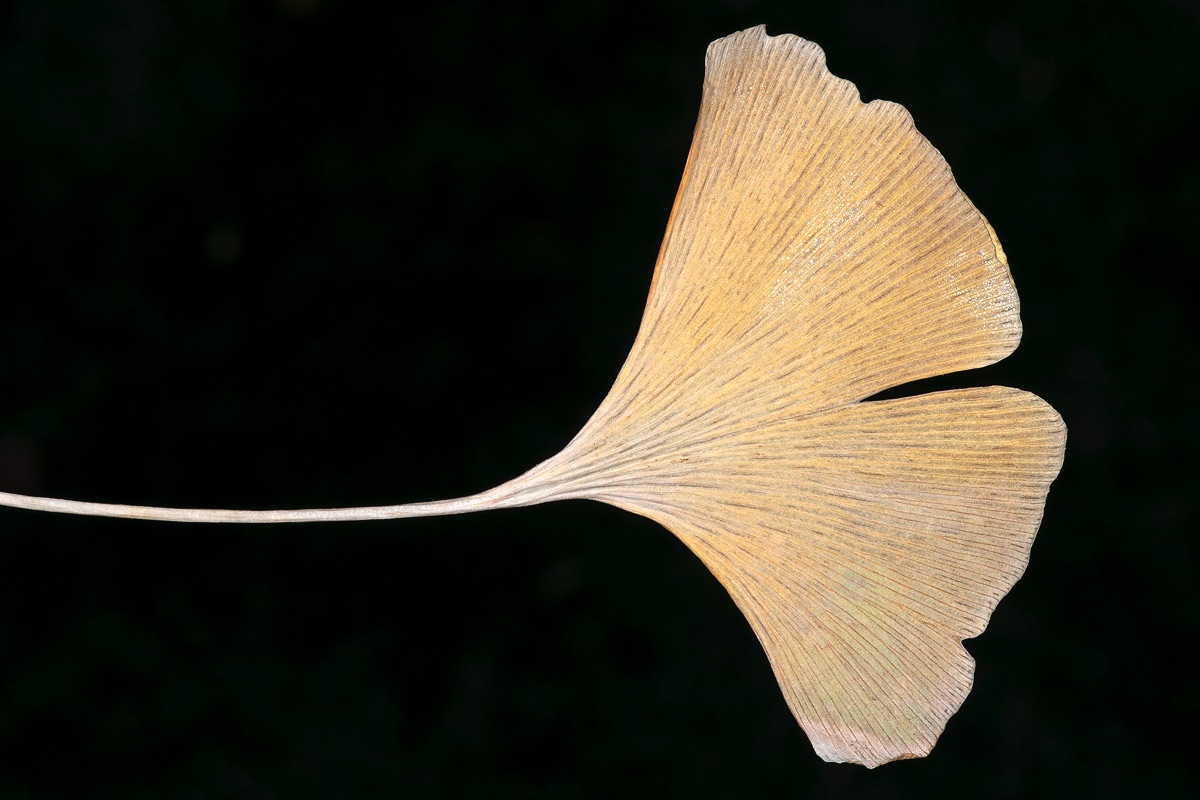
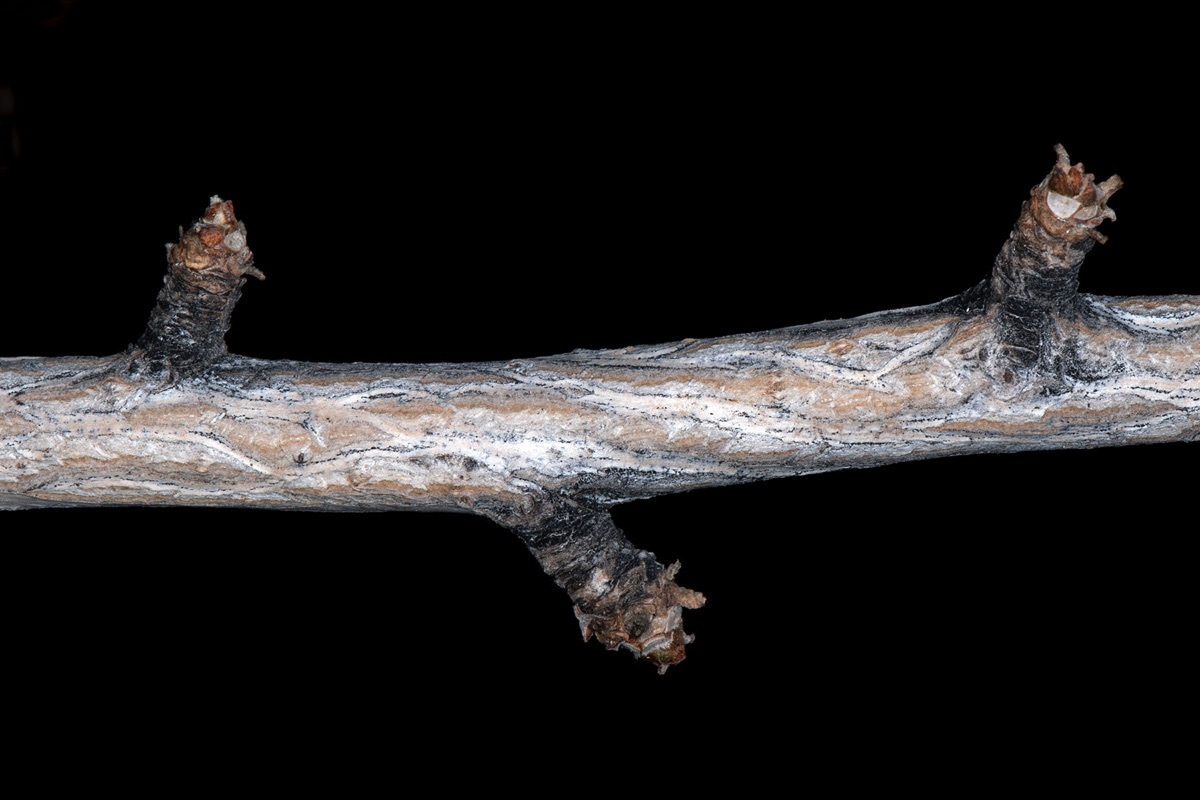
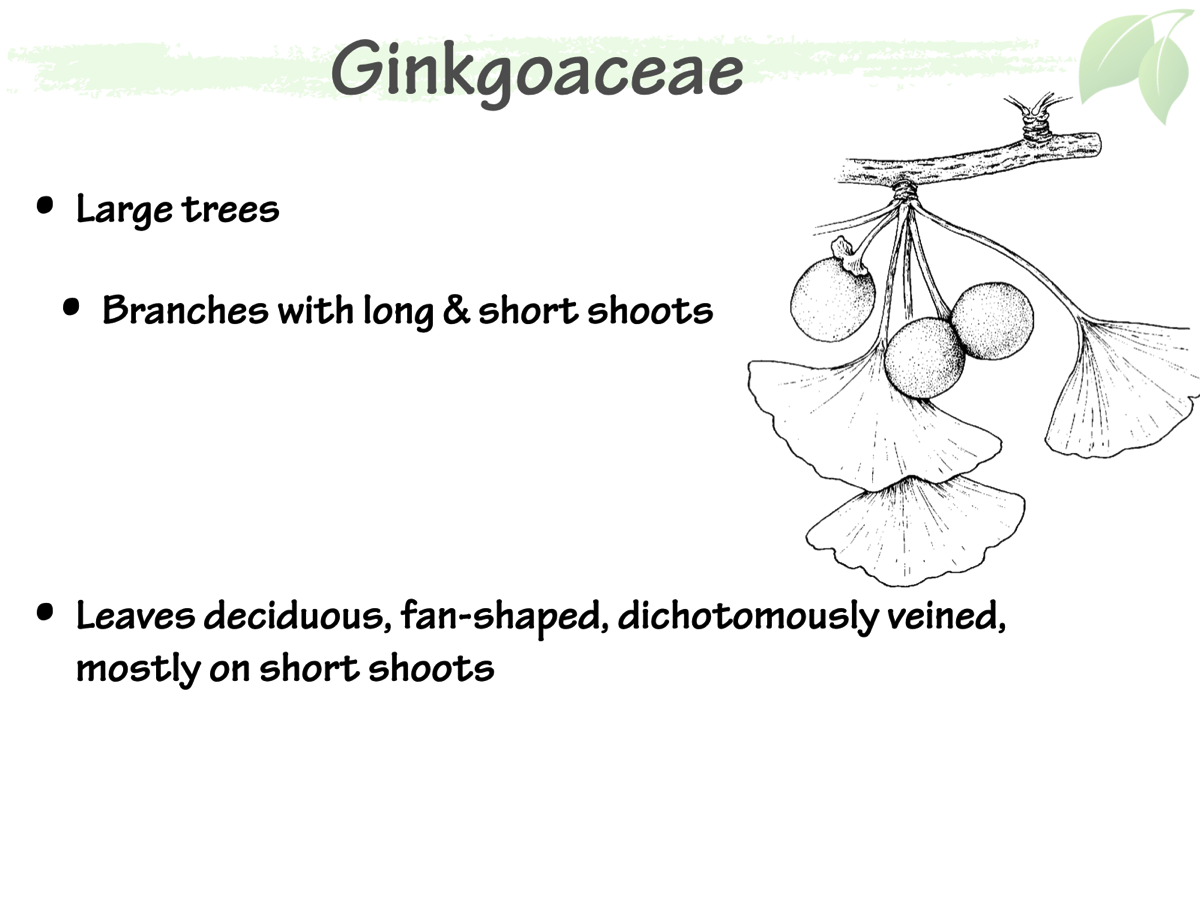
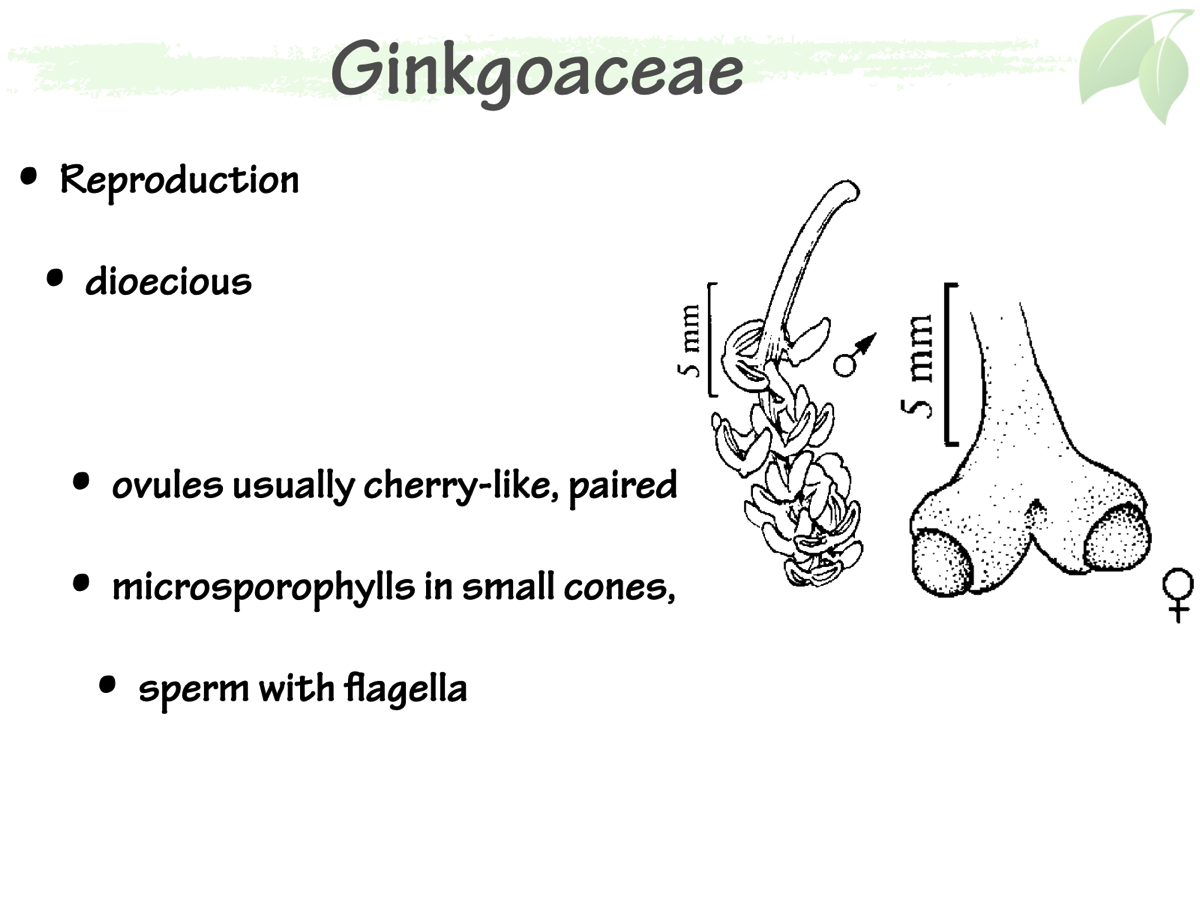
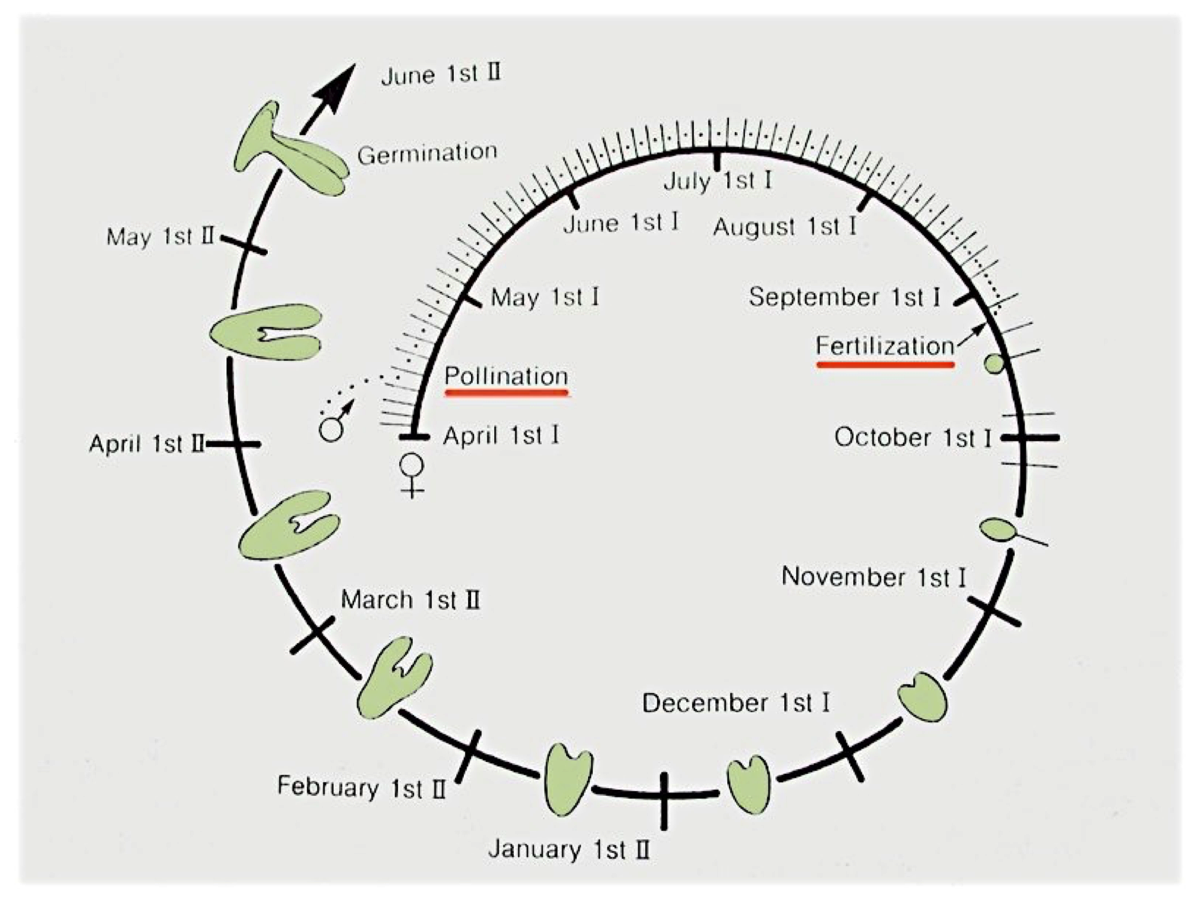
This family, with just one genus and one extant species, was apparently saved from extinction by cultivation around Buddhist temples in the Orient.  They are trees with large trunks and branches that have “long shoot” - “short shoot” dimorphism.  Leaves are broad, fan or fish-tail shaped, sometimes shallowly 2-lobed, and deciduous. Reproduction is dioecious, with males cone being small and ovules usually paired on a stalk.  As in other seed plants, the pollen produces 2 sperm, but in Ginkgo these sperm have flagella.

Ginkgo
Ginkgo
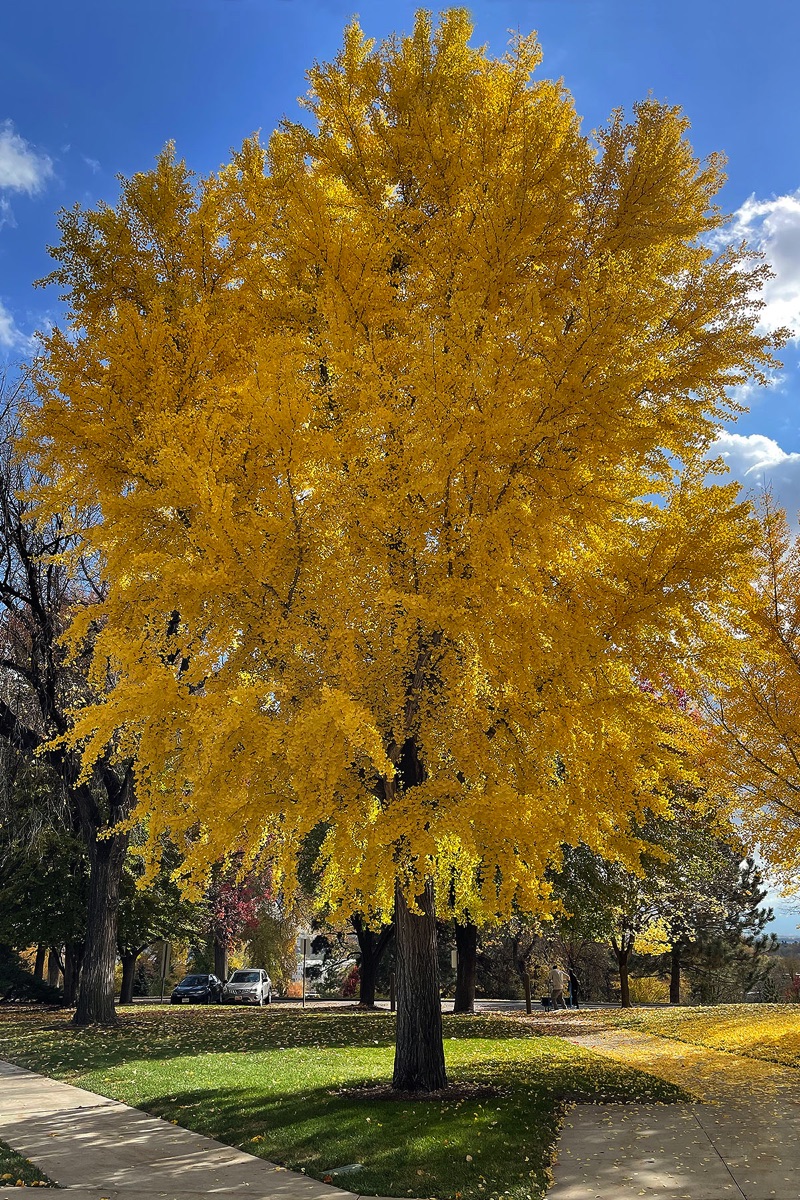
Ginkgo - fall color on BYU campus
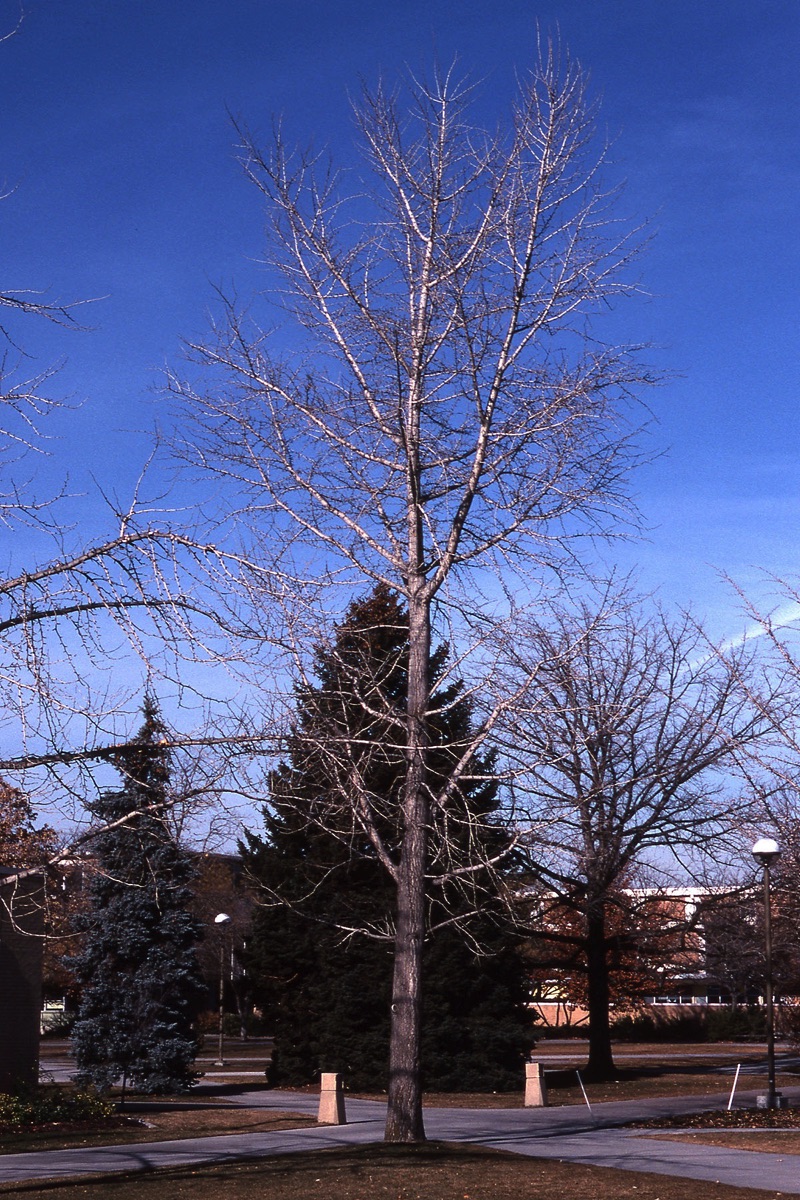
Ginkgos have a growth form similar to conifer trees like pines with a main central axis from base to tip; this becomes less apparent with age
Branch with long shoot / short shoot dimorphism
Ginkgo branch
Ginkgo branch
Ginkgo paired ovules
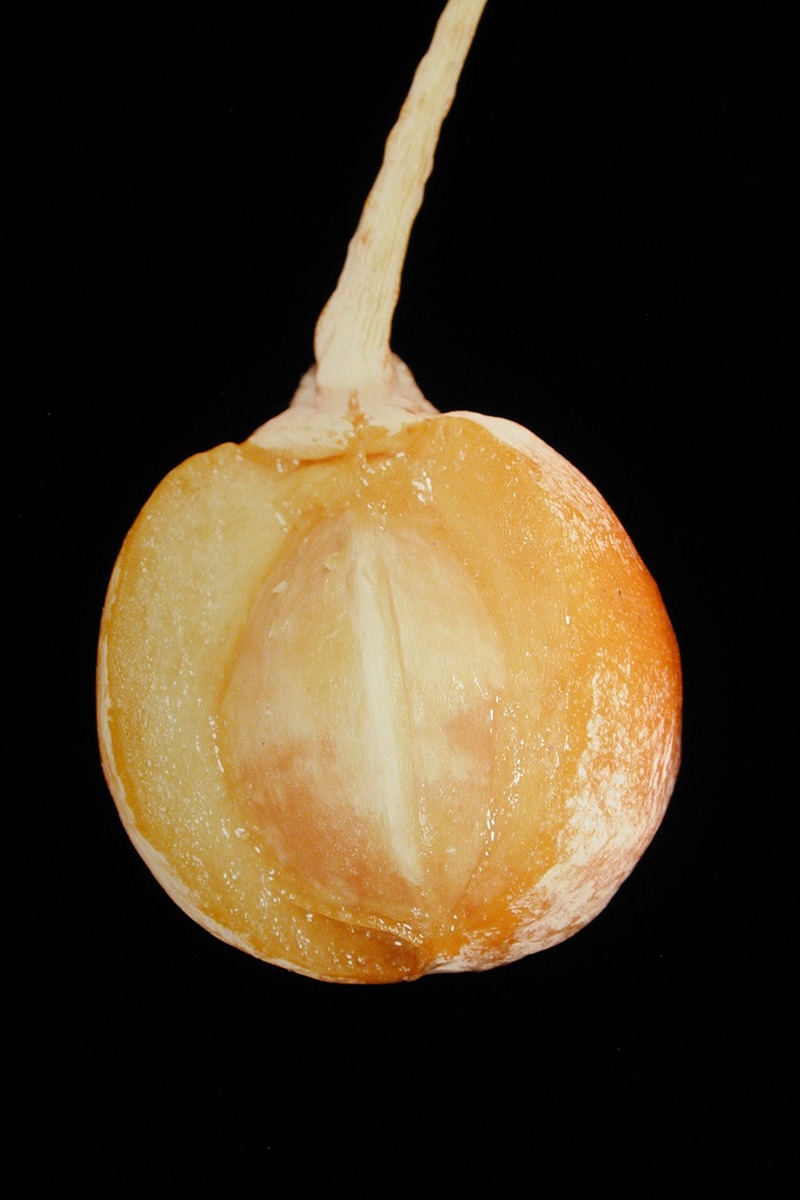
Ginkgo ovule, sectioned through fleshy layer and stopping at stoney layer of integument.
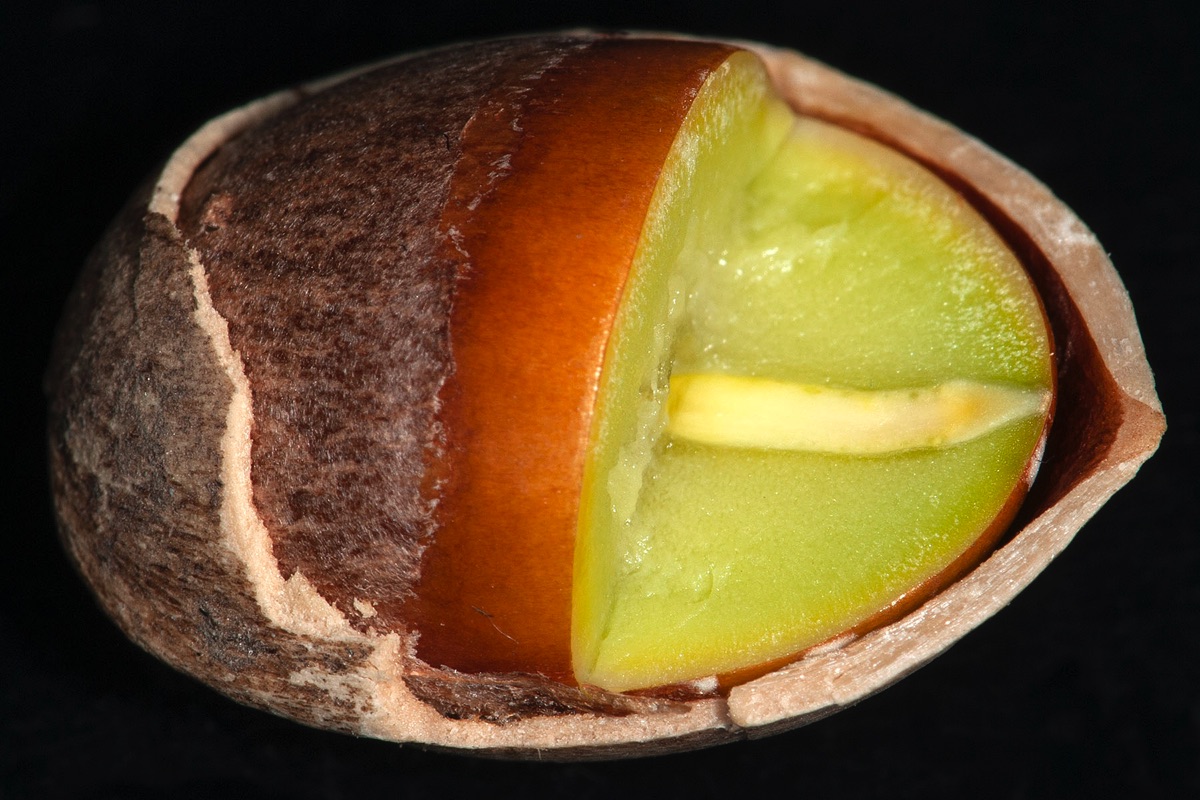
Ginkgo - section through ovule (after removing fleshy layer), showing green megagametophyte and developing embryo within
Ginkgo biloba - leaf following dehiscence
Gingko - long shoot, short shoot dimorphism
Gymn_24.png
Gymn_24.png
Gymn_25.png
Gymn_25.png
Gymn_32.png
Gymn_32.png