Contemporary Circumscription Compared with A Utah Flora 4th ed.
Bio430
Rubiaceae
No differences.
Key Features
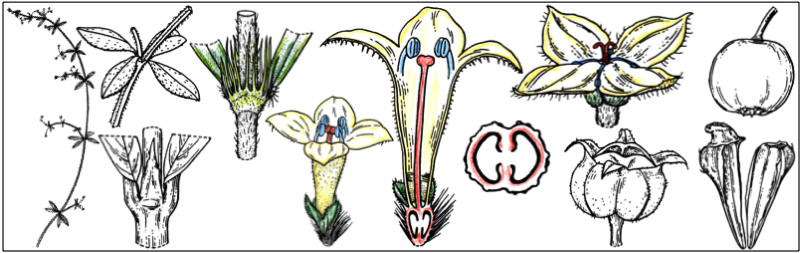
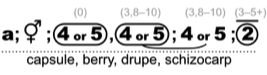
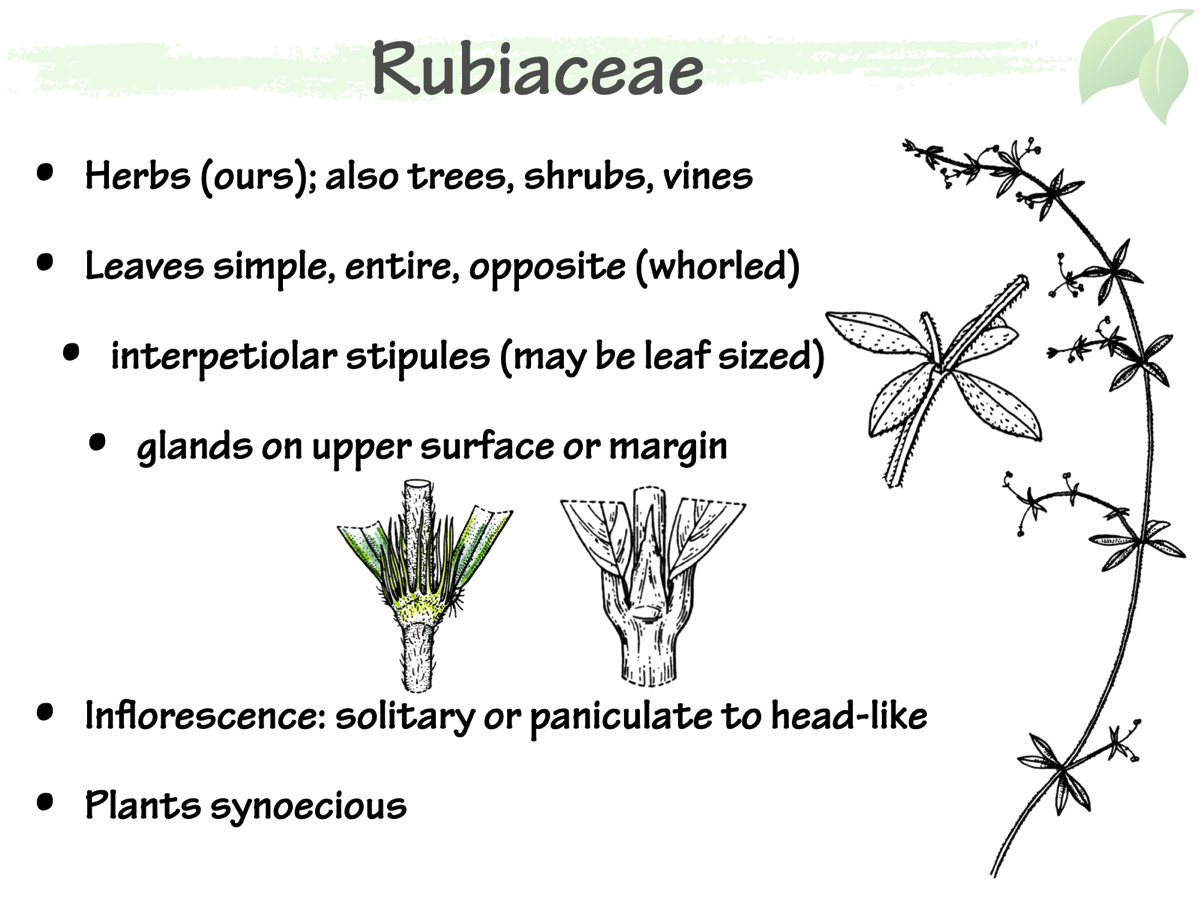
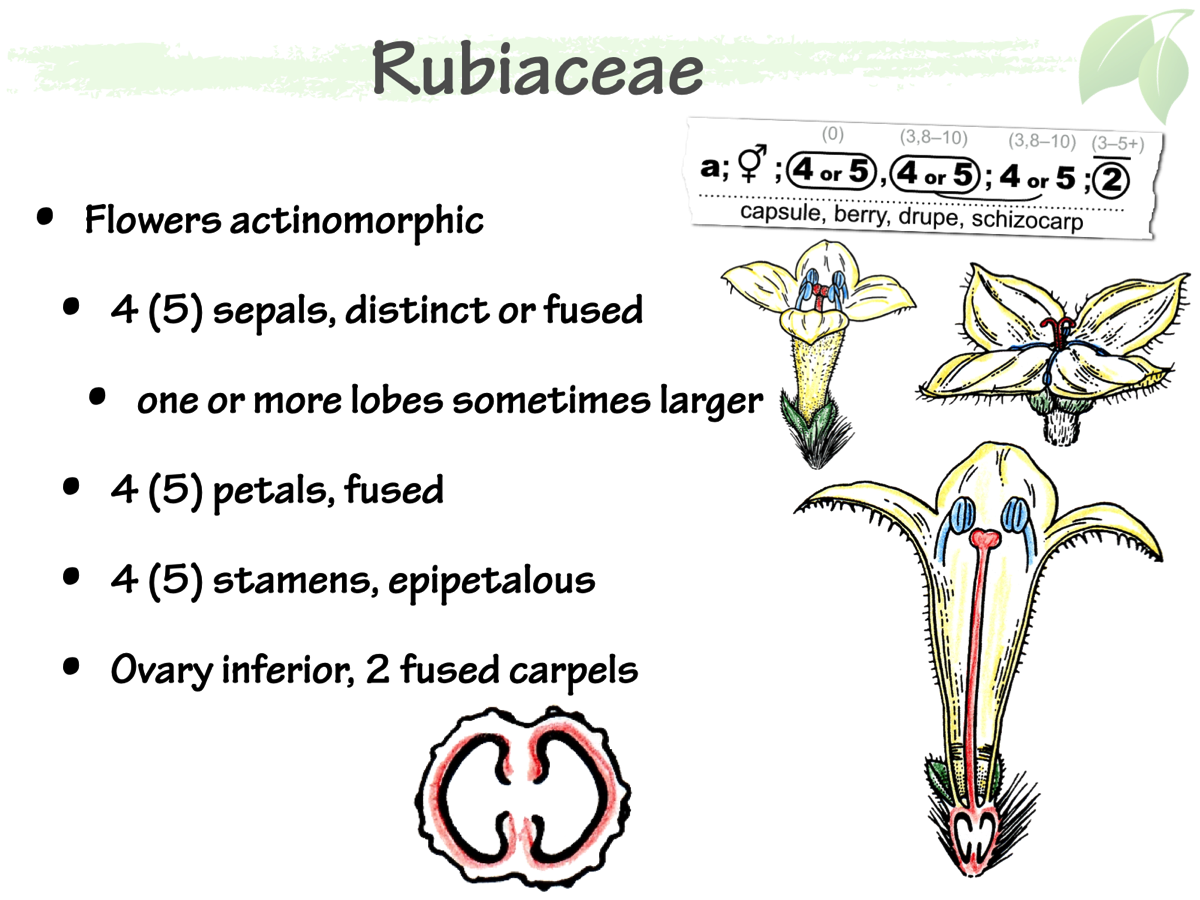
In our temperate regions, Rubiaceae are herbs and vines with opposite or whorled leaves, inferior ovaries of 2 carpels, and flowers parts (sepals, petals, and stamens) usually 4 in number. Interpetiolor stipules can be large and leaf-like (or small). World wide diversity includes shrubs, trees, and woody vines, and flower parts can be in 4’s or 5’s.
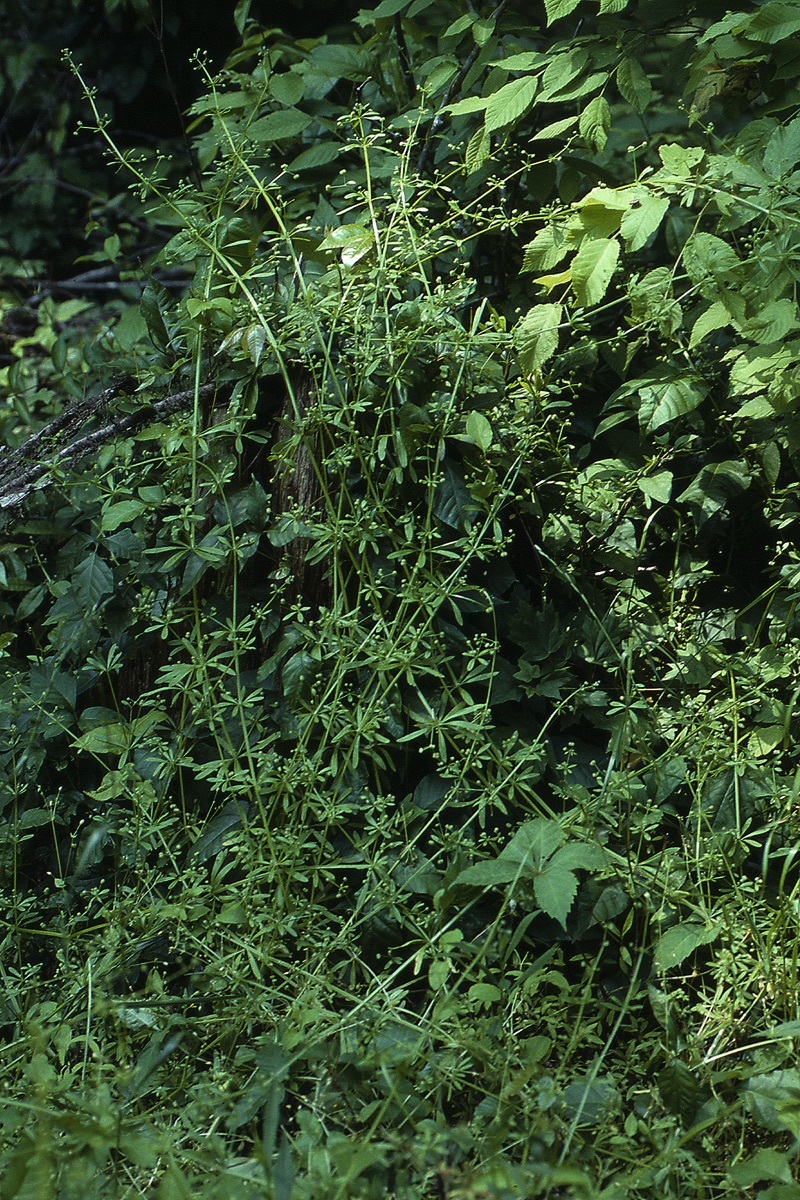
Galium aparine
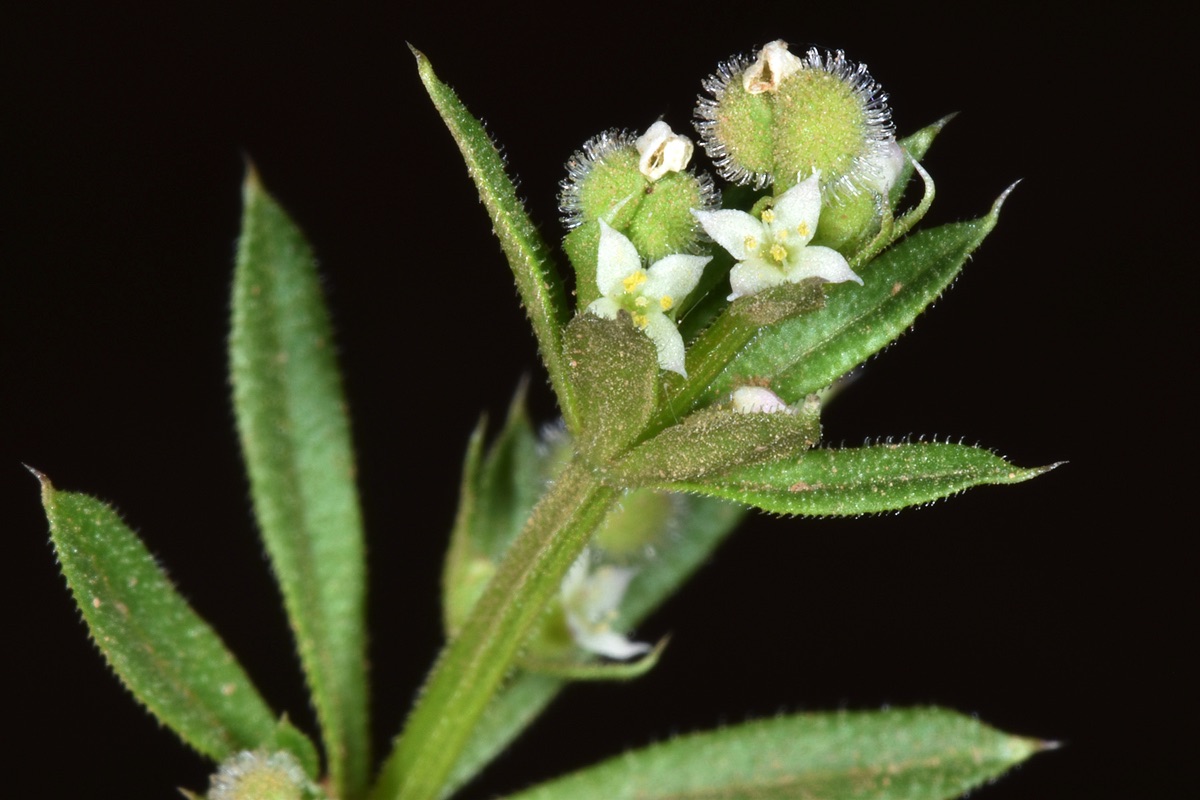
Galium; these flowers are about 3/16 inch across
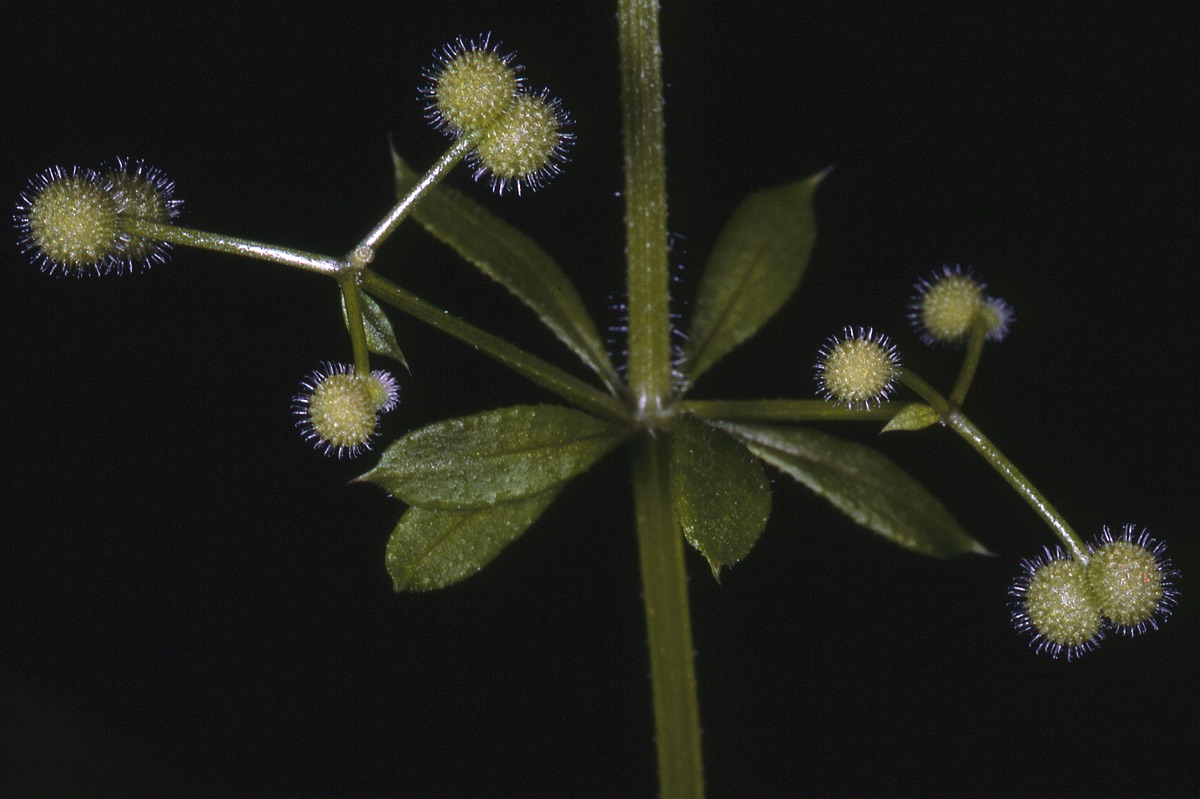
Galium sp.
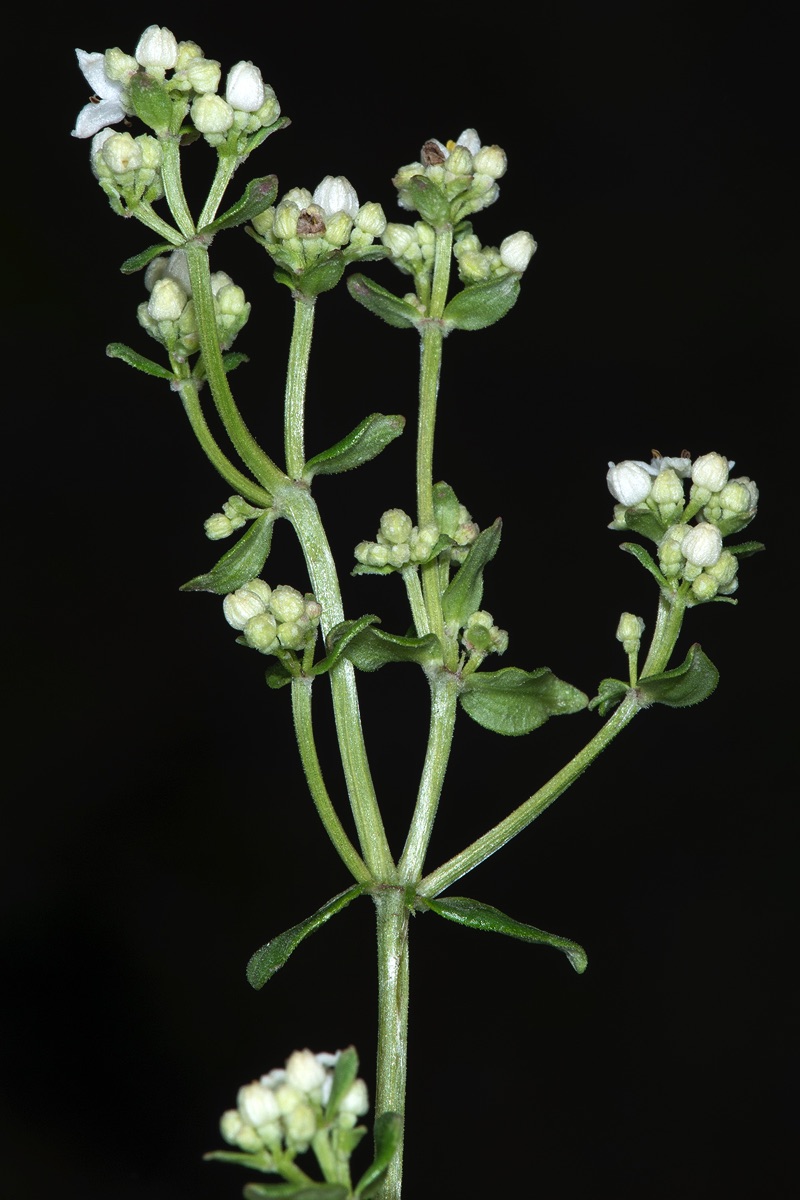
N17_5790_mod21.jpg
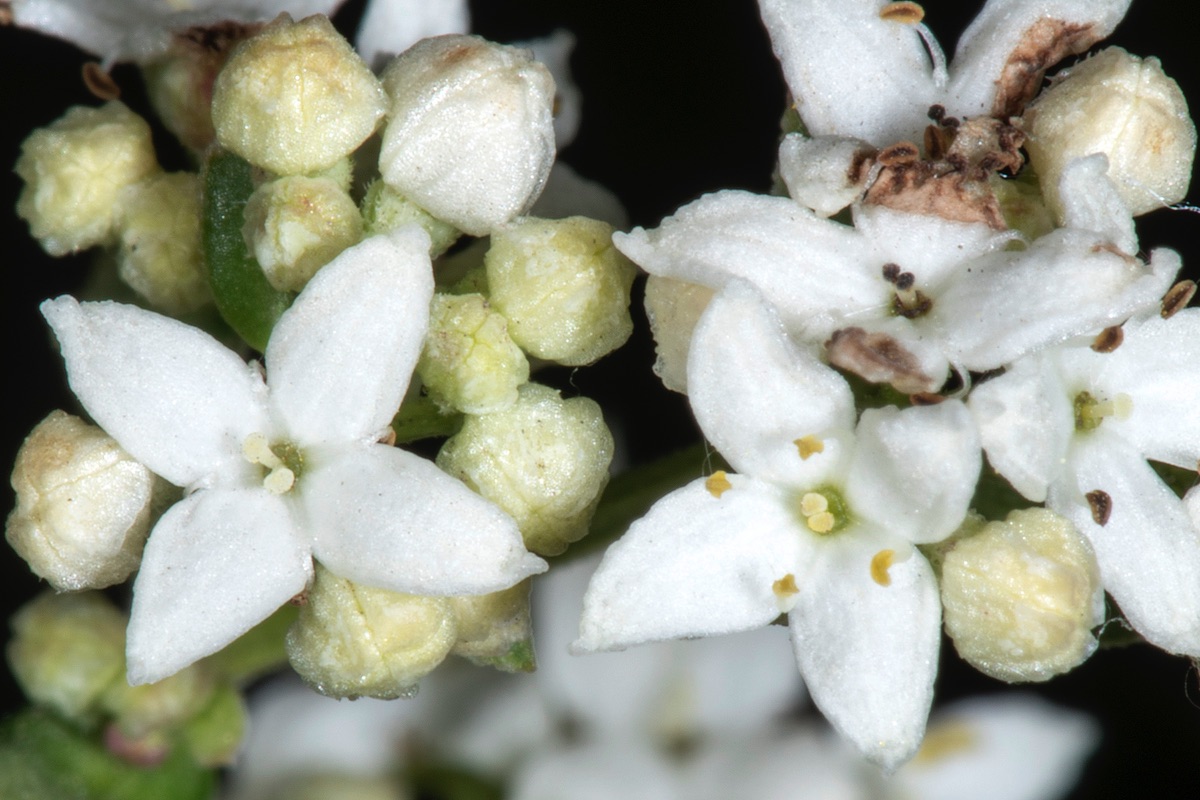
N17_5791_mod21.jpg
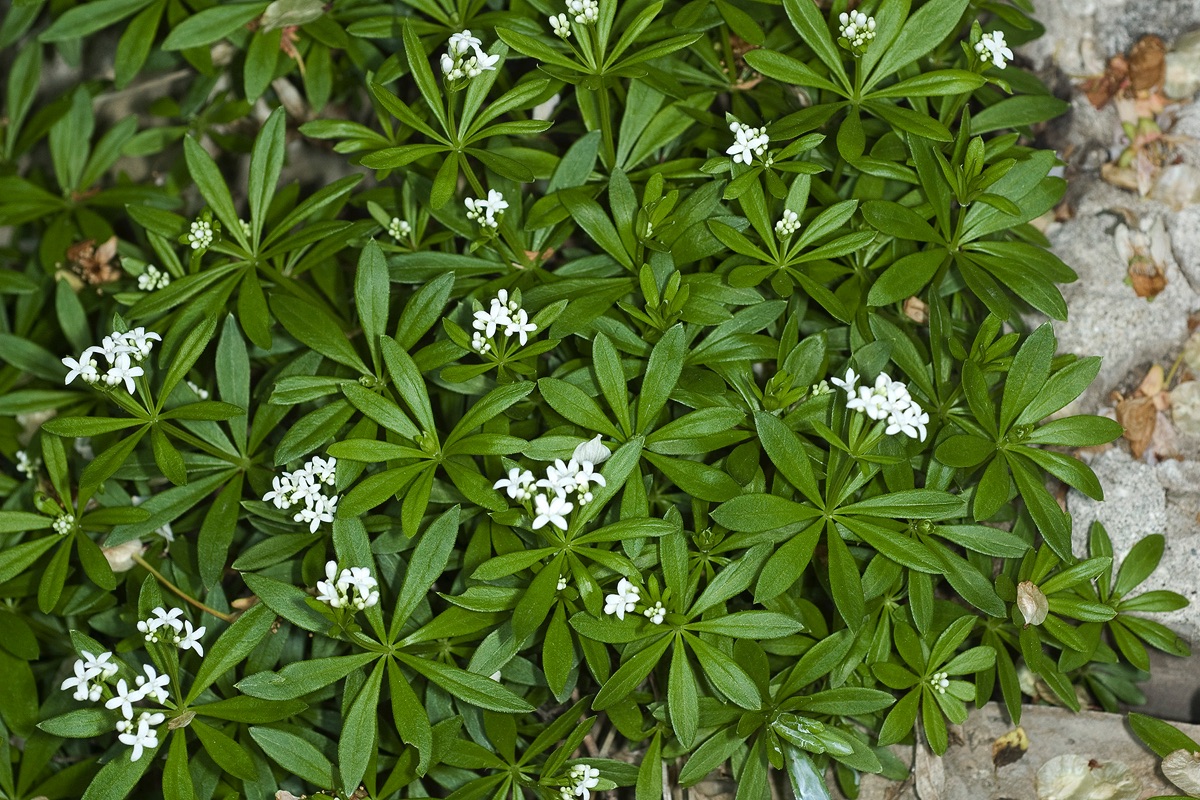
Galium aristatum
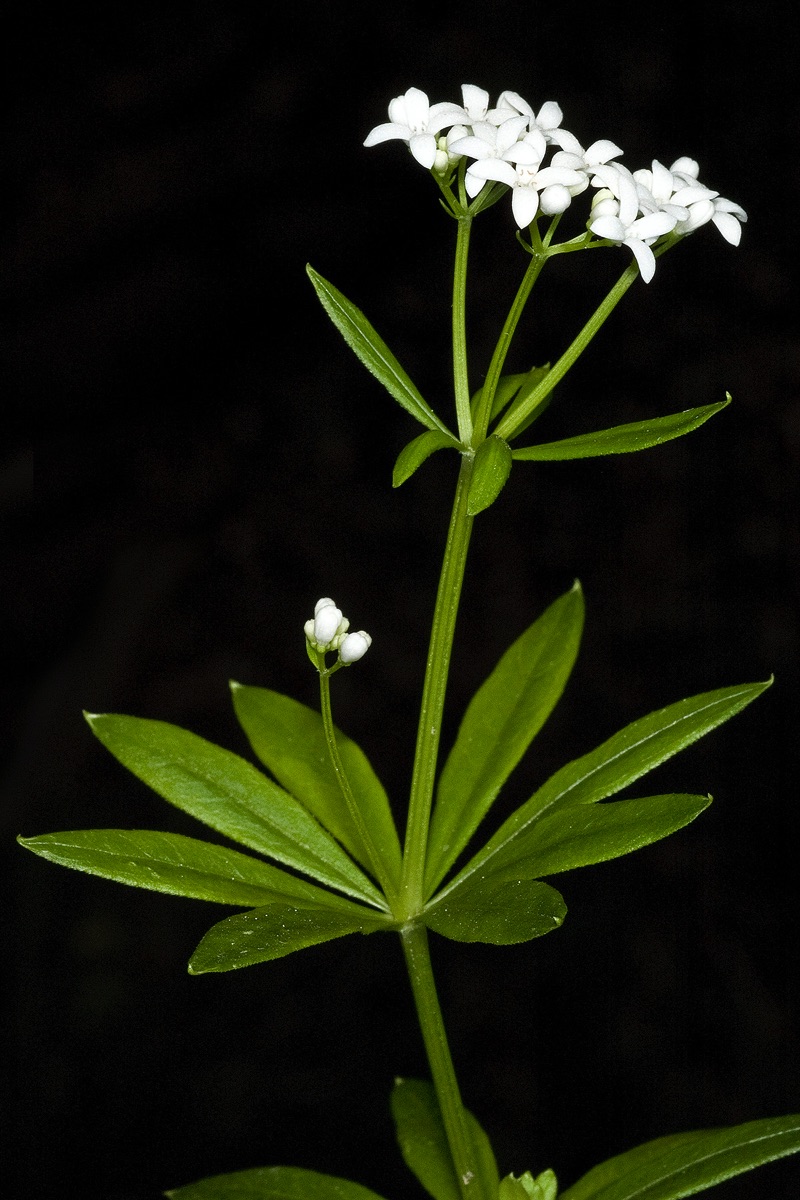
Galium aristatum
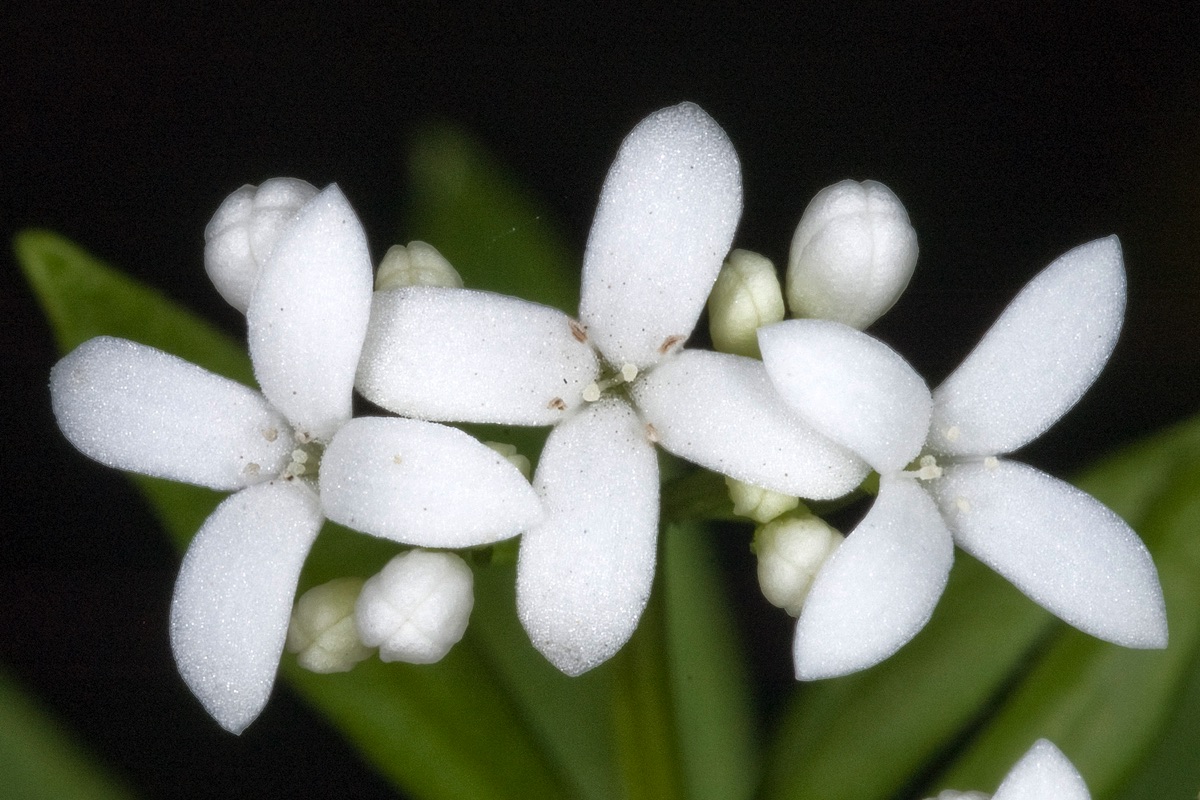
Galium aristatum
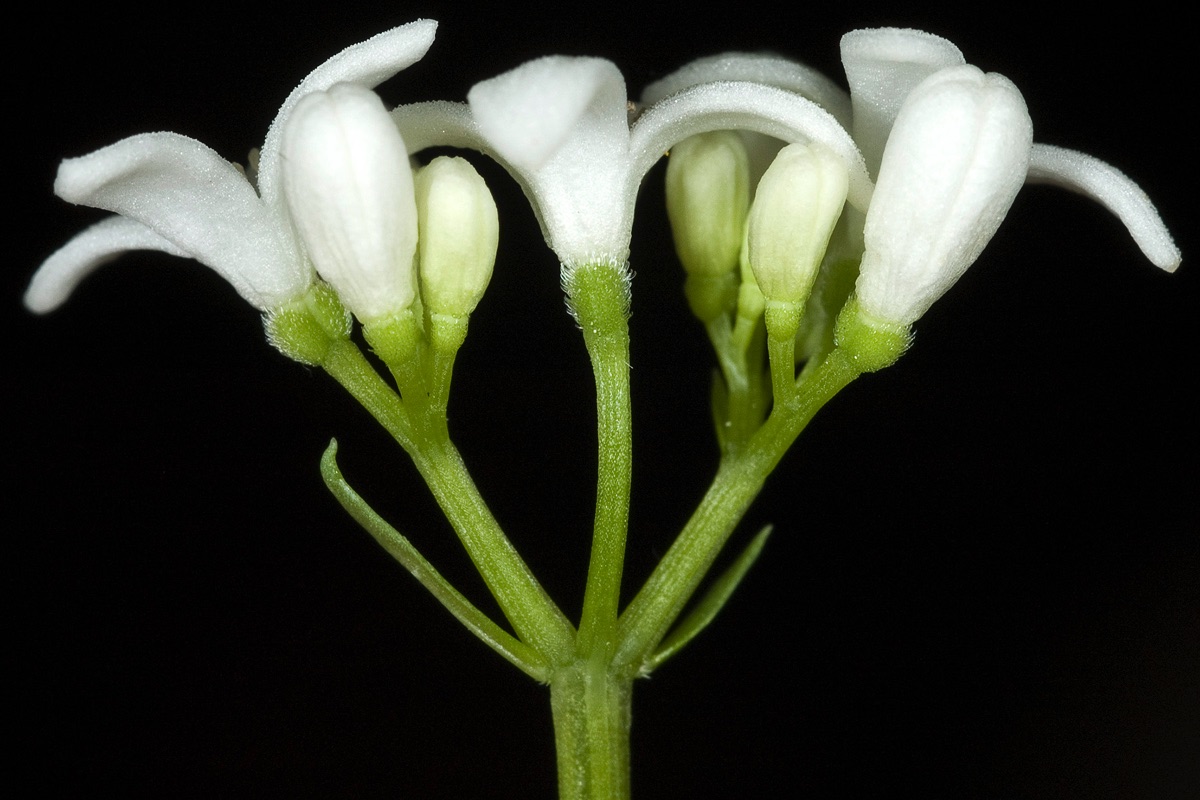
Galium aristatum
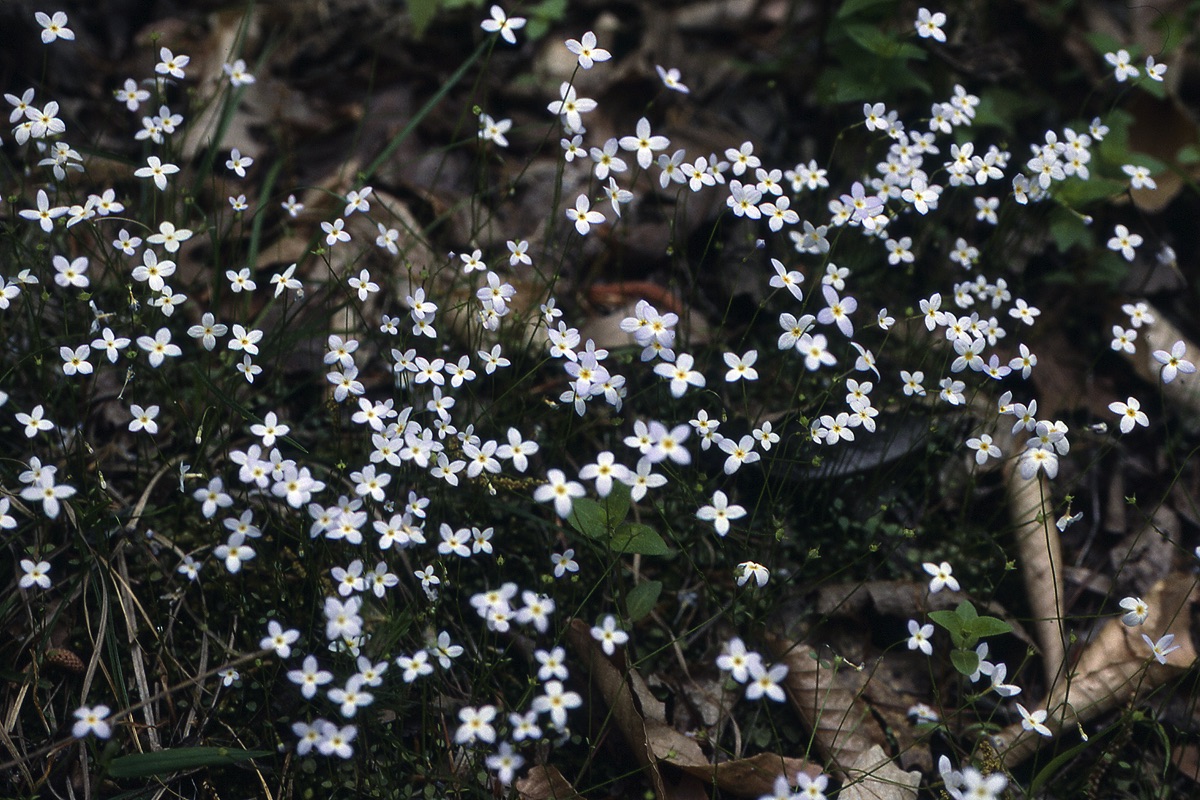
Houstonia caerulea
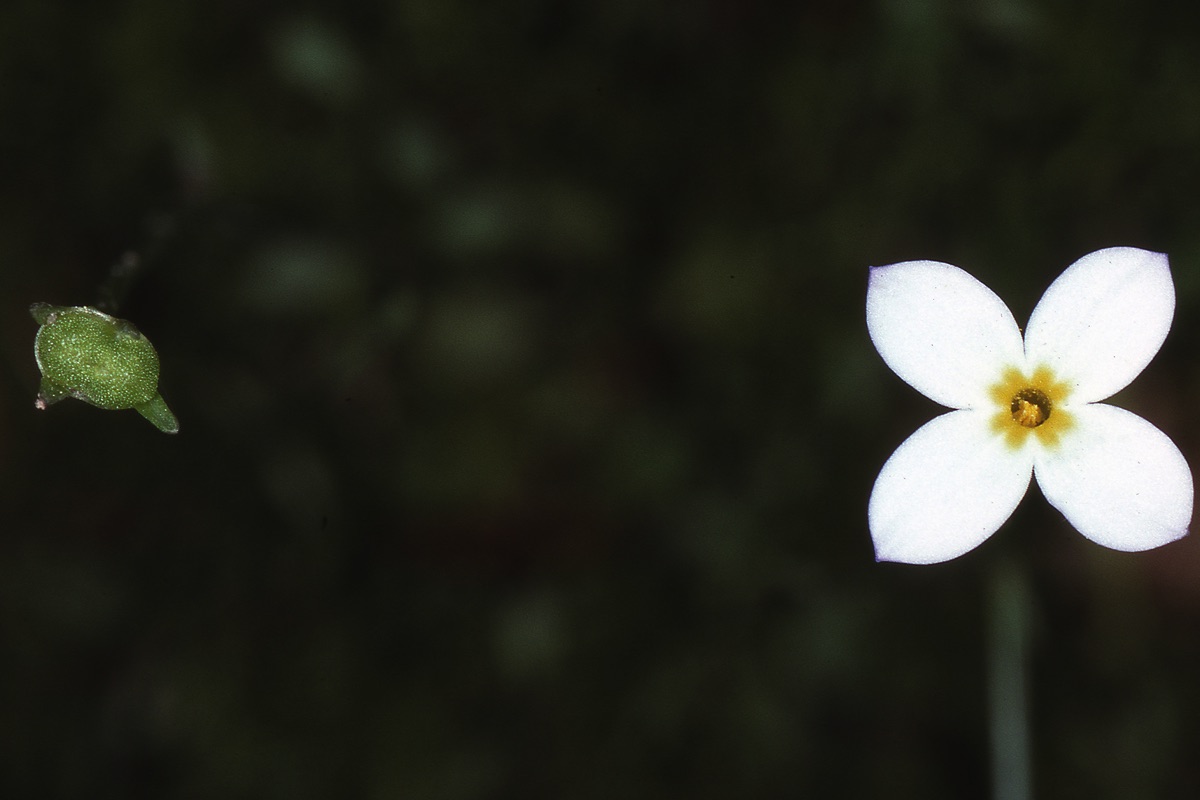
Houstonia caerulea
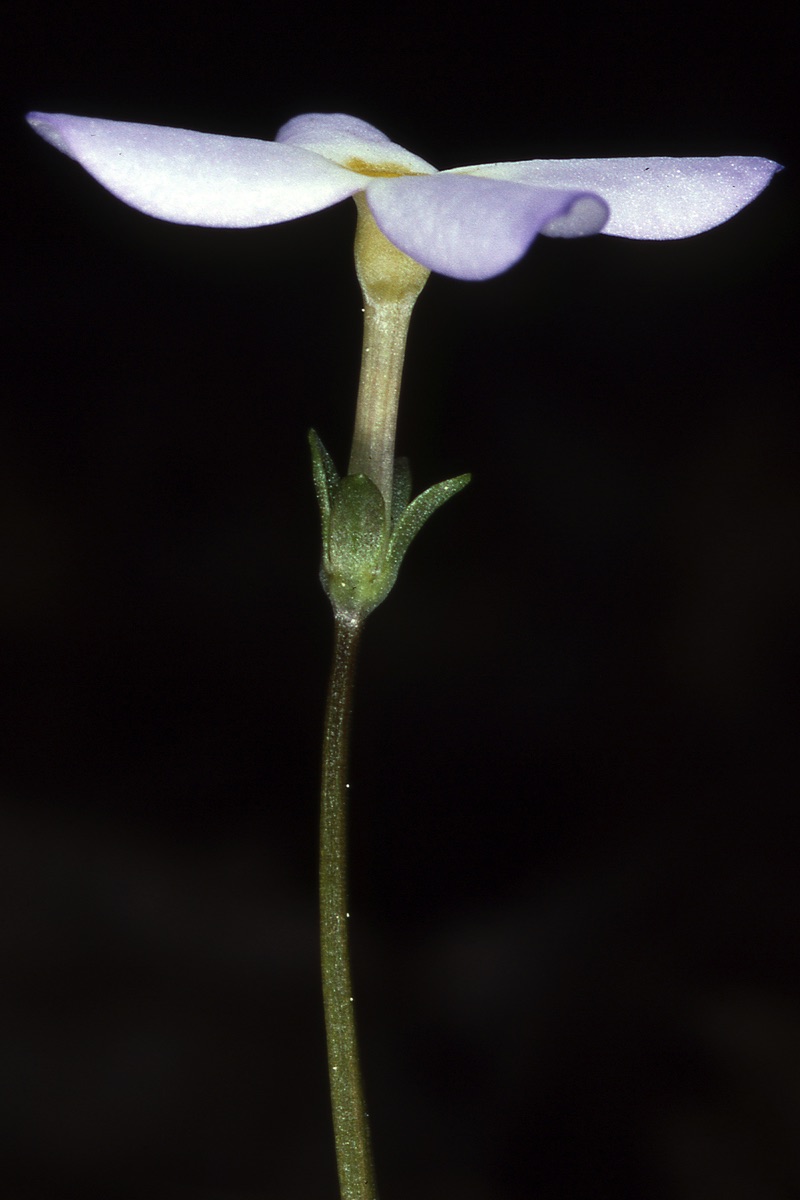
Houstonia caerulea
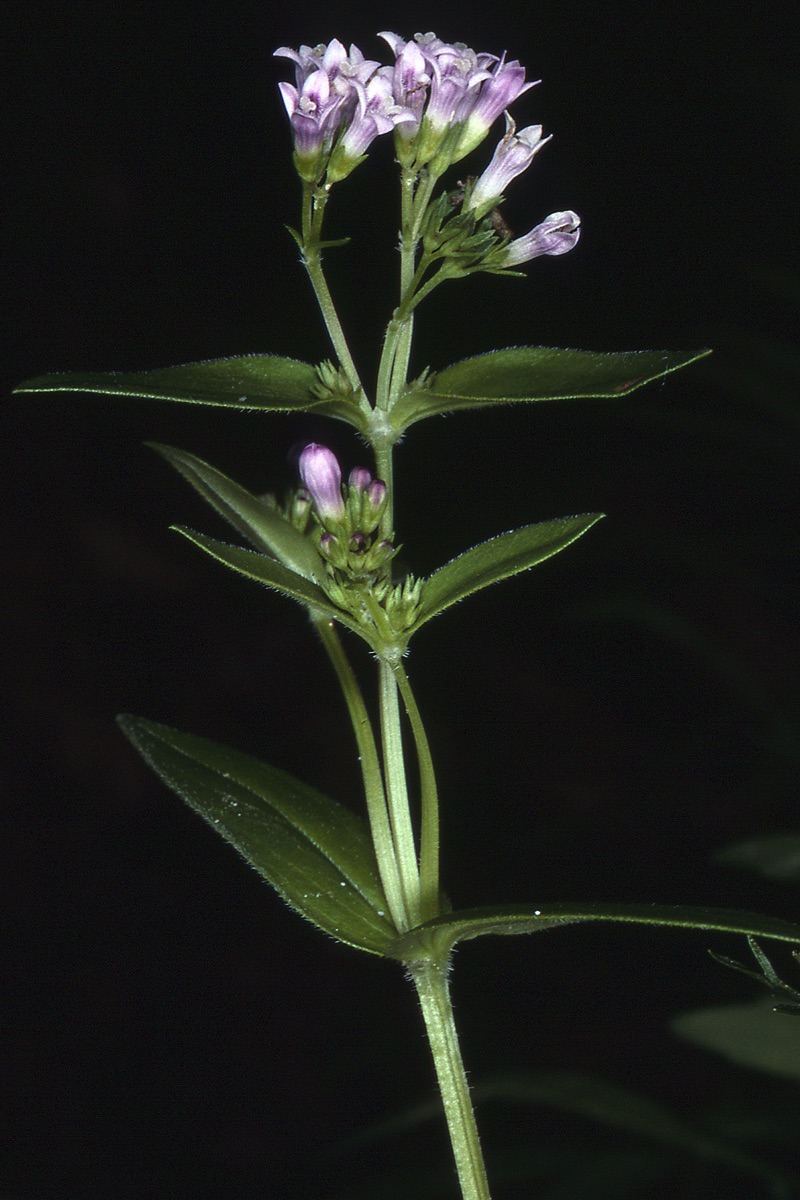
Houstonia purpurea
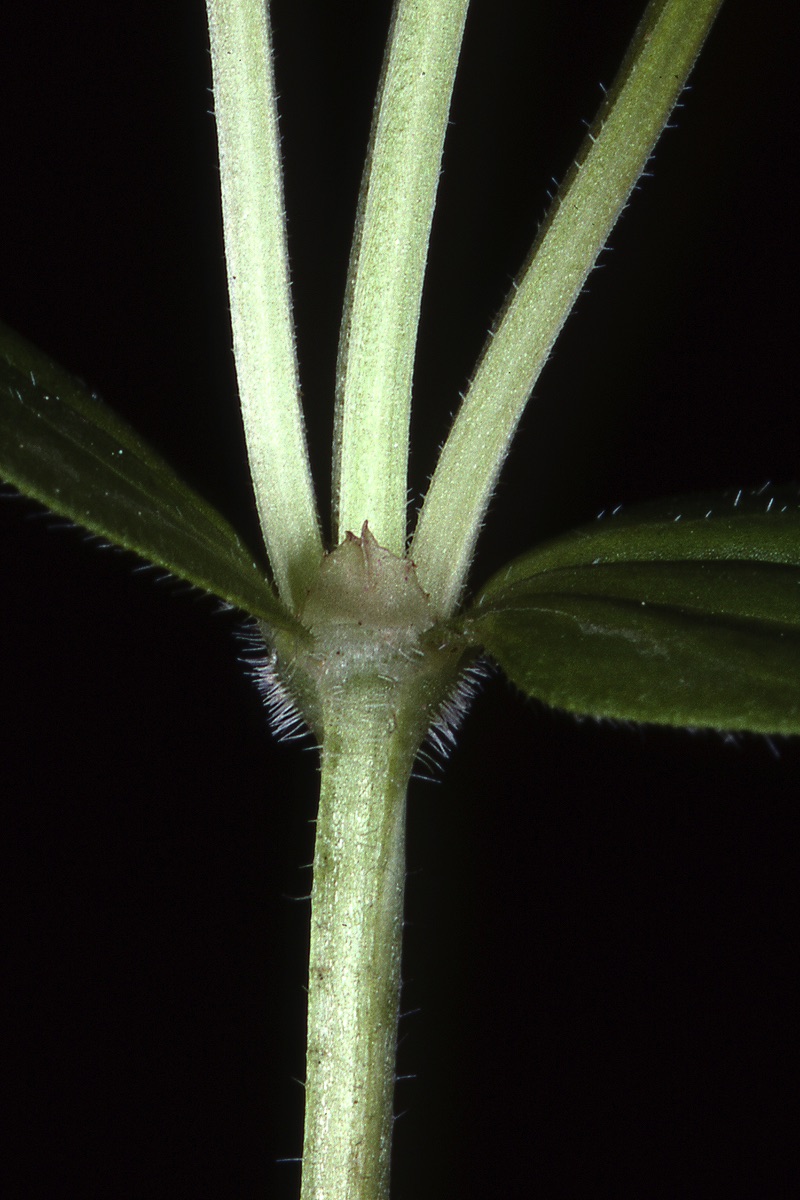
Houstonia purpurea
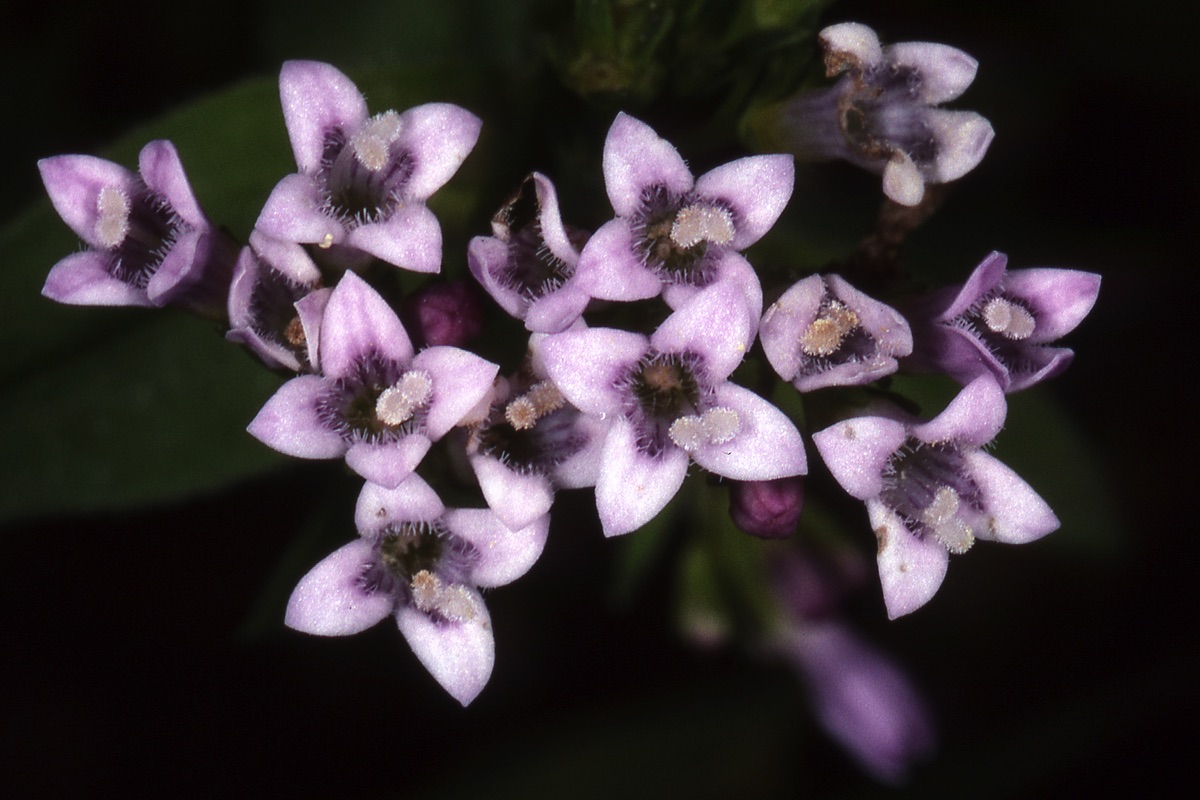
Houstonia purpurea
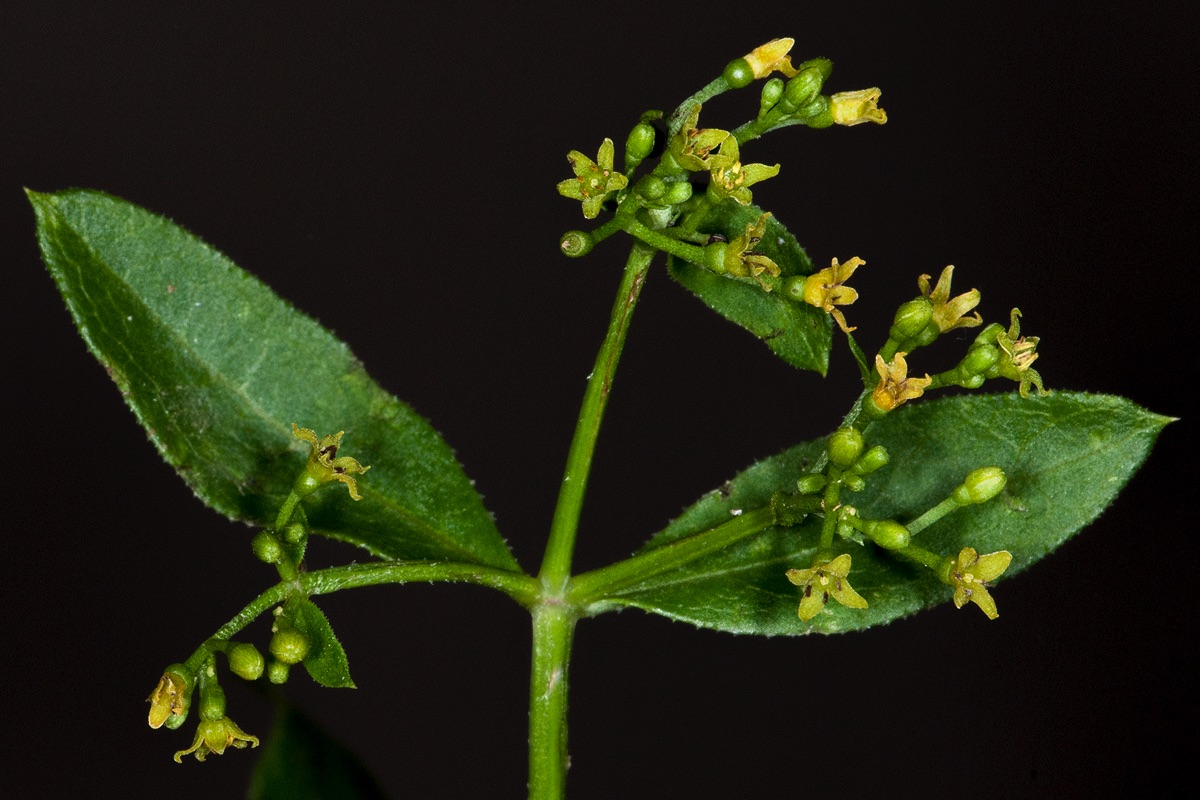
Rubia tinctoria - most Rubiaceae in western US have 4-merous flowers, but world wide diversity can have 5-merous flowers. This species was introduced from Europe
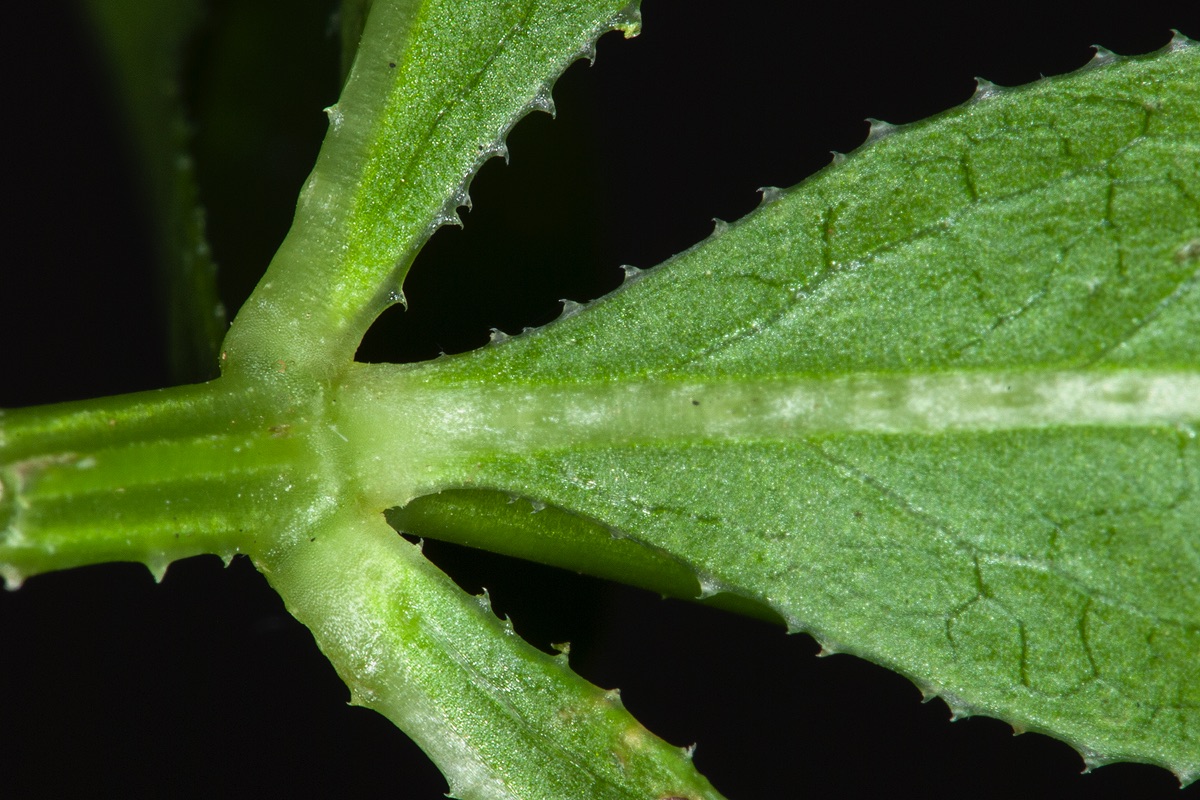
Rubia tinctoria - some of the sprawling members of this family have barbs that aid the plants as they clamor over other plants
Rubi01.png
Rubi02.png
Rubi03.png
Rubi04.png
Rubi05.png