Contemporary Circumscription Compared with A Utah Flora 4th ed.
Bio430
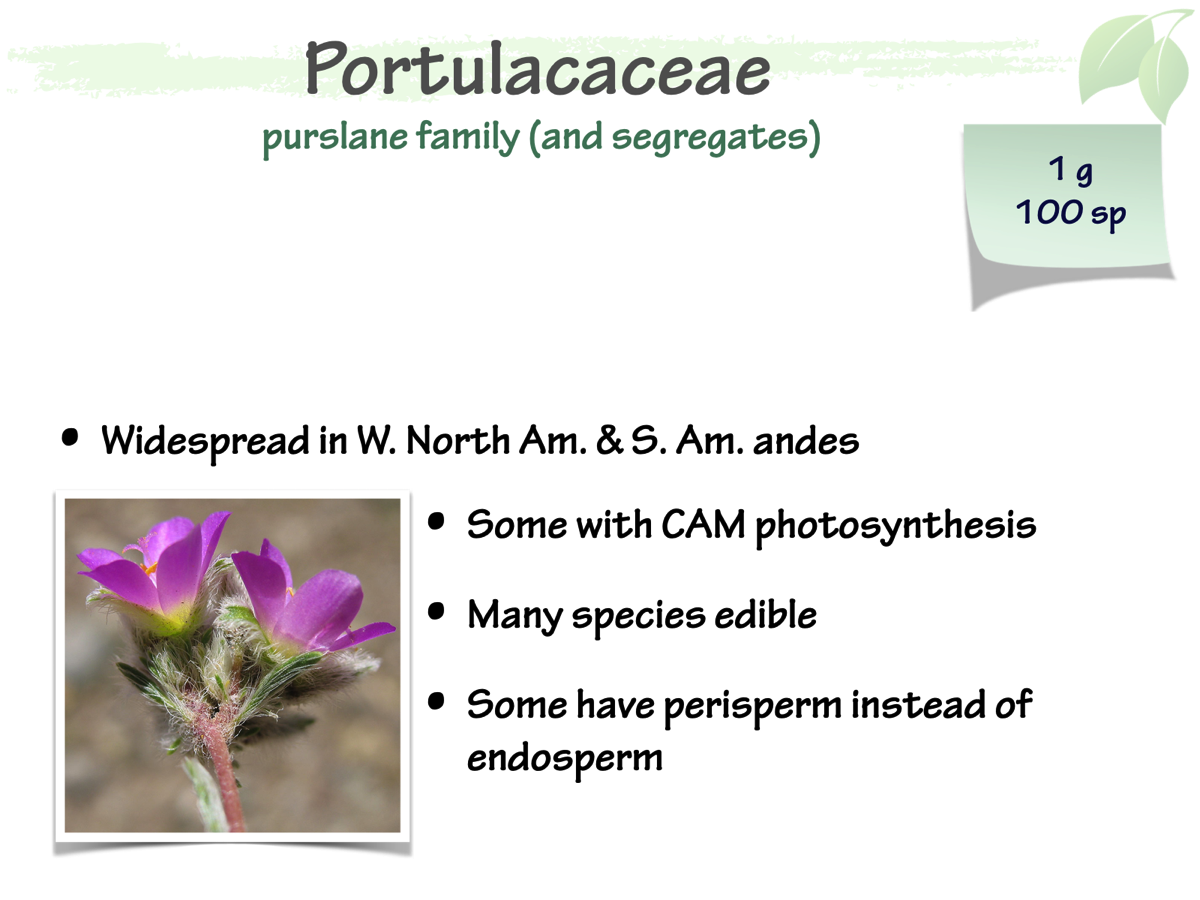
Portulacaceae
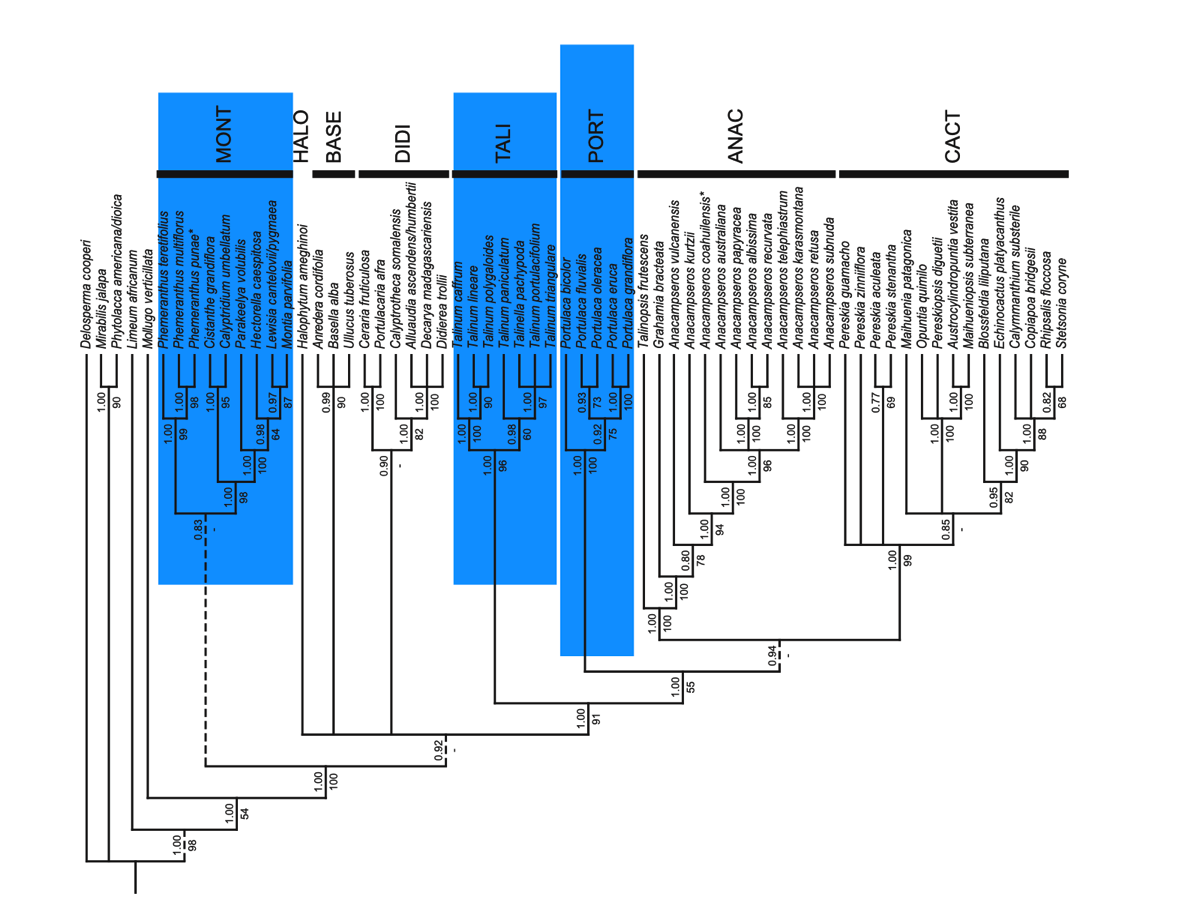
Portulacaceae as historically recognized has been disintegrated into a number of morphologically similar families; the alternative, to preserve monophyly, would be to subsume Cactaceae and some lesser known but long established families into one very large and diverse family. For our regional flora, there are three families containing “portulacoid” diversity: Portulacaceae s.s. that includes only the genus Portulaca; Talinaceae, that includes the genus Talinum, and Montiaceae, that includes the rest of our regional diversity. See Nyffeler & Eggli, 2010, Taxon 59: 227–240 for additional details.
Key Features
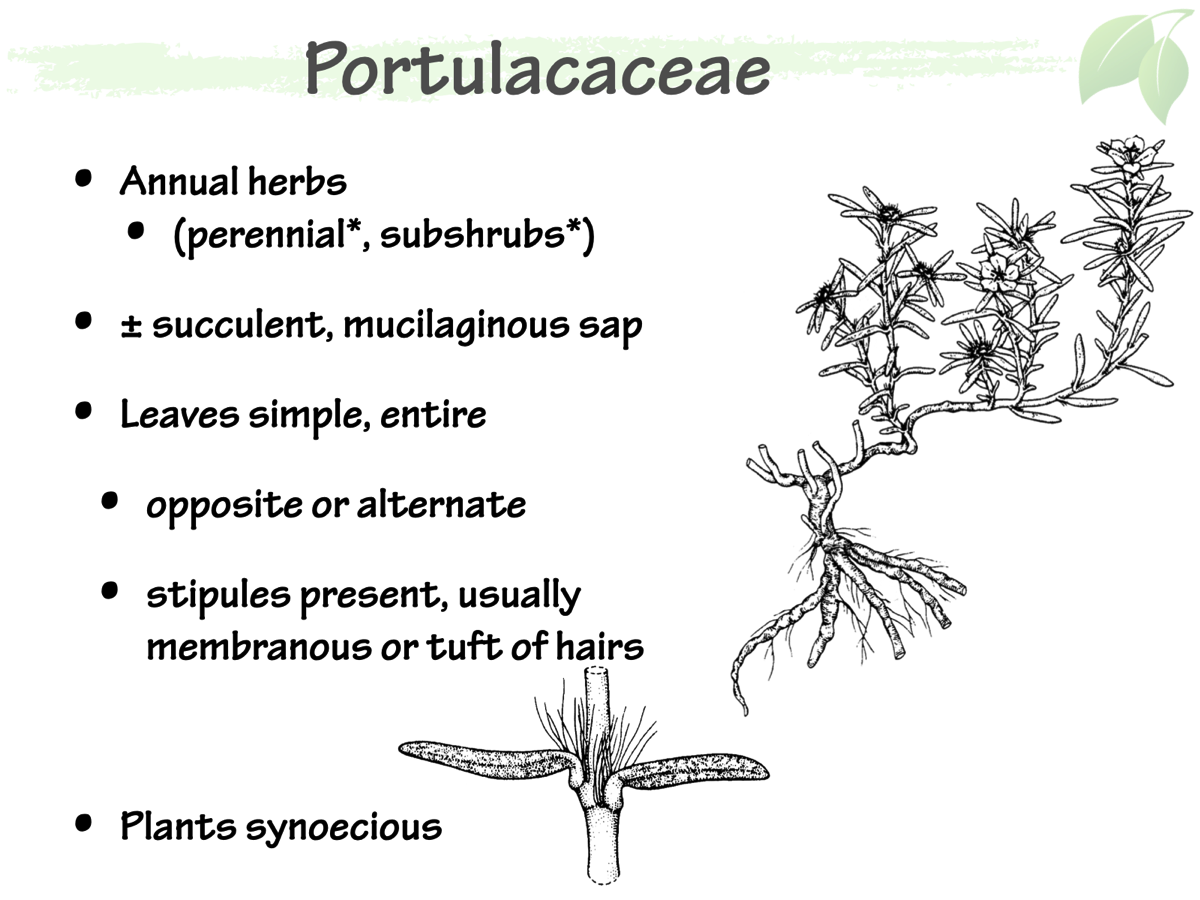
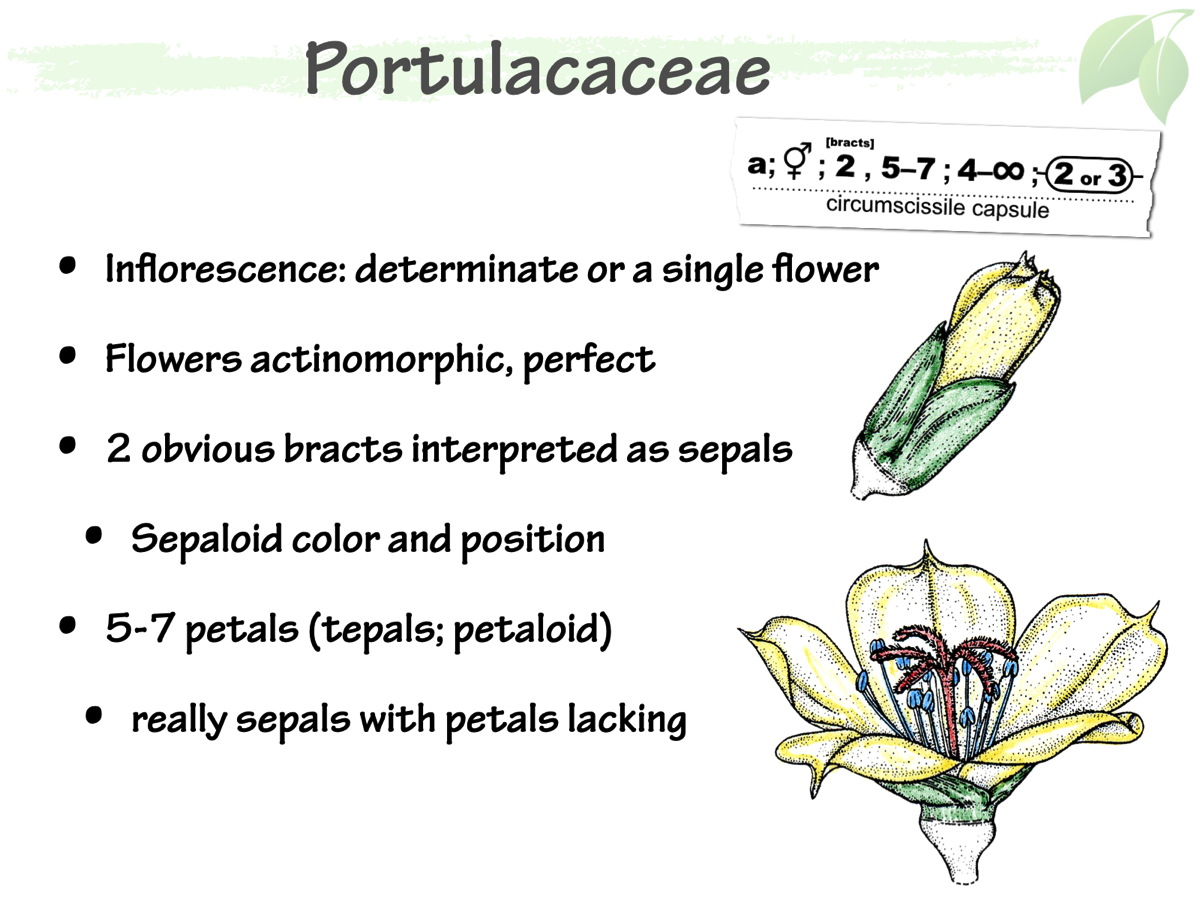
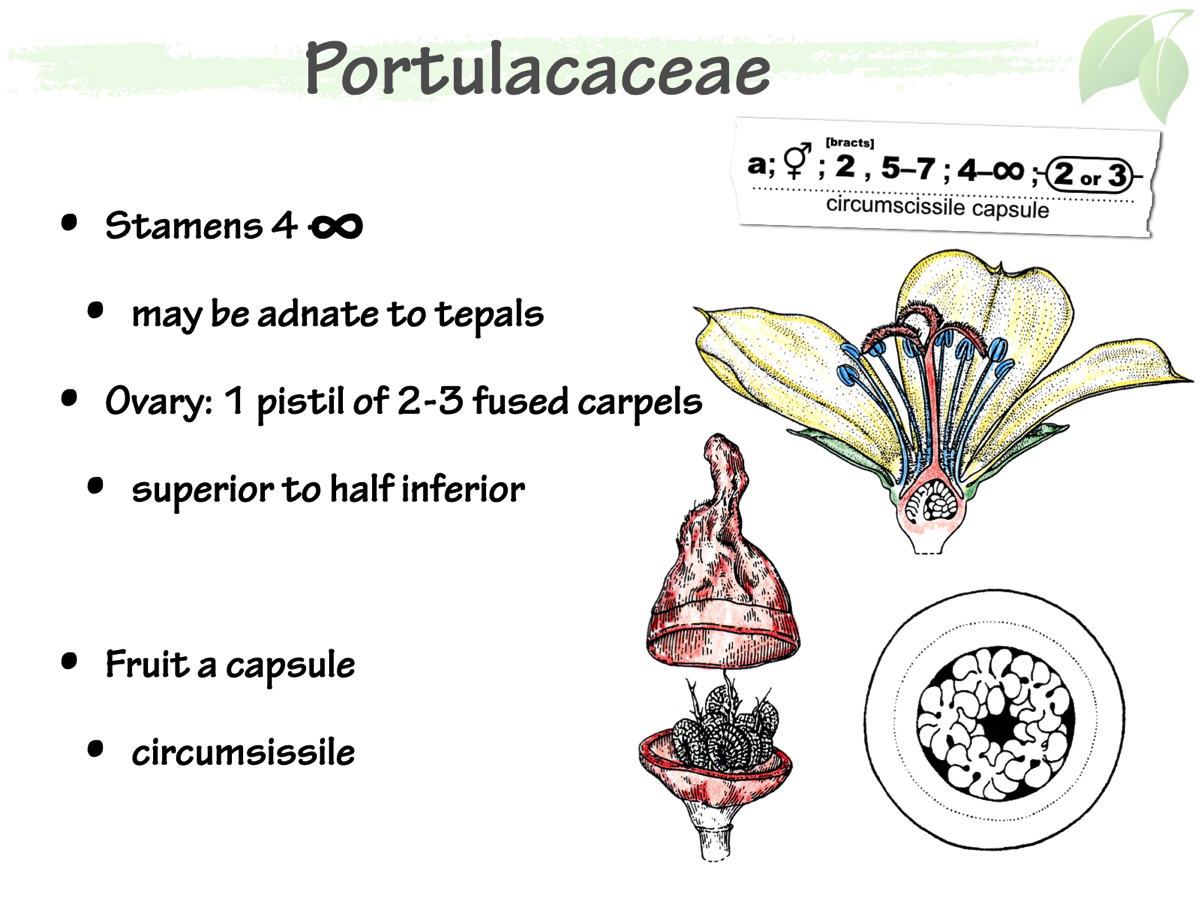
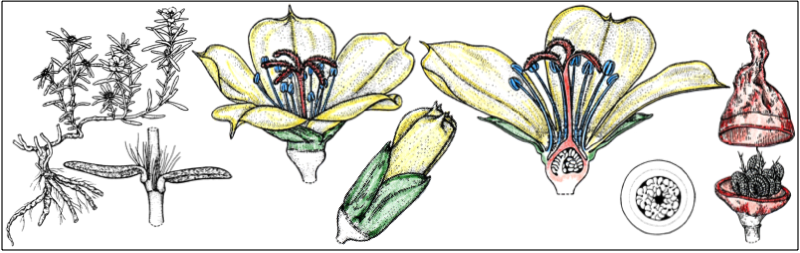
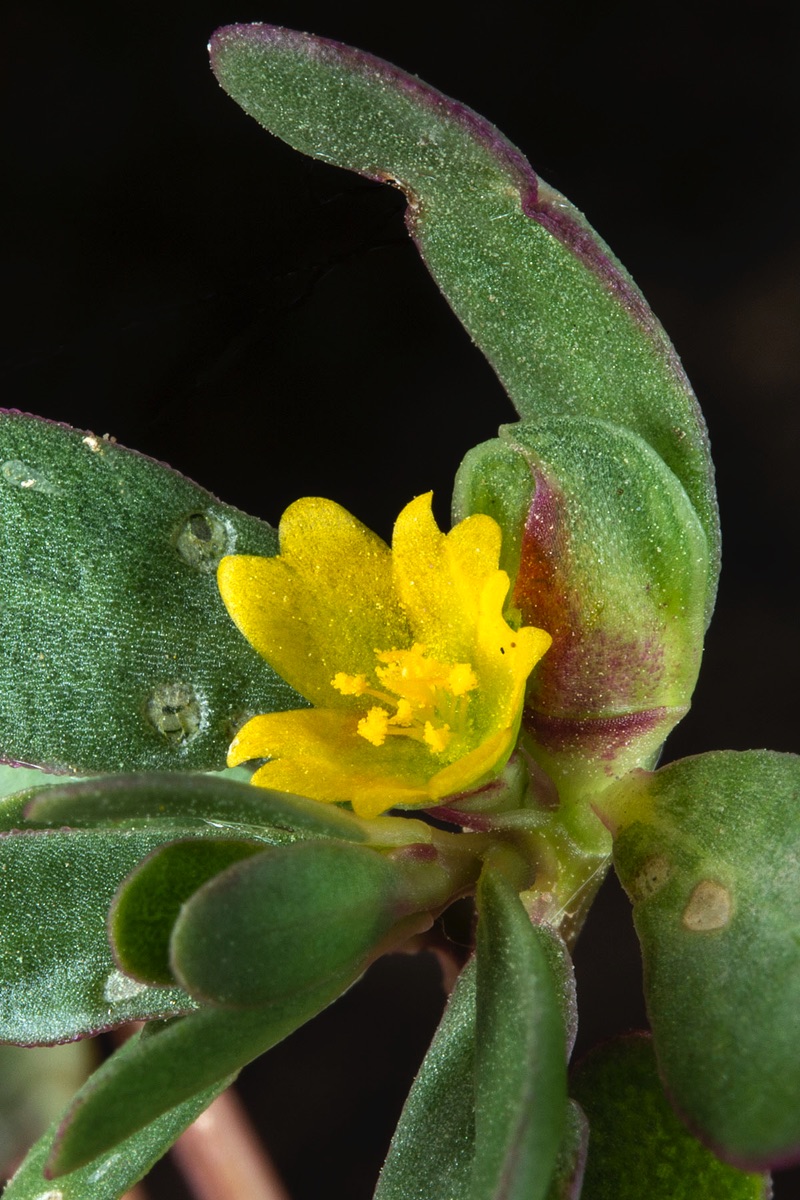
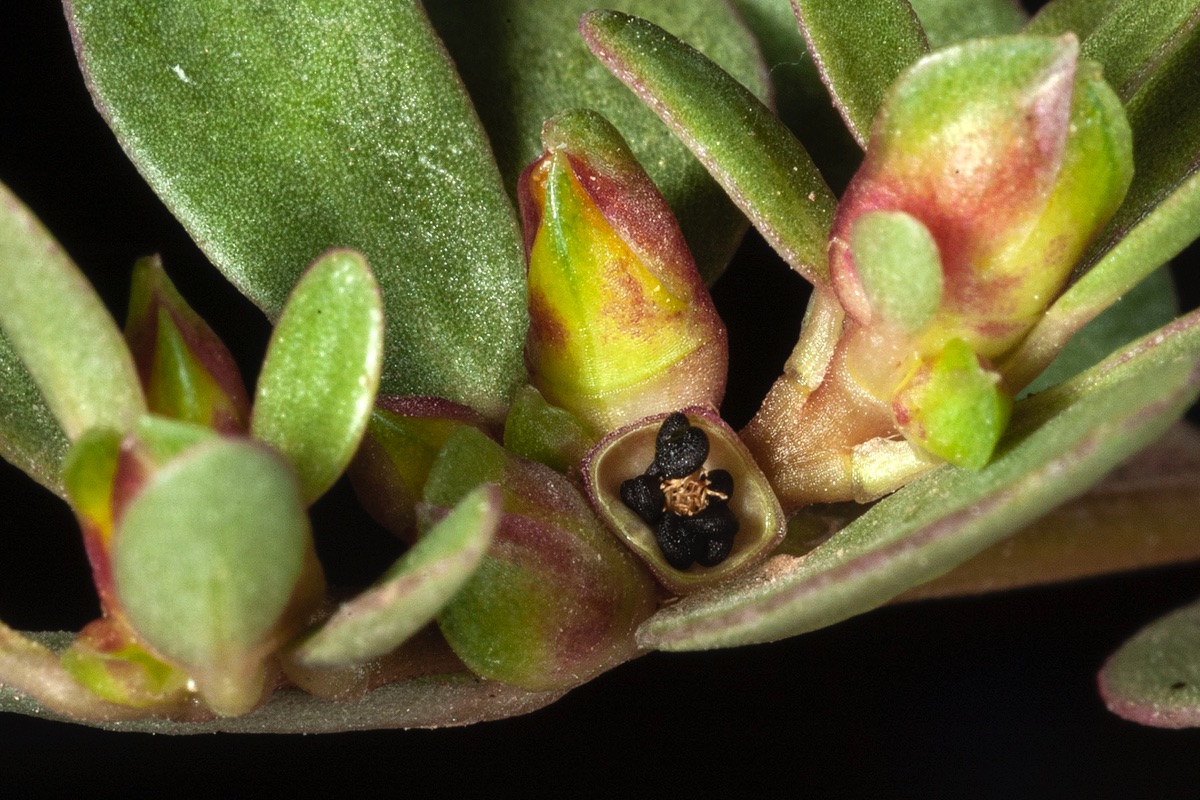
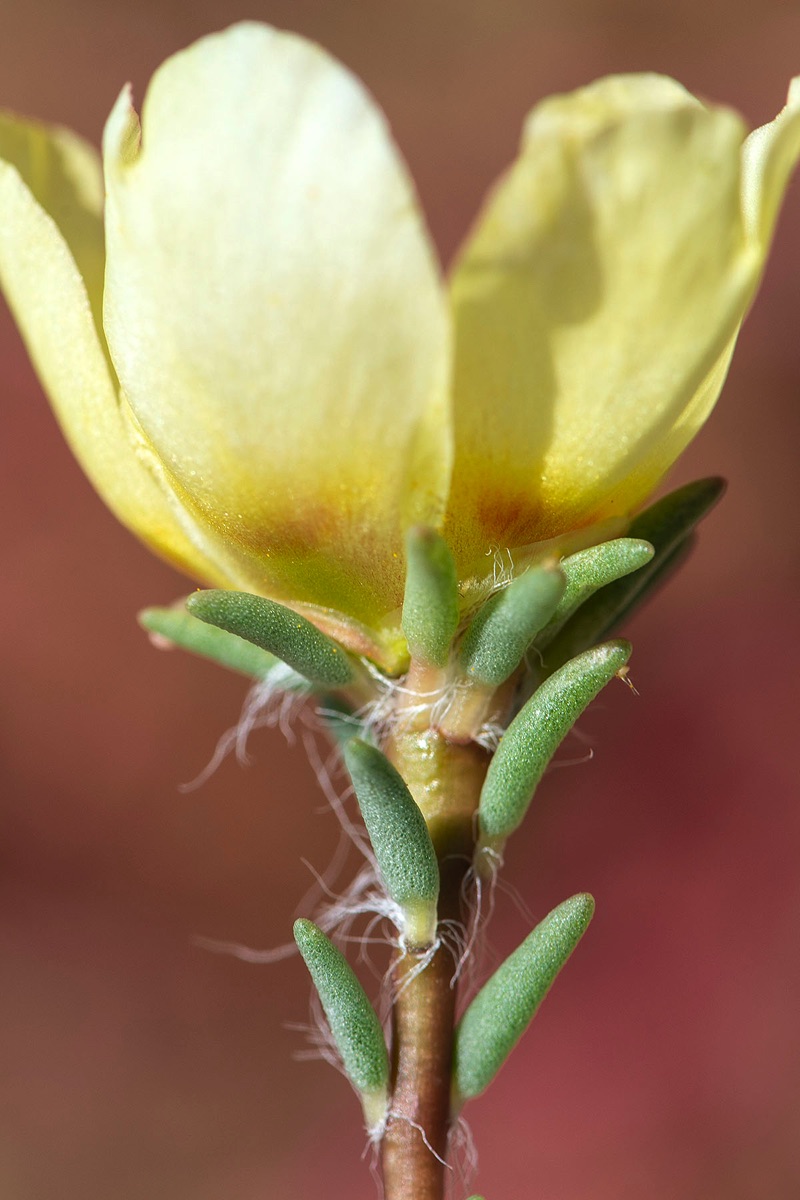
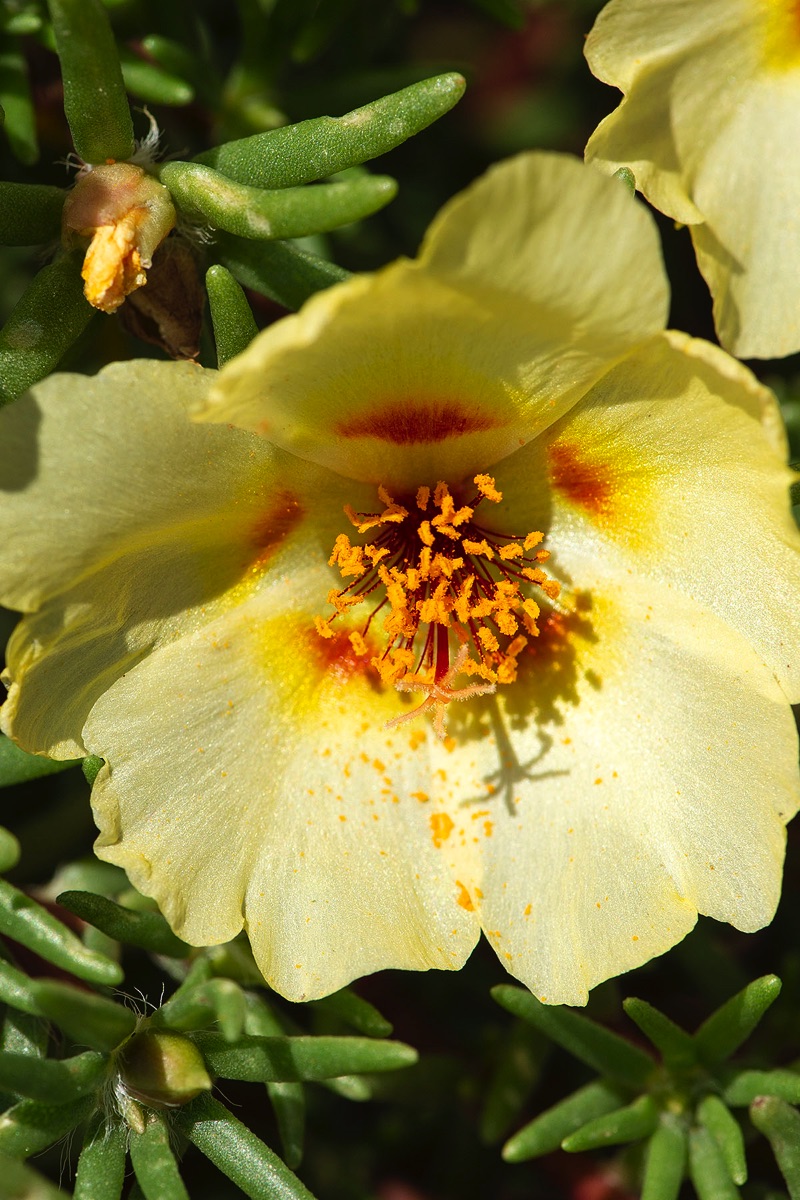
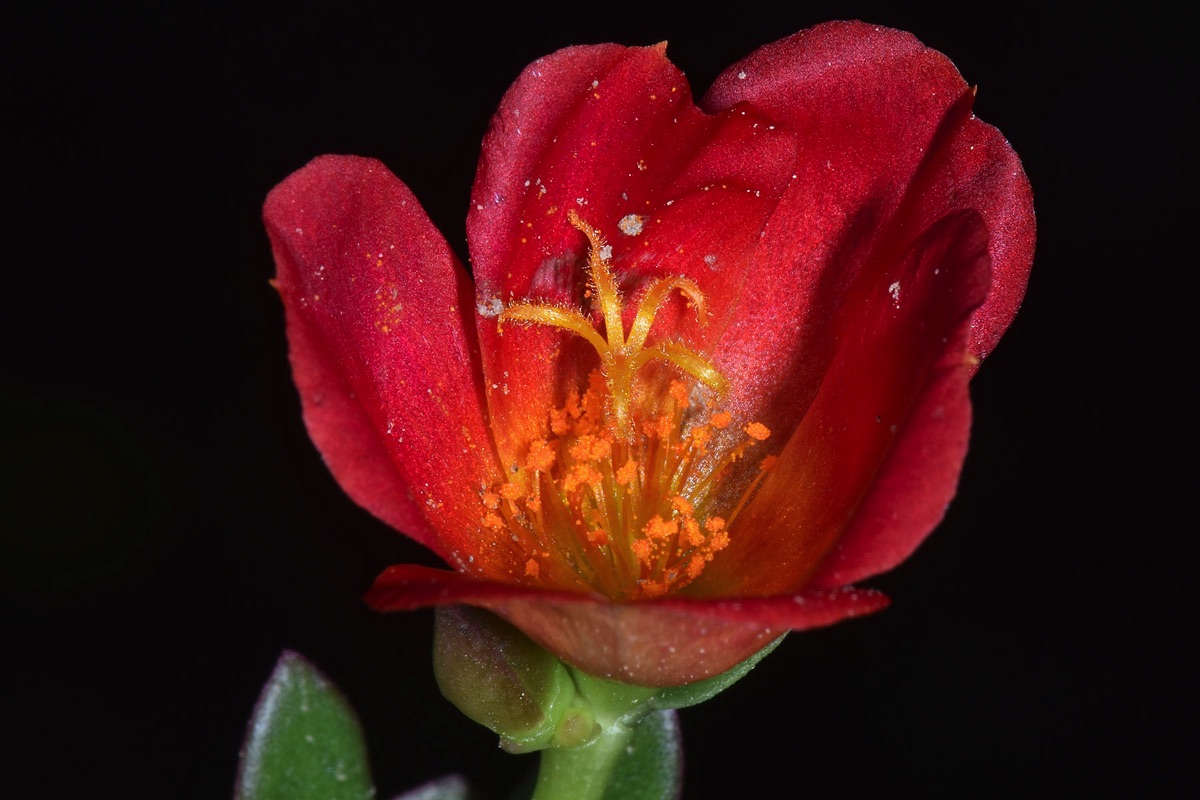
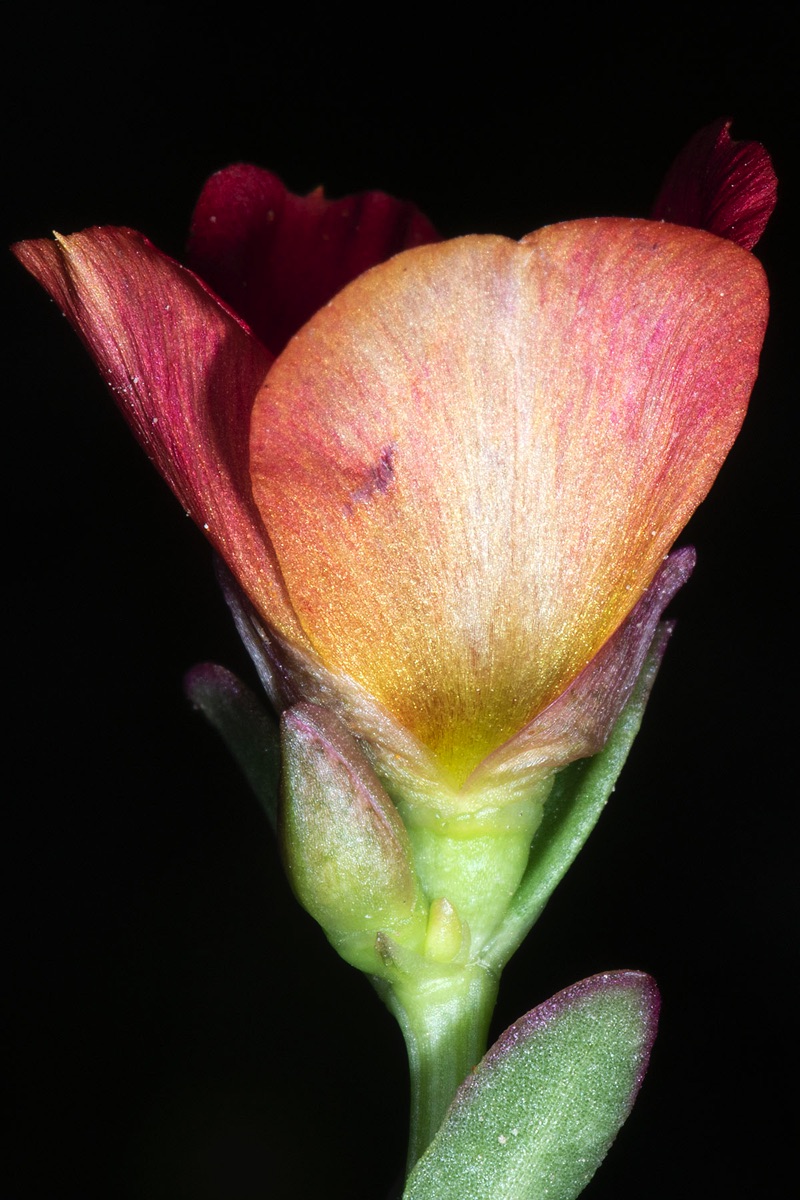
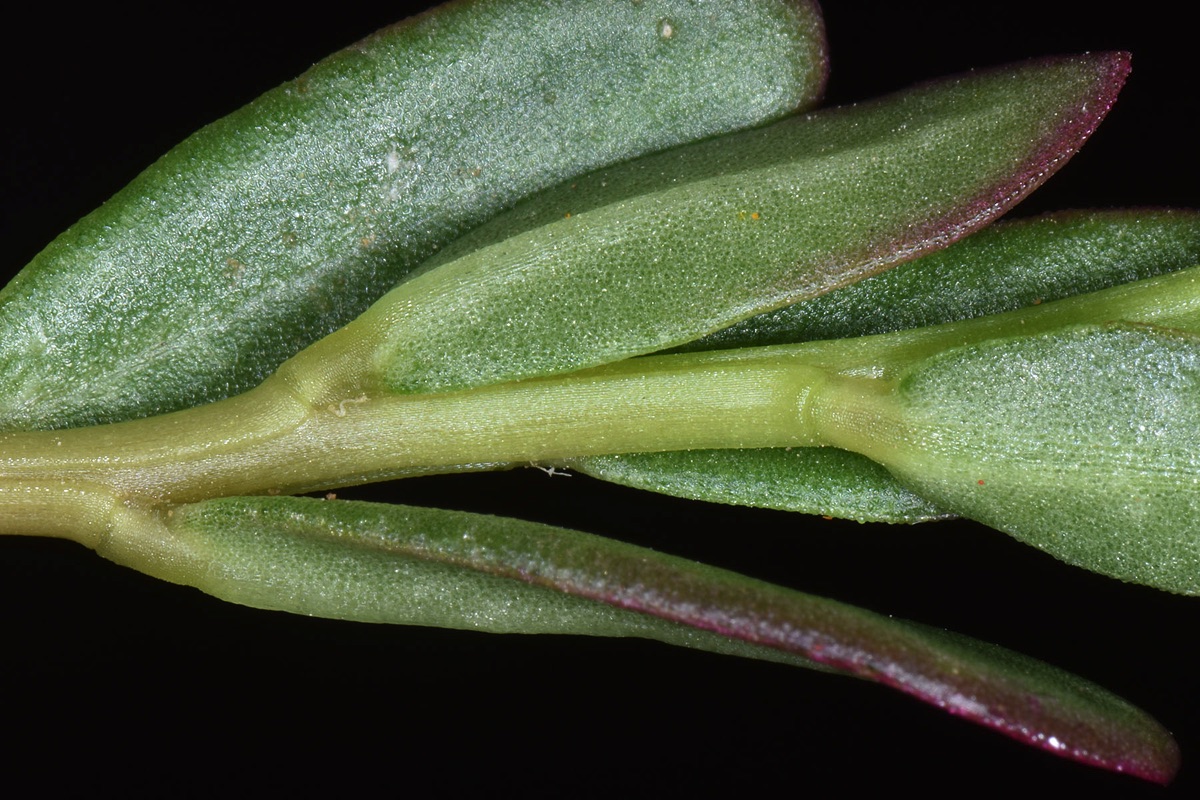
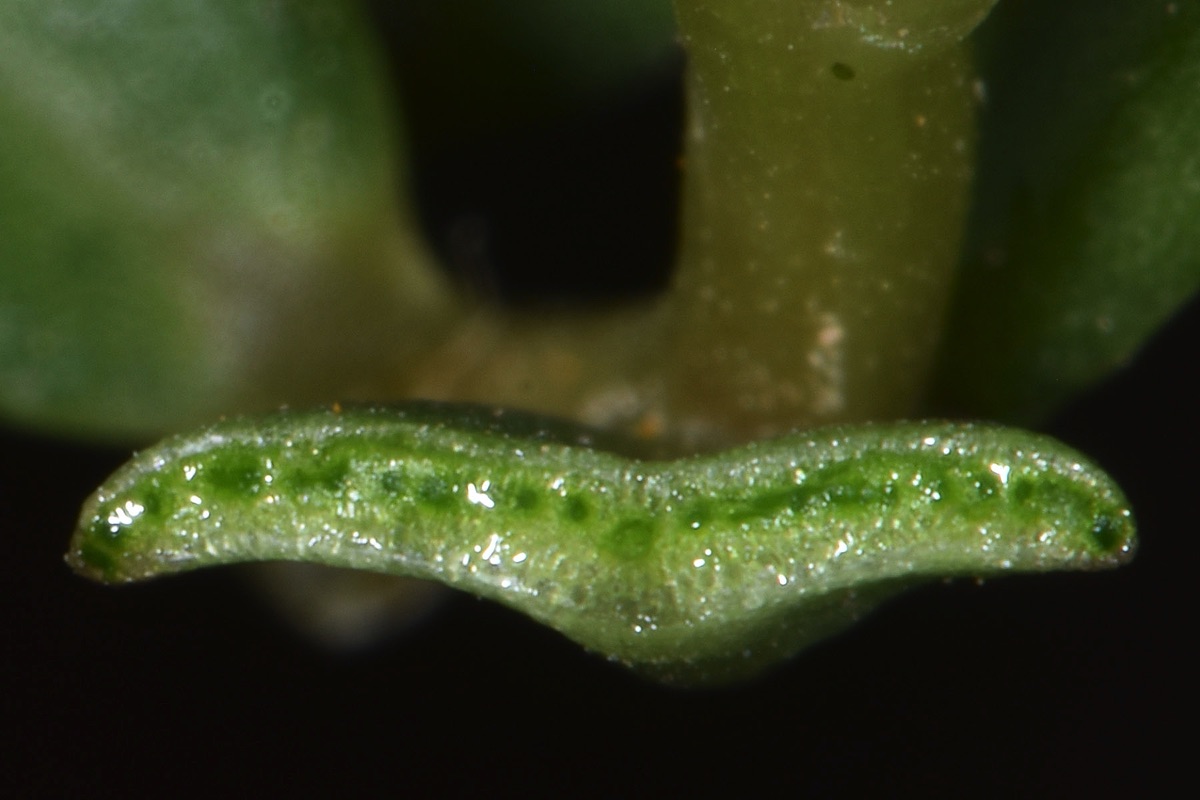
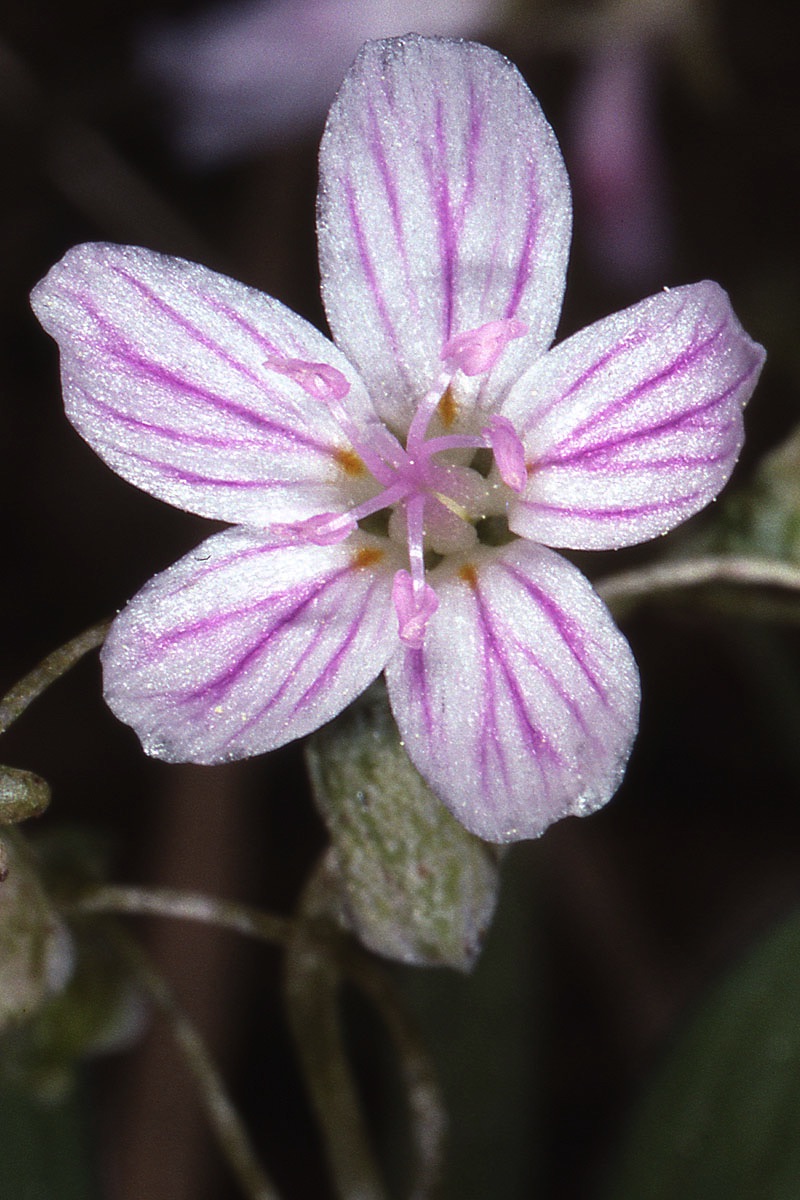
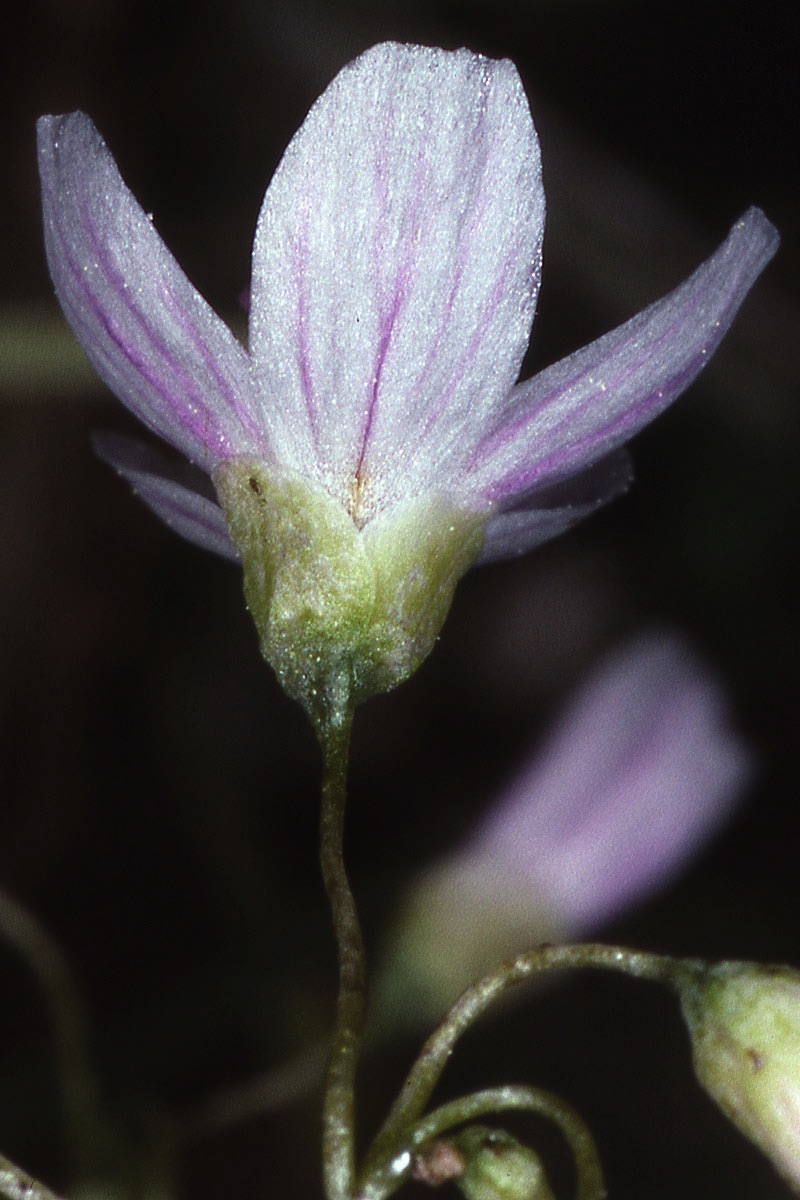
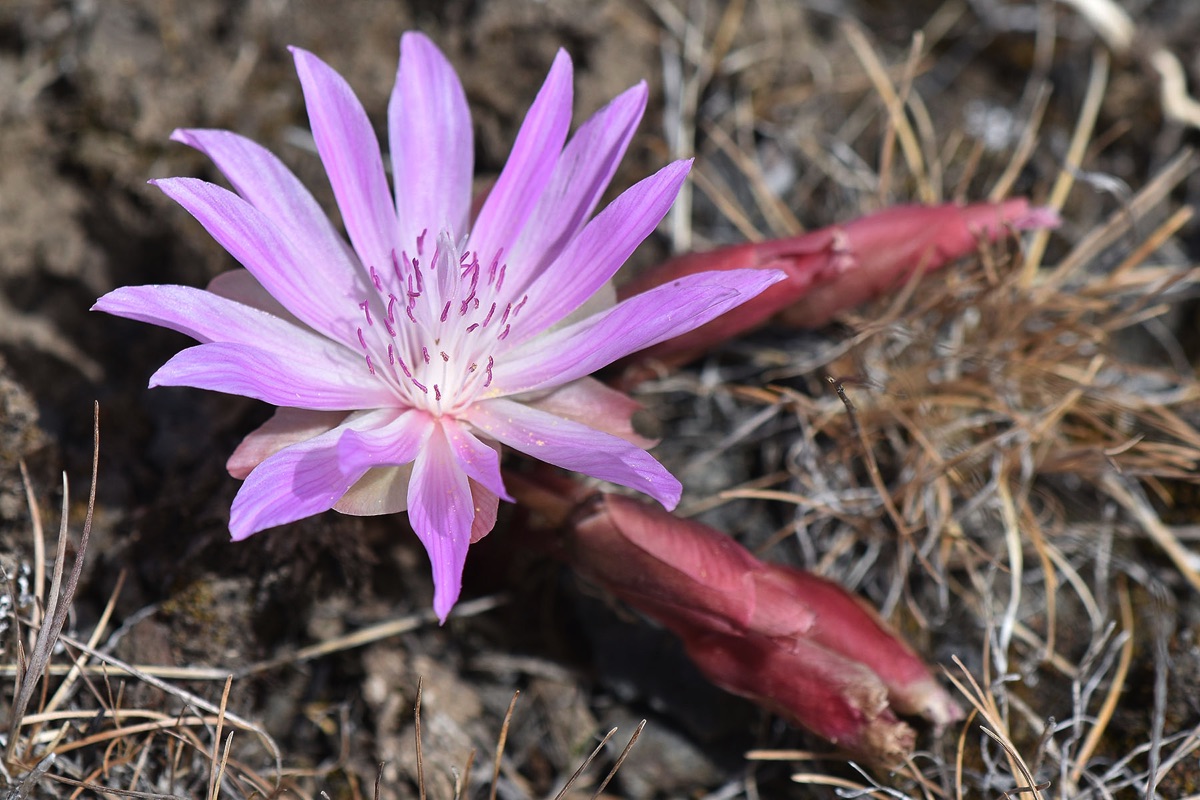
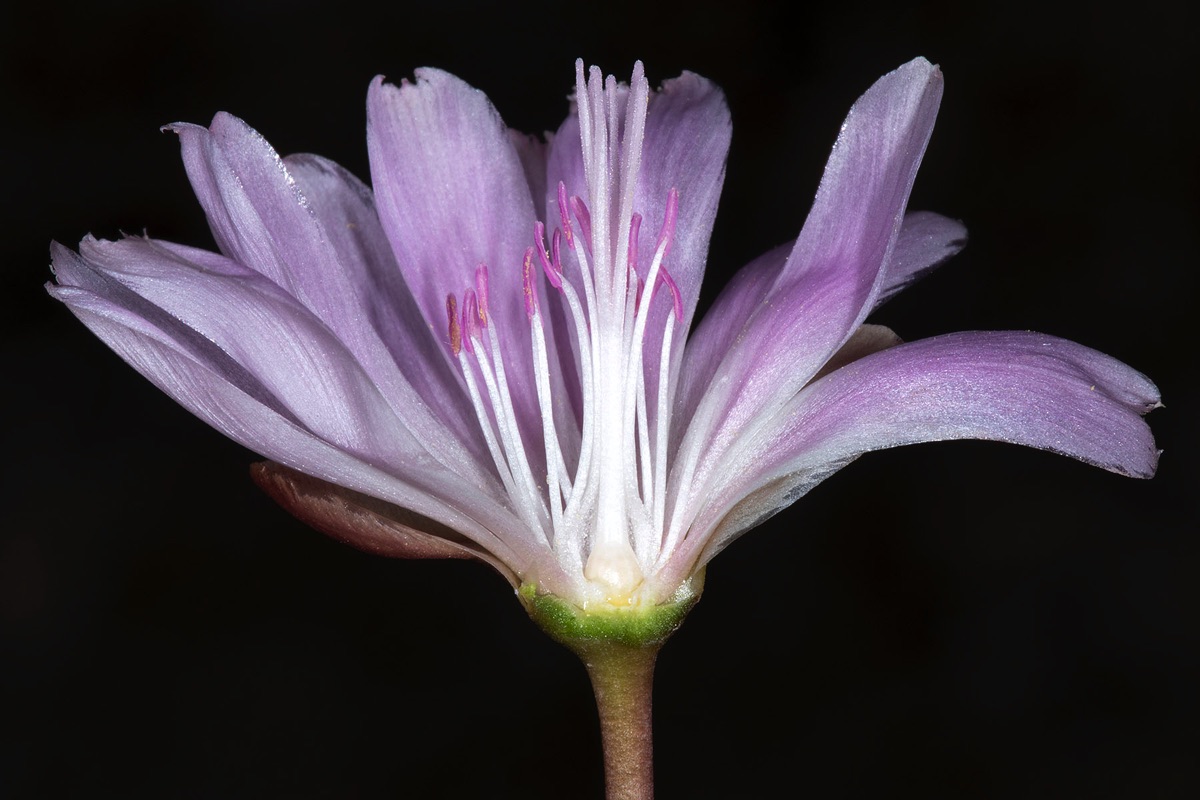
Our regional portulacoid species are more or less less succulent herbs with mucilagenous (sticky) sap and typically flowers with 4–6 “petals” and 2 “sepals”. Developmental work shows that the sepals are bracts, the petals are sepals, and true petals are lacking -- but most identification keys will focus on what the typical person would see and interpret, which is 2 sepals (sometimes more) + 4–6 (or more) petals. Ovaries are mostly superior, and the stamen bases are often united to the petals.
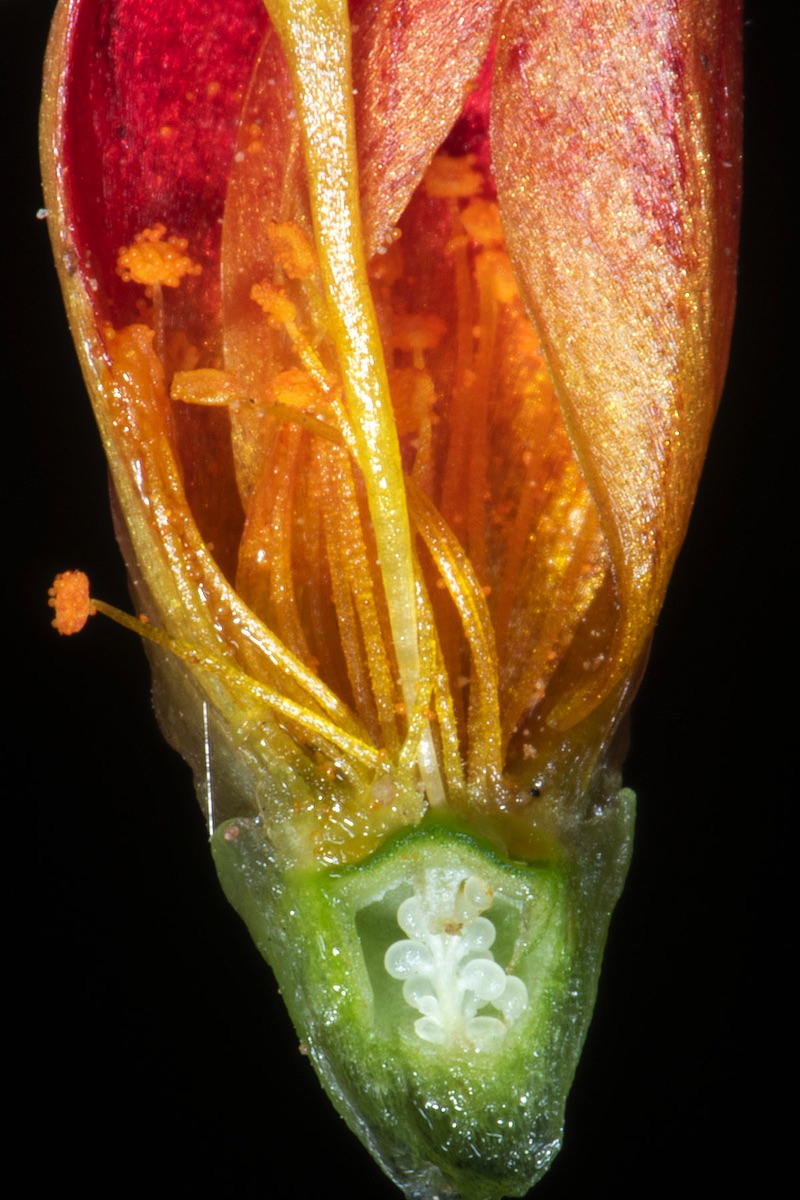
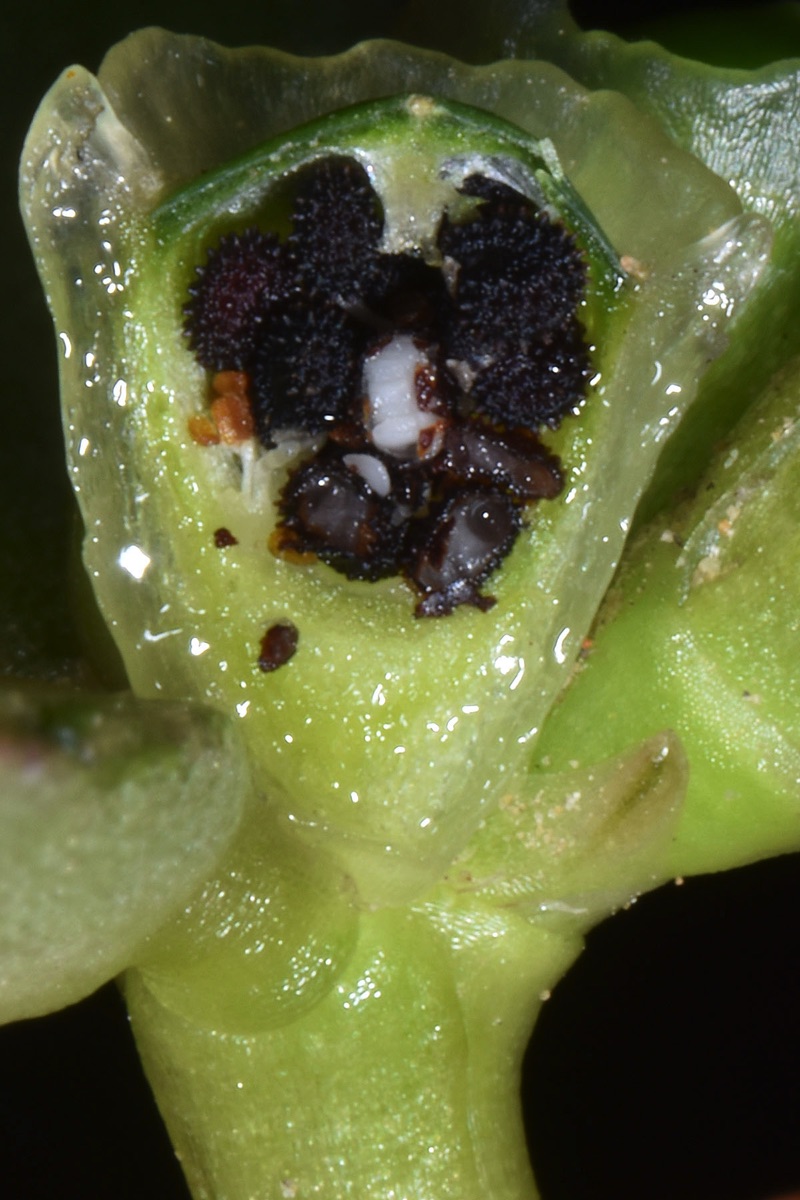
Segregate Family characteristics (appying to our regional diversity)
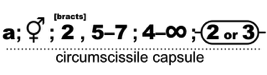
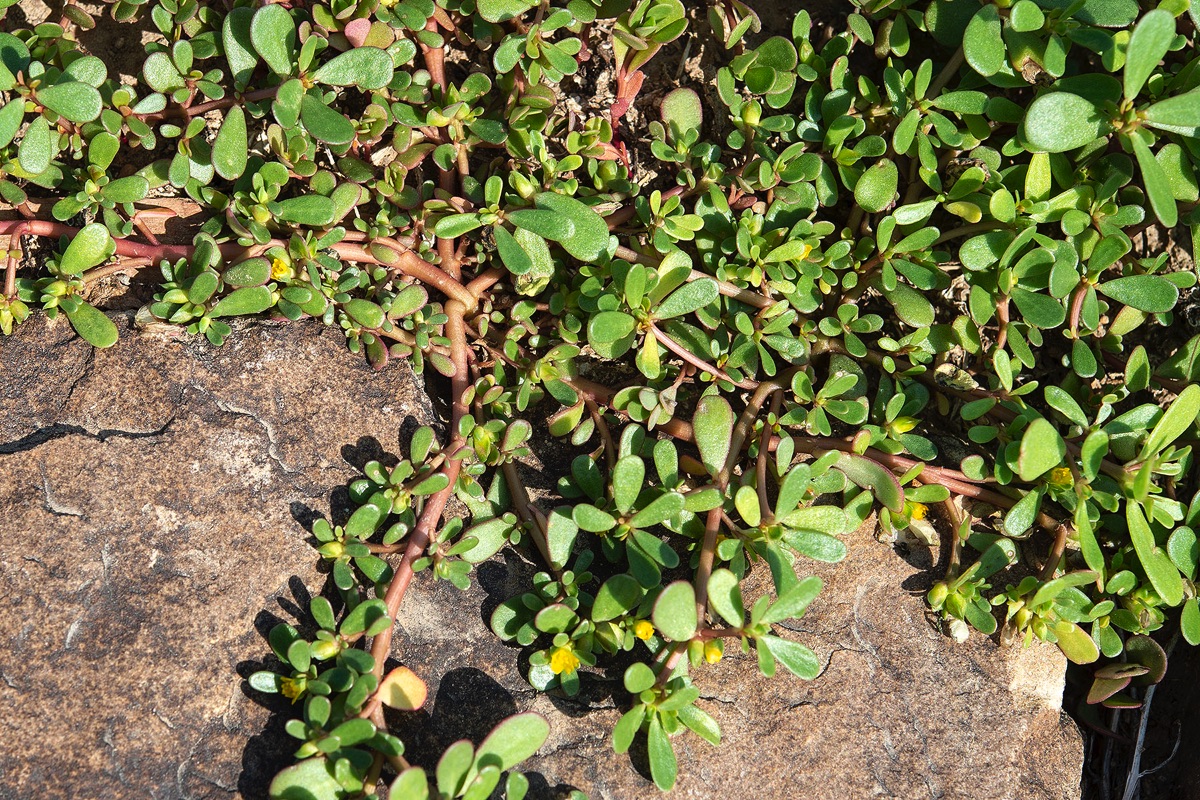
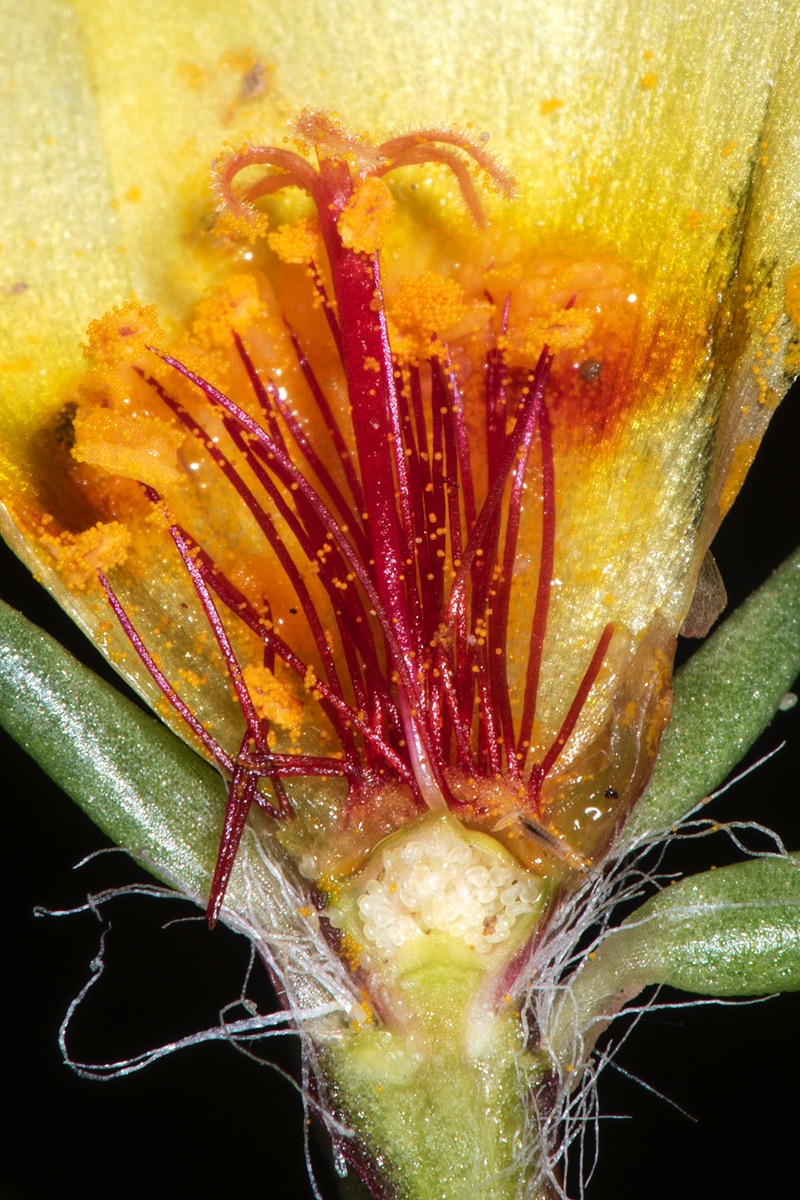
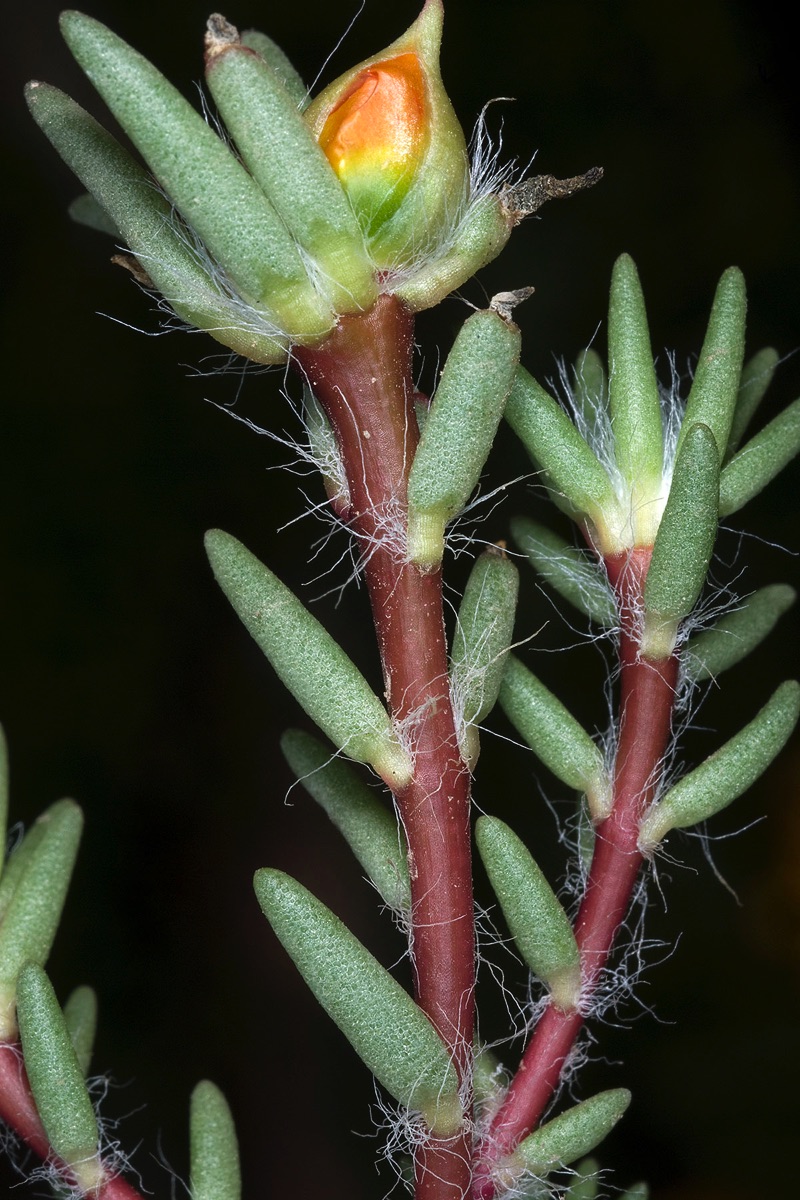
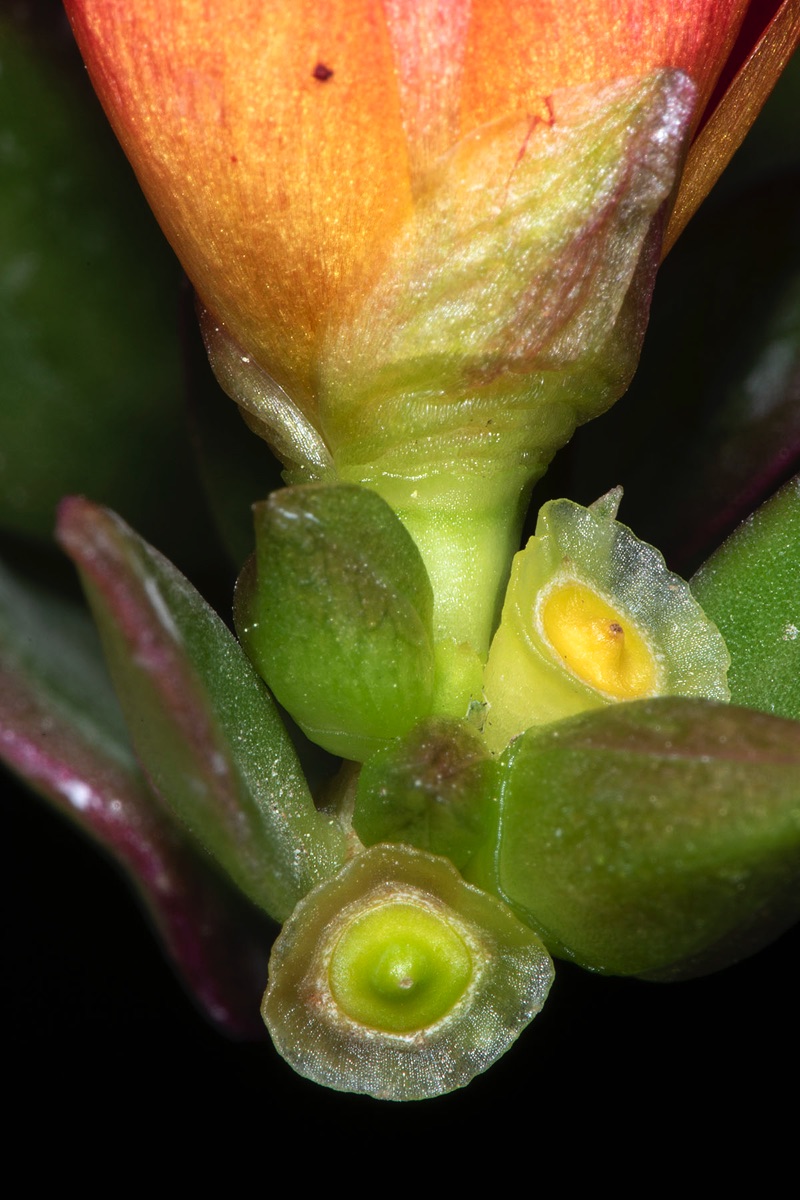
Portulacaceae s.s. capsule circumscissile, 2 “sepals” fused at base and adherent to ovary
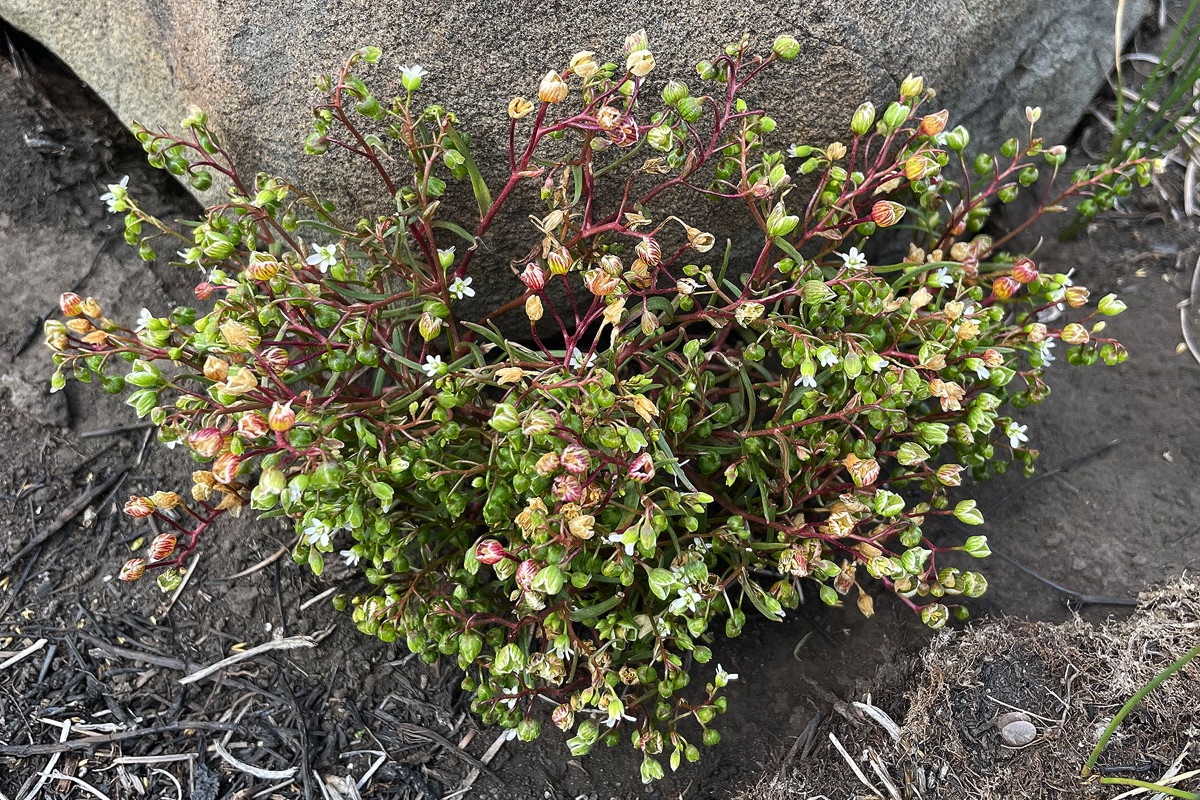
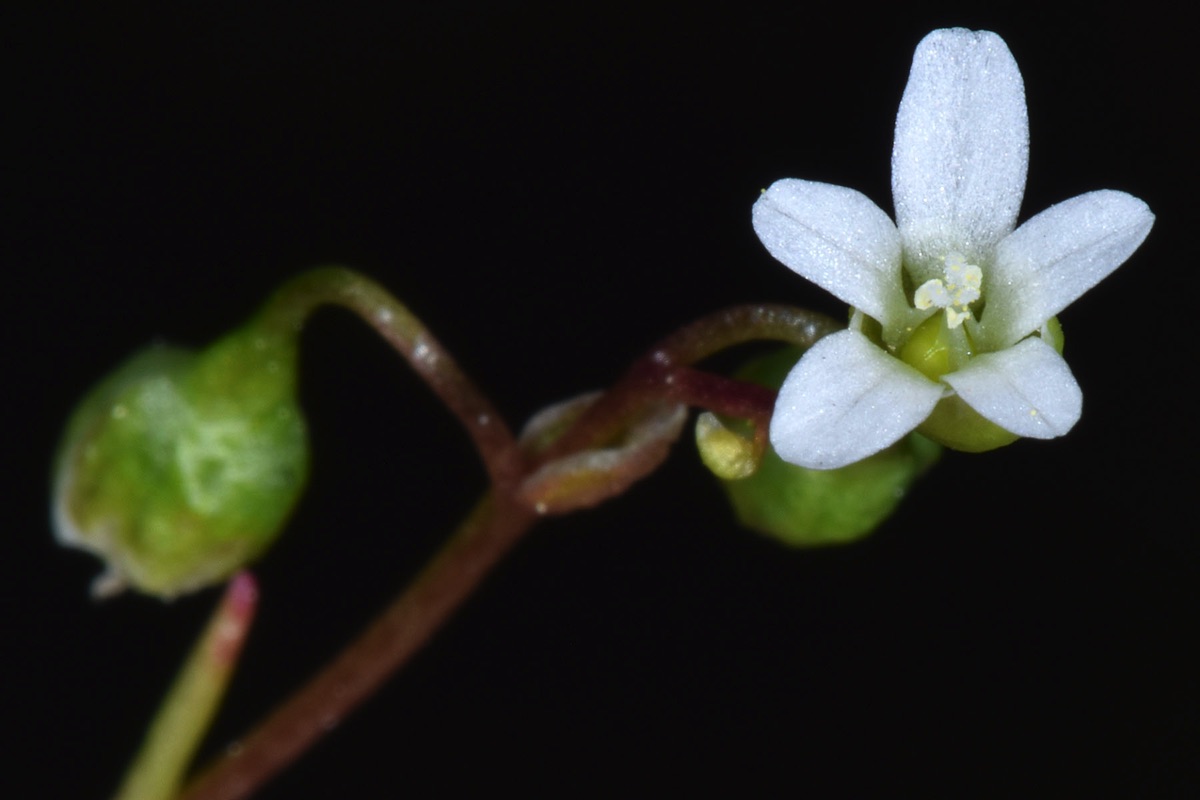
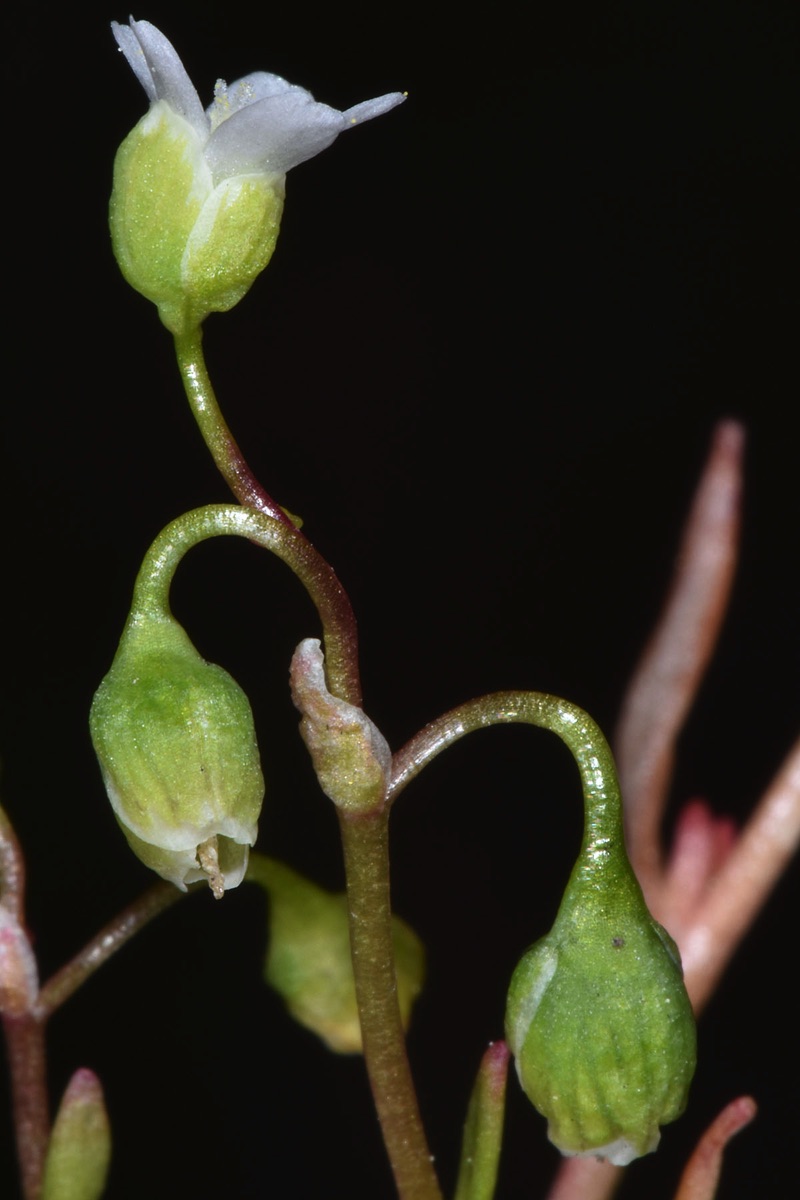
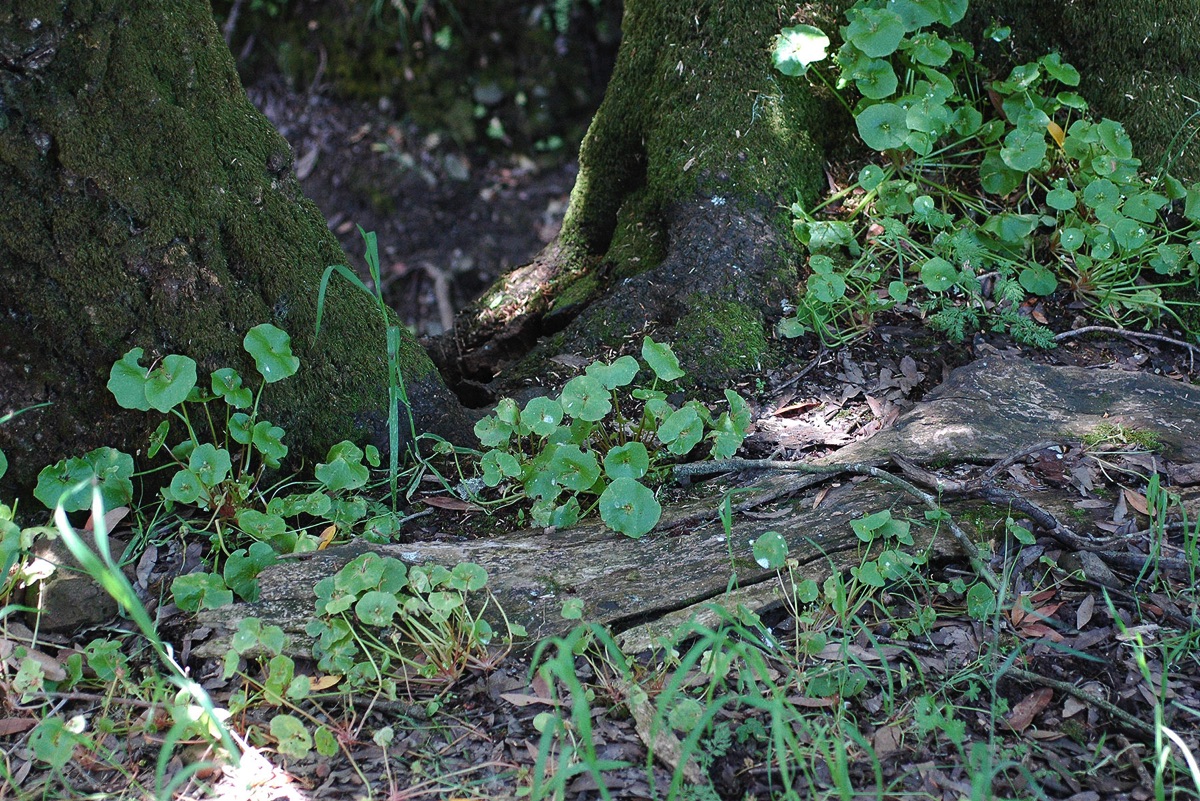
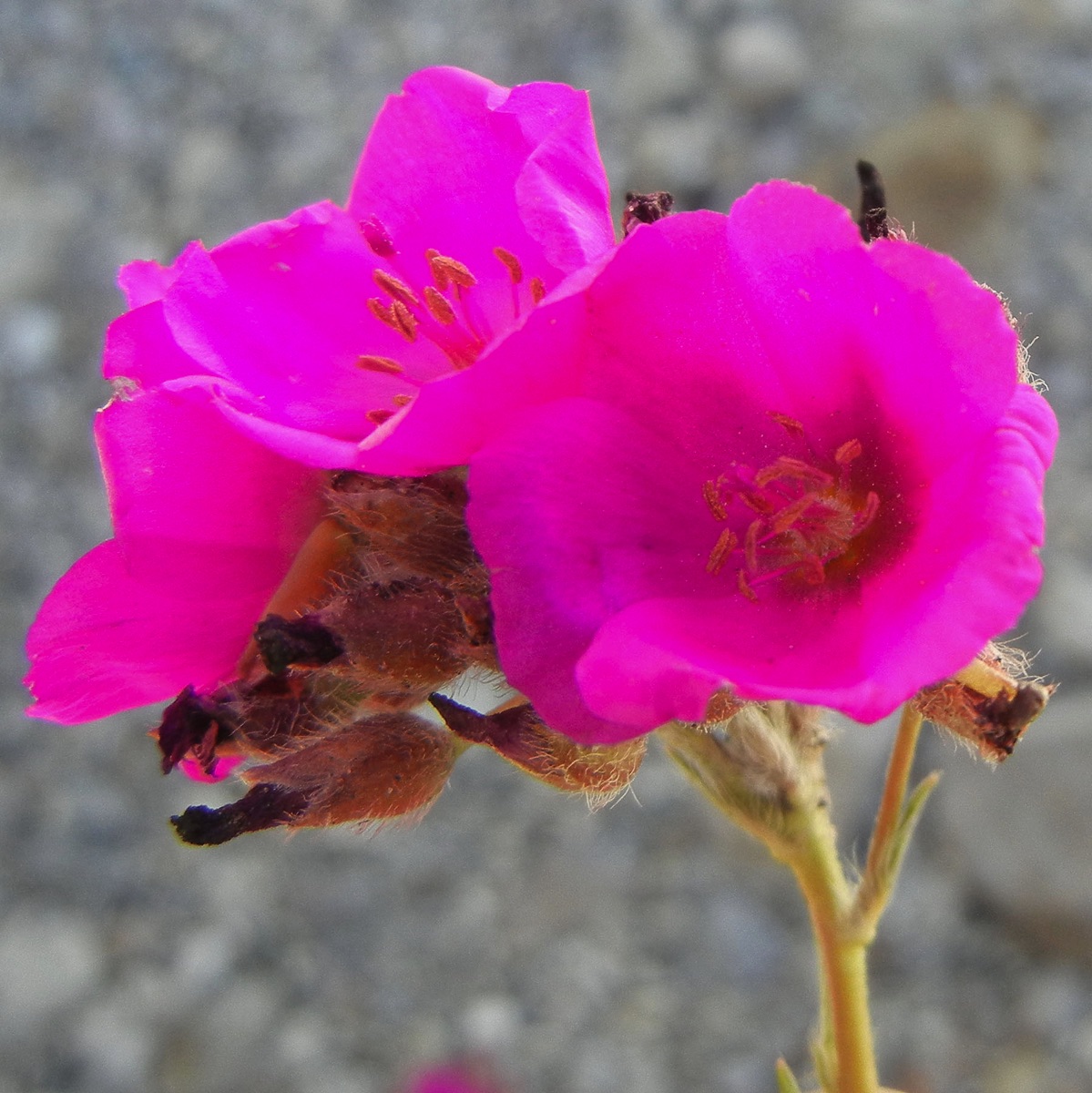
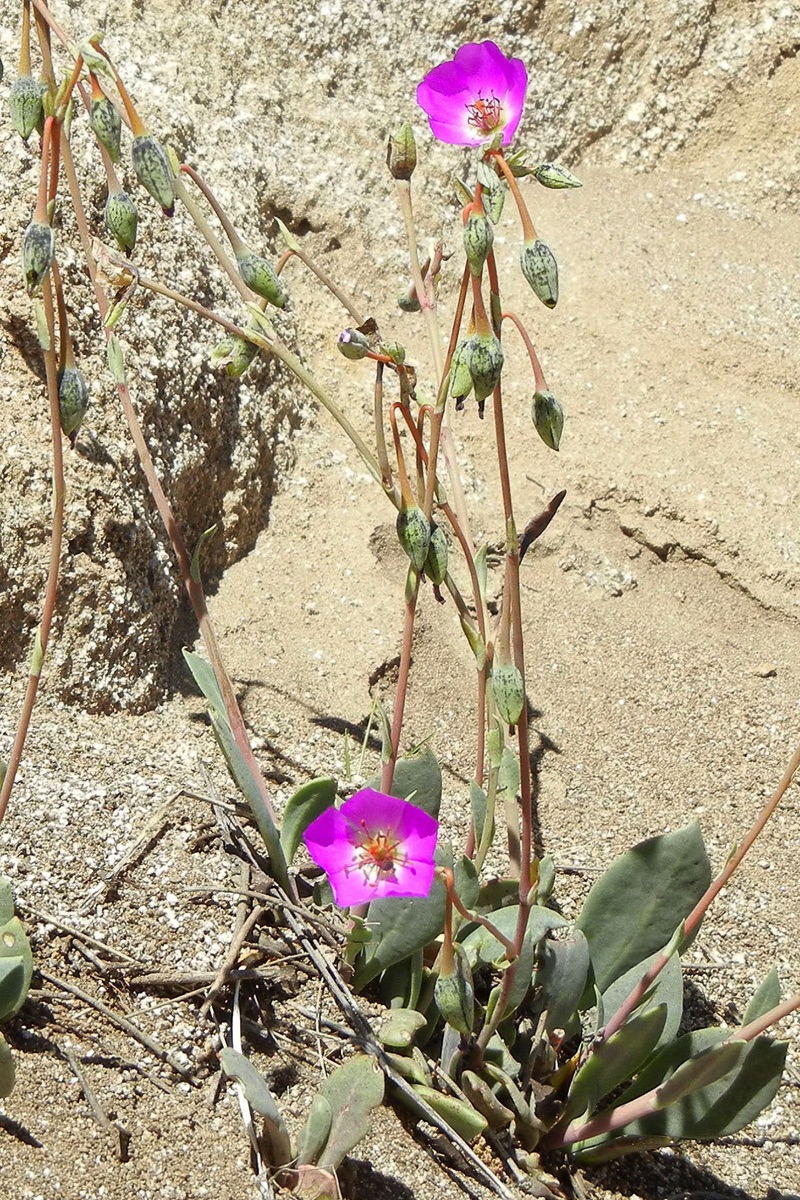
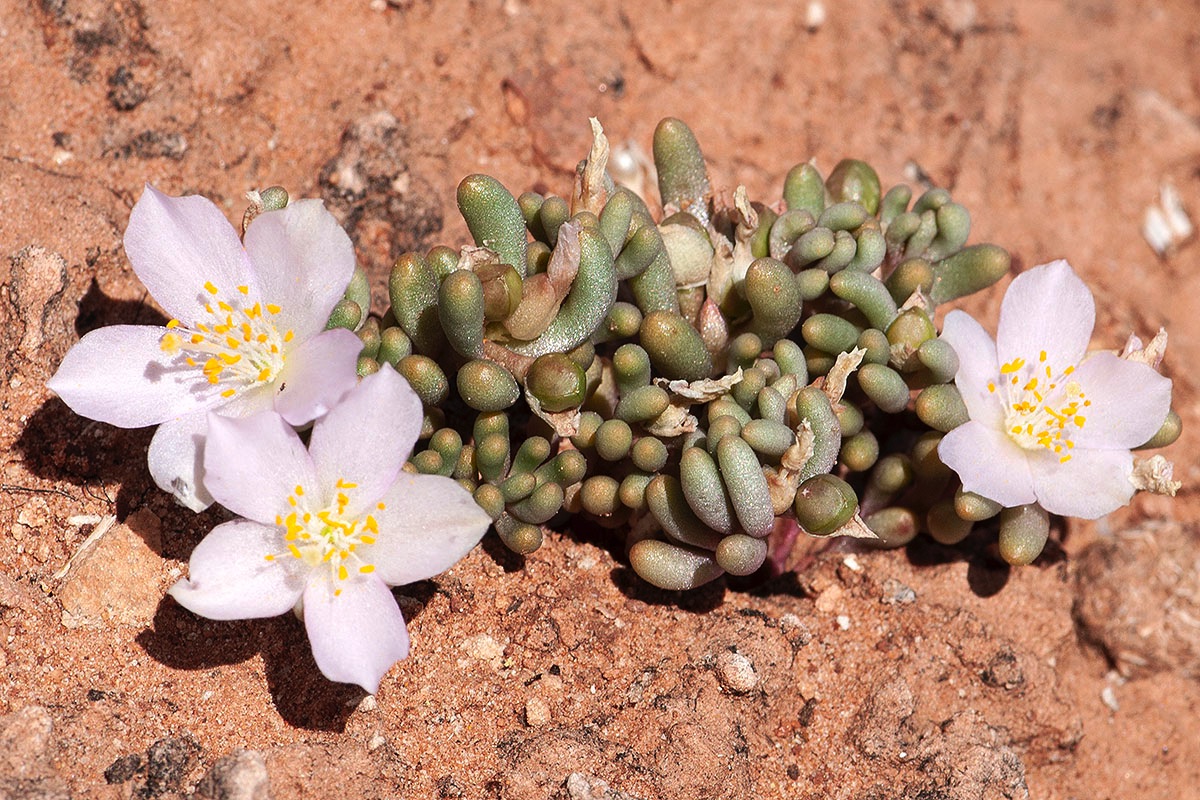
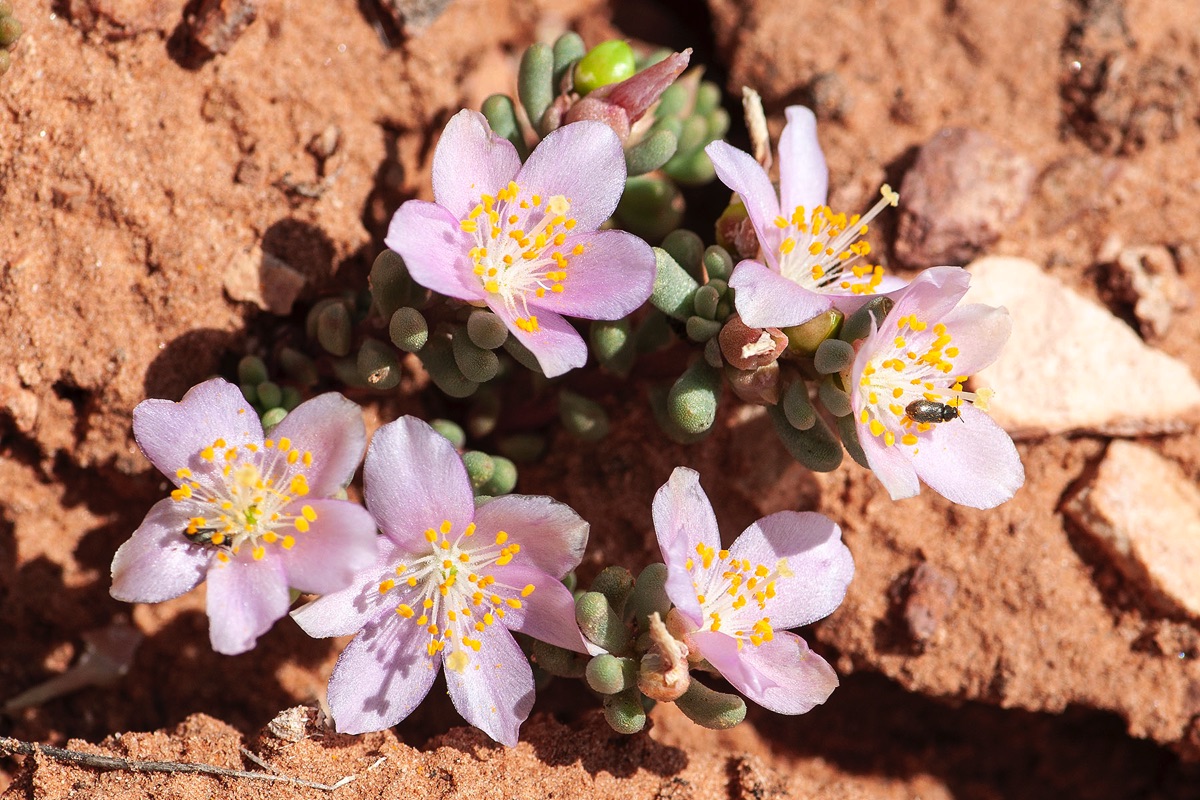
Montiaceae capsule circumscissile and “sepals” free from each other, usually more than 2, or capsule 2–3 valved, but “sepals” persistent, plants annual or perennial.
Talinaceae: capsule 2–3 valved, “sepals” deciduous, plants perennial.
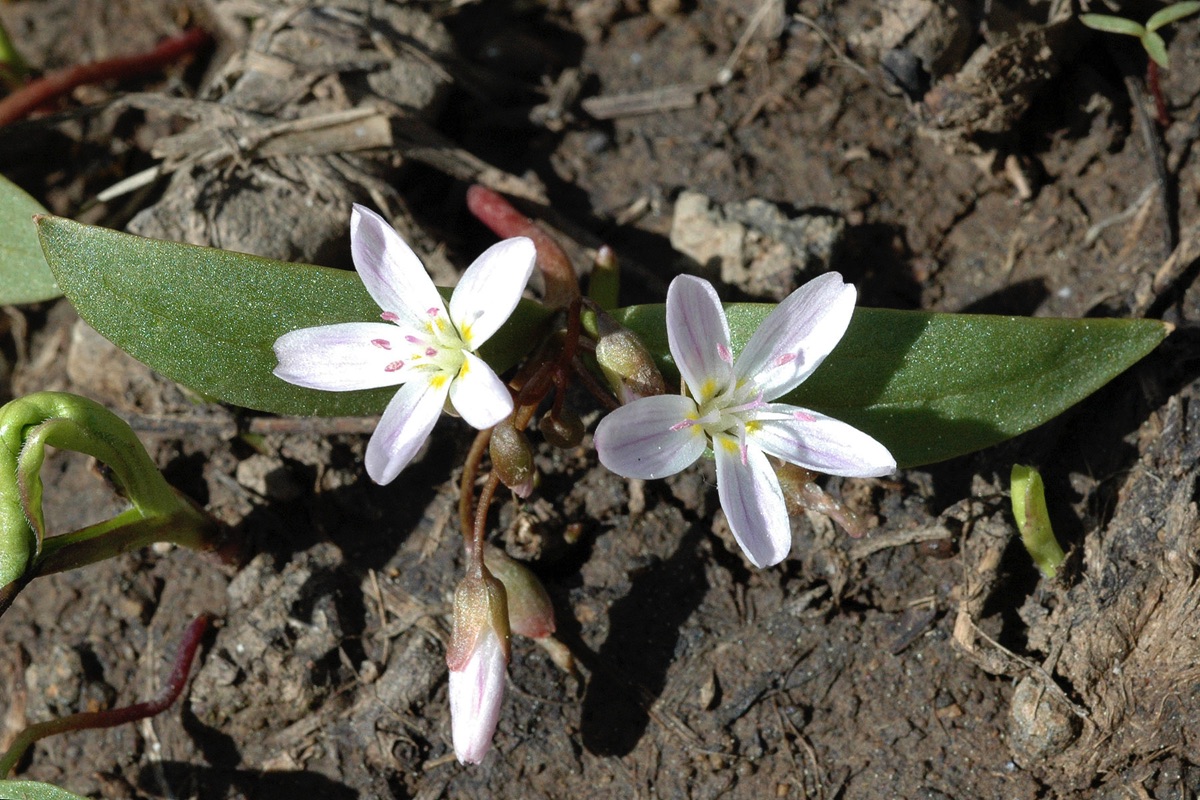
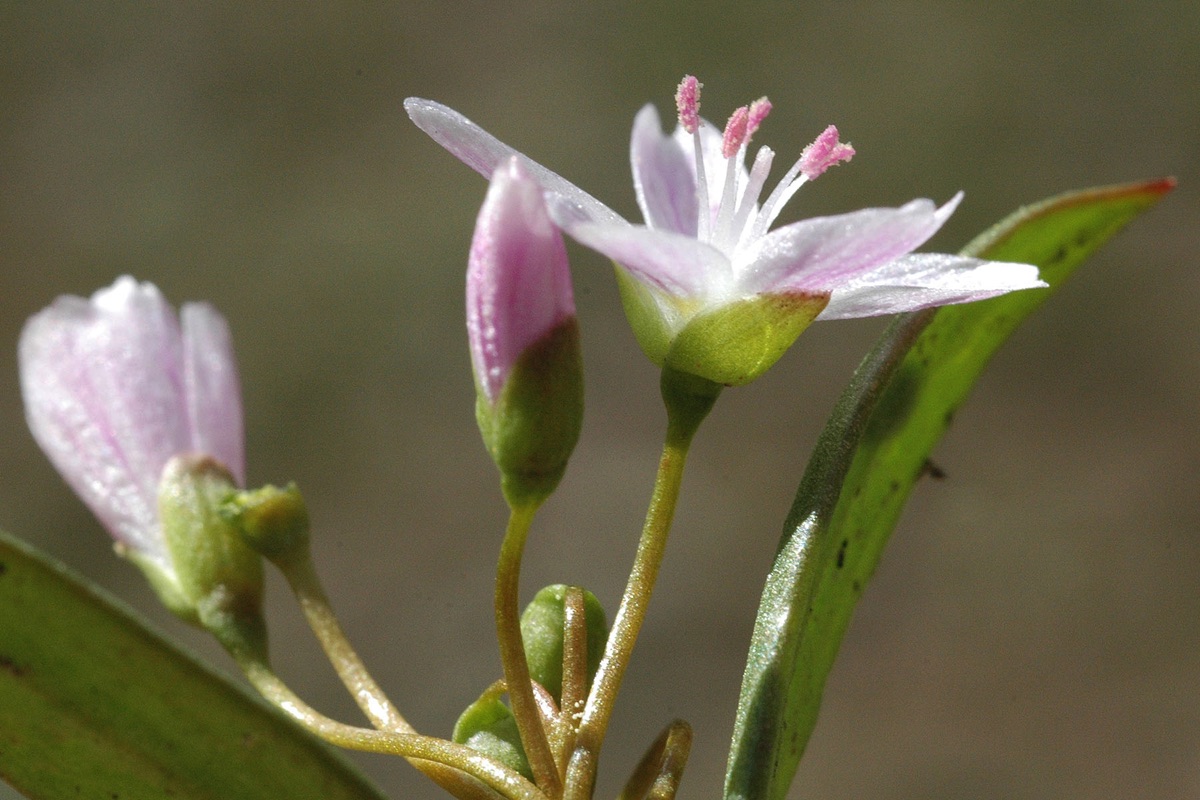
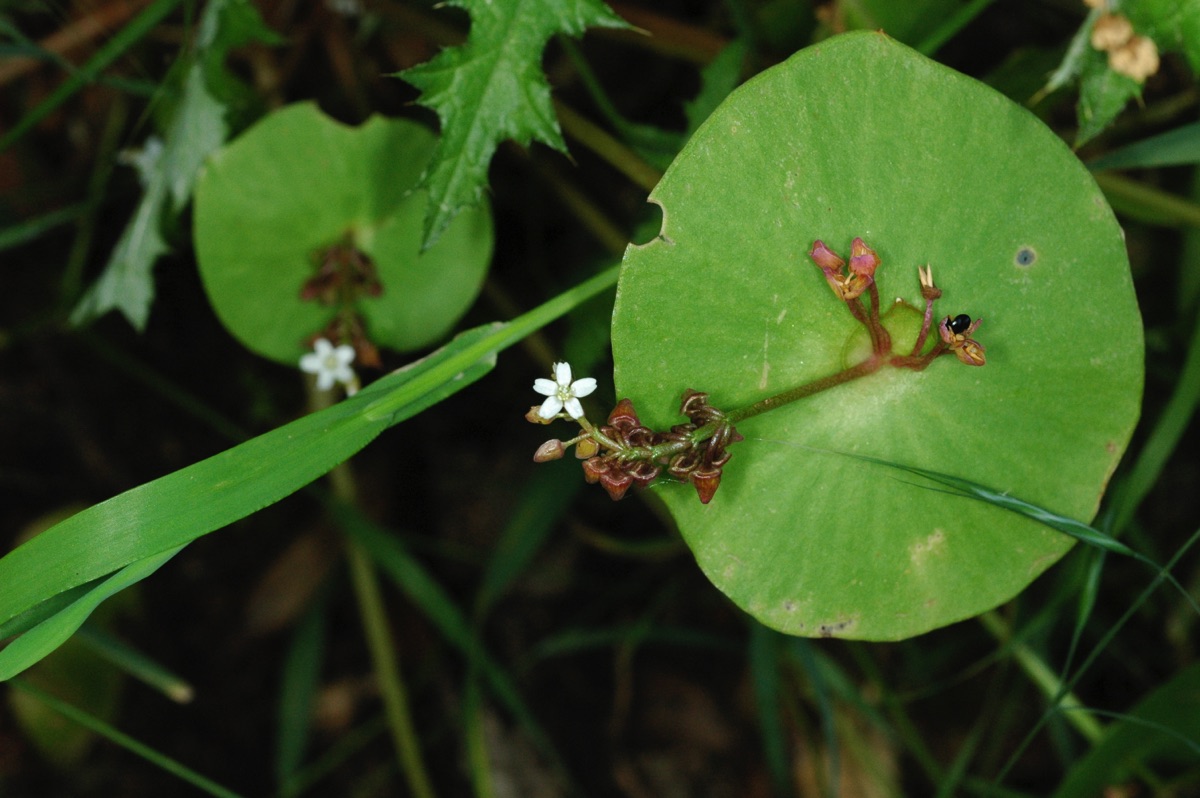
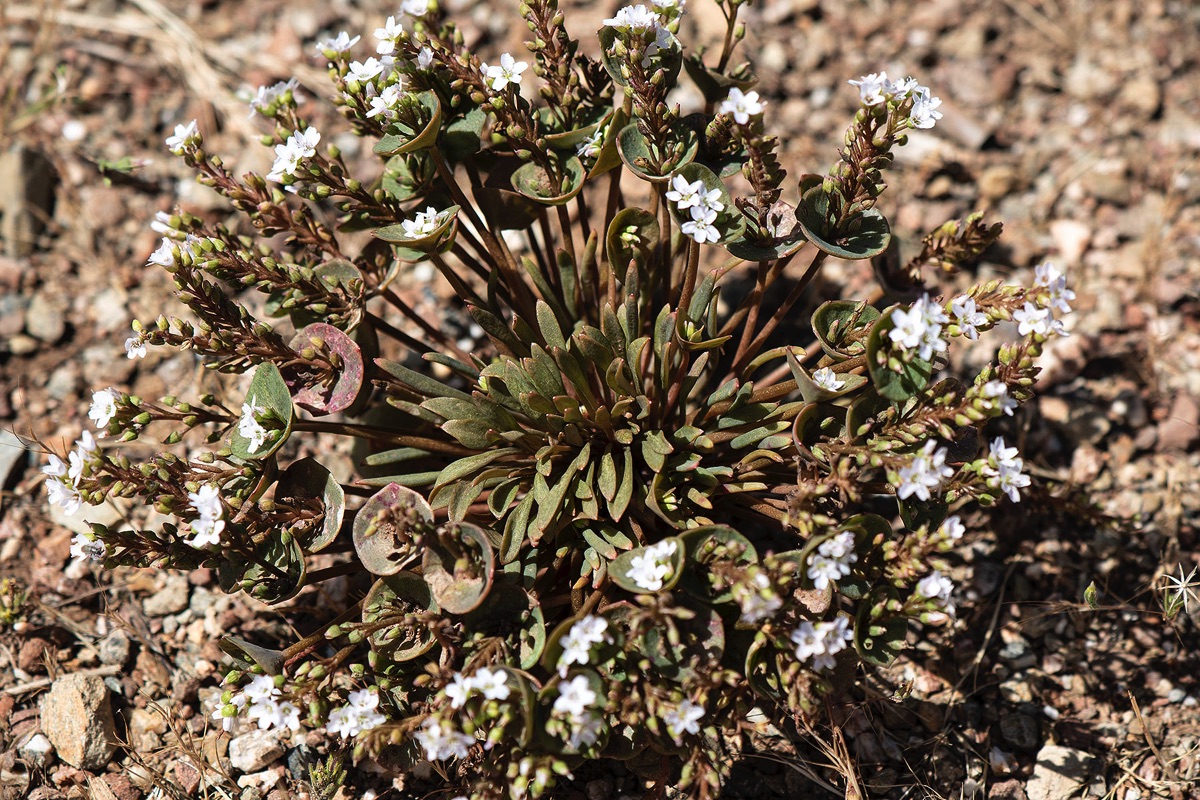
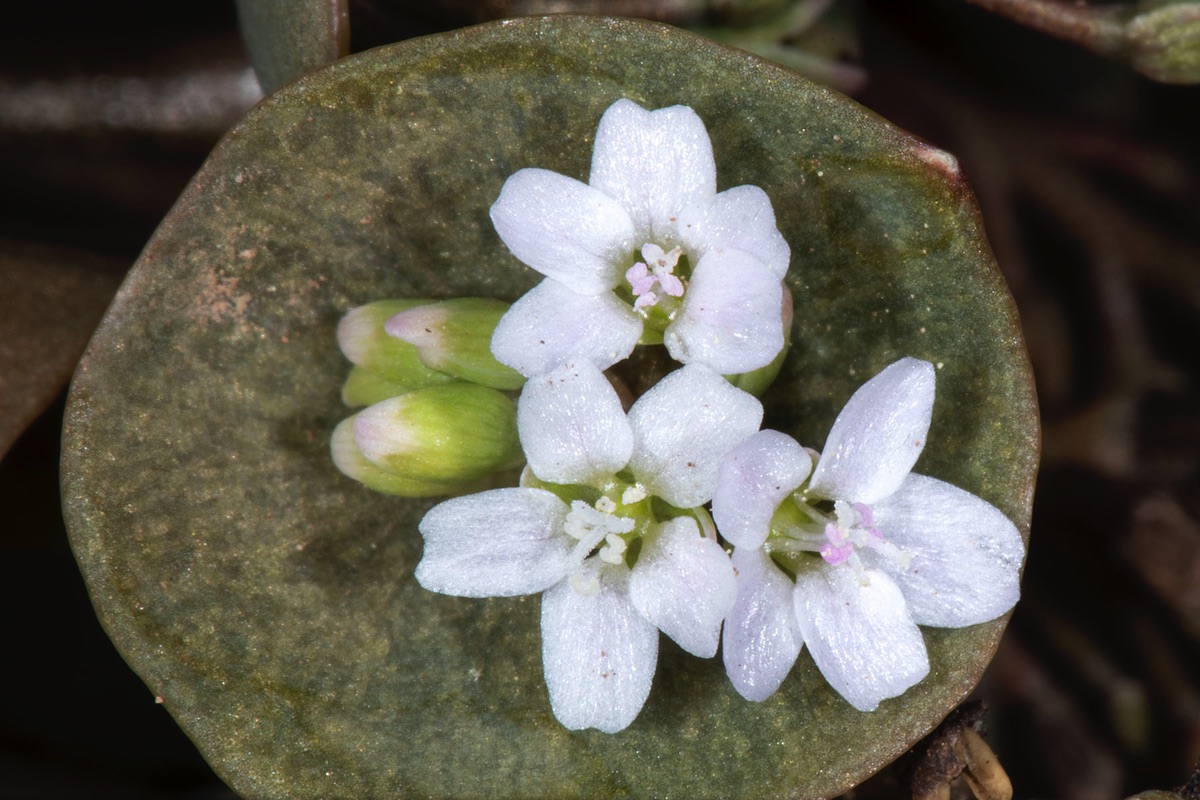
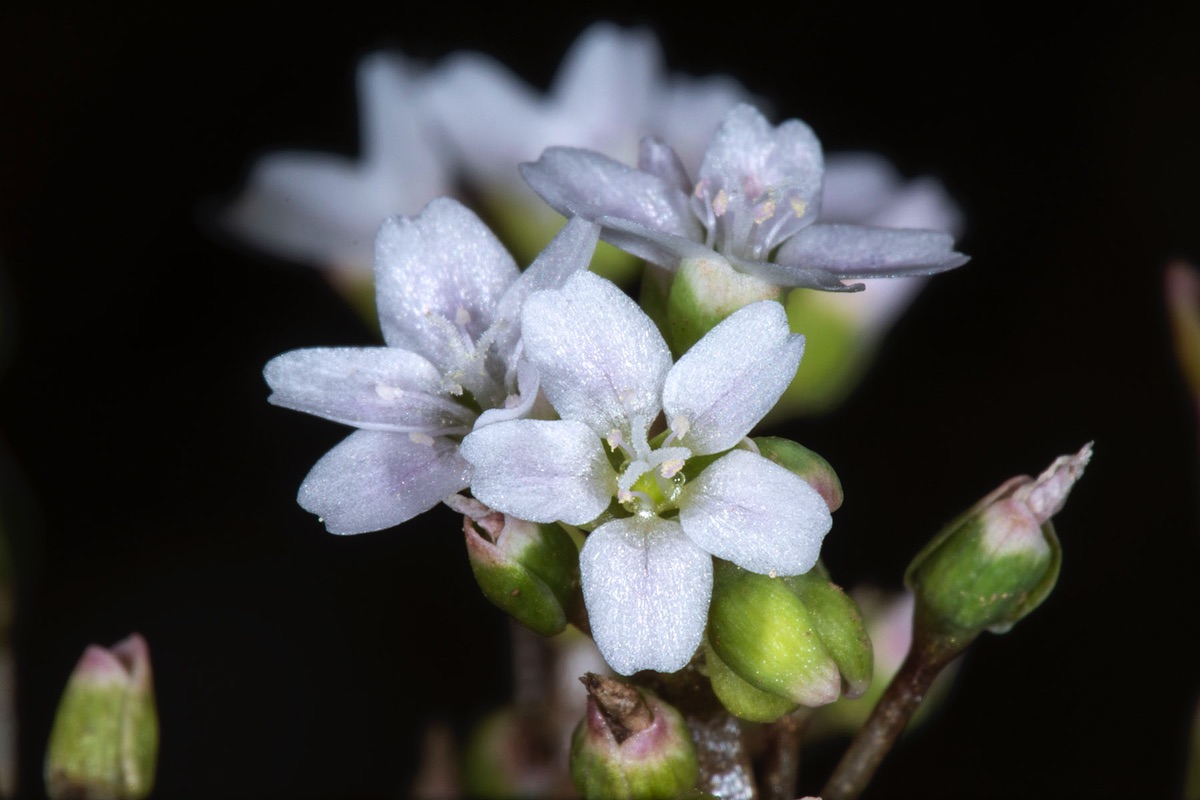
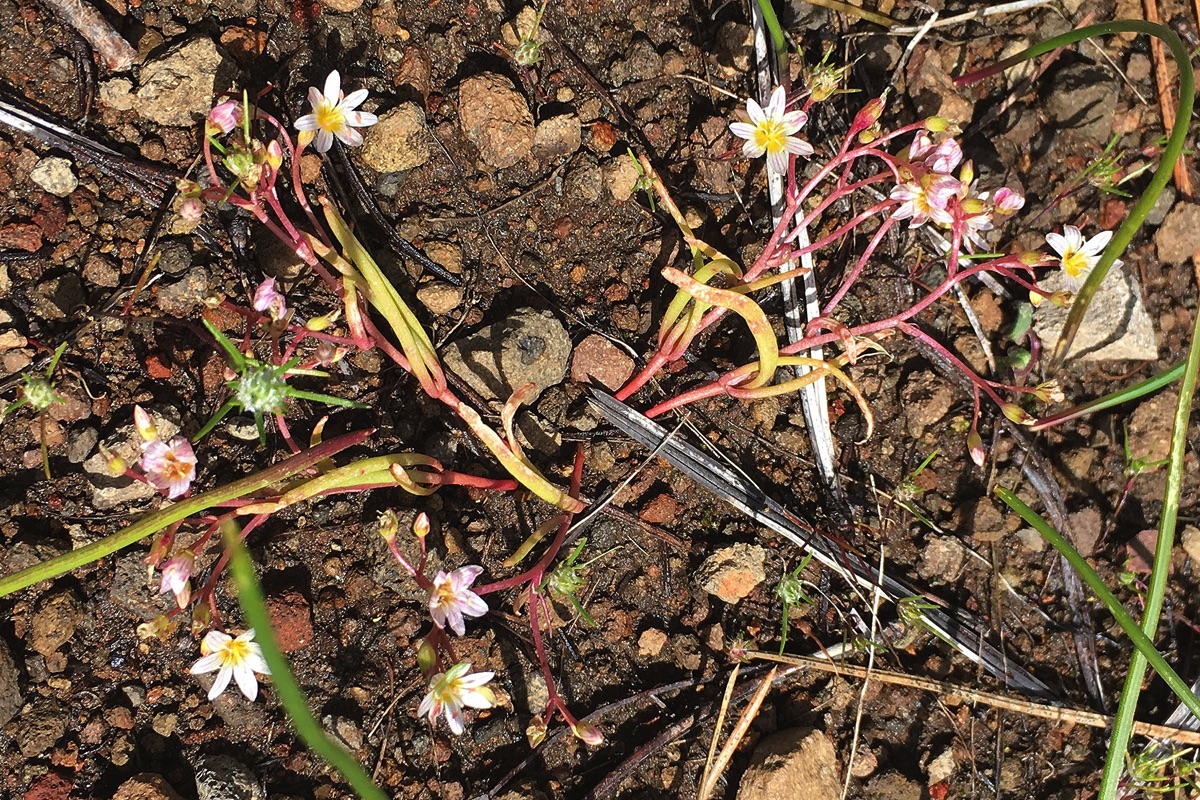
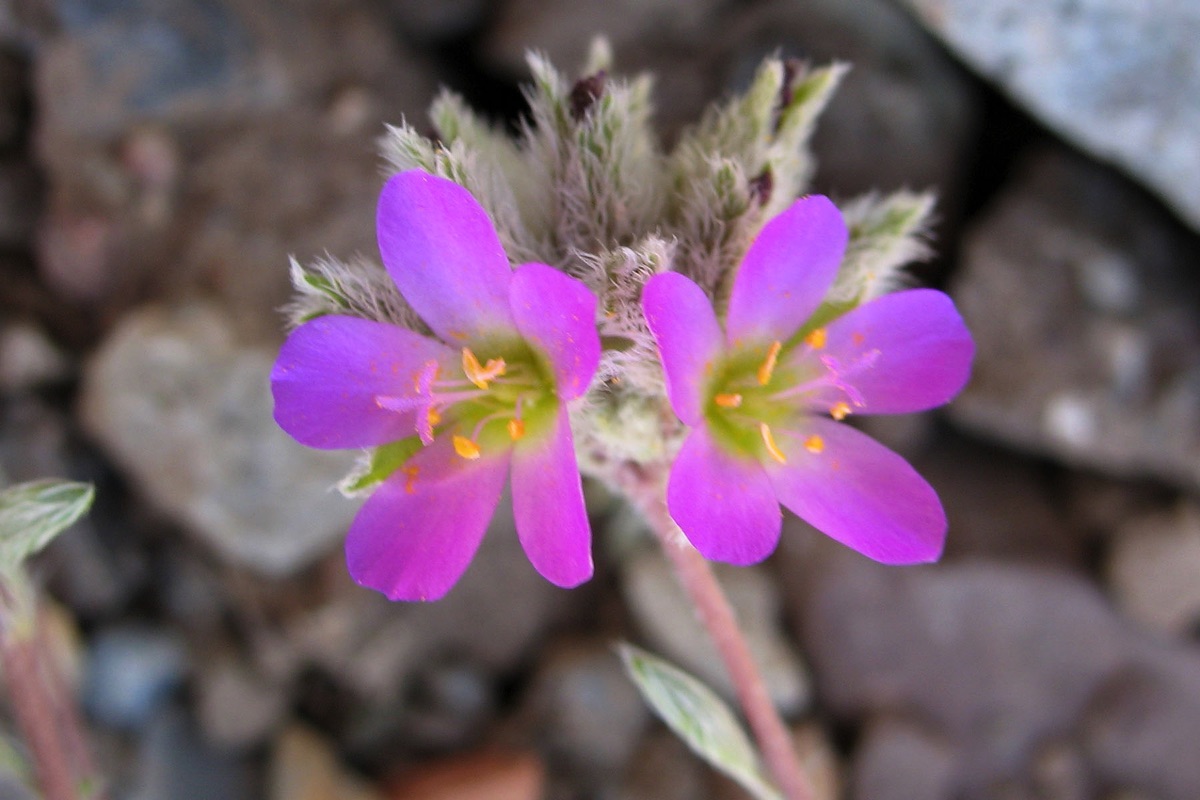
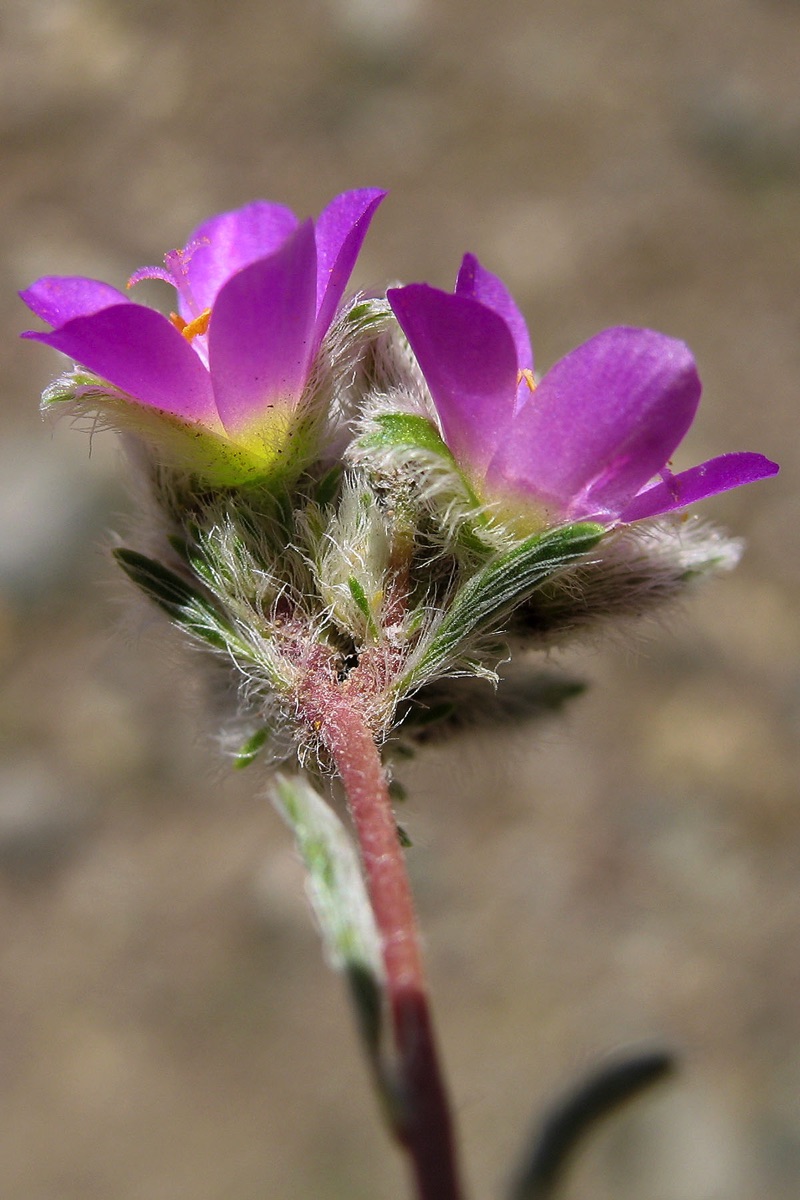
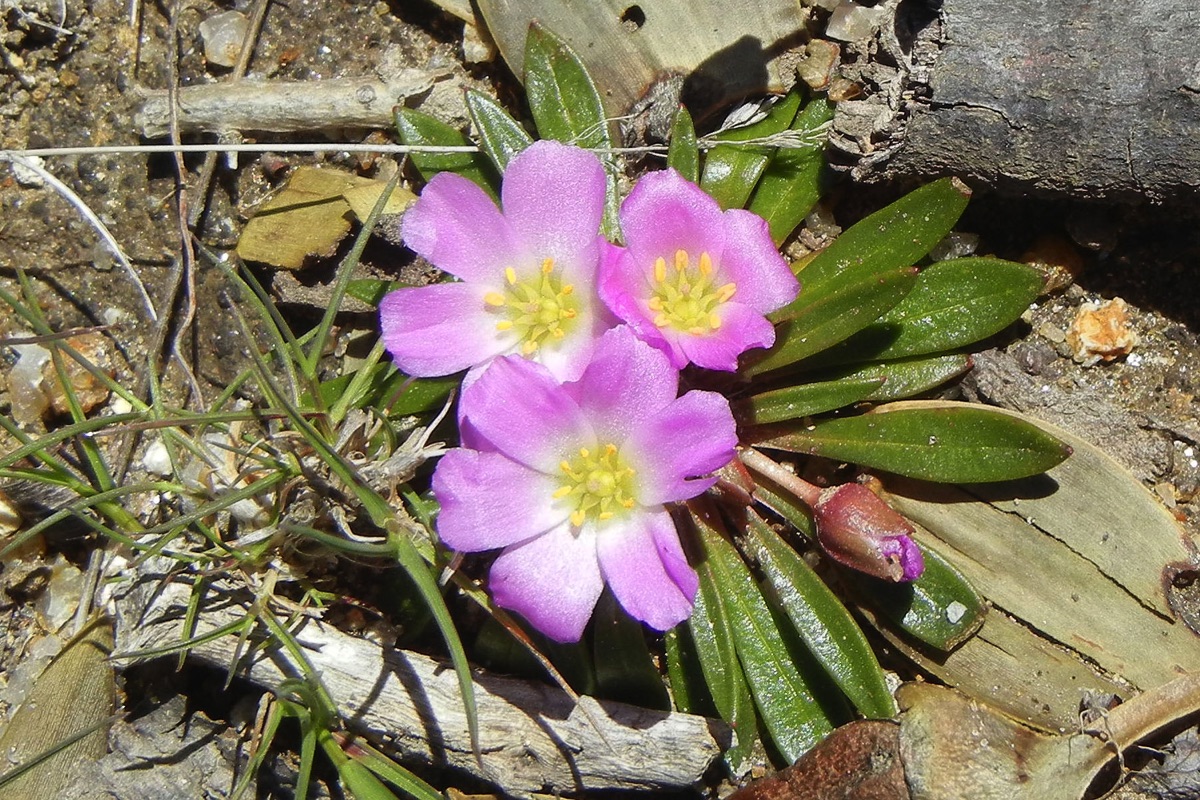
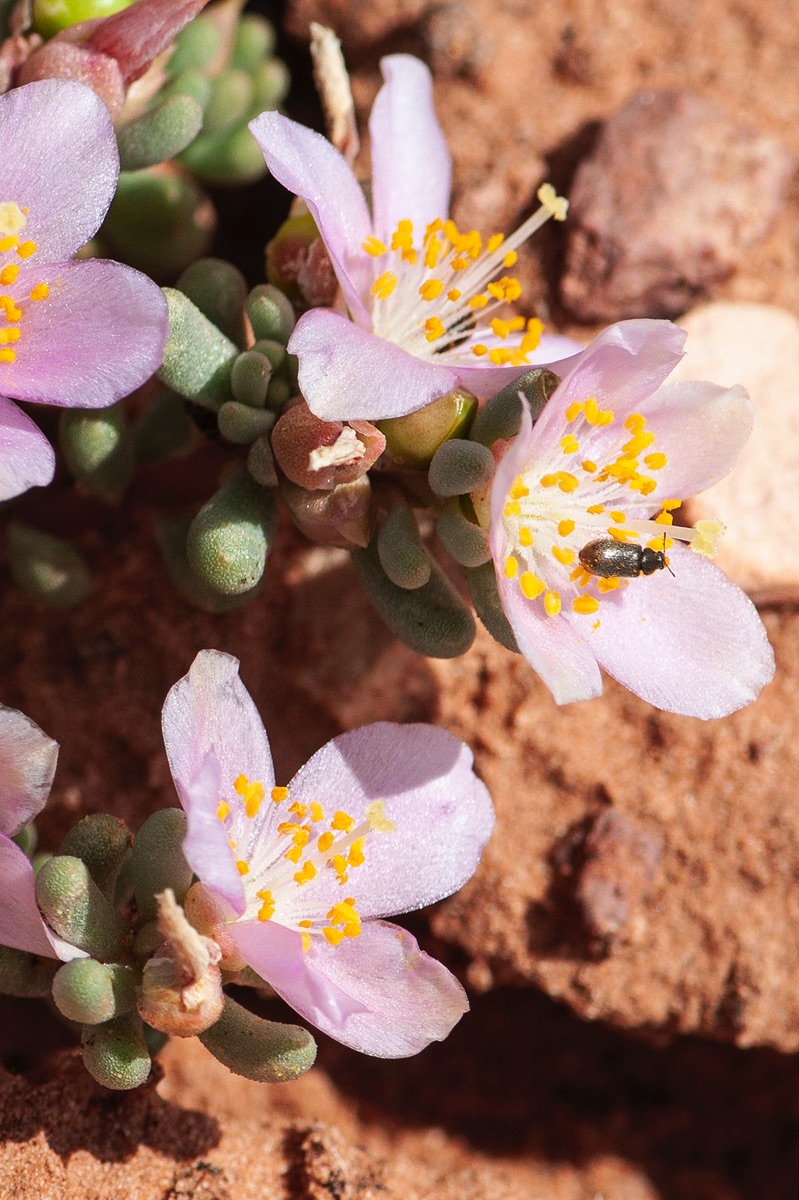
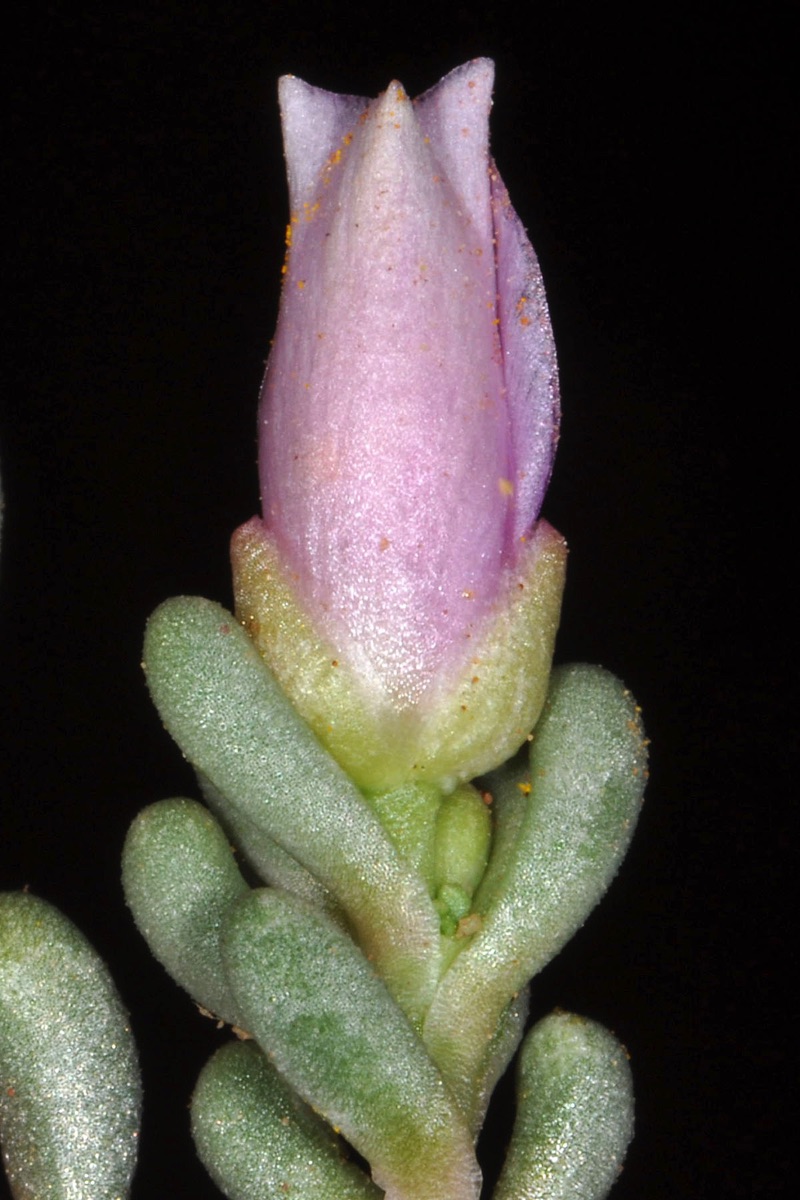
Montiaceae:
Talinaceae:
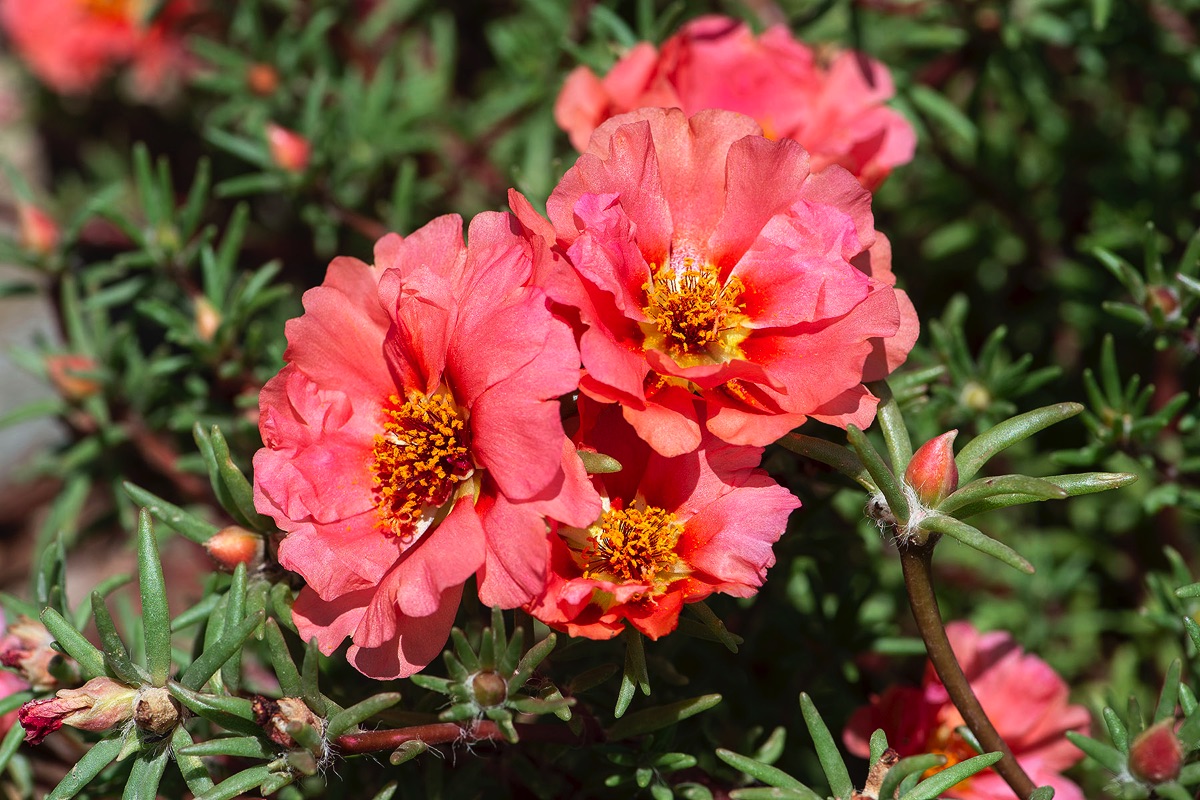
Portulaceae sensu stricto: