Contemporary Circumscription Compared with A Utah Flora 4th ed.
Bio430
Orchidaceae
No differences.
Key Features
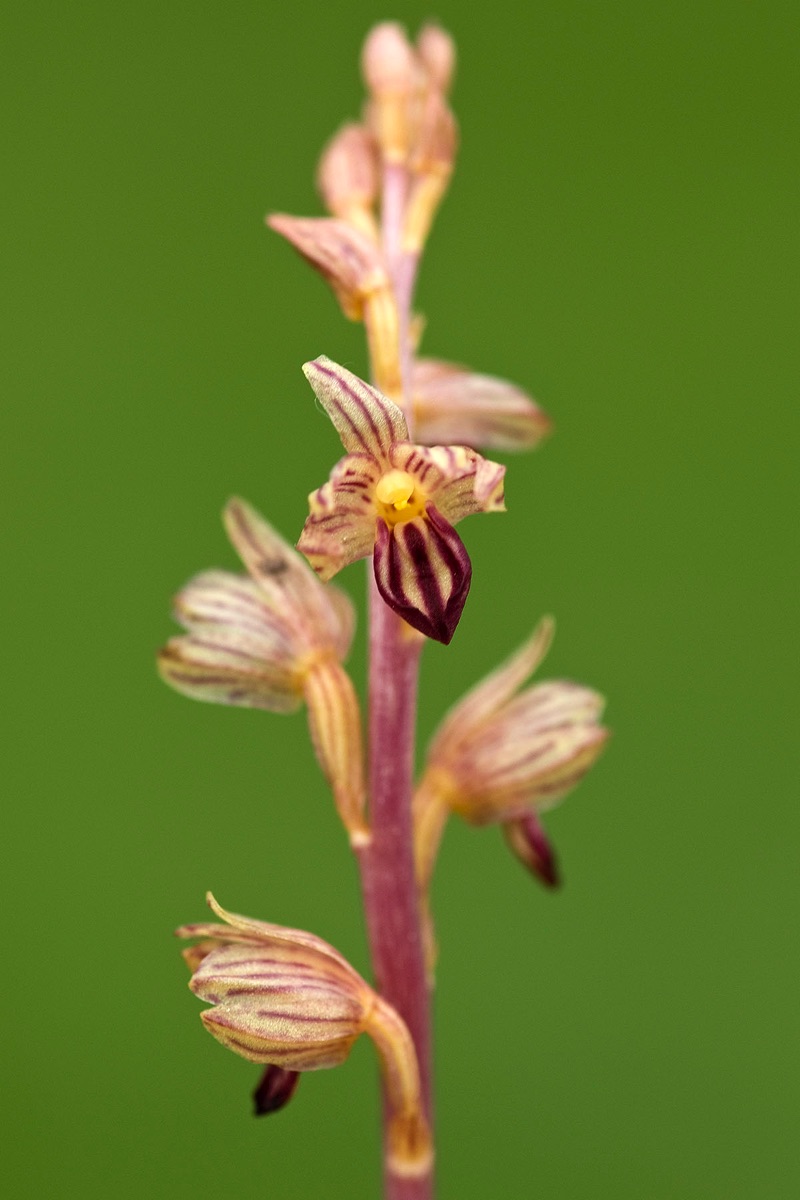
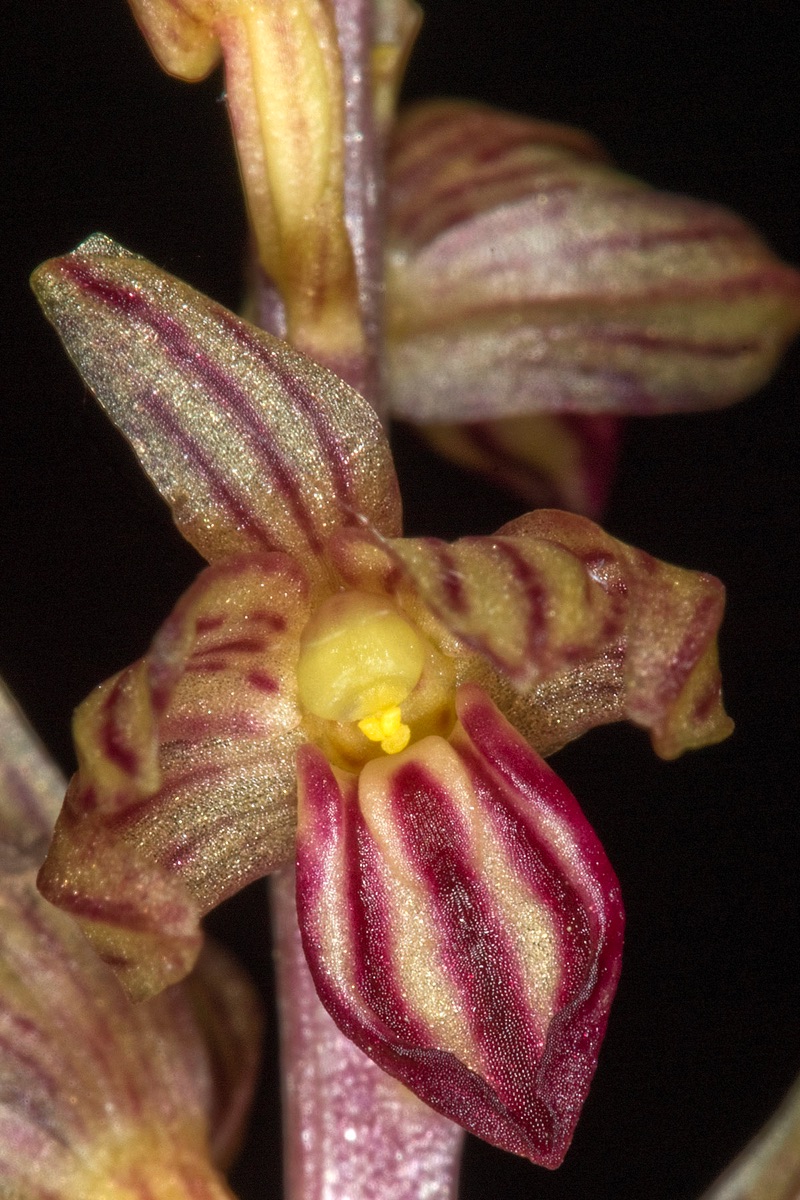
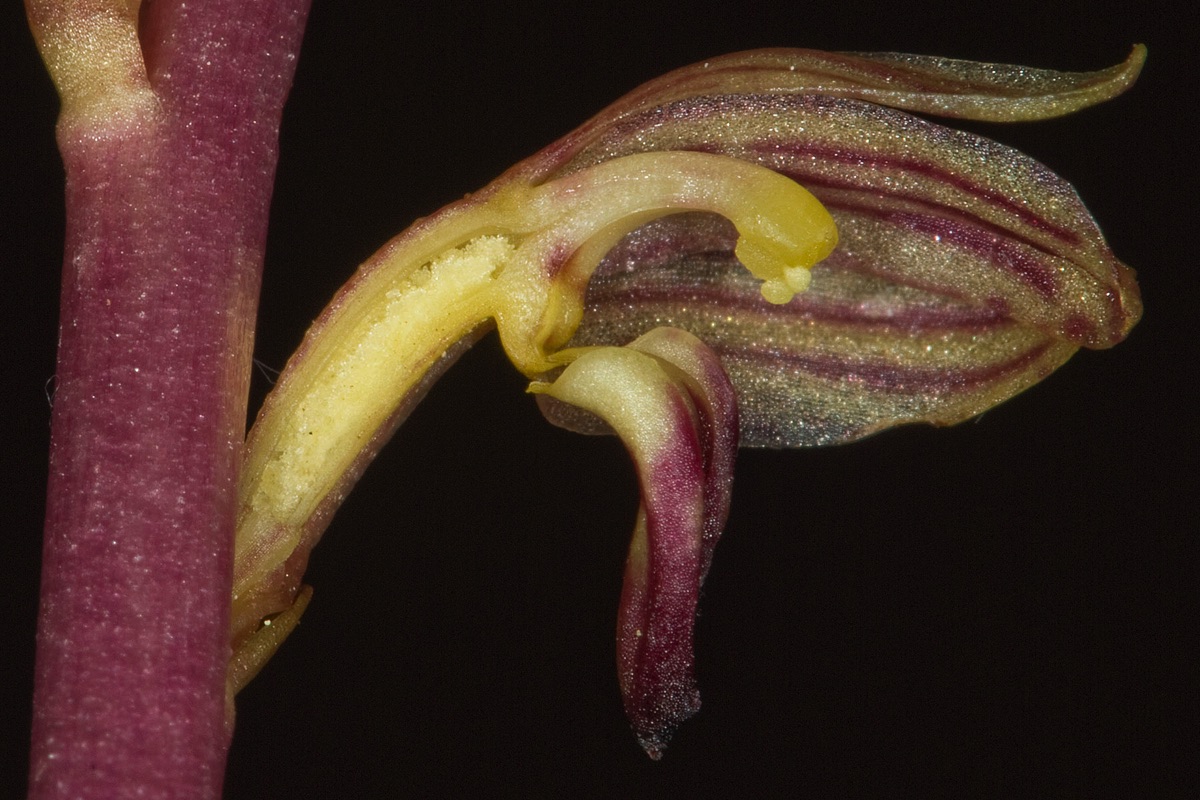
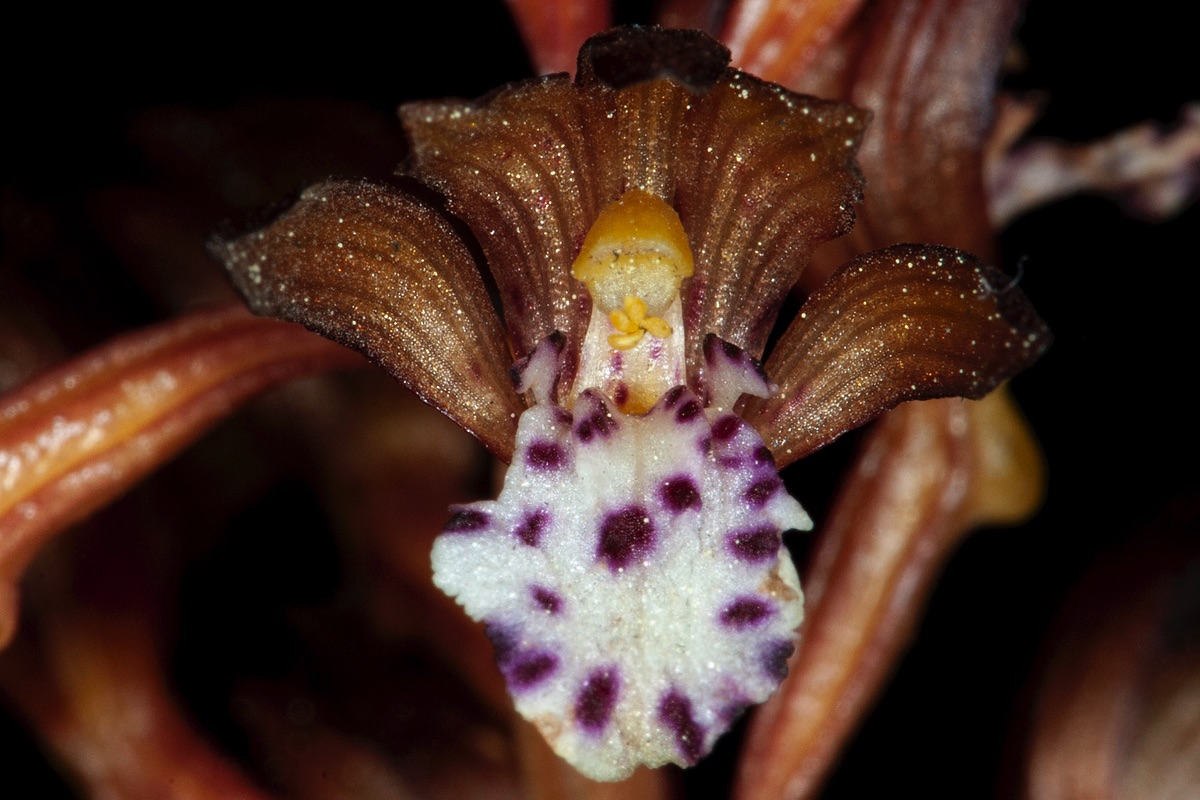
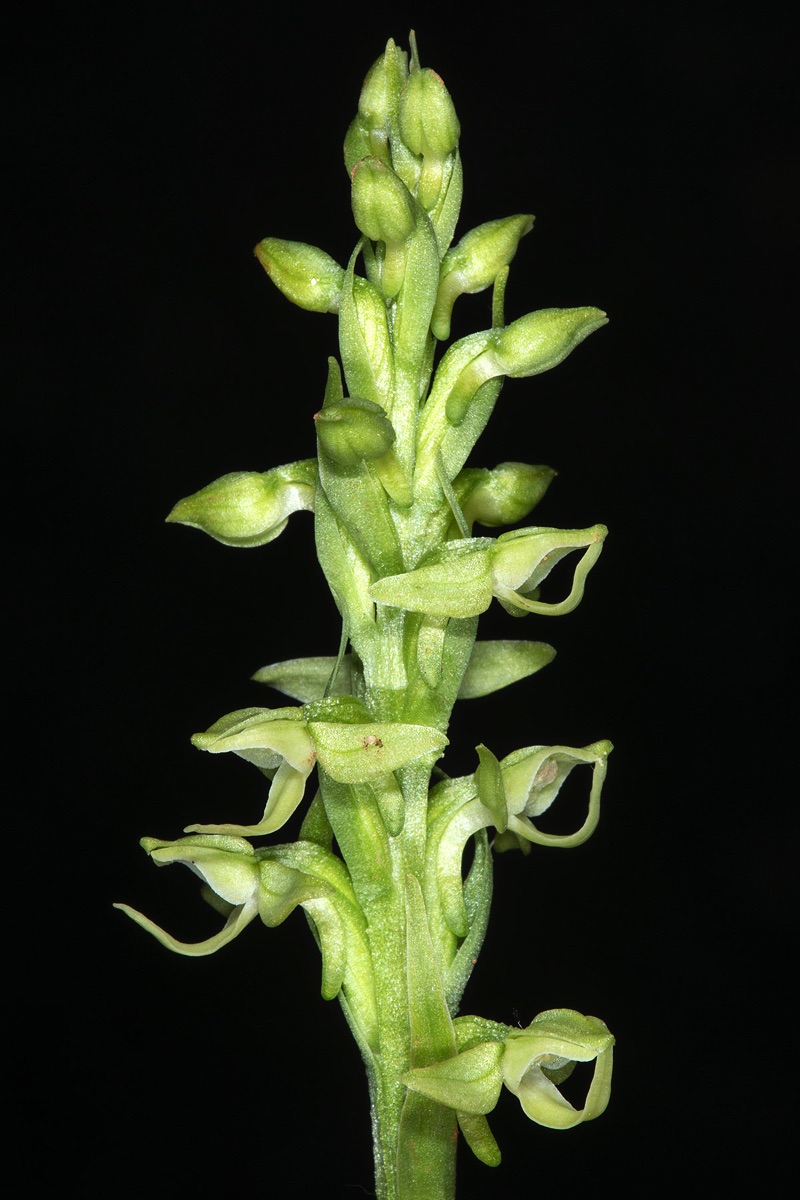
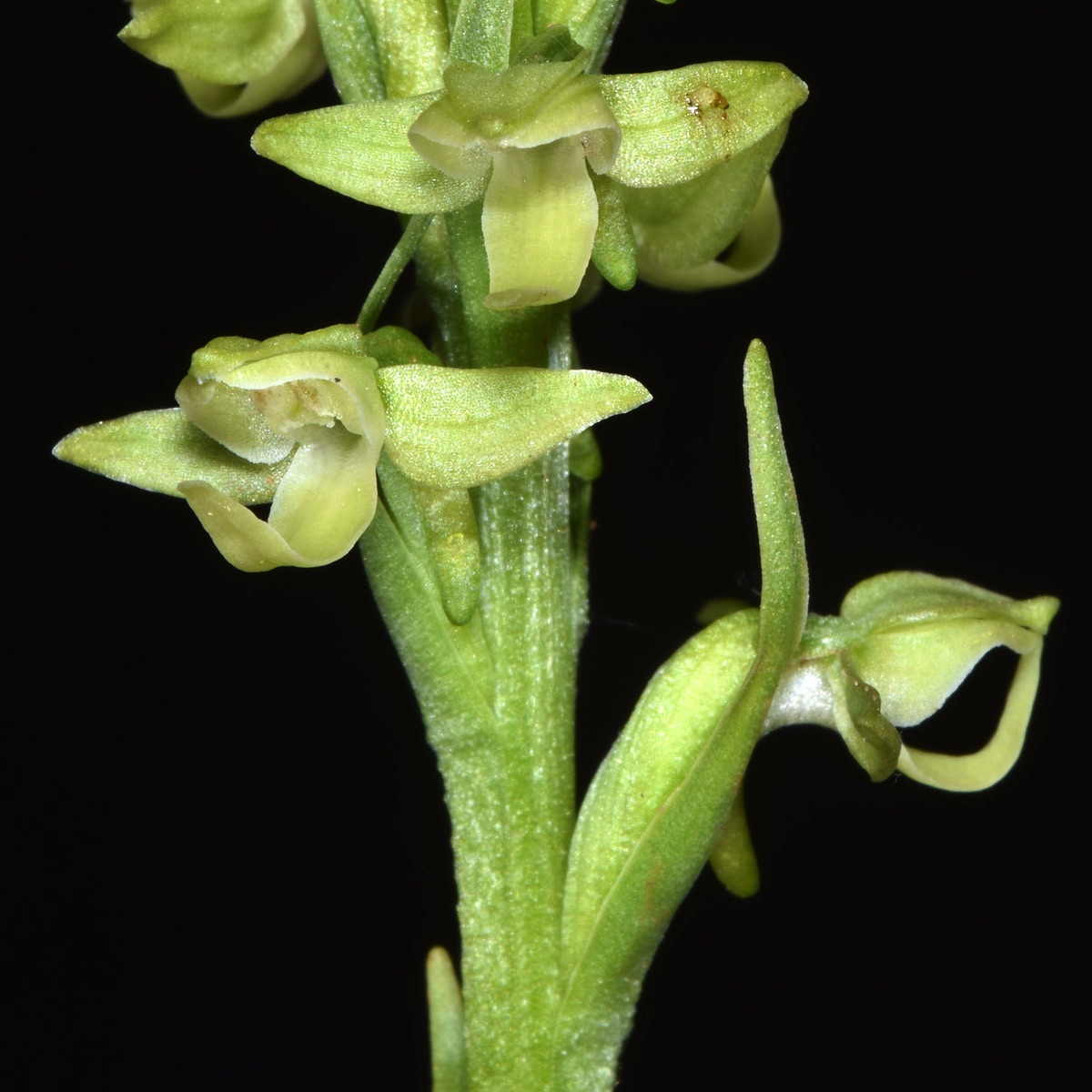
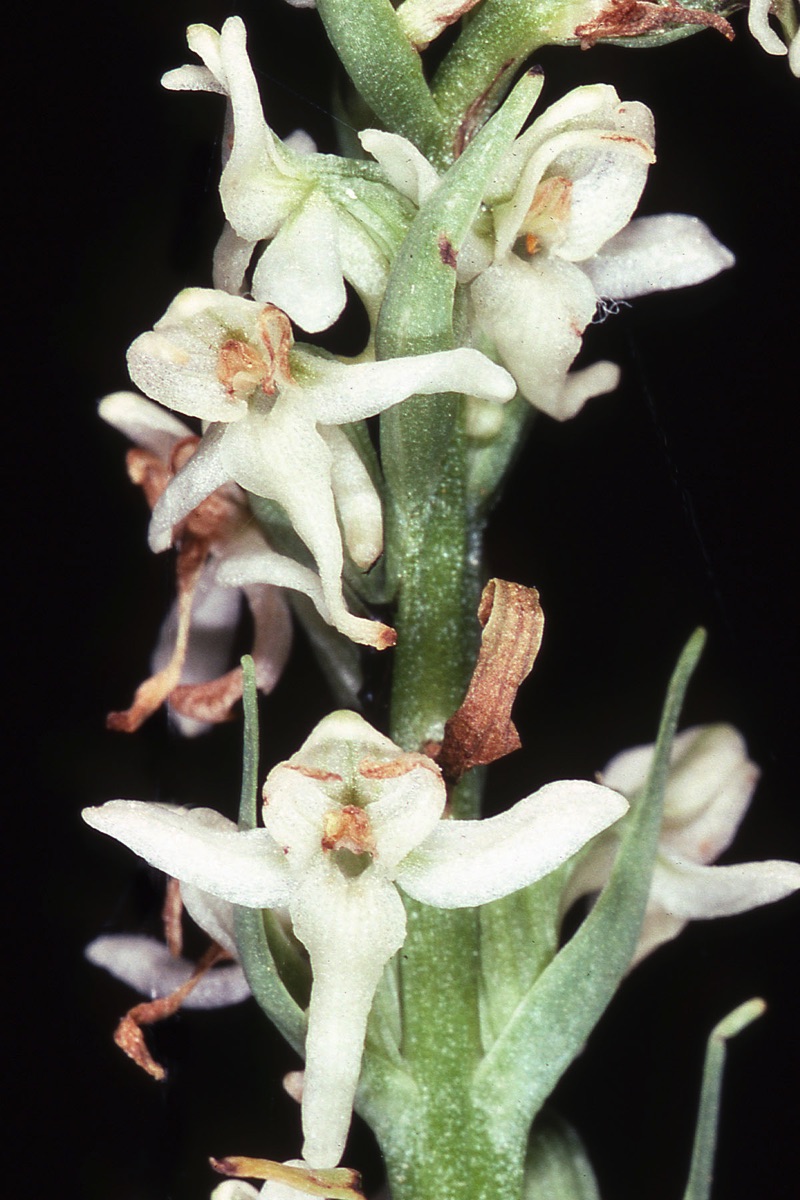
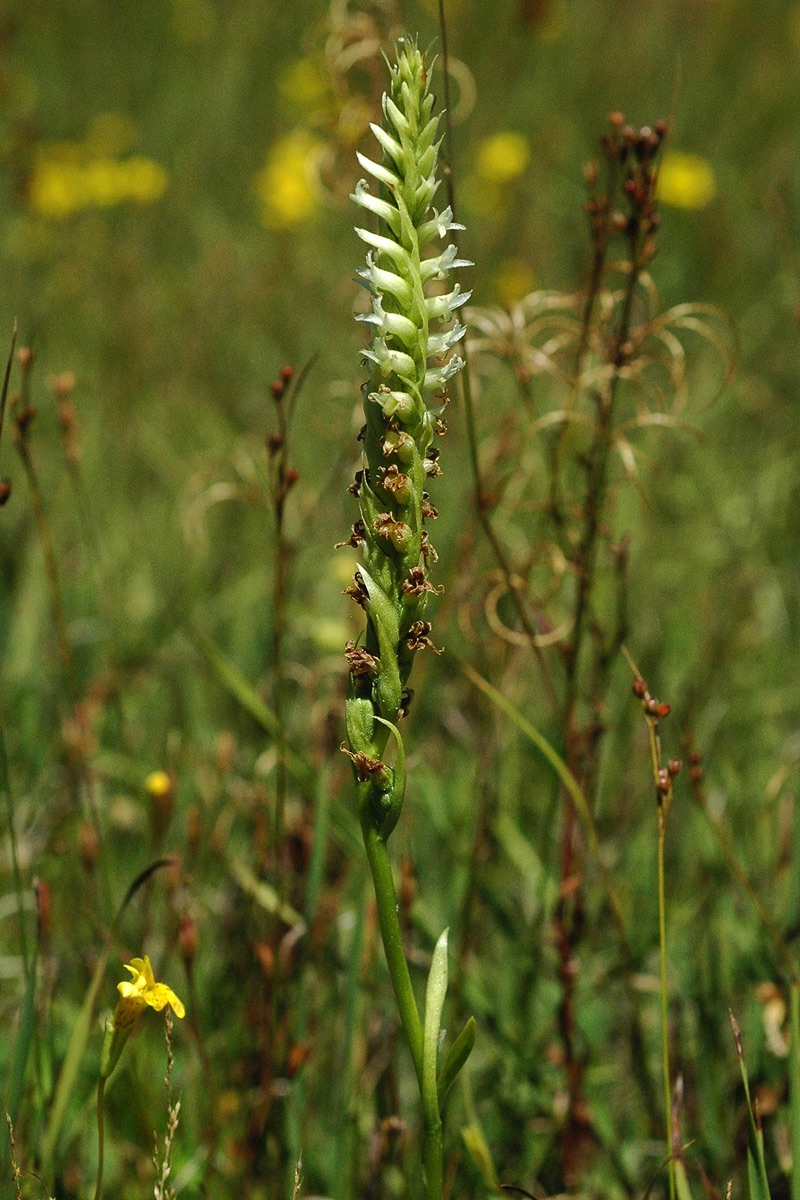
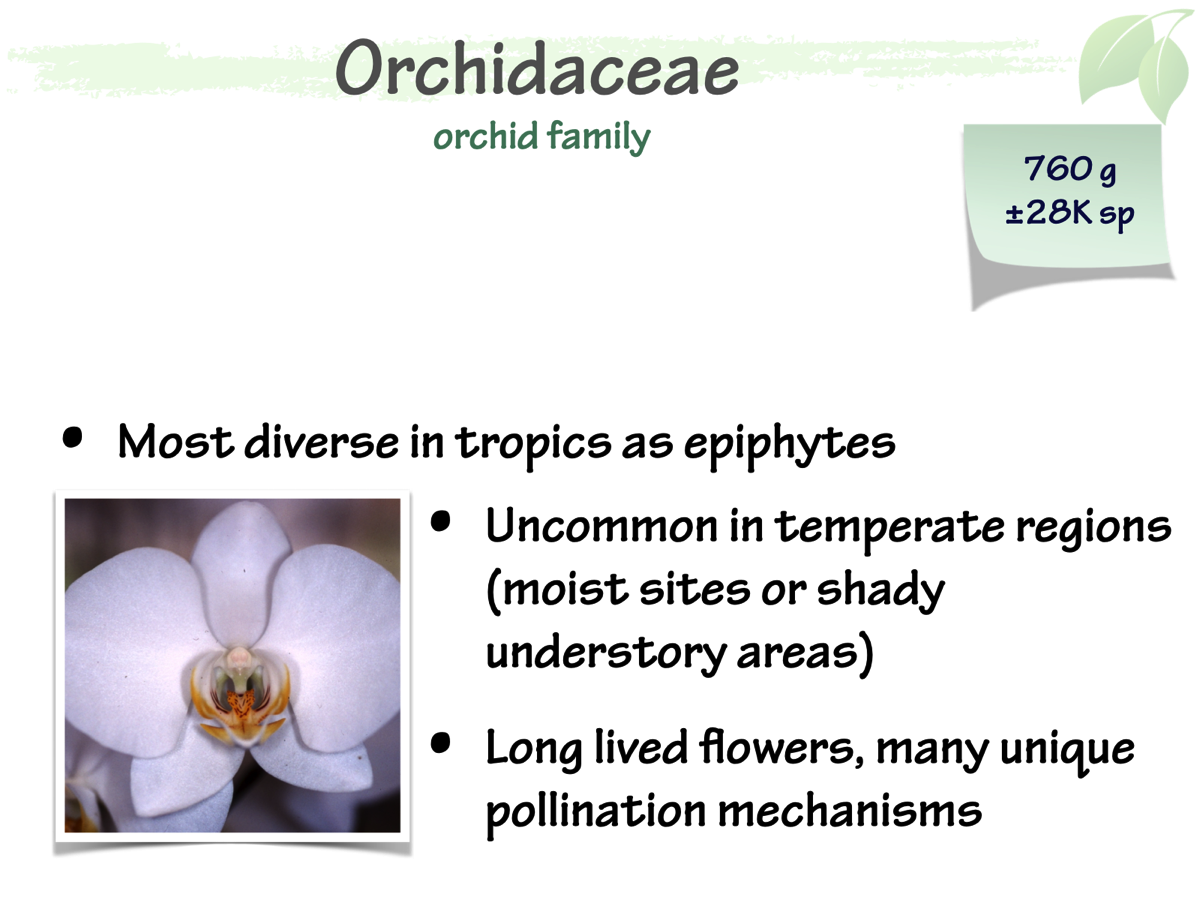
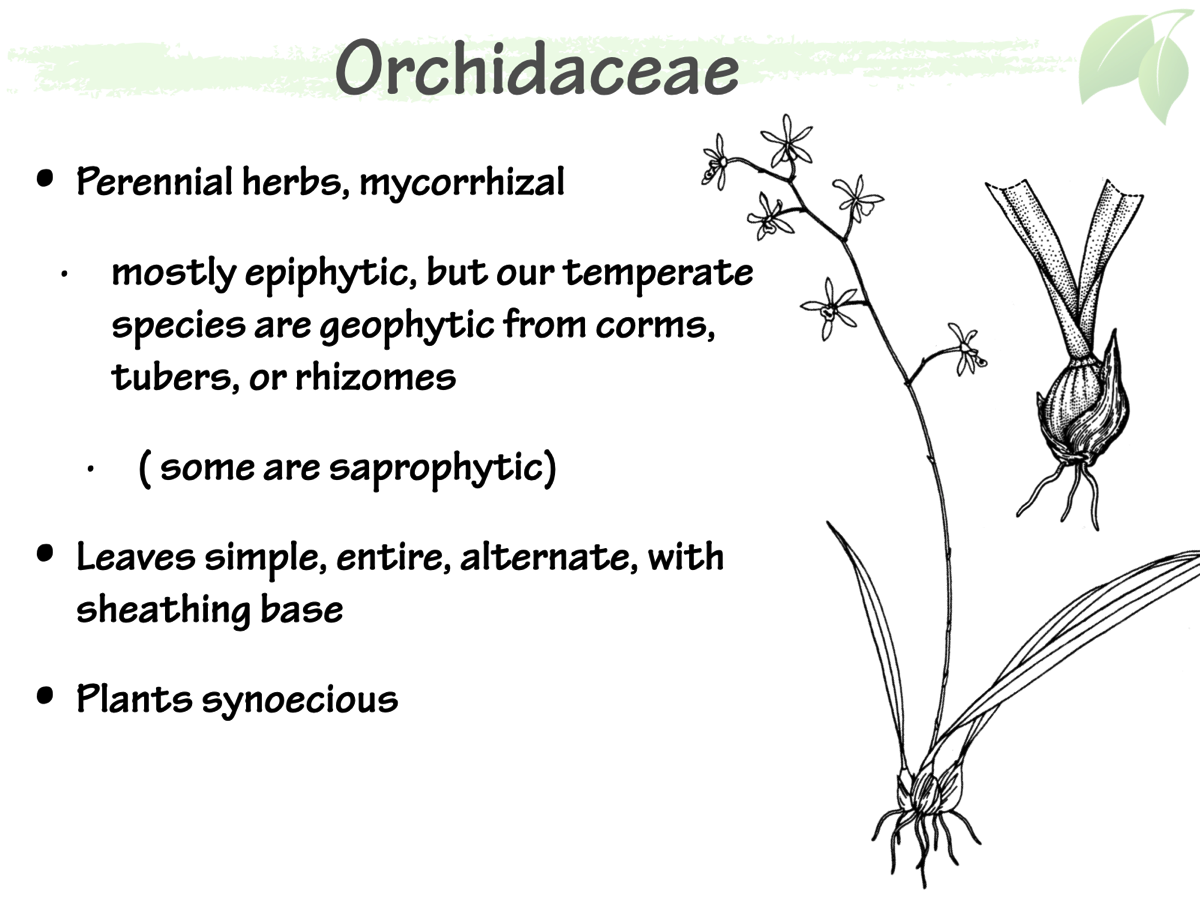
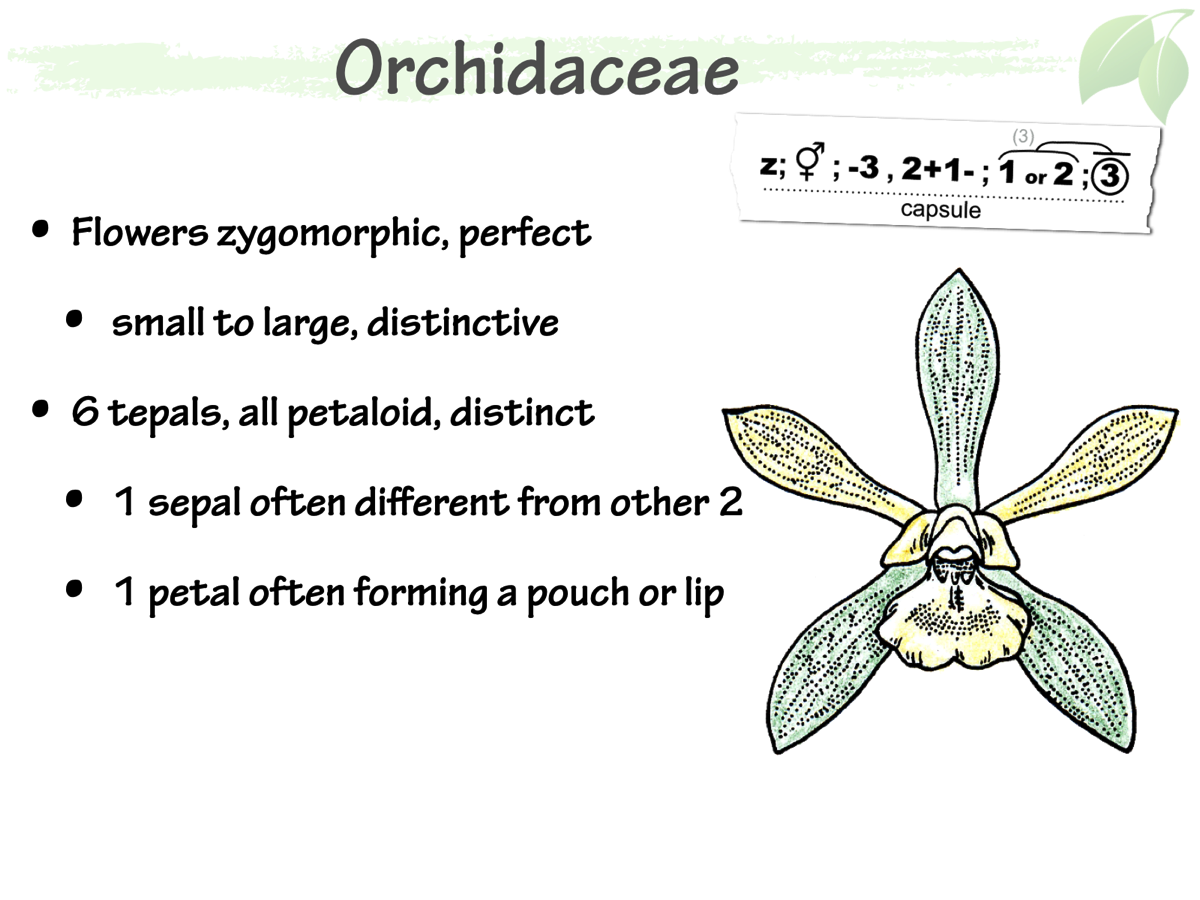
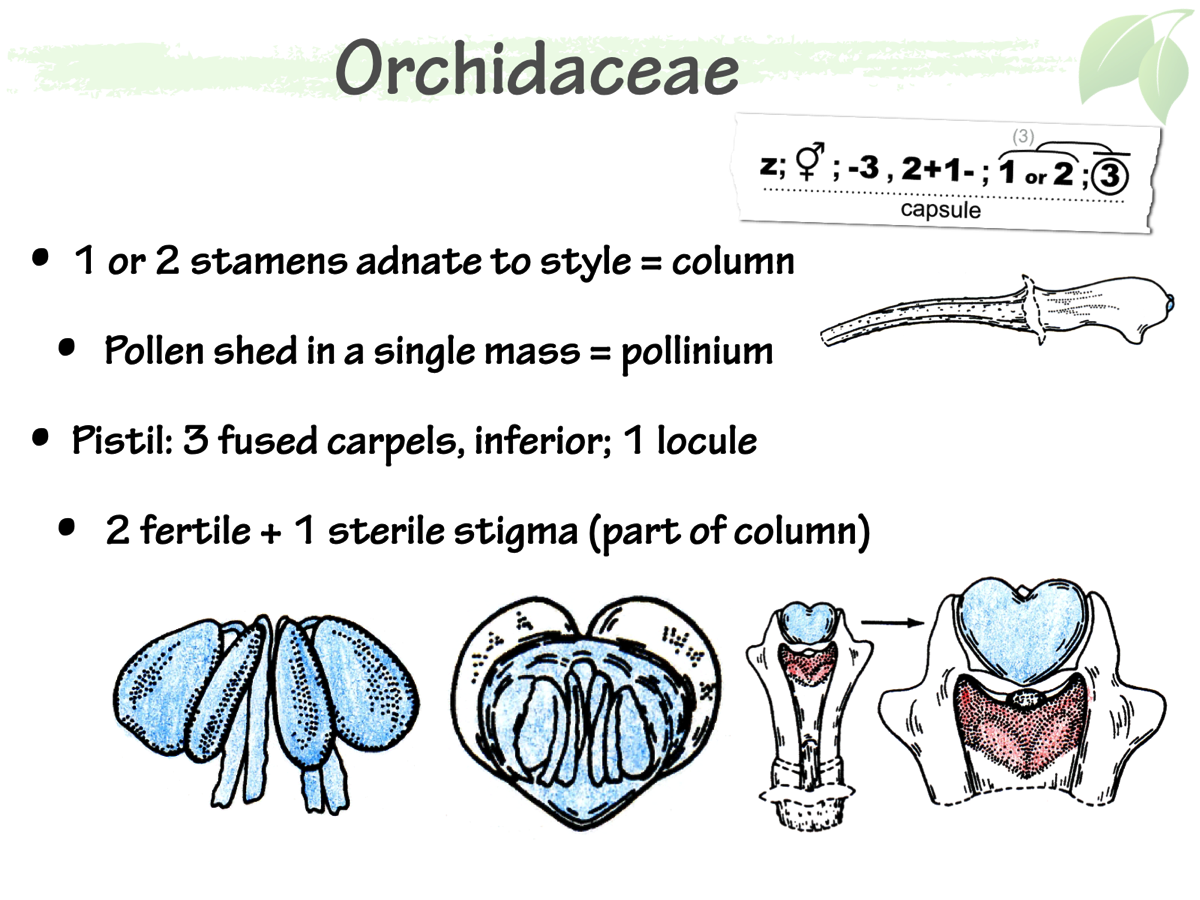
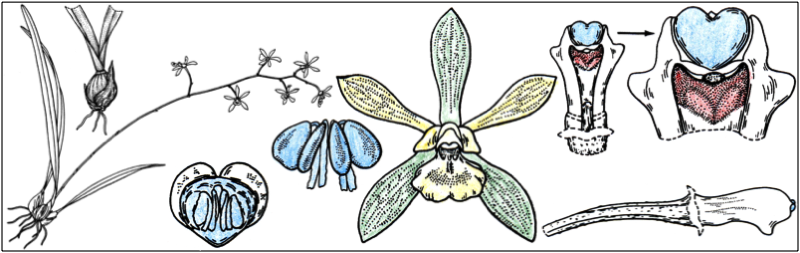
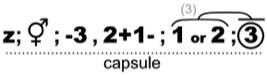
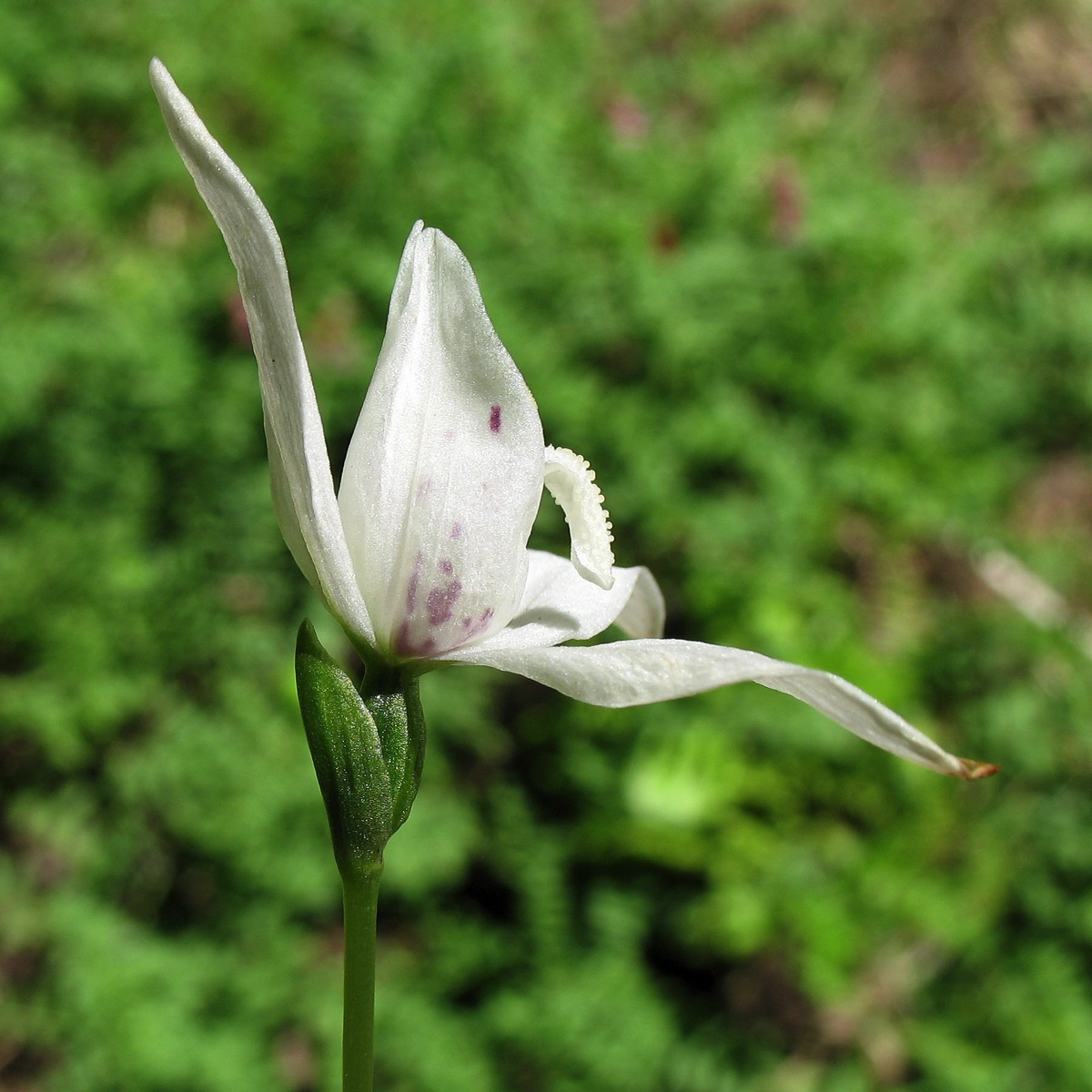
Epiphytic to terrestrial perennial herbs, sometimes saprophytic. Orchids are the largest monocot family, yet show surprising uniformity in there floral traits. Leaves are mostly basal, alternate, simple, linear to elliptic, entire, or ma be reduced in saprophytic species; a sheathing base encircling the stem is common. Flowers are solitary or borne in spikes, racemes, or panicles. The small to large flowers are zygomorphic, have inferior ovaries, and are always striking. The 3 sepals may have one that is different from the other two, and the three petals always have one petal highly modified from other two. The 1 or 2 stamens are fused to the style and stigma forming a “column”, and pollen is shed as a “pollinium” packet instead of individual grains. The capsule may contain 100’s to 1000’s of dust-sized seeds.
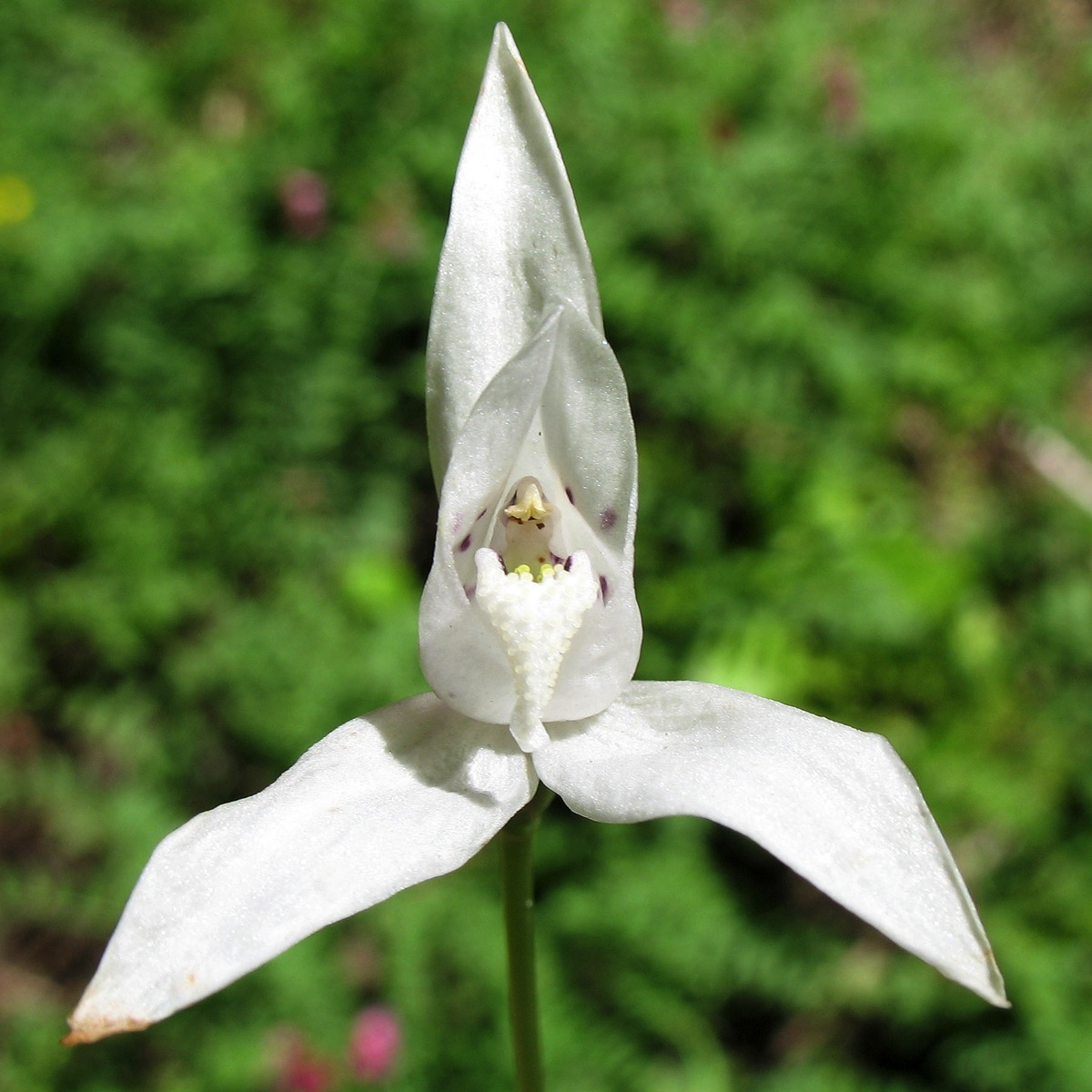
![Calypso bulbosa - side view [image from Meghan McCormick]](images/orchidaceae/7B104C134A234C3FA69DCEE02CE5591D/Calypso bulbosa side_mod21.jpg "Calypso bulbosa - side view [image from Meghan McCormick]")