Contemporary Circumscription Compared with A Utah Flora 4th ed.
Bio430
Onagraceae
No differences at the family level; a 2007 revision based on years of careful study has changed generic circumscriptions considerably.
Key Features
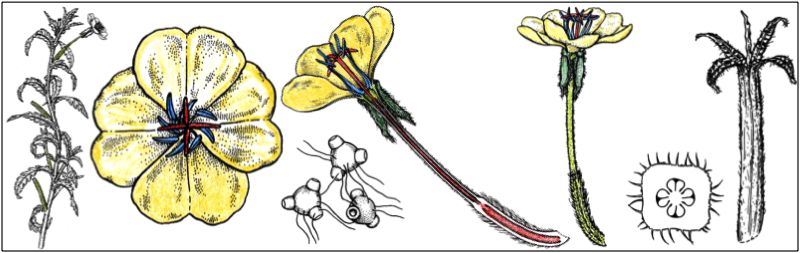
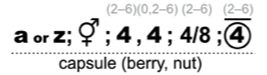
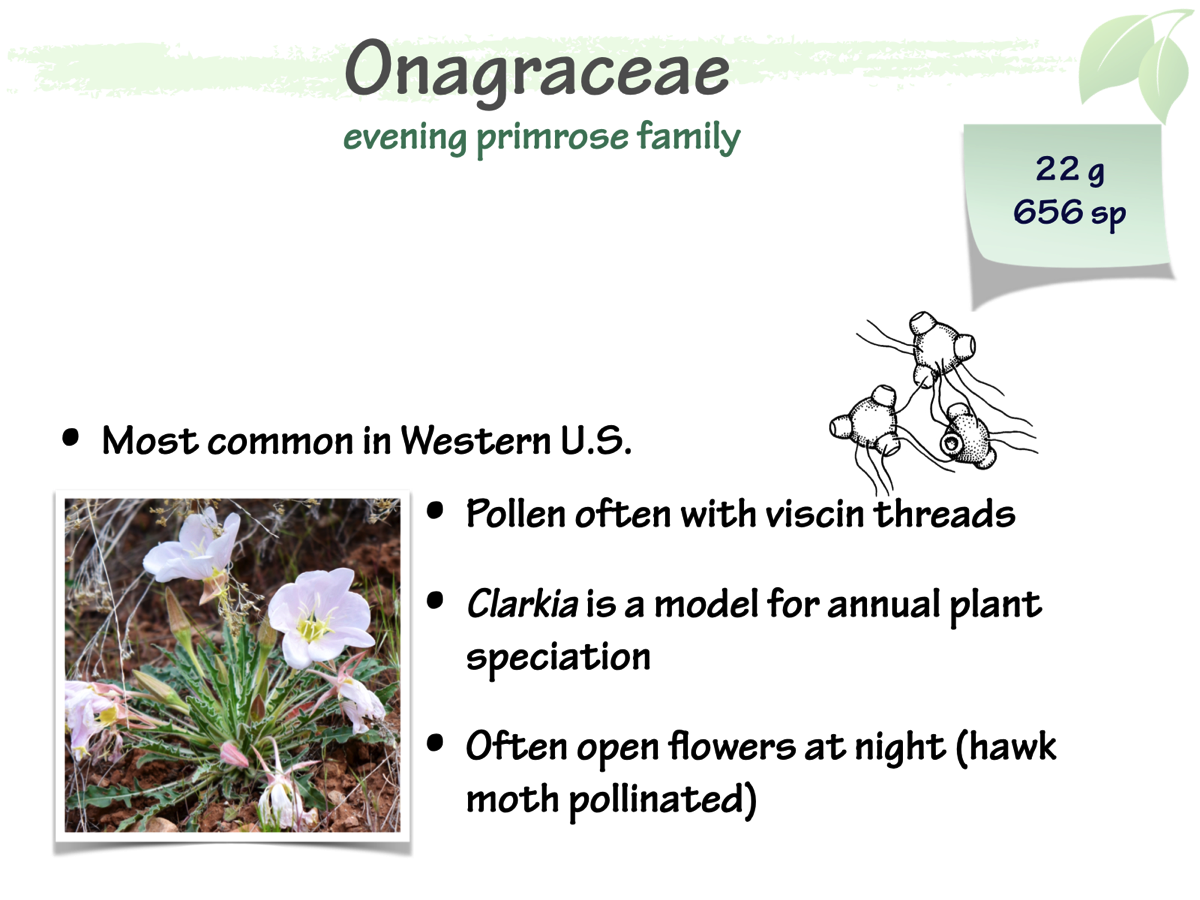
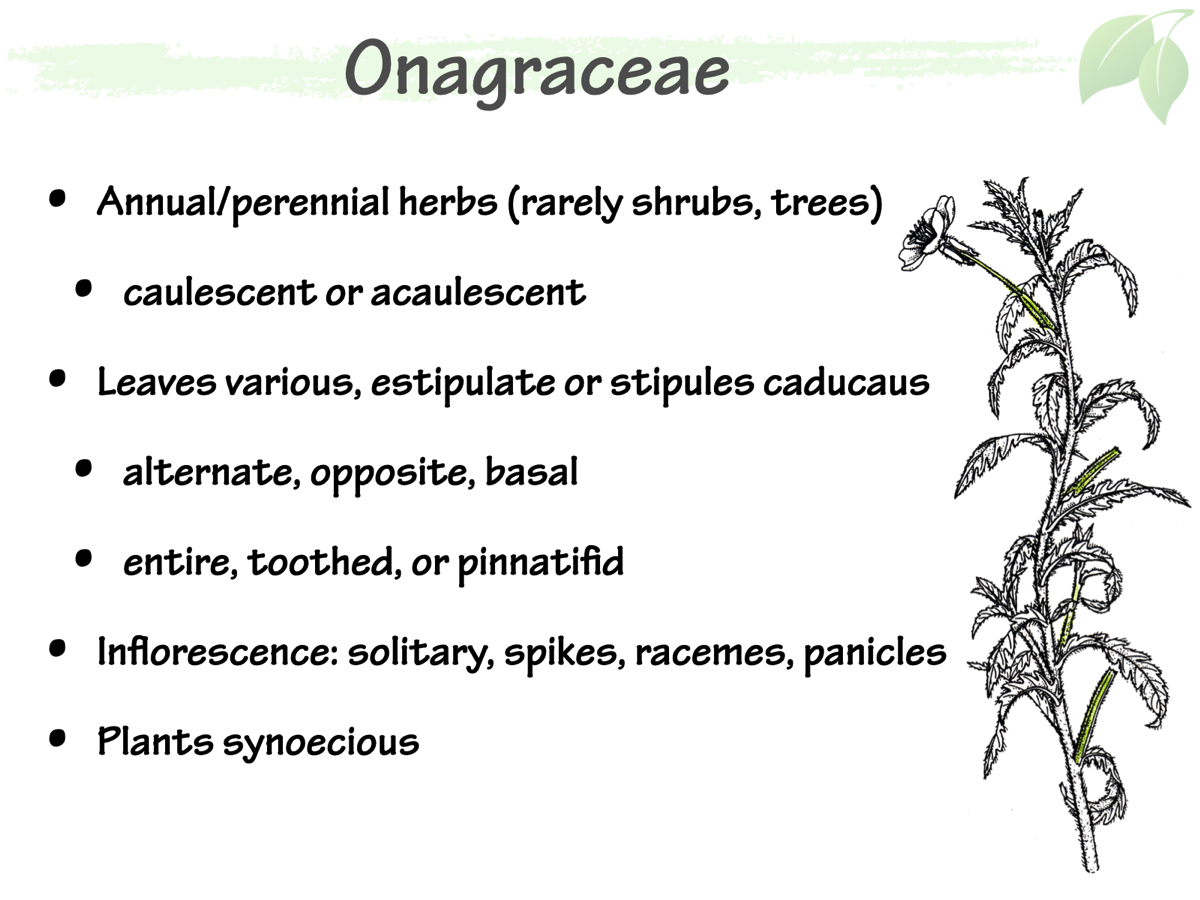
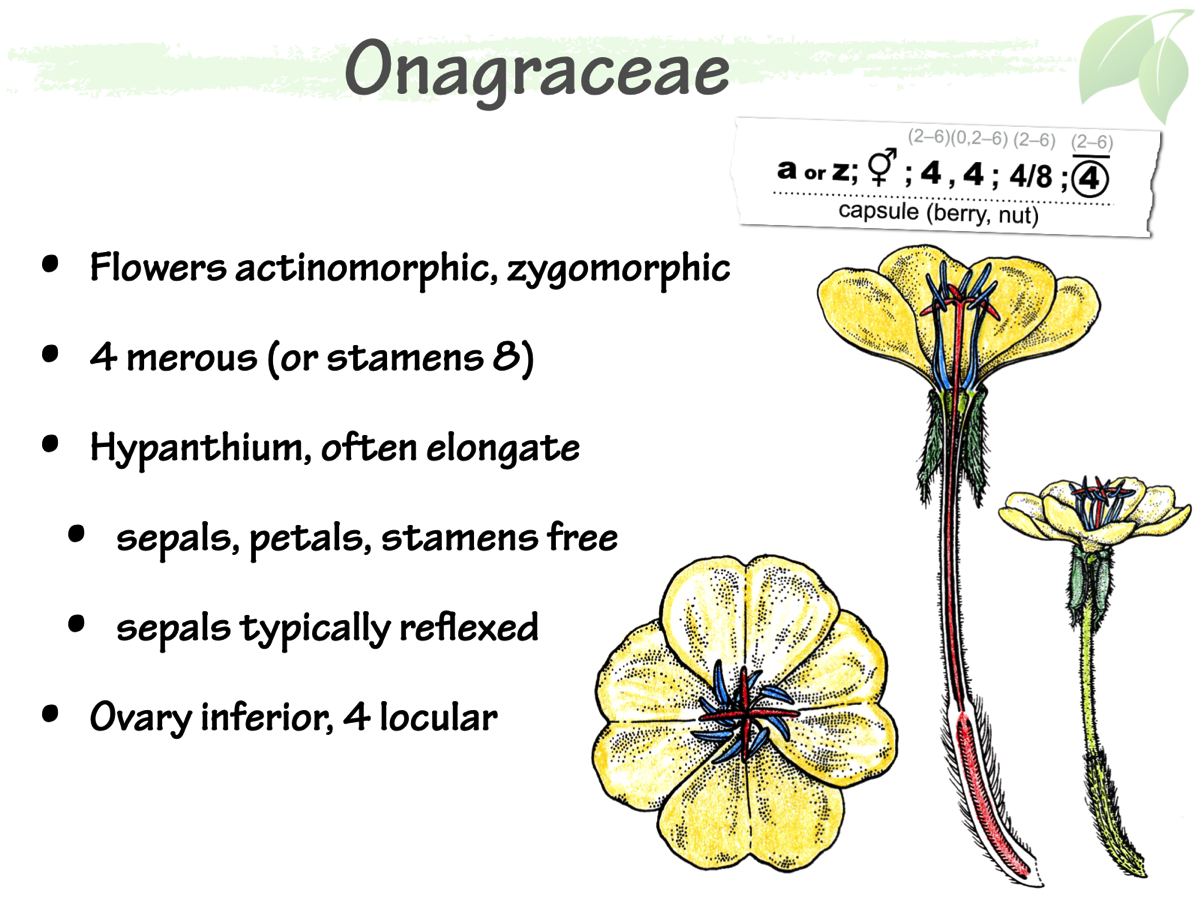
Primarily four merous flowers with inferior ovaries (4 carpels), an often markedly elongate hypanthium, and sepals often reflexed. Stamens are equal or twice the number of petals, and pollen may ‘string together’ by viscin threads.
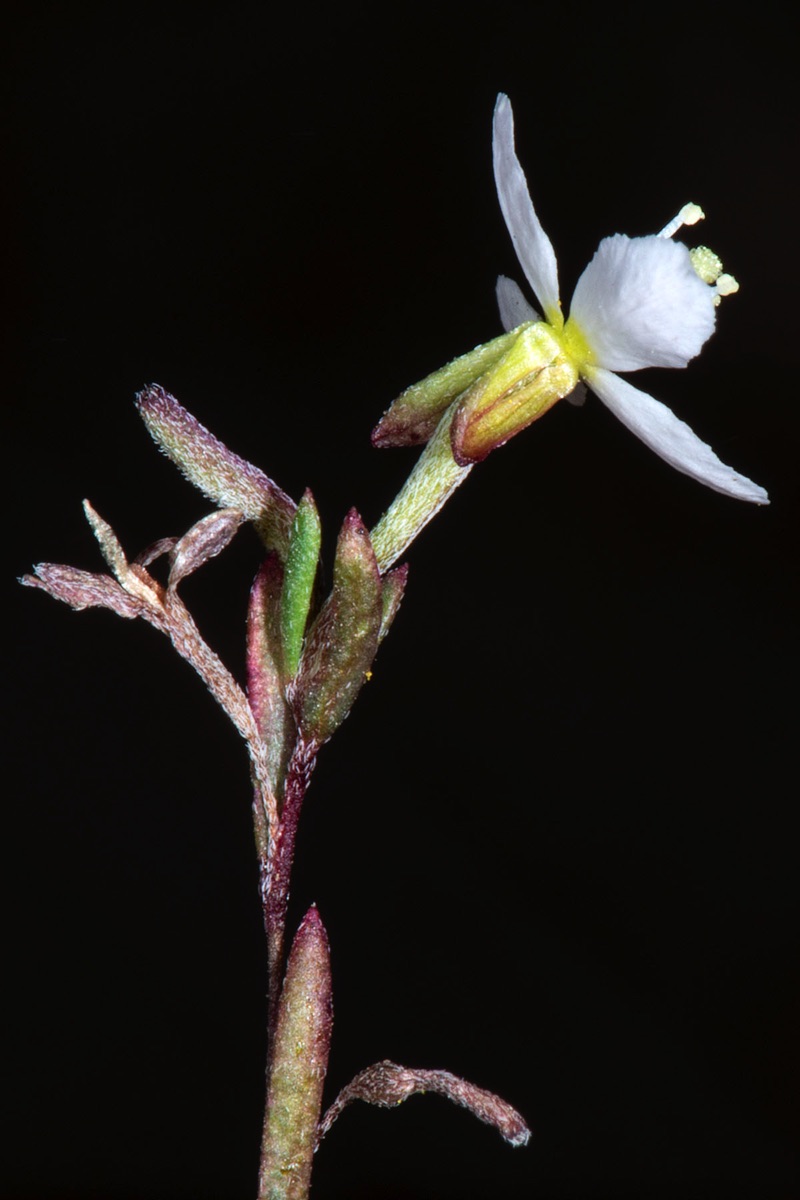
Gayophytum; flowers are ~ 5 mm across
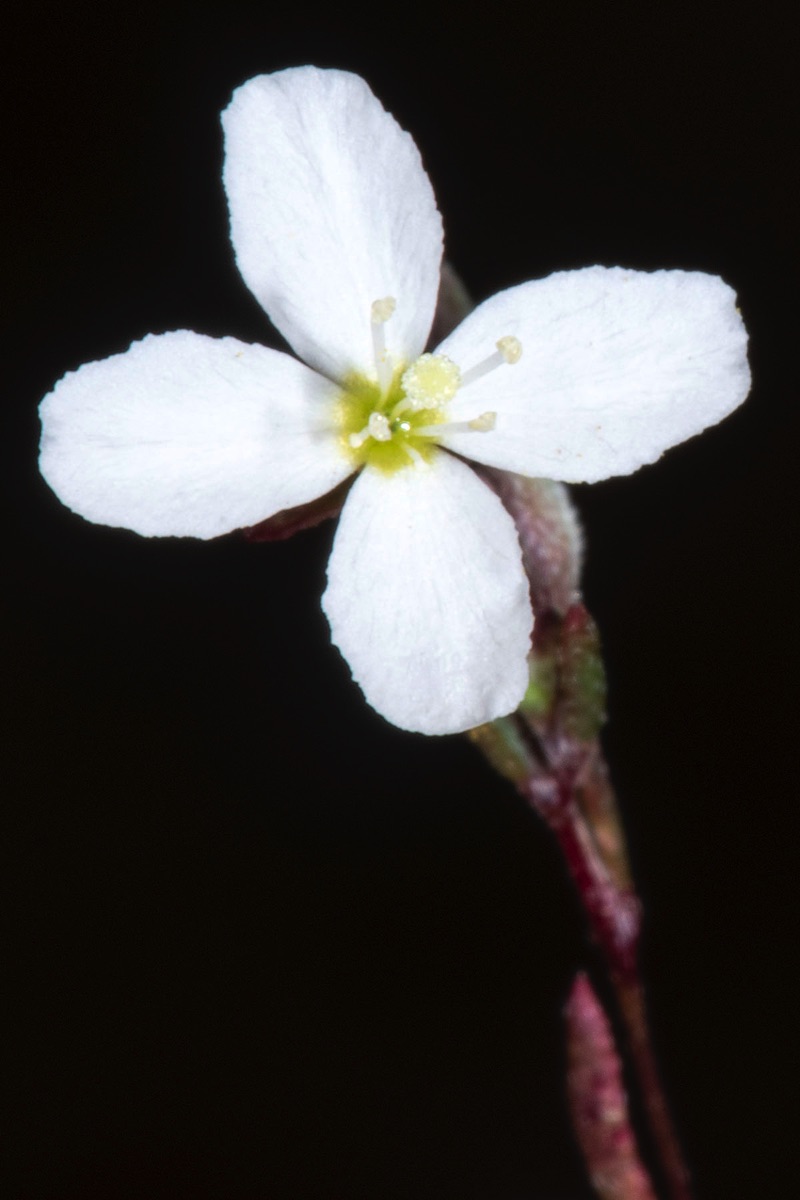
Gayophytum
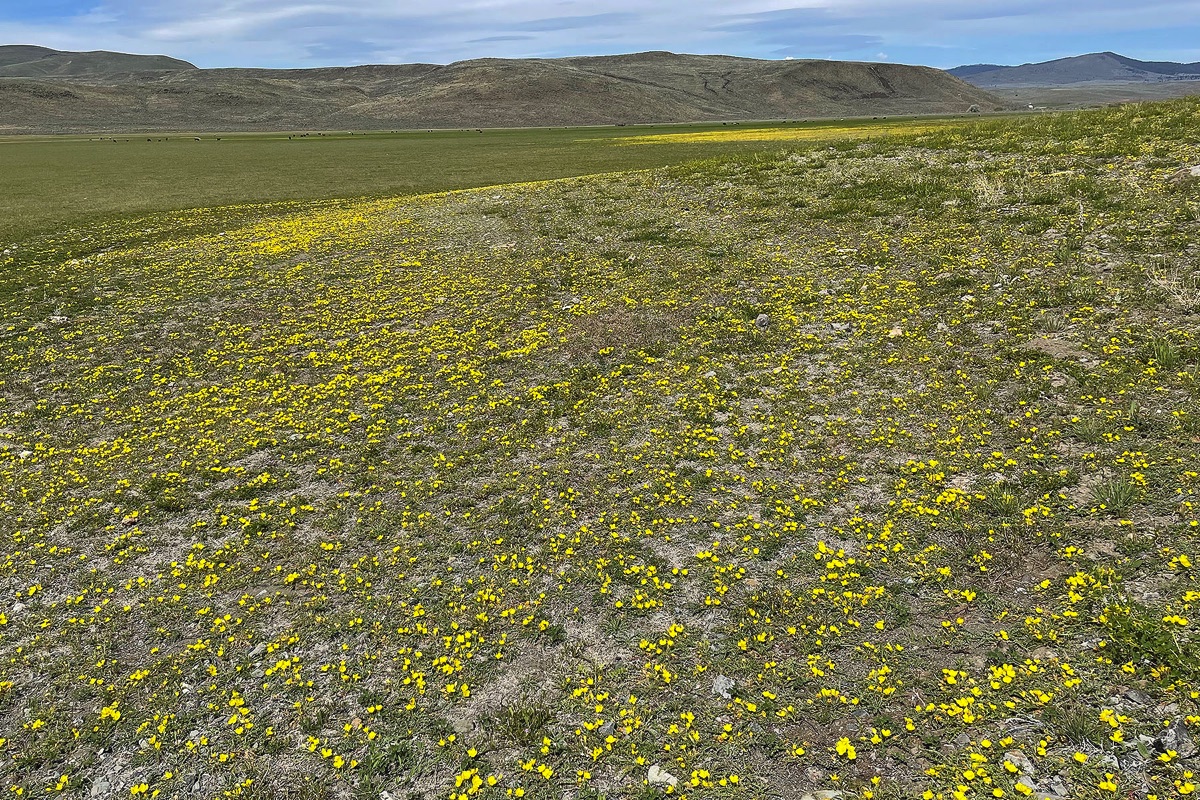
Taraxia breviflora - this species prefers moist sites, such as this lowland adjacent to a reservoir in Oregon
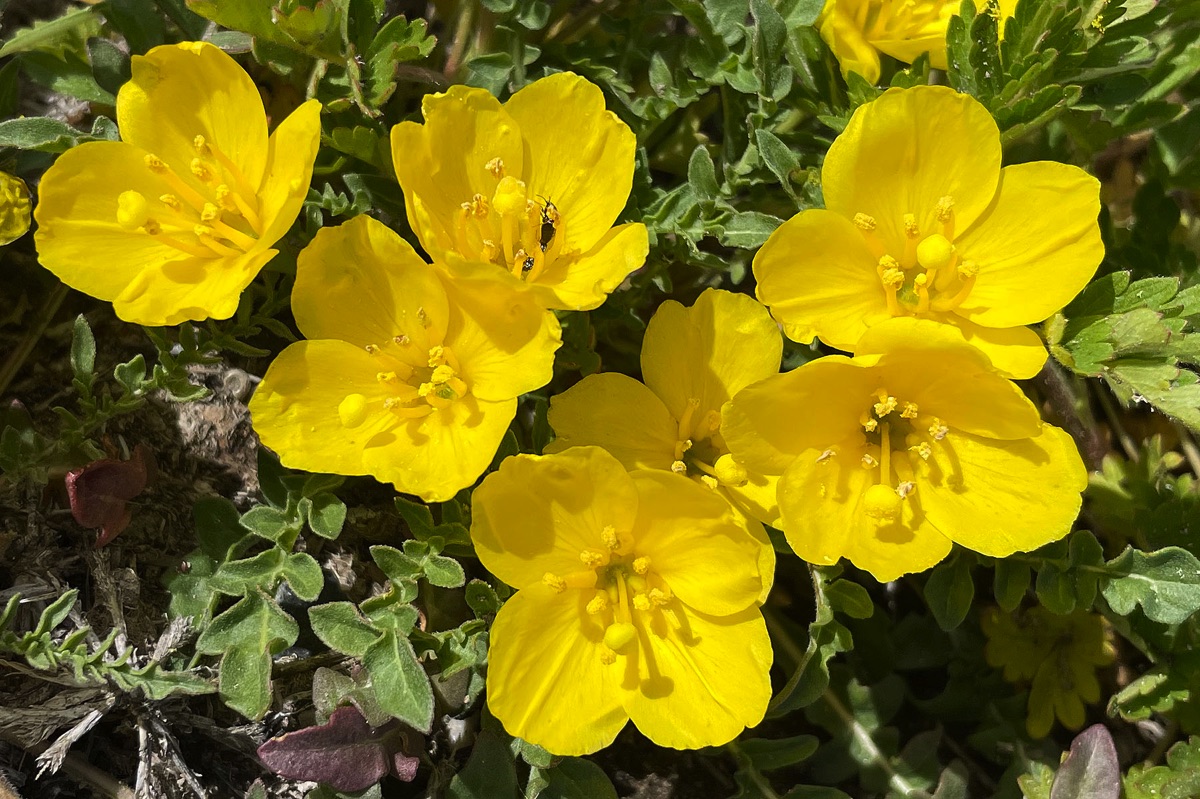
Taraxia breviflora - stigma is globose rather than 4 lobed.
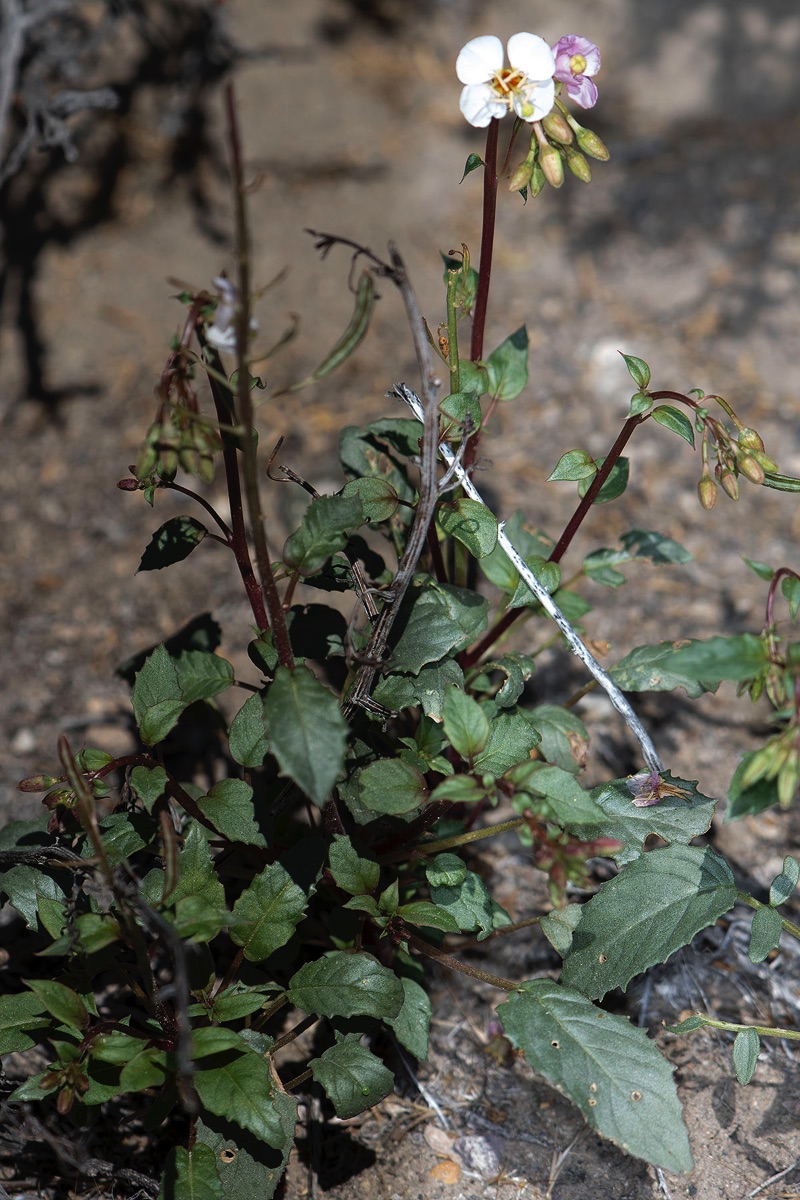
Chylismia claviformis
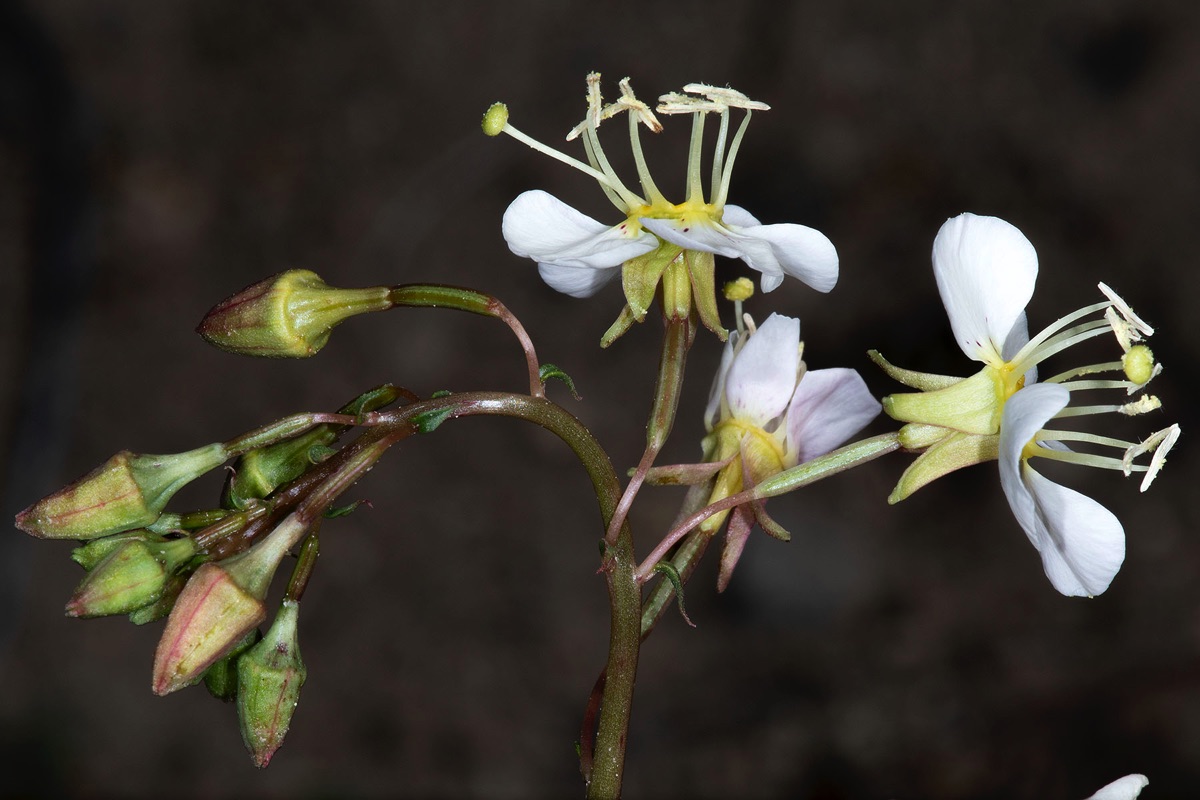
Chylismia claviformis
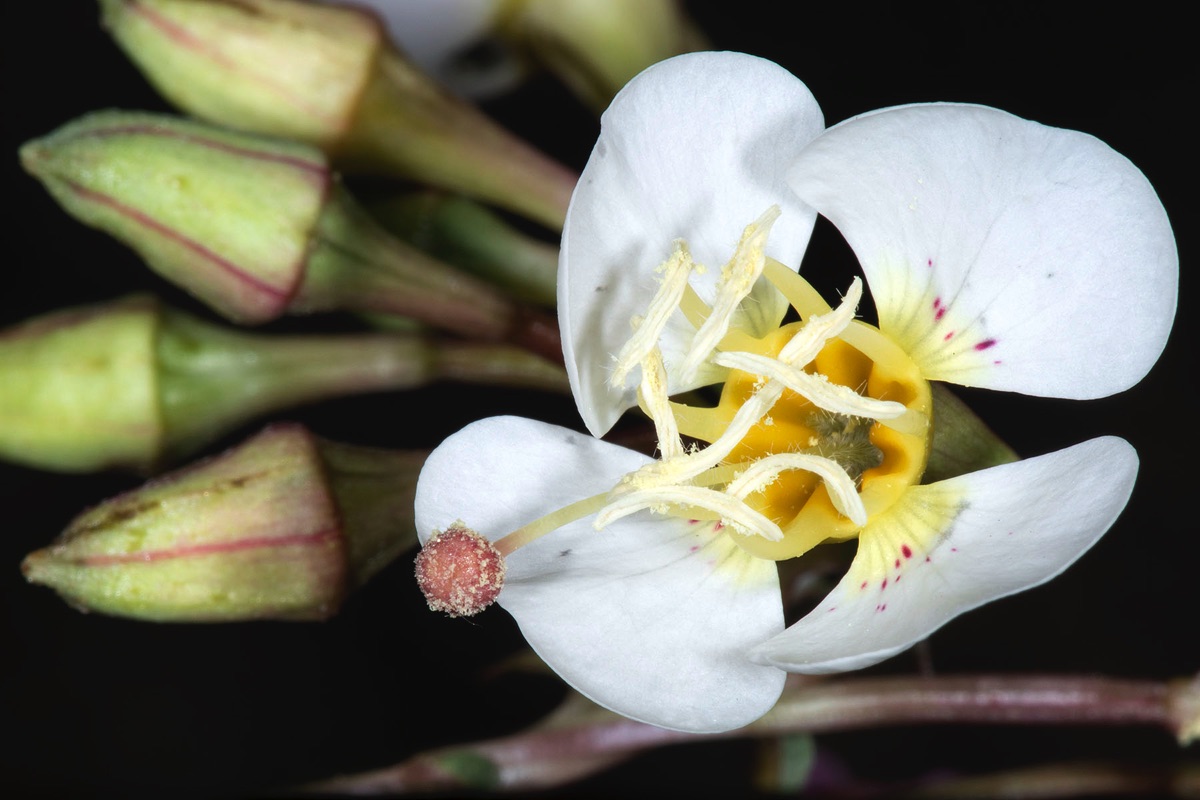
Chylismia claviformis
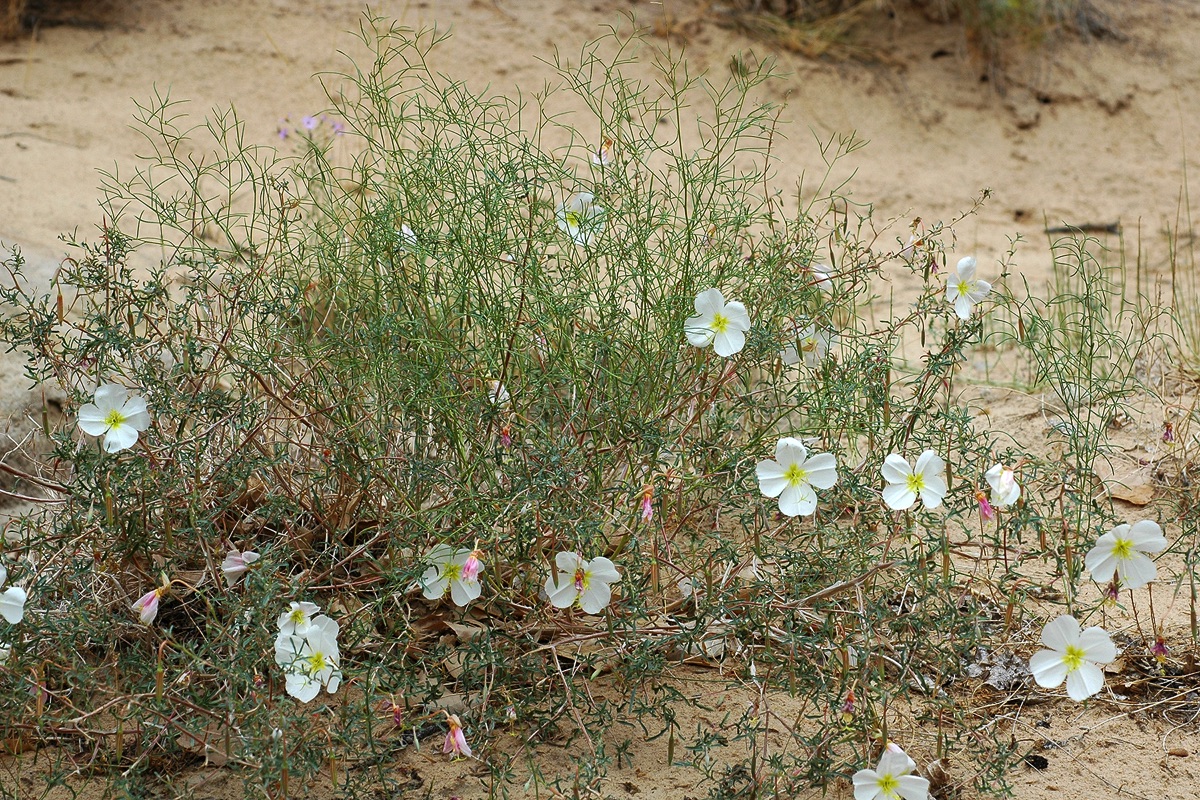
DSC_0284_mod21.jpg
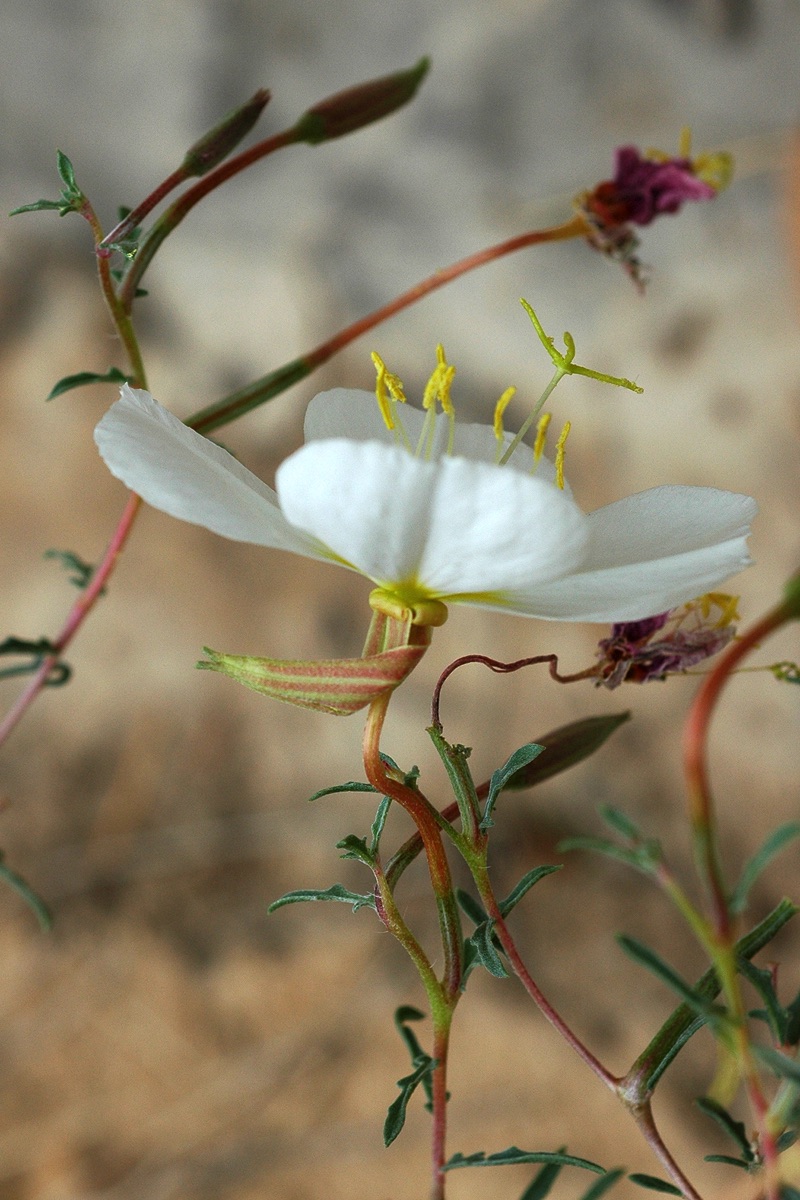
DSC_0286_mod21.jpg
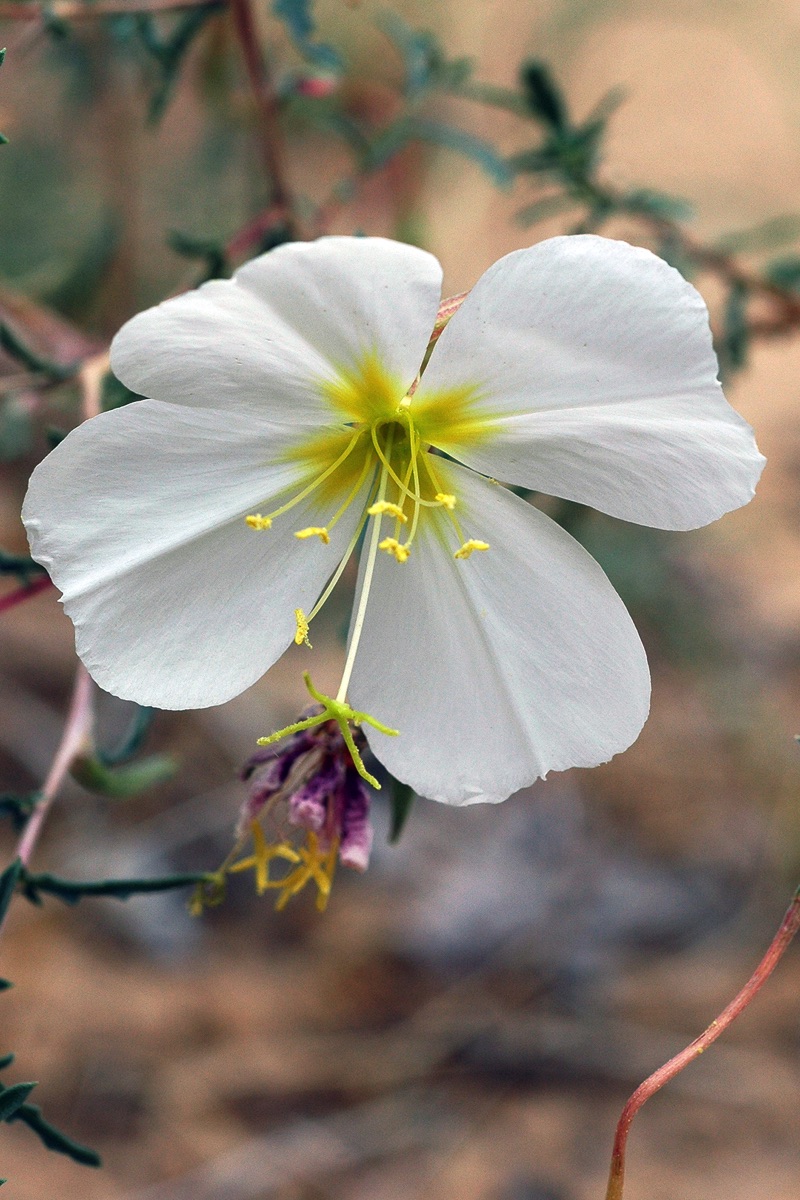
Oenothera
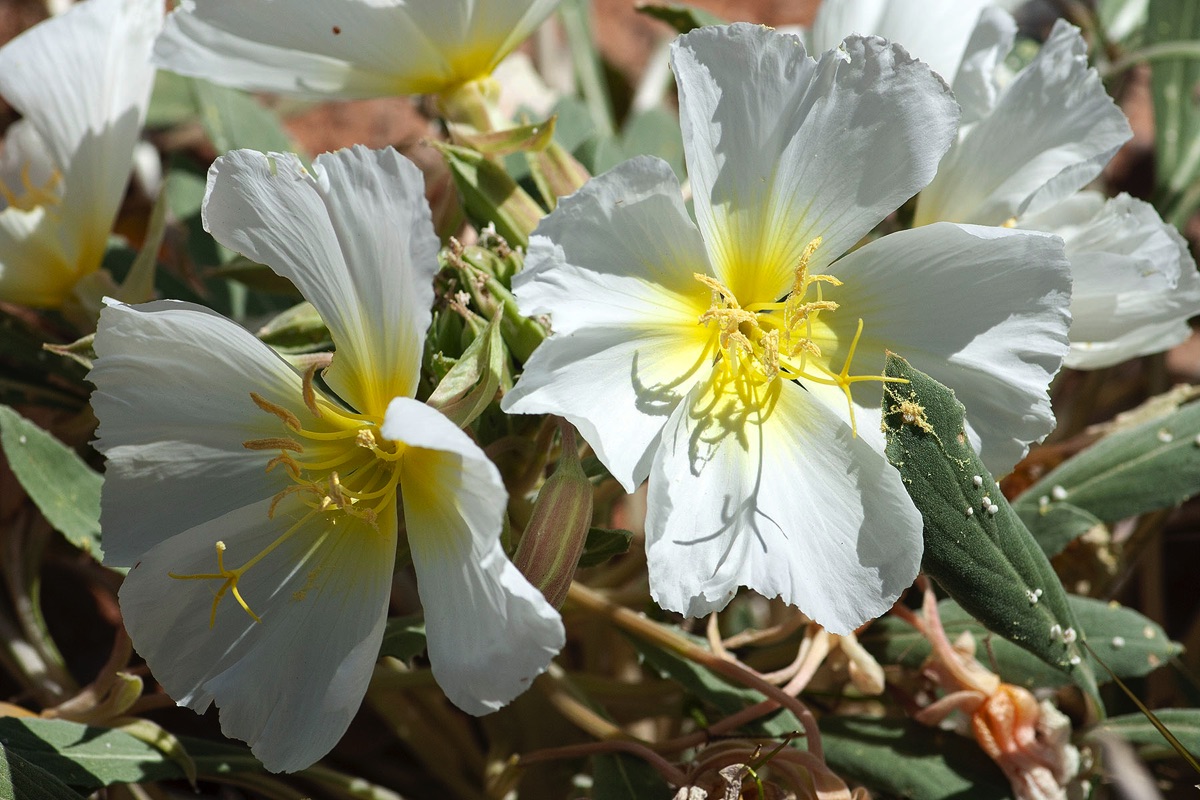
Oenothera - pollen grains form chains by adhering to each other via vicin threads
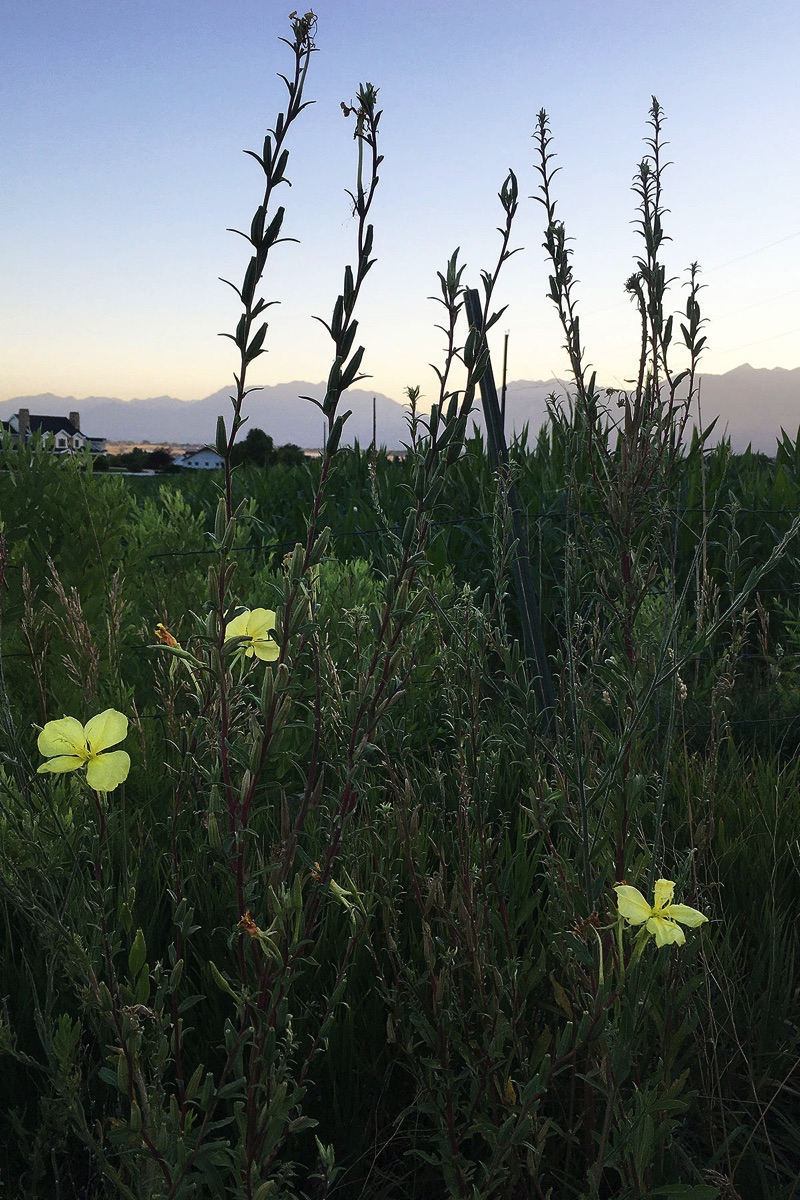
Oenothera villosa
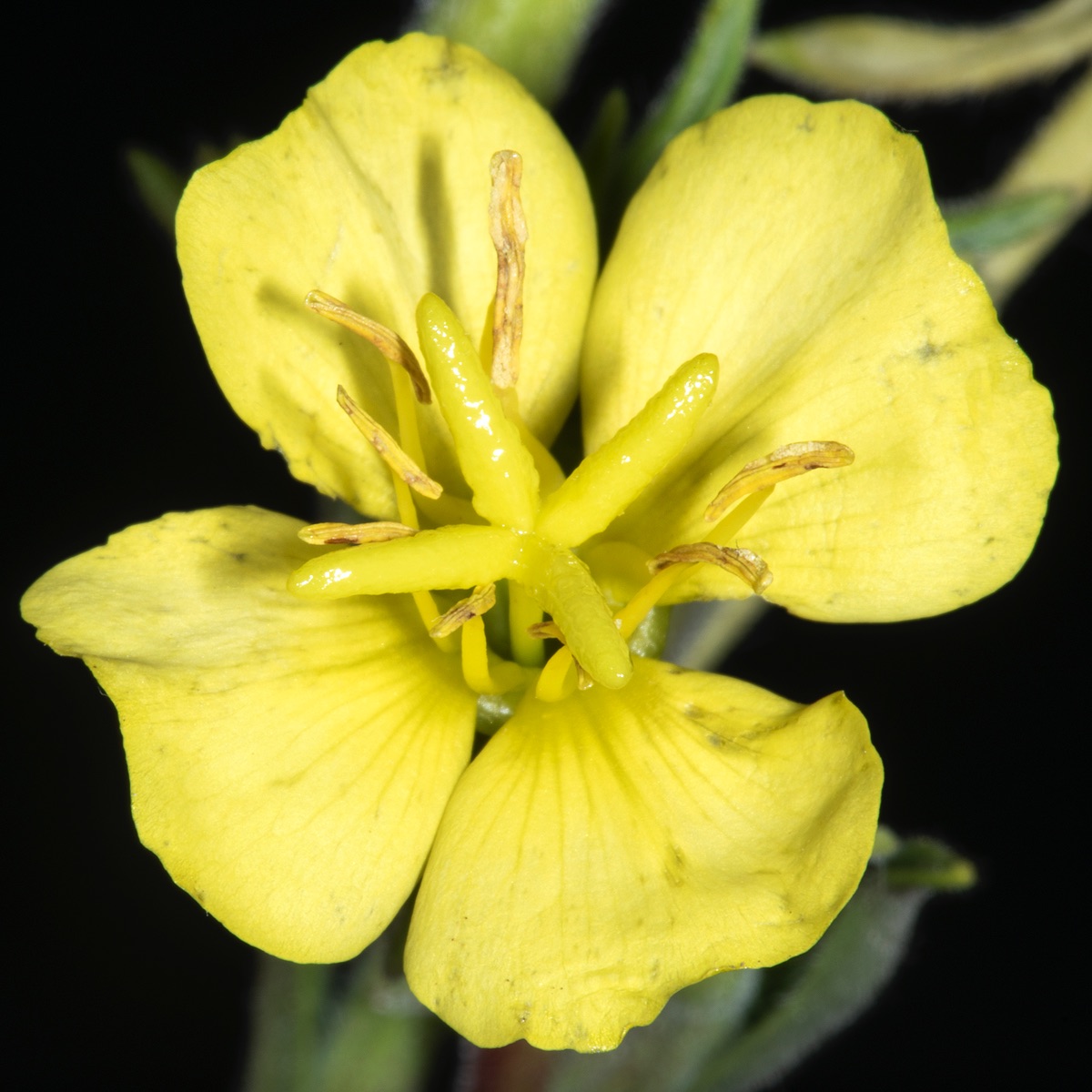
Oenothera villosa
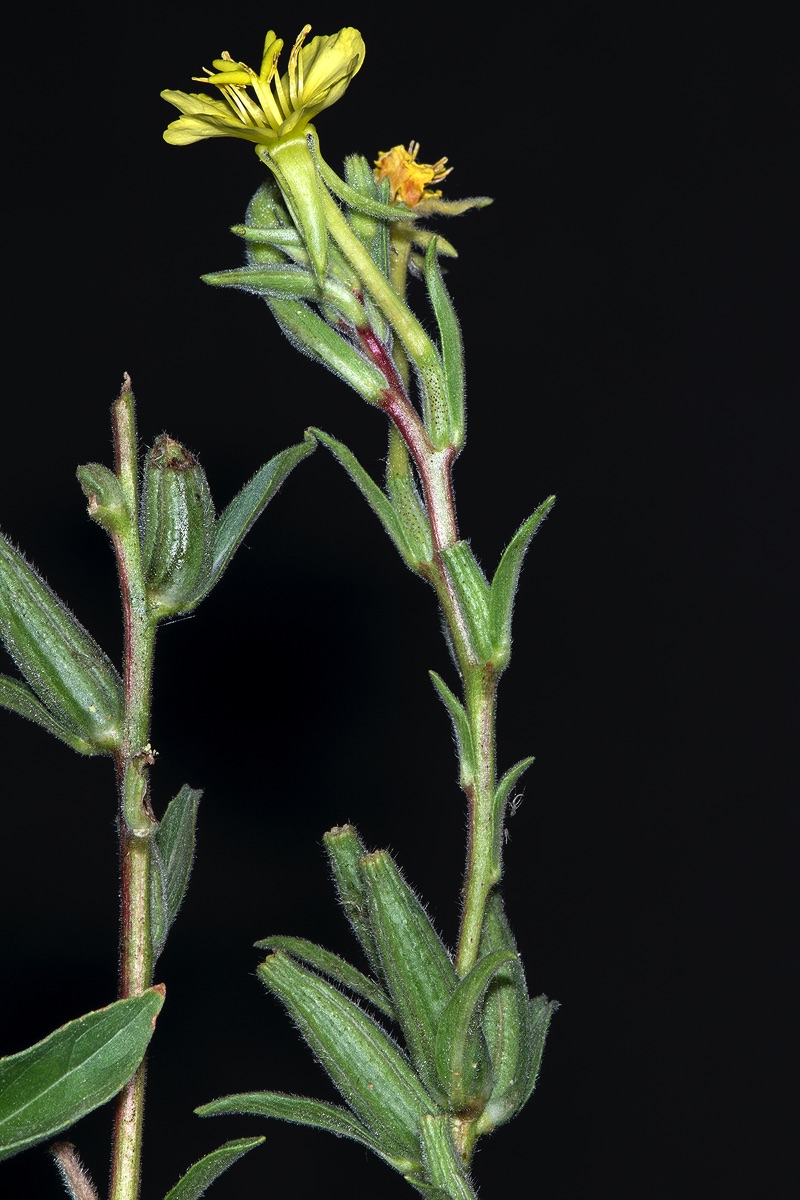
Oenothera villosa
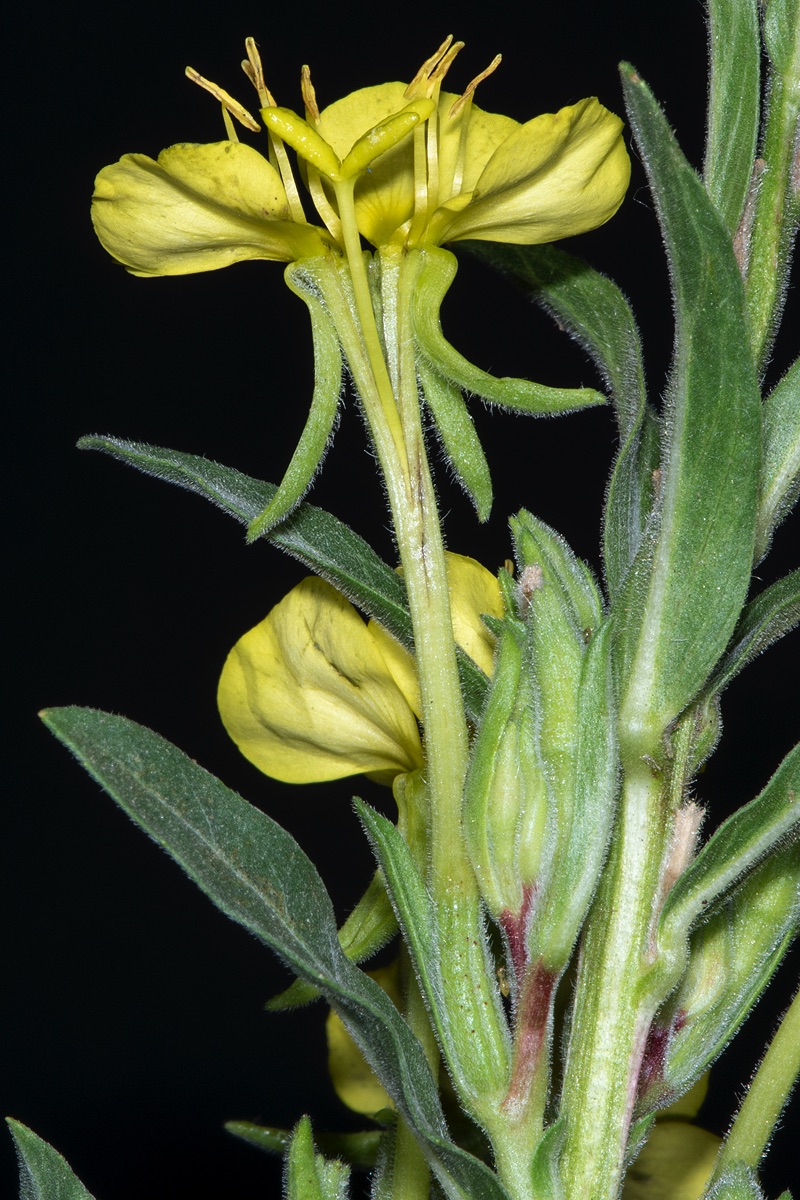
Oenothera villosa - with hypanthium purposefully partially split to show style is free within this elongated floral cup
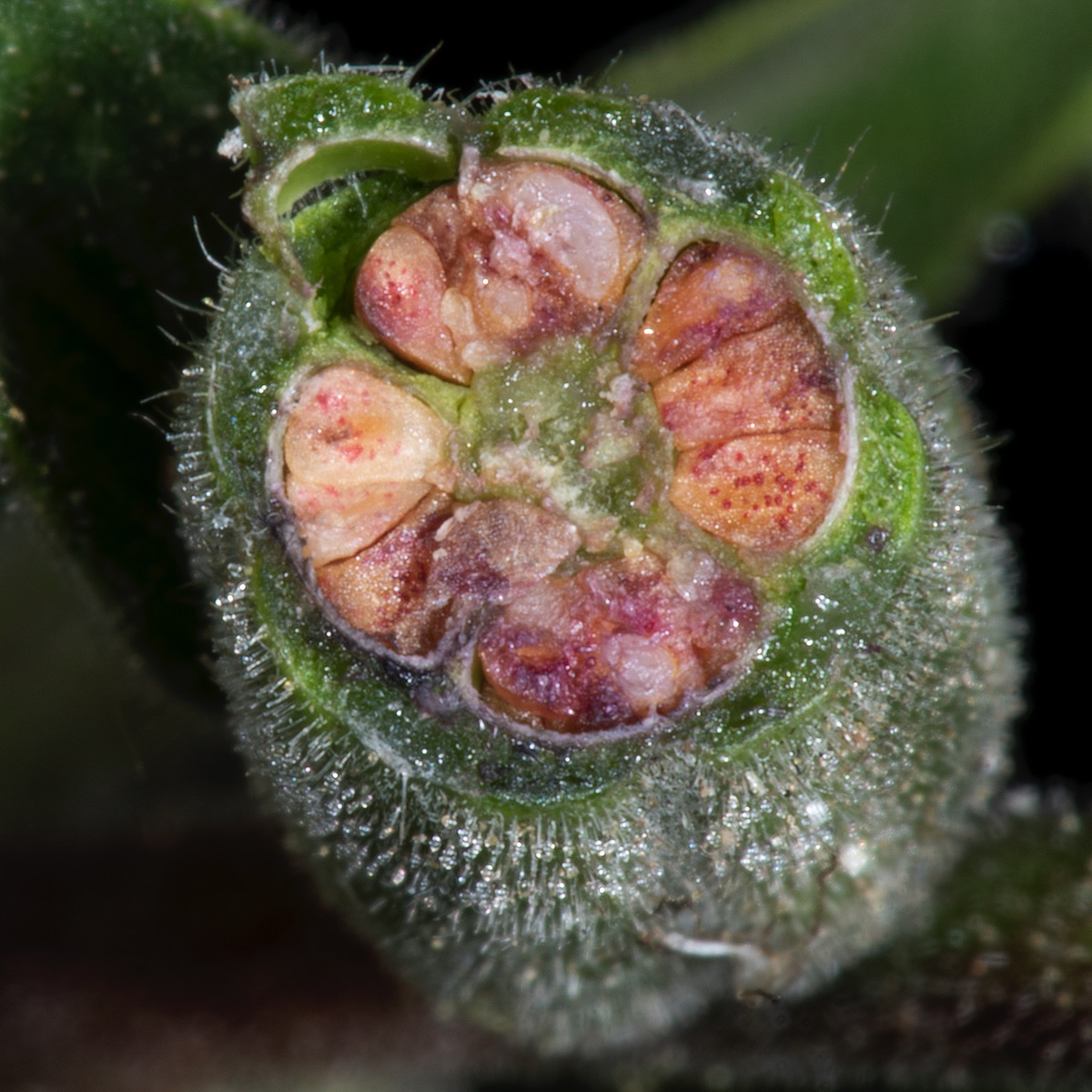
Oenothera villosa - section through 4 carpellate inferior ovary
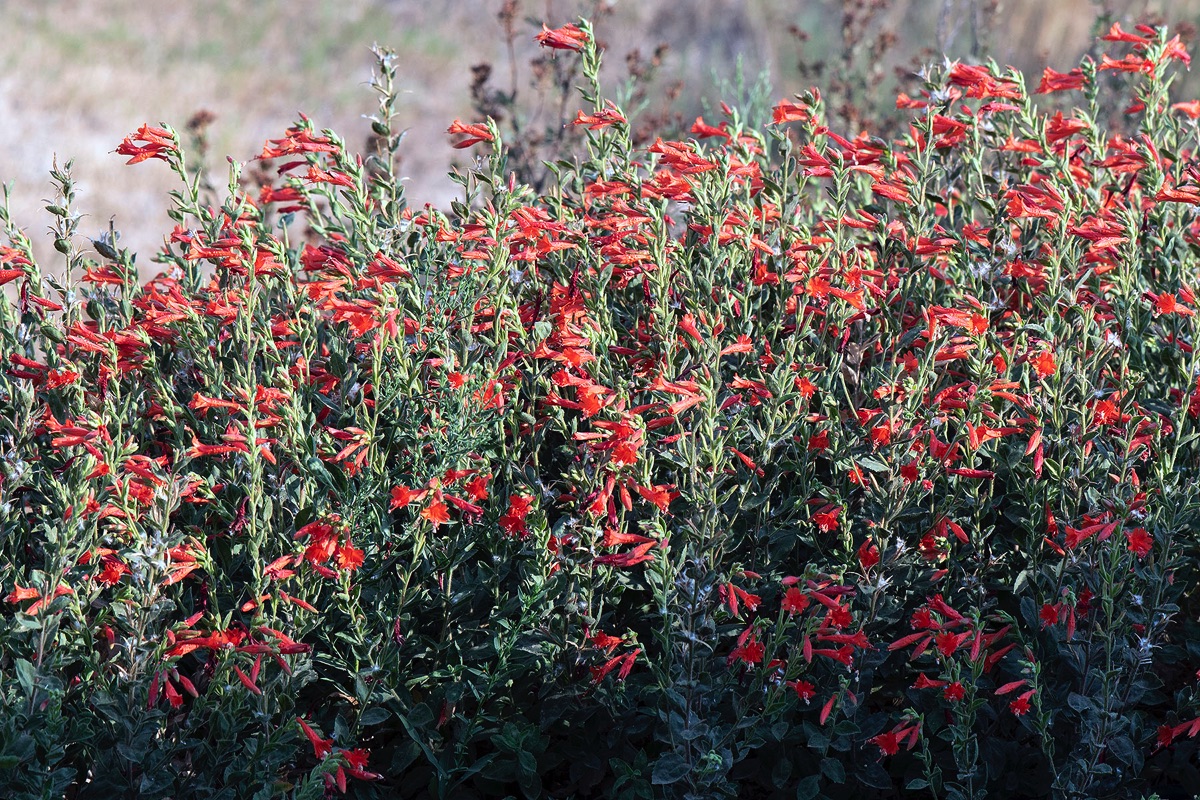
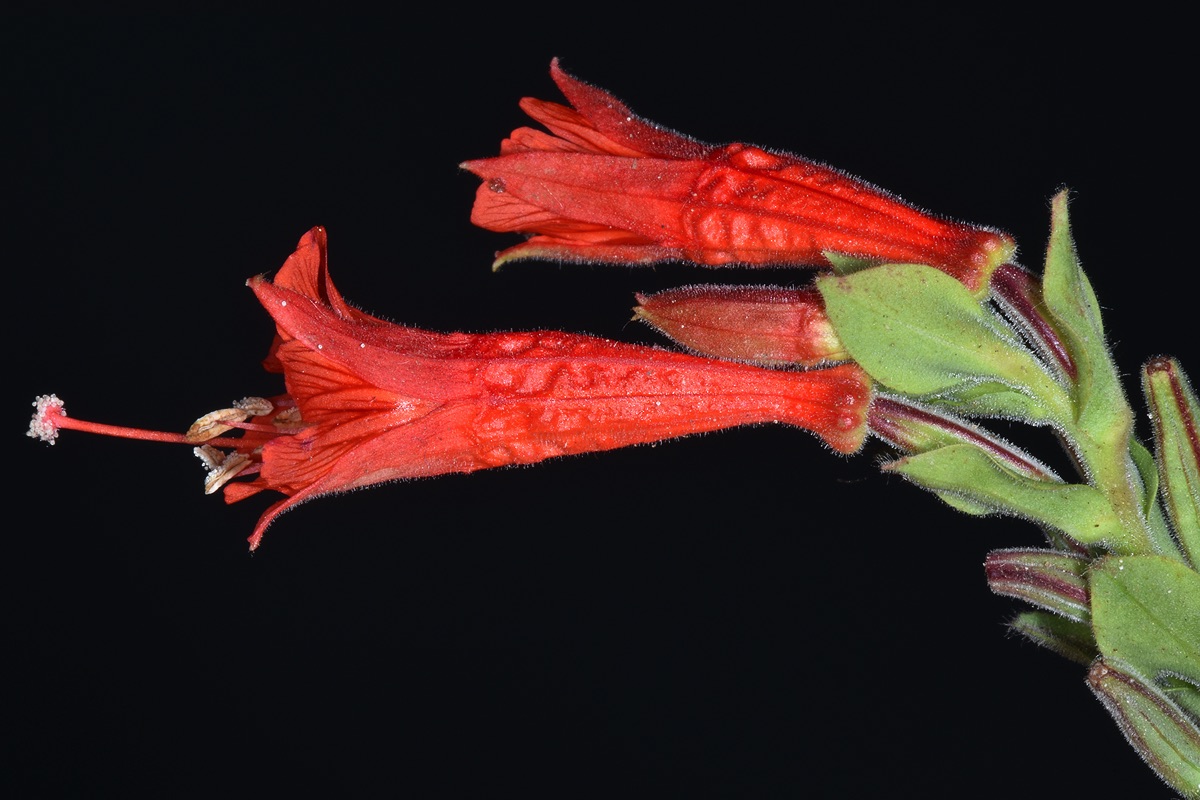
Epilobium (Zauschneria) garrettii
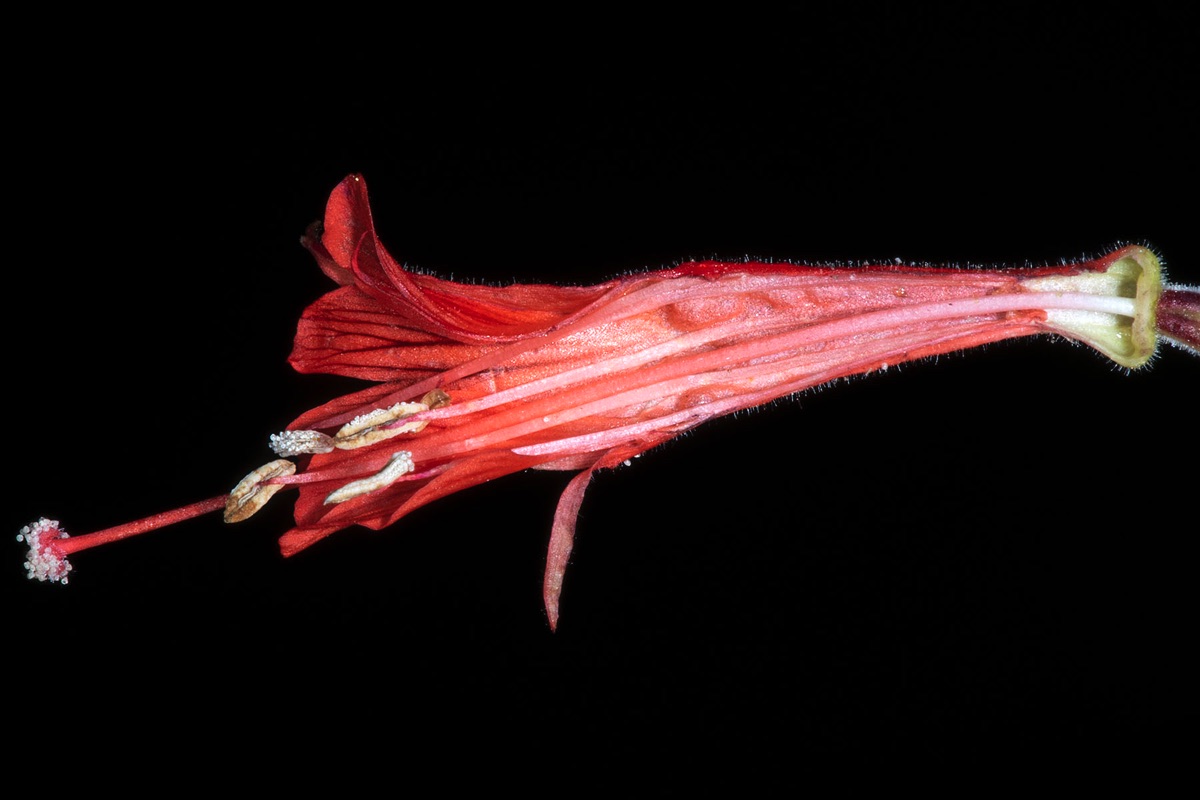
Epilobium (Zauschneria) garrettii - section trhough hypanthium showing style free to base of hypanthium/apex of inferior ovary
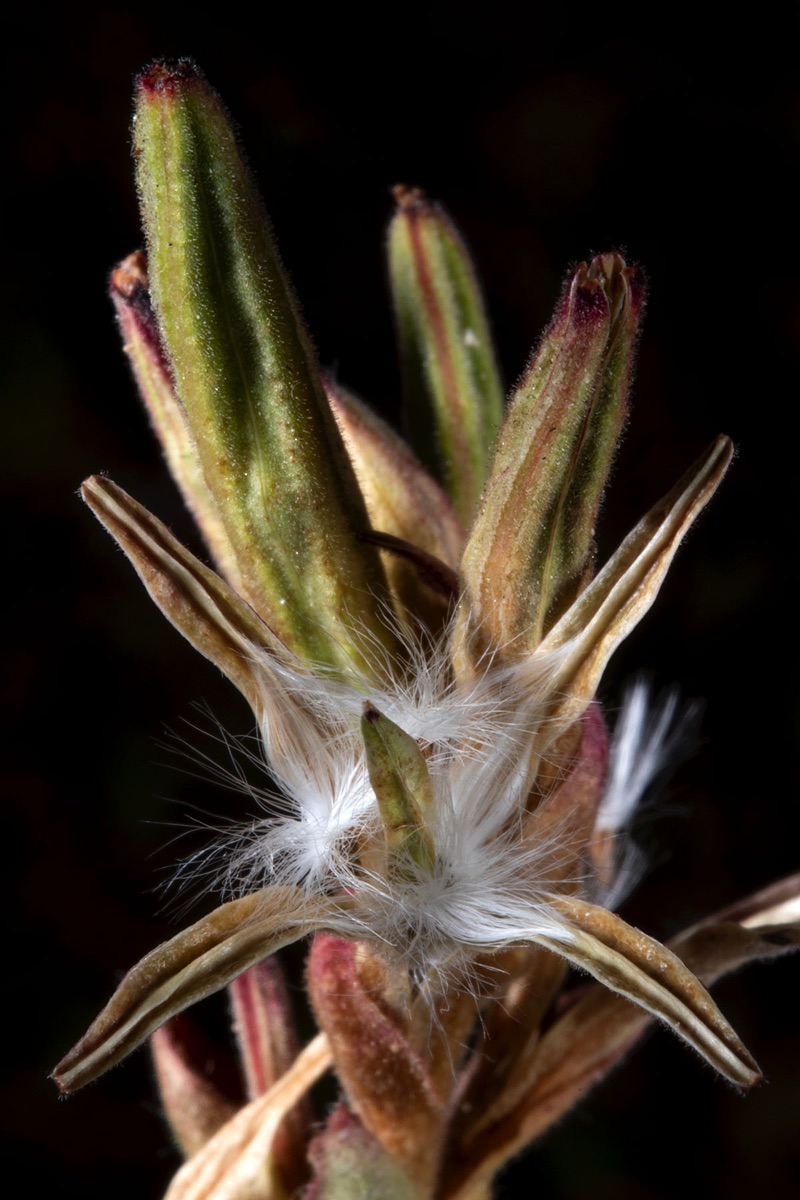
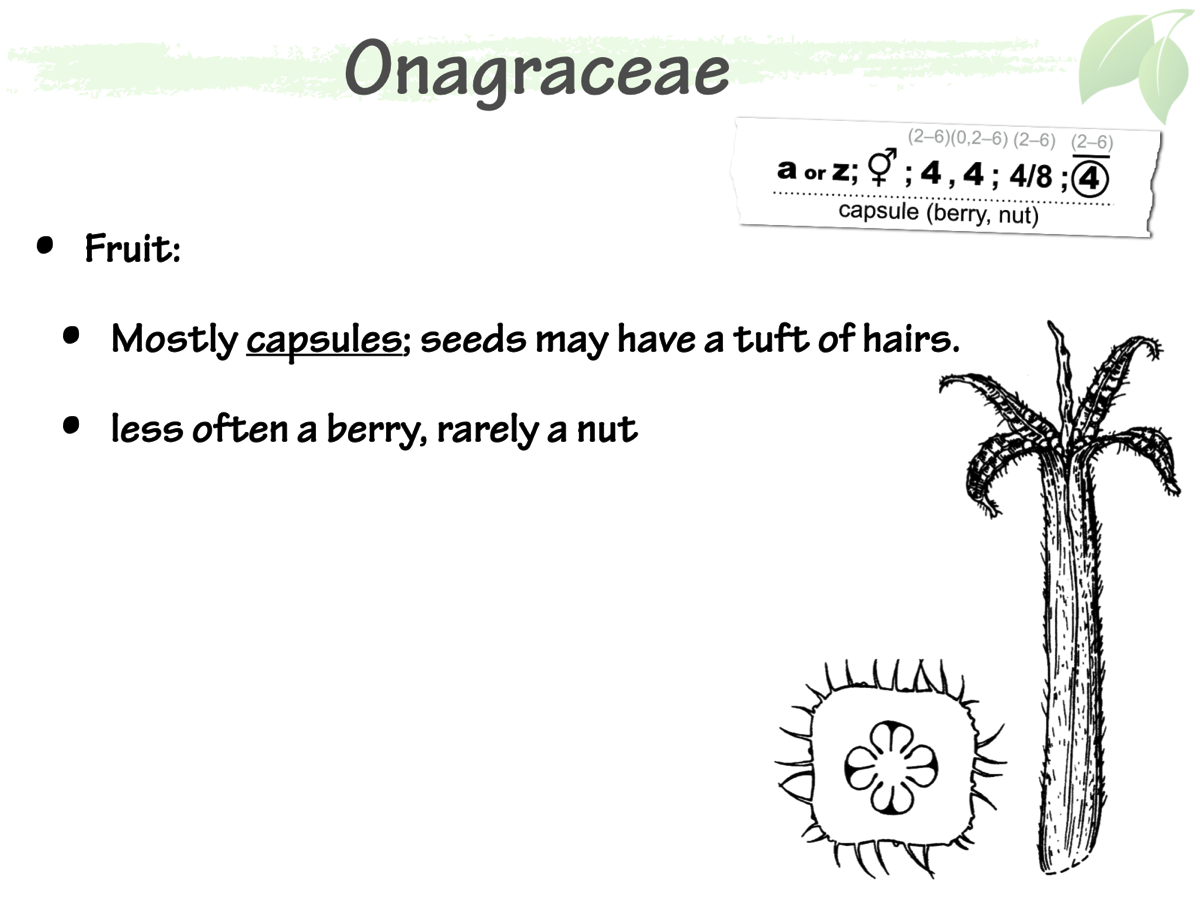
Epilobium (Zauschneria) fruit dehiscing with four valves; Epilobium seeds bear a tuft of hairs
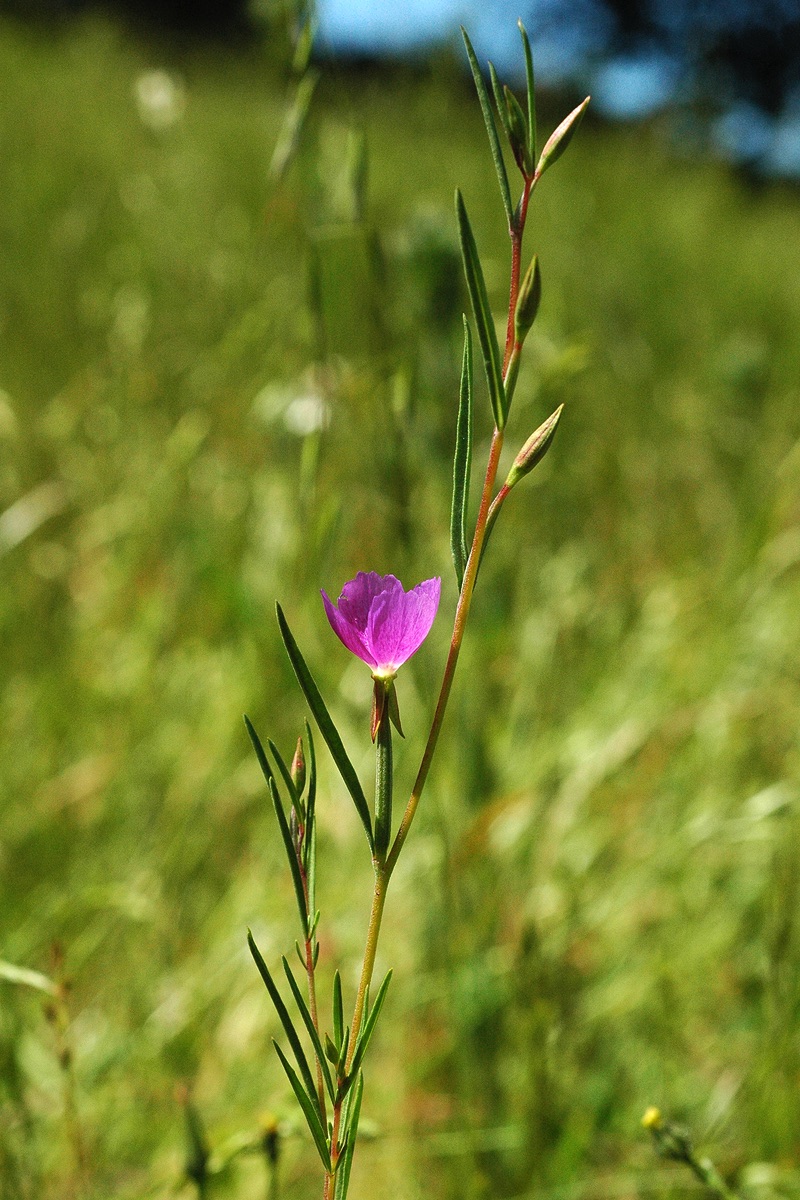
Clarkia
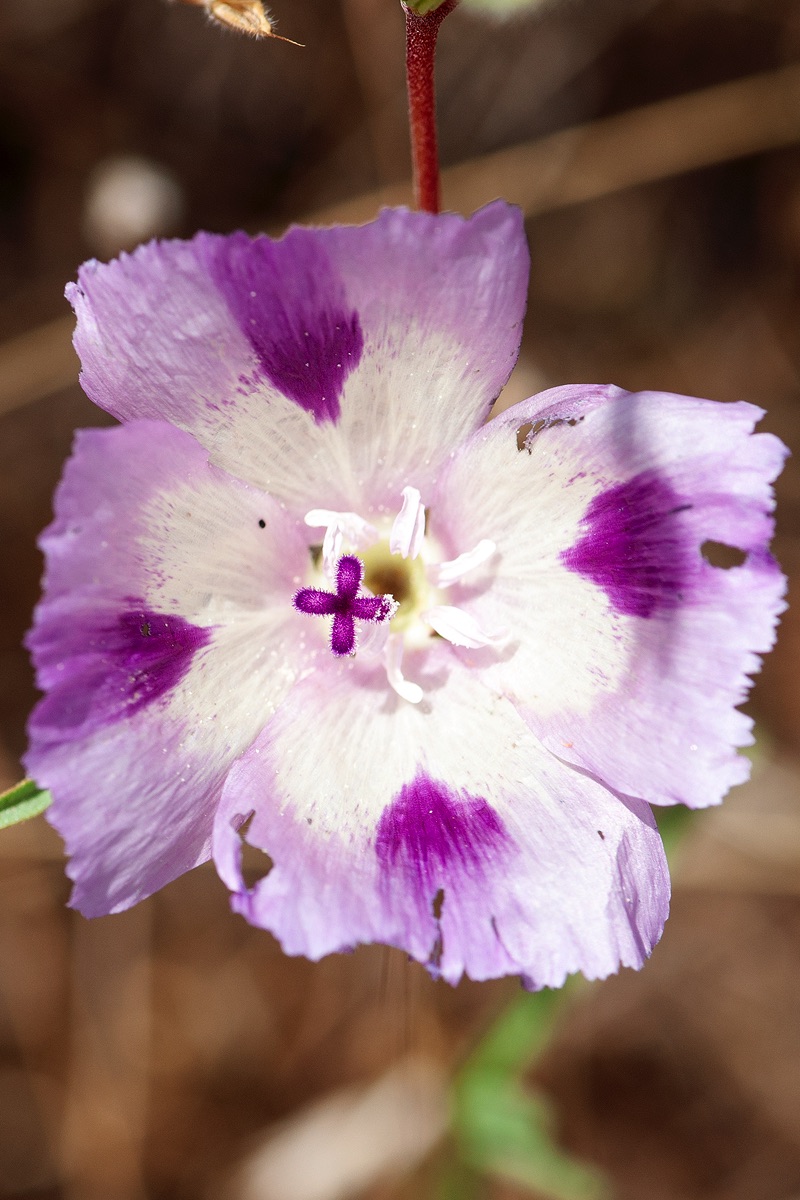
Clarkia
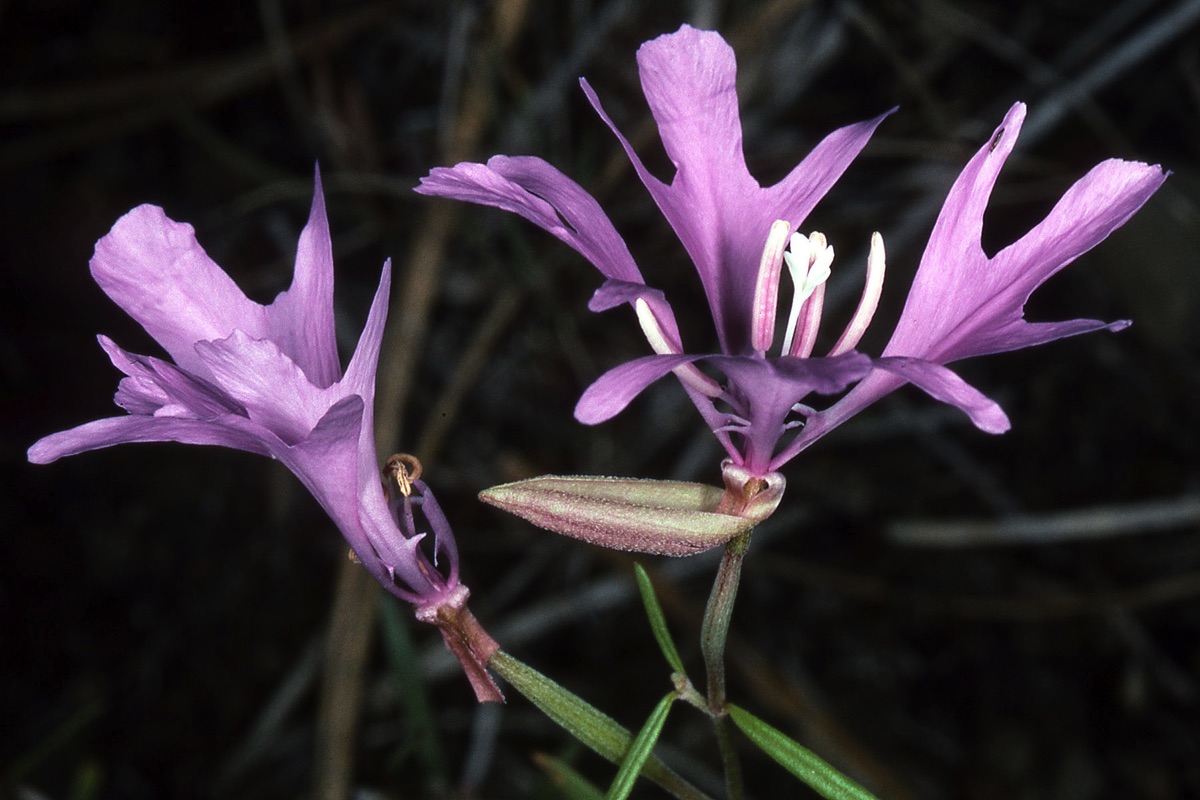
Clarkia pulchella; sepals in Onagraceae are either erect, reflexed, or they fold to one side because their tips don't completely separate
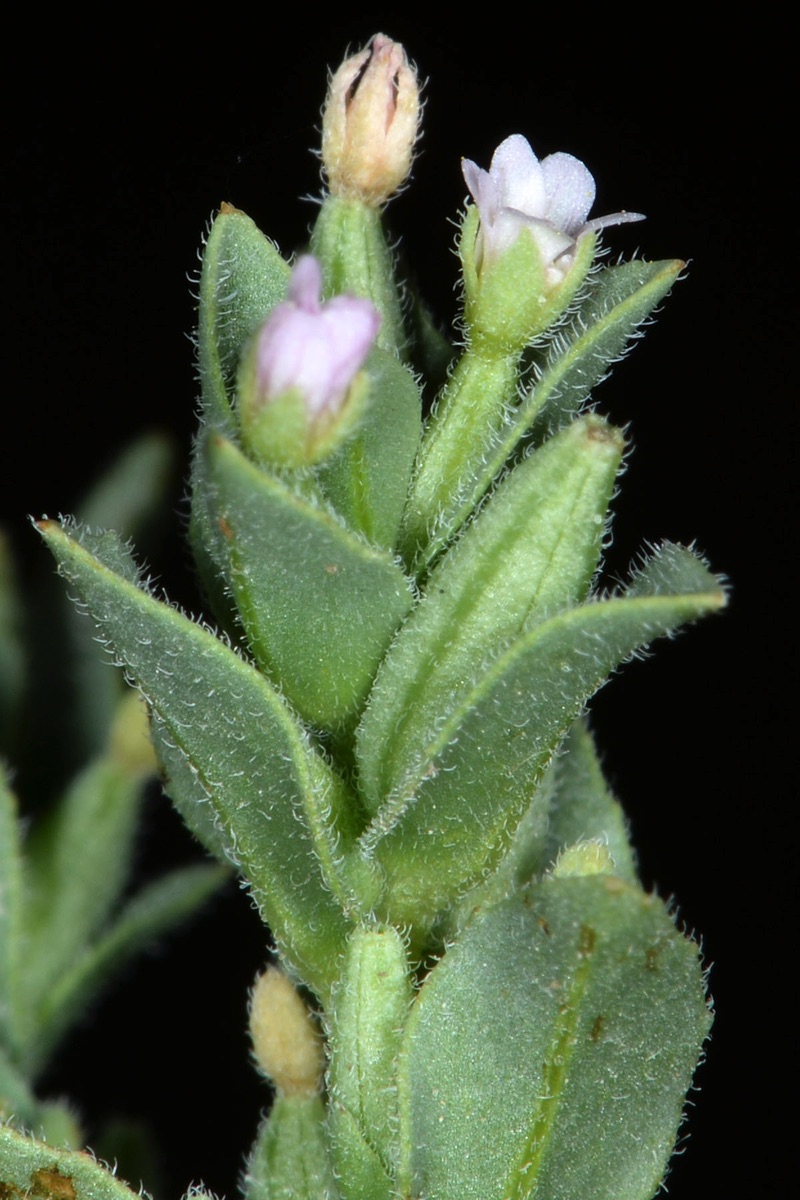
Epilobium campestre -- small flowers with notched petals
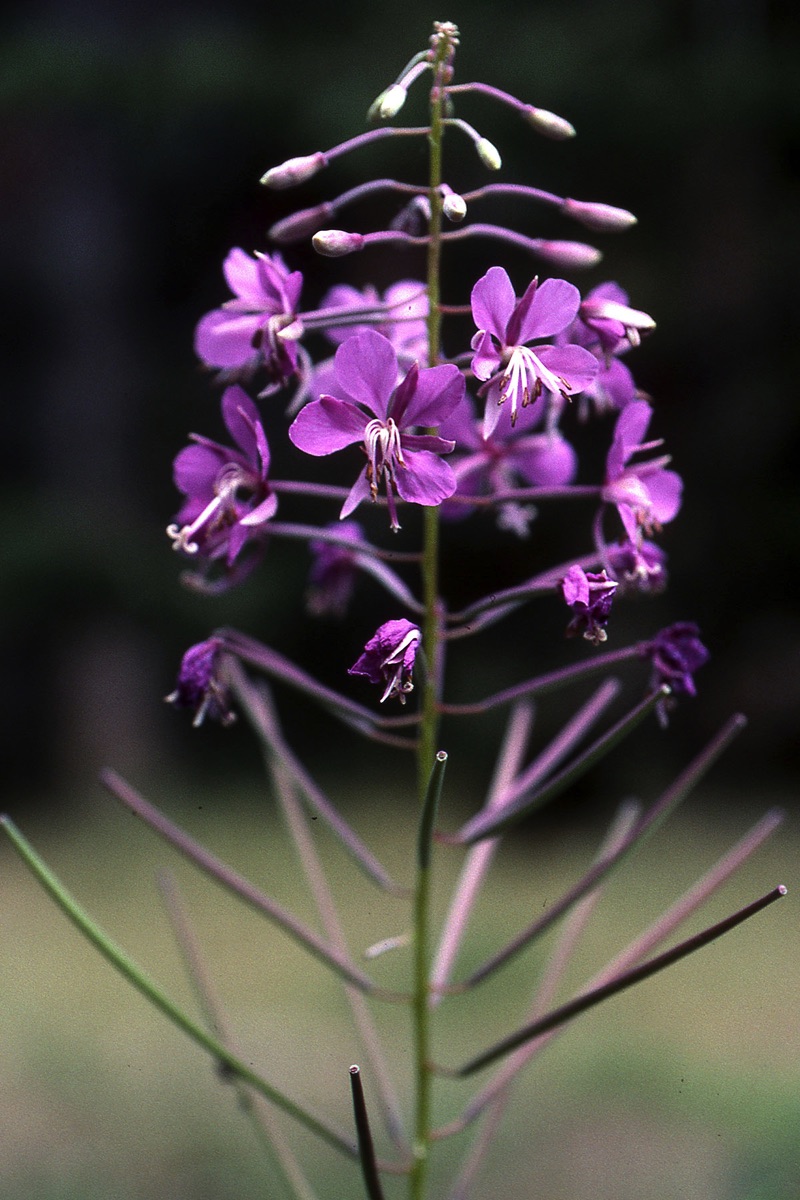
Epilobium angustifolium
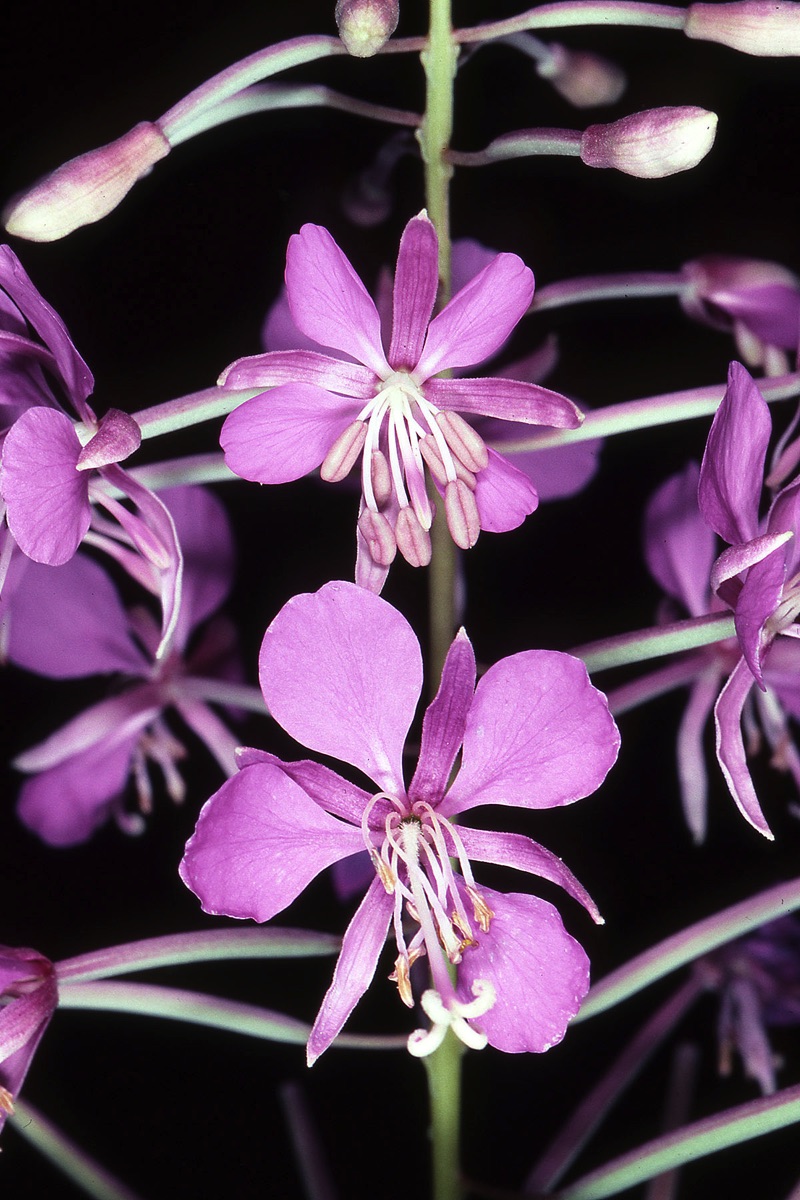
Epilobium angustifolium
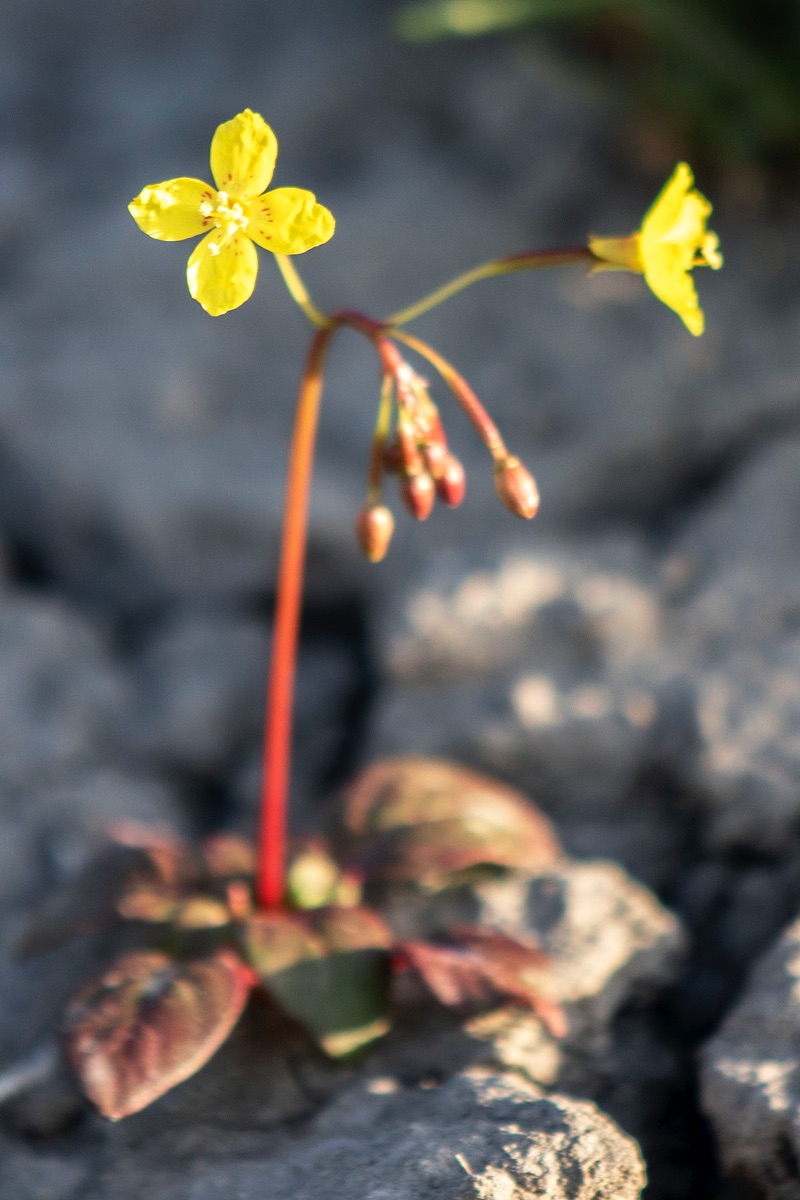
Chylisma scapoidea
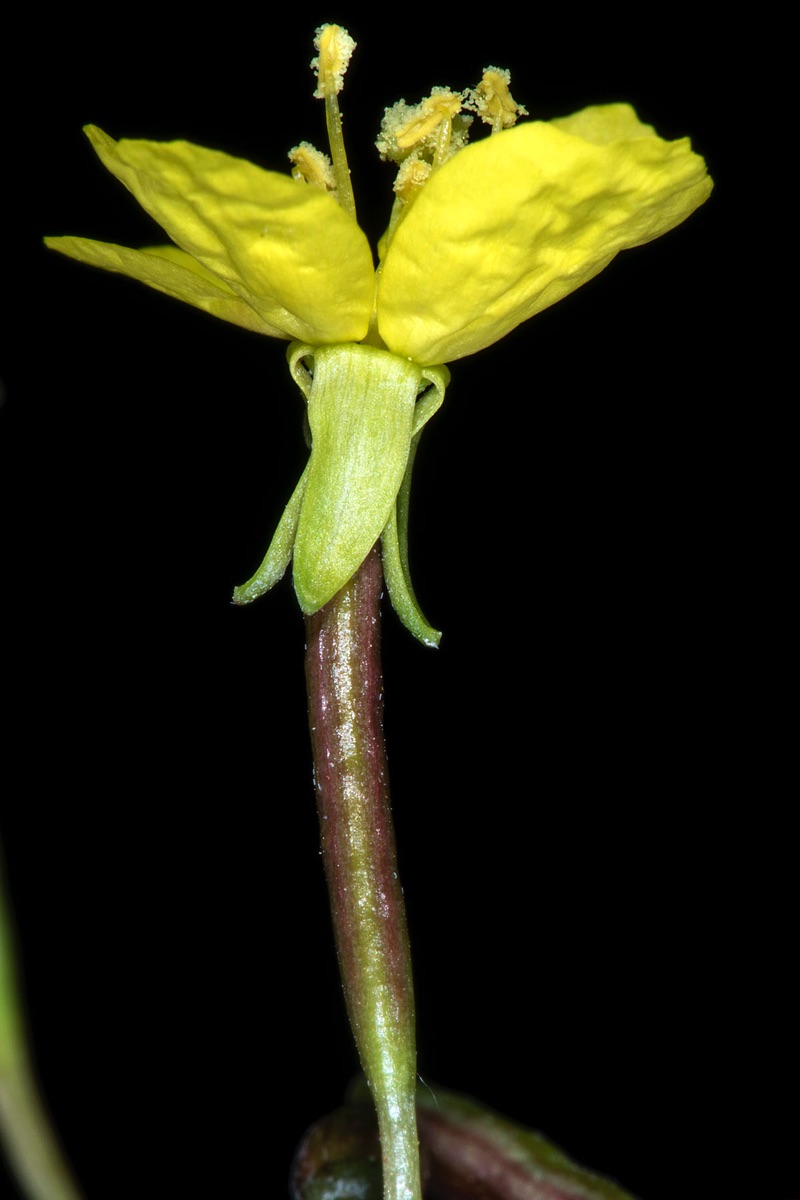
Chylisma scapoidea; thick inferior ovary apparent between reflexed sepals and narrower pedicel at base; a short hypanthium is hidden underneath the sepals
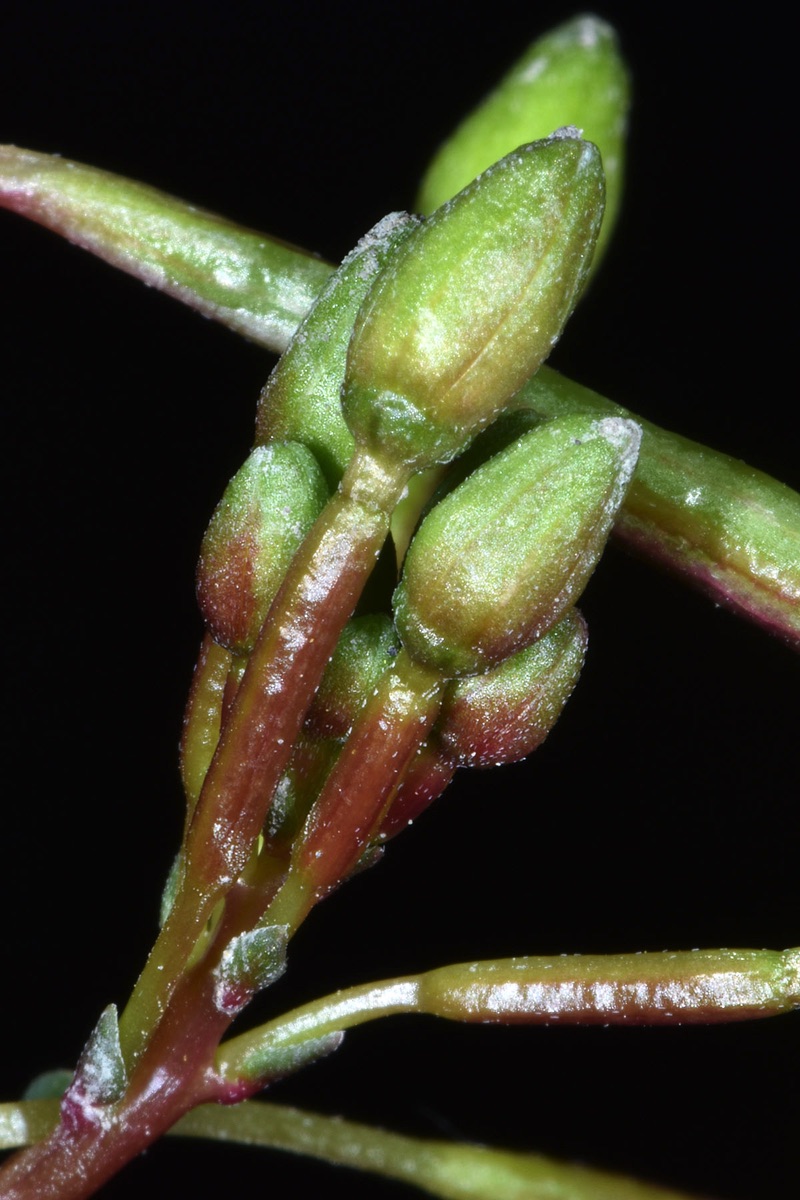
Chylisma scapoidea; flowers in buds show that the hypanthium is short in this species
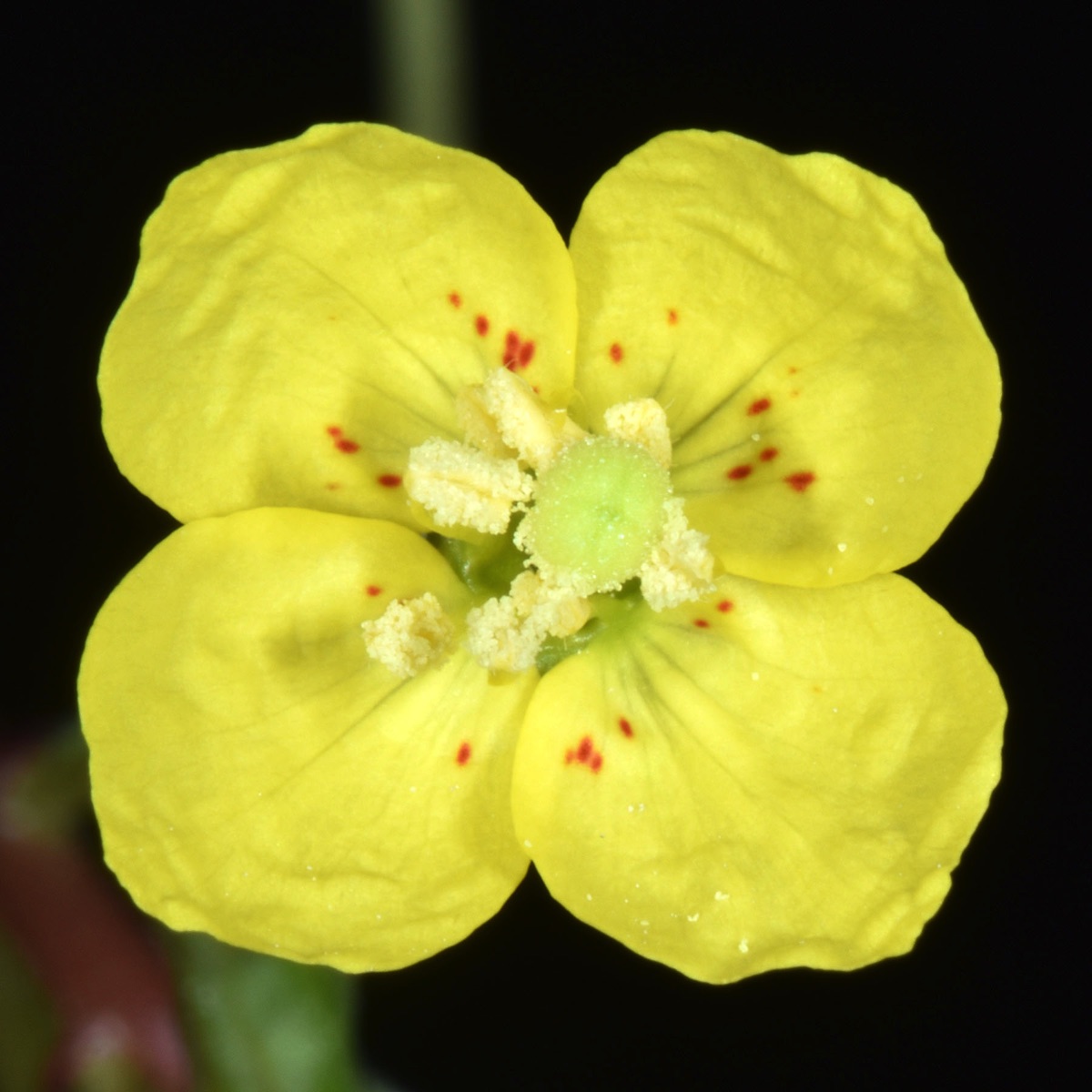
Chylisma scapoidea; 8 stamens, 4 are longer than the other 4
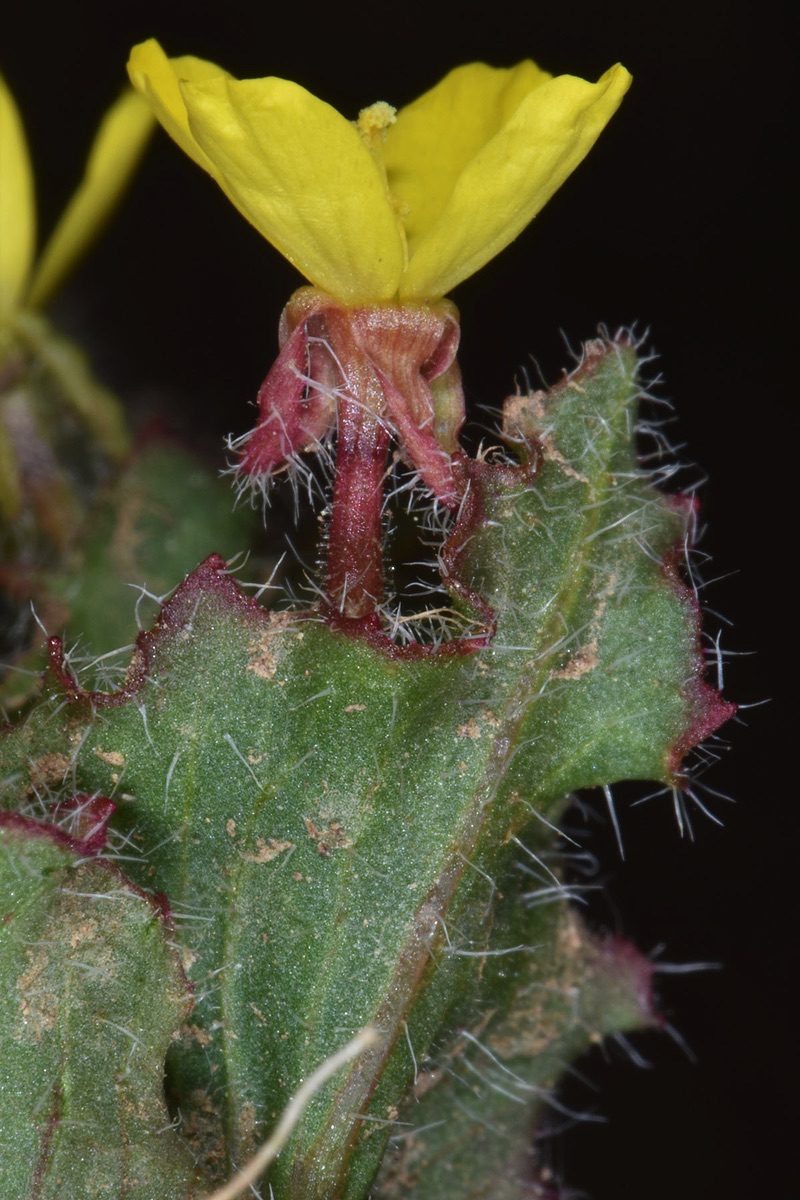
Camissoniopsis hirtella; this species epithet refers to its hairs
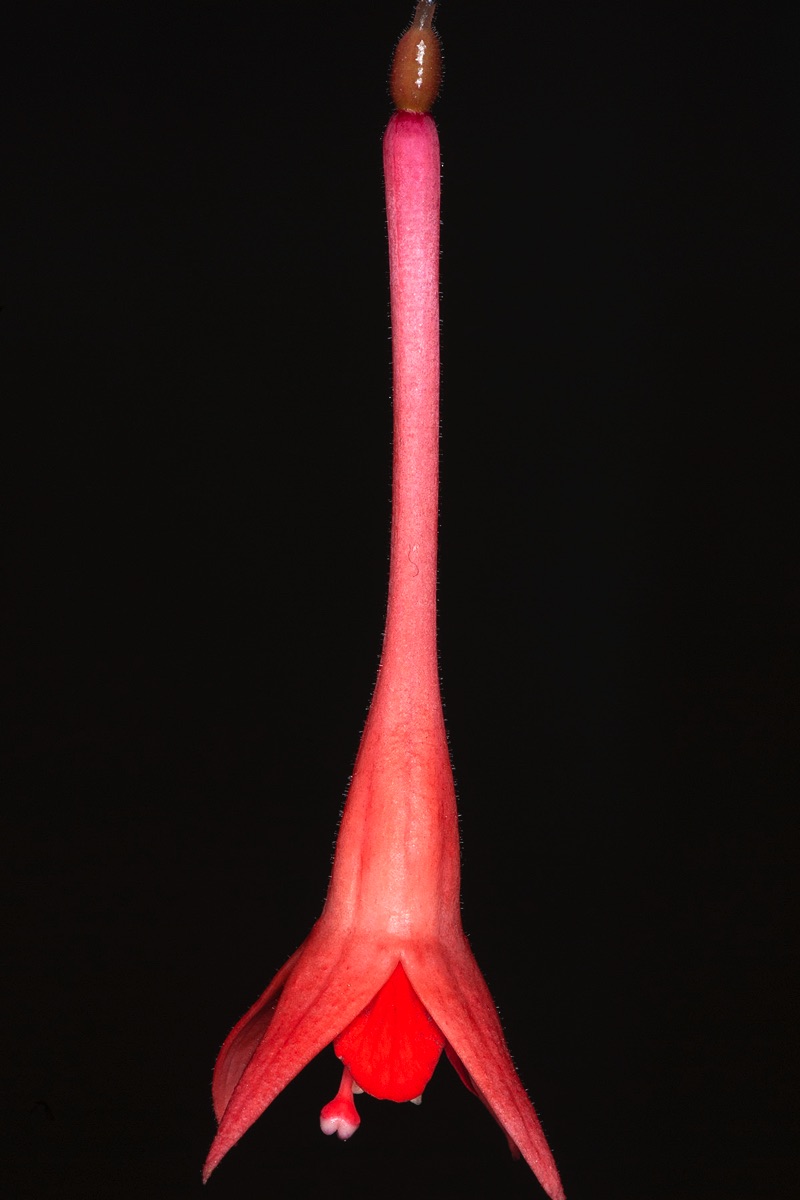
Fuchia sp.; these flowers may dangle for pollination. Note the small round inferior ovary and elongate, funnel shaped hypanthium
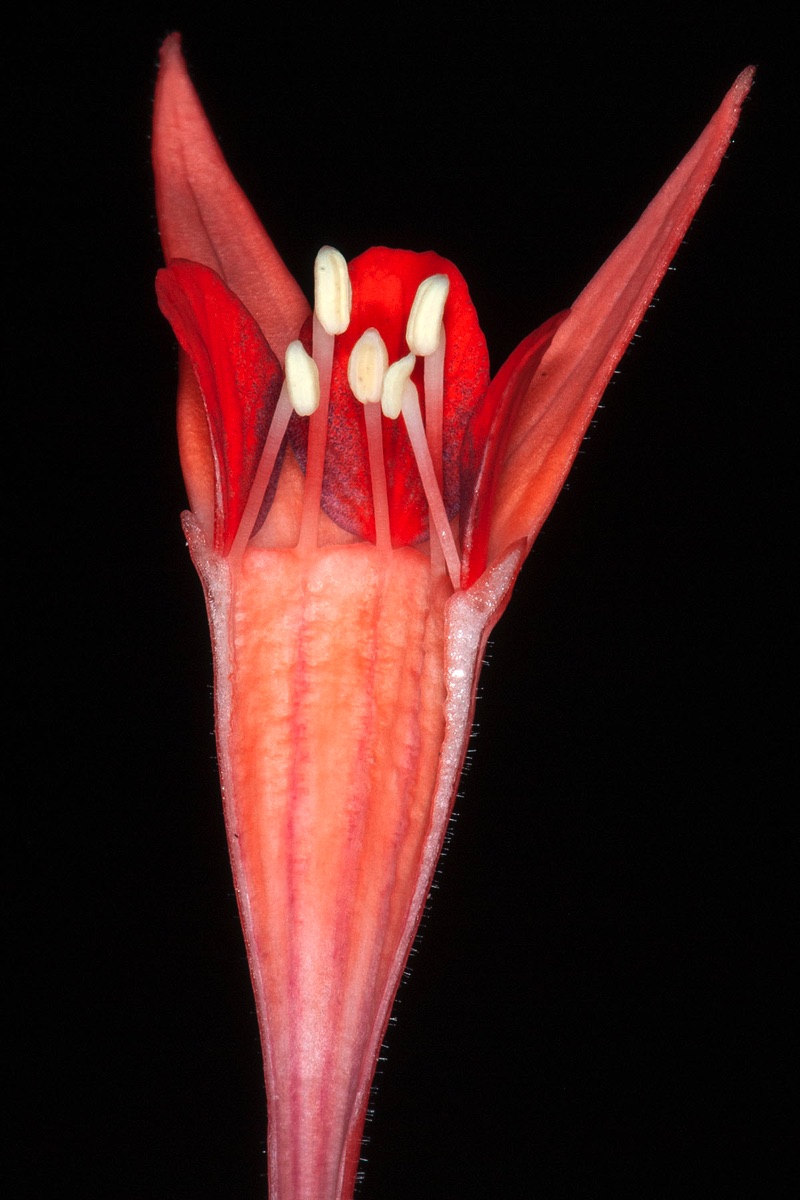
Fuchia sp. sectioned through hypanthium. The rim of the hypanthium where the free petals, sepals, and stamens are attached is evident
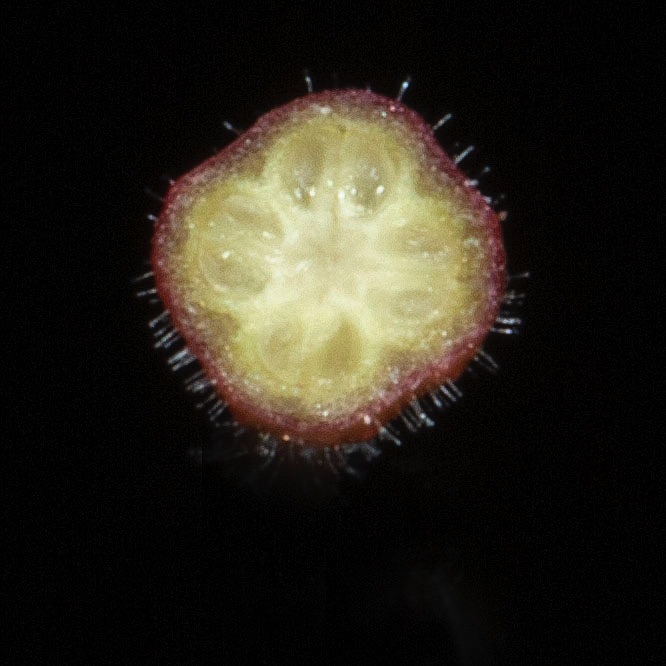
Fuchia sp.; section through 4-carpelate ovary
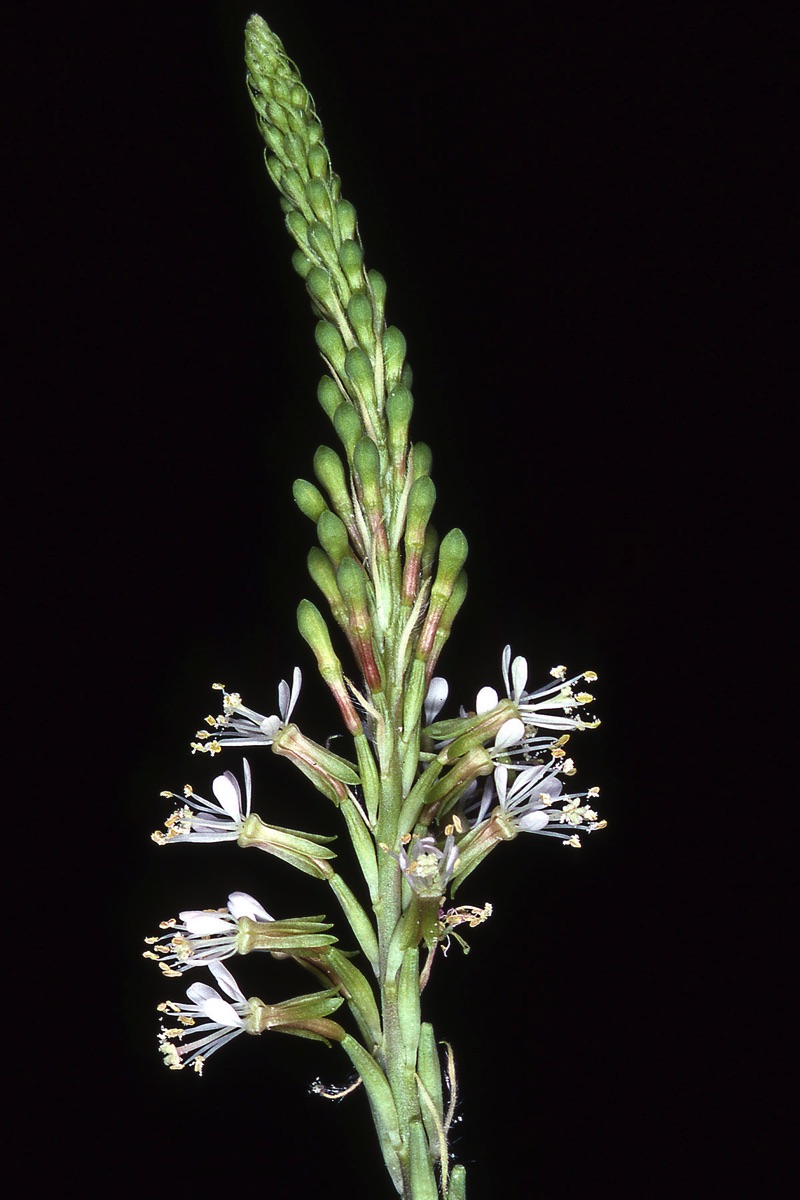
Oenothera curtiflora (= Gaura parviflora); this species 4+ feet tall along rural and farm roadsides in moist areas in Utah valley (and elsewhere). Its fruit is indehiscent (nutlet).
Onag01.png
Onag02.png
Onag03.png
Onag04.png