Contemporary Circumscription Compared with A Utah Flora 4th ed.

Bio430

Malvaceae

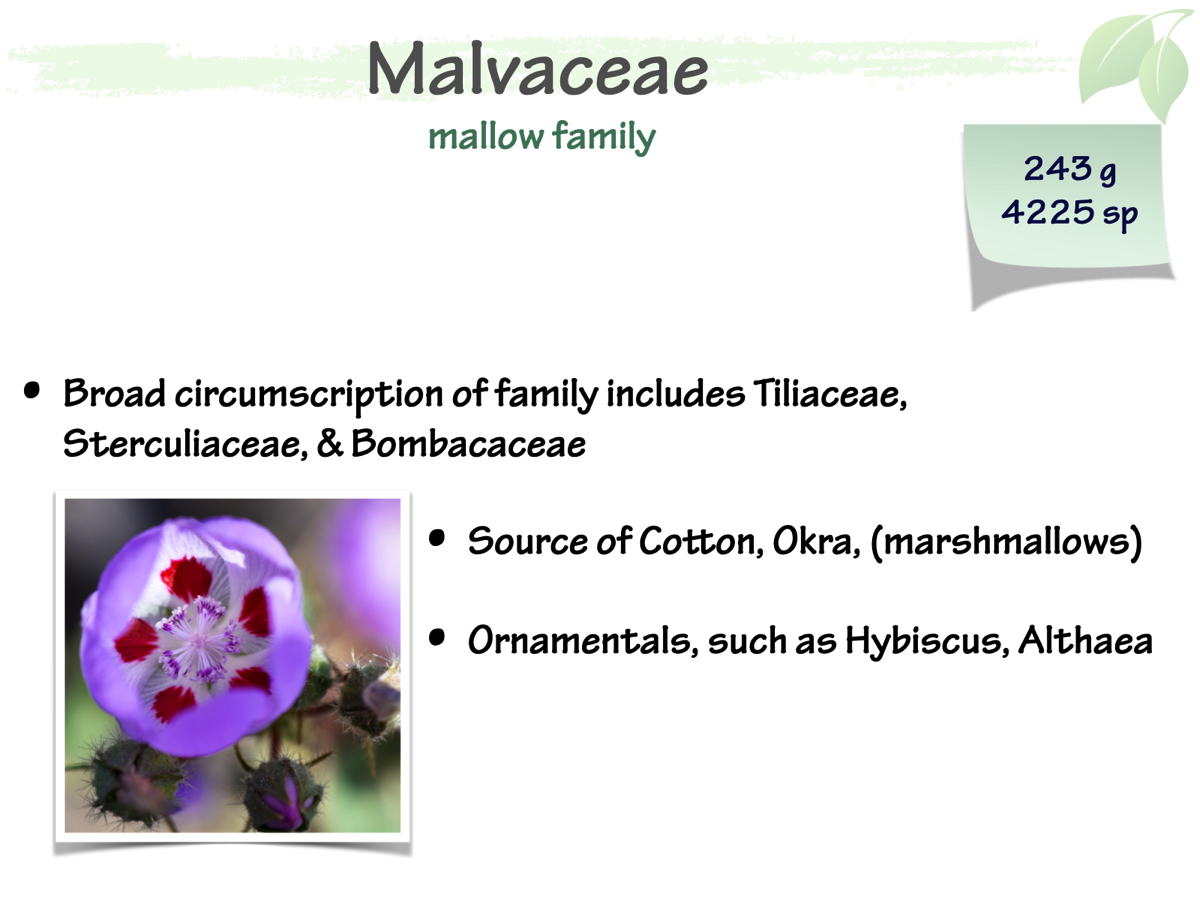
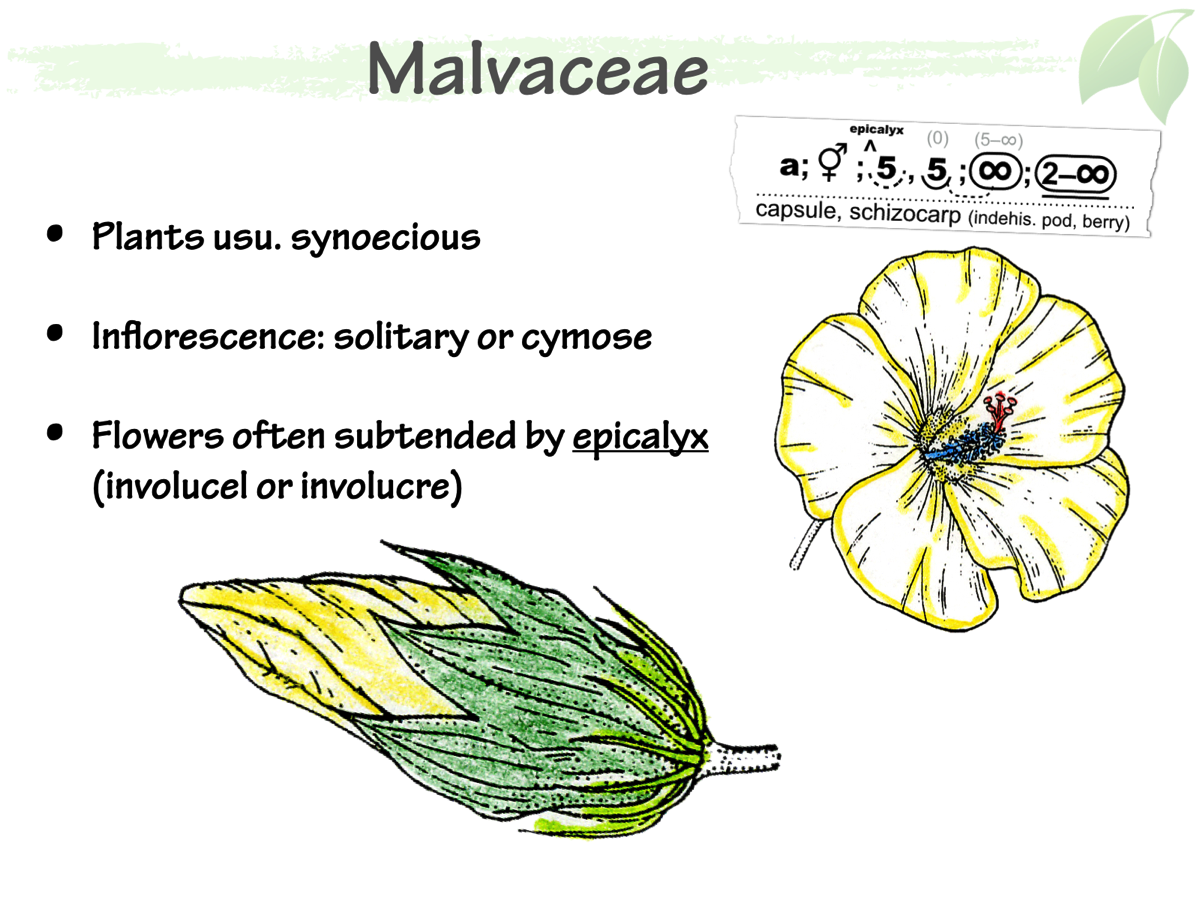
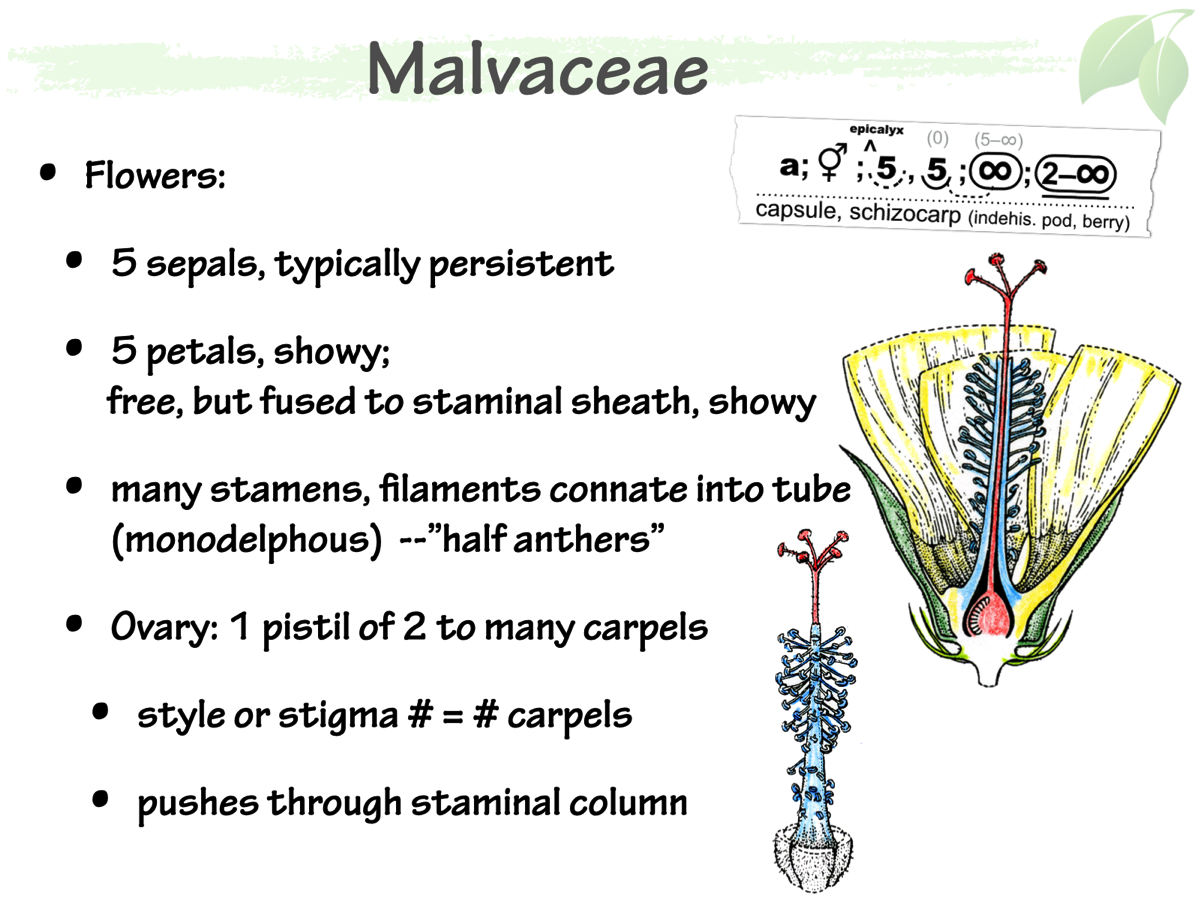
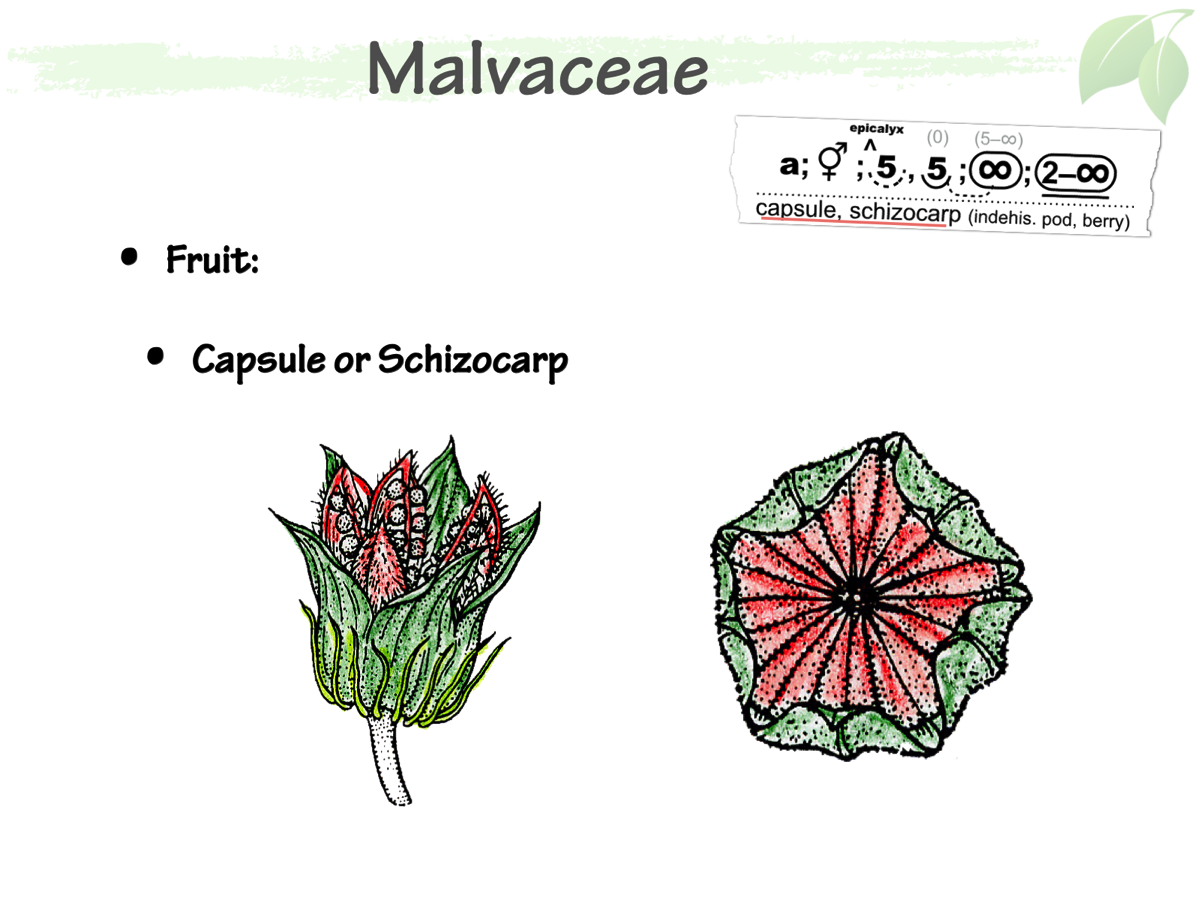
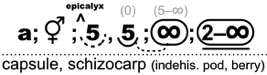
Malvaceae has been expanded to include Tiliaceae (Basswood; often cultivated as a street or shade tree), Bombacaceae (mostly tropical), and Sterculiaceae (the chocolate family).  The floral formula presented below emphasizes the characteristics of the core temperate diversity, which matches the traditional narrow circumscription of this family. The greater variation in flowers required by the broader circumscription is indicated in the small text in parentheses above the larger text in the floral formula.

Key Features

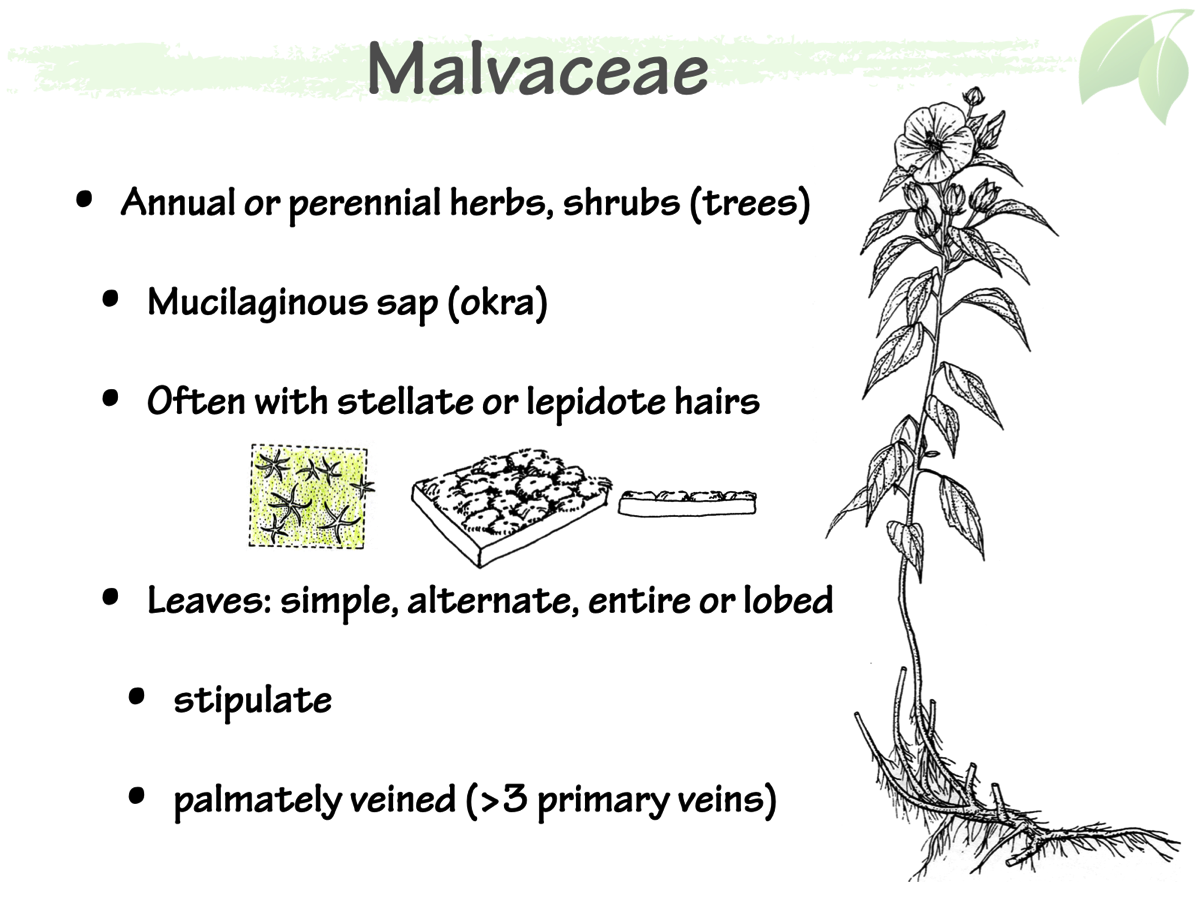
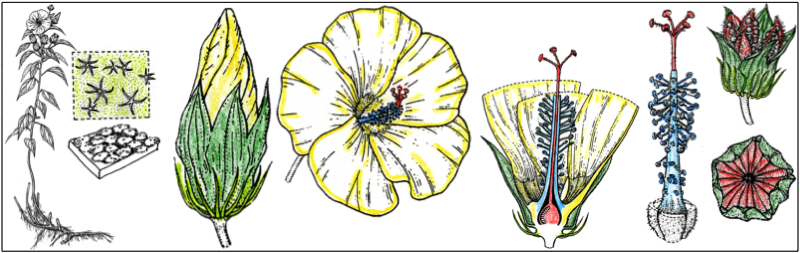
Mostly palmately veined, simple leaves; often with stellate hairs. Calyx frequently subtended by an epicalyx; petals free (from each other), but fused to the monodelphous staminal column; stamens many,  monodelphous, with half anthers presented in bottle-brush fashion; fruits capsules or schizocarps.
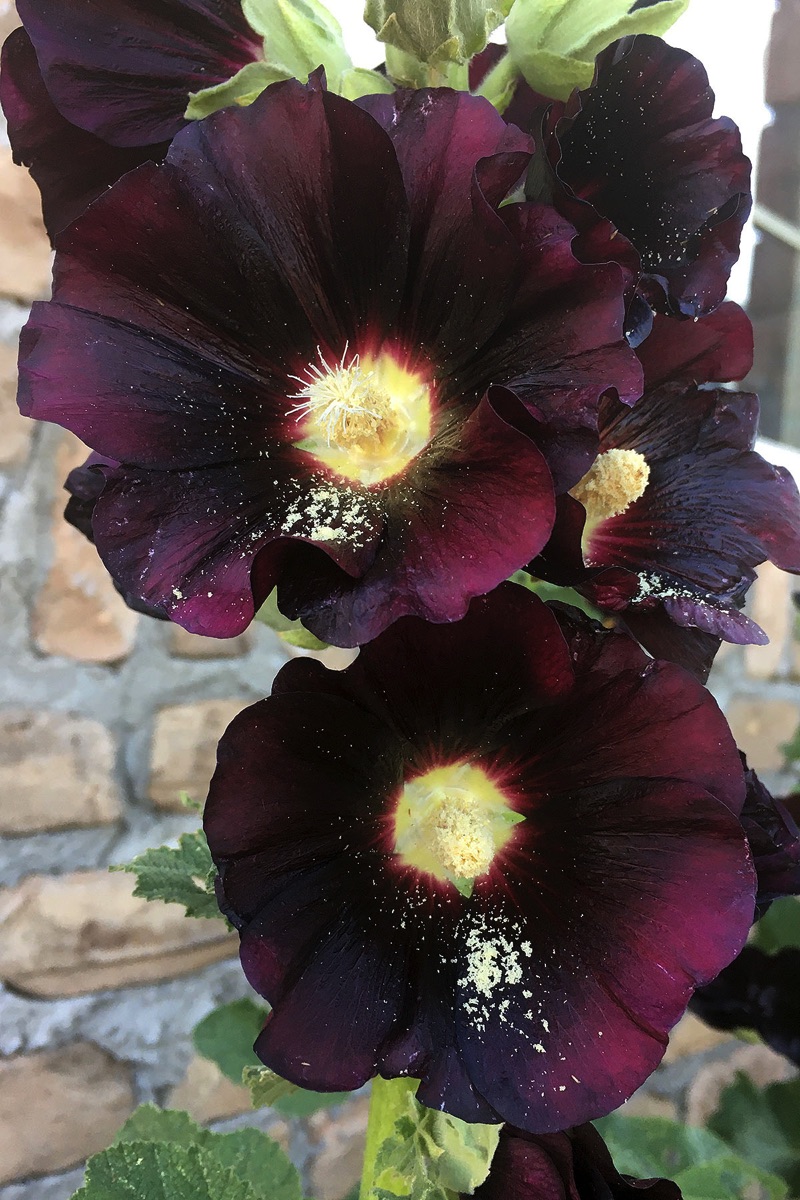
Cultivated hollyhocks showing protandry (pollen shed before stigmas elongate through staminal column)
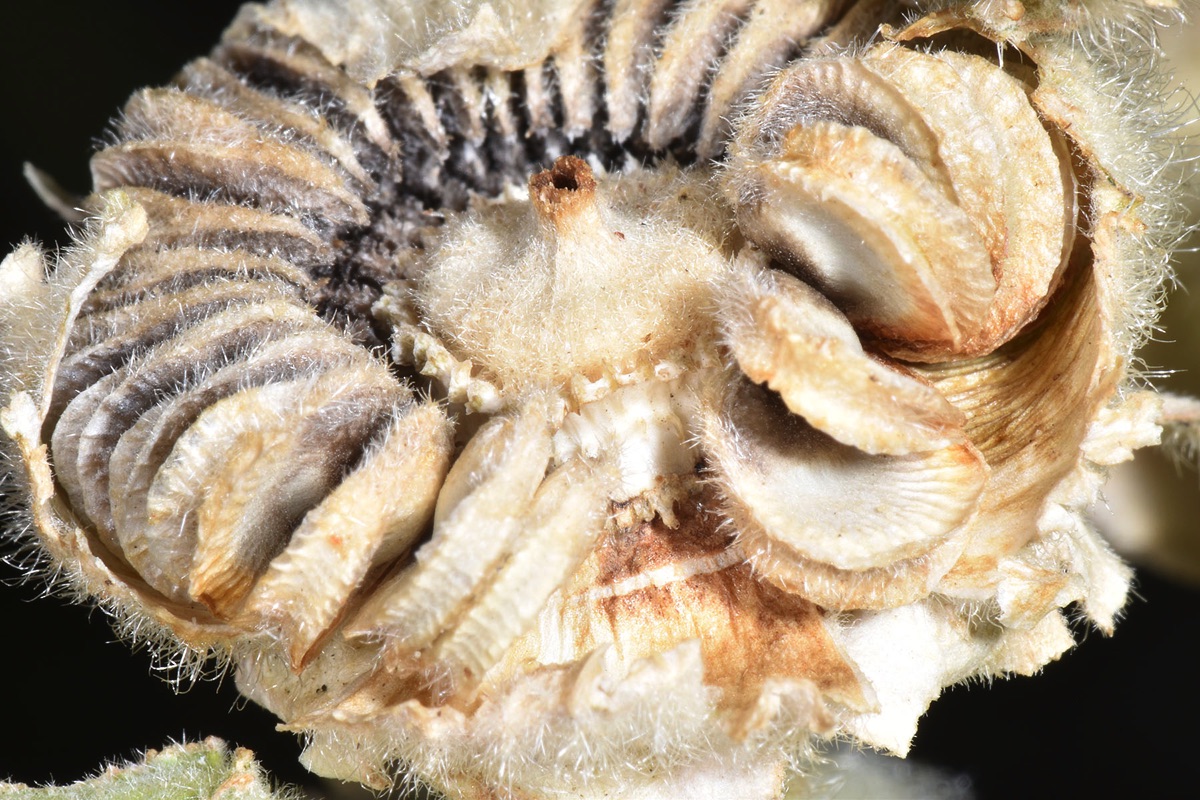
hollyhock fruit - schizocarp
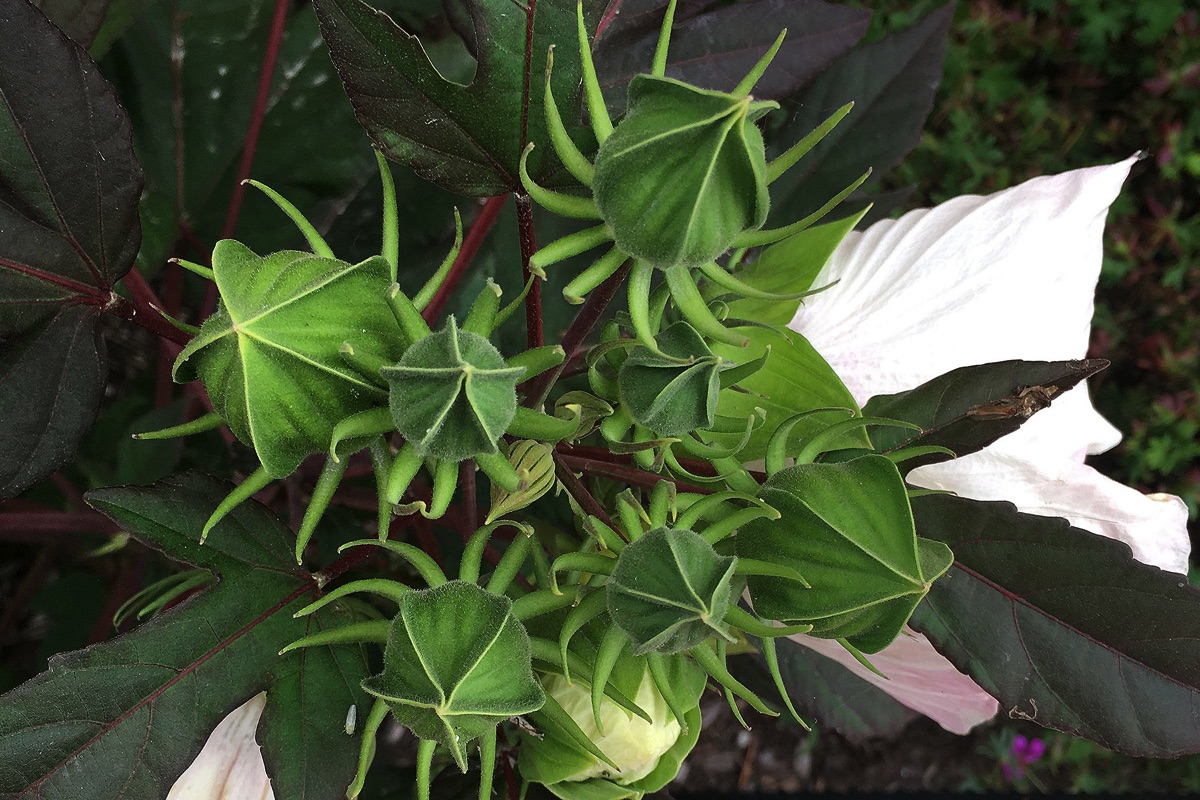
This malvaceae clearly have an epicalyx
Malvaceae in Nauvoo, IL
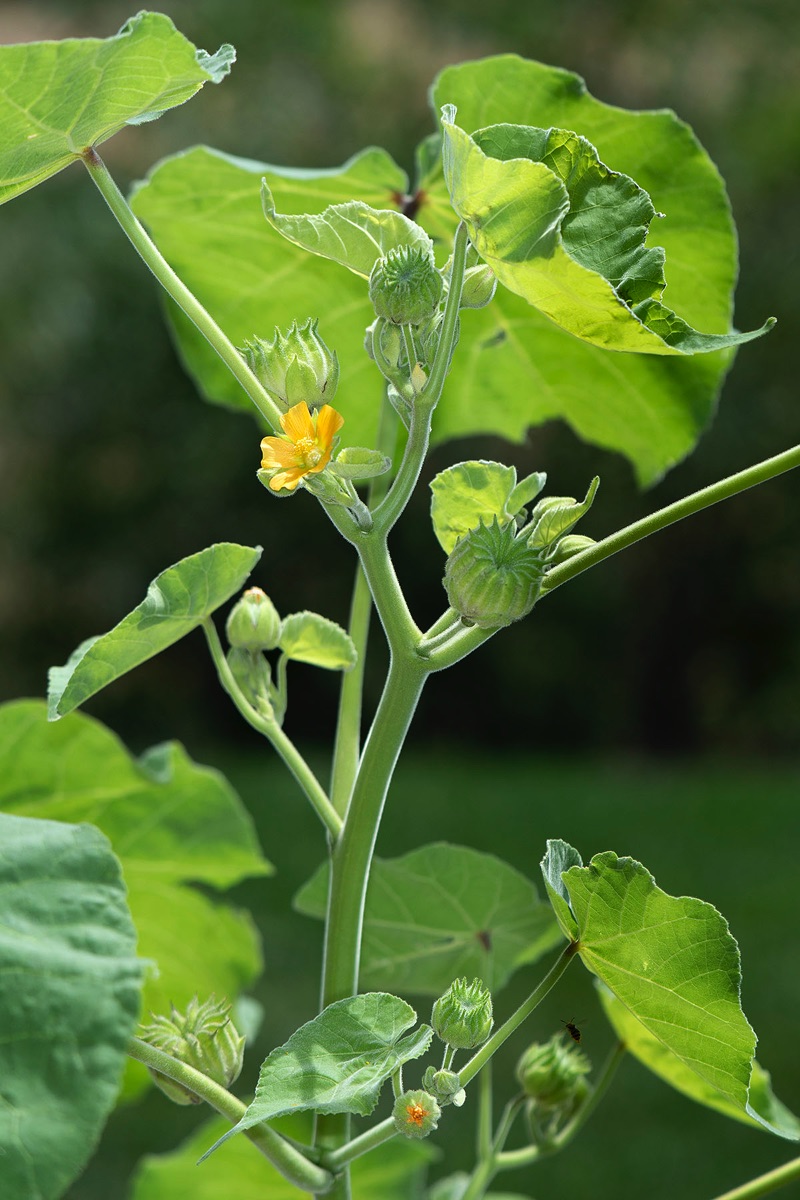
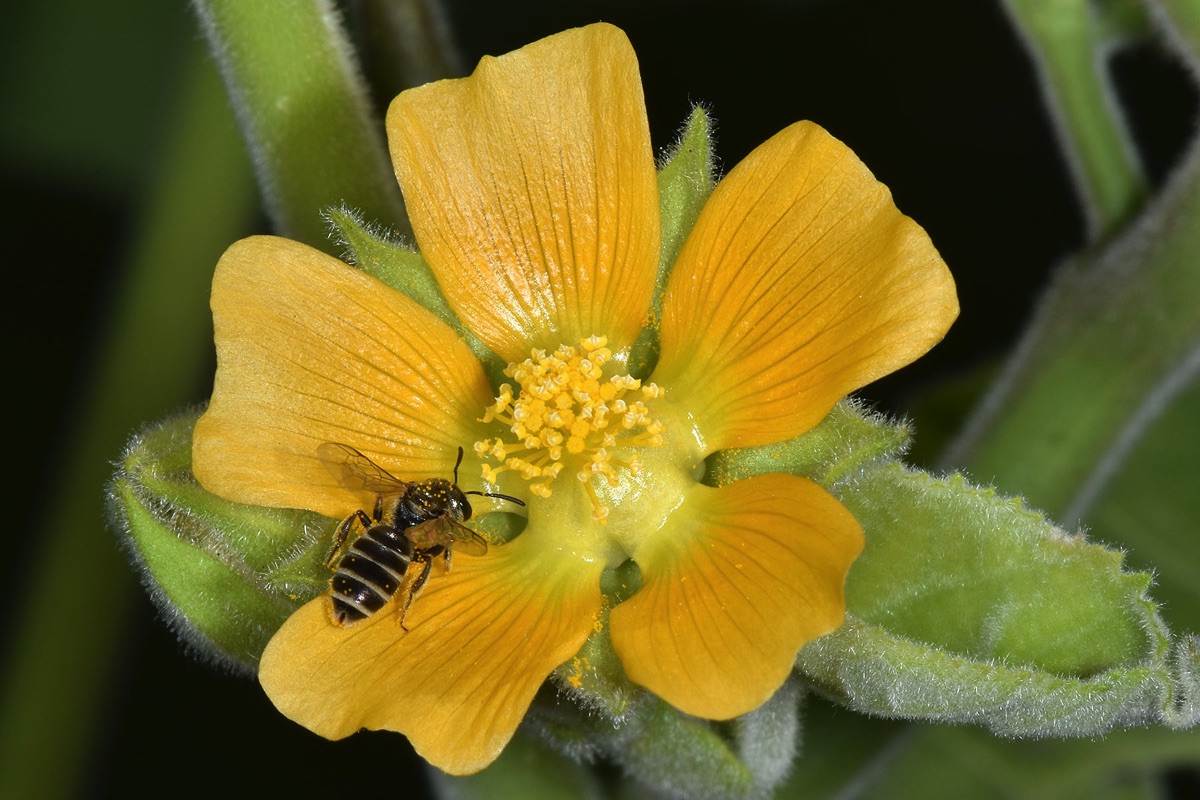
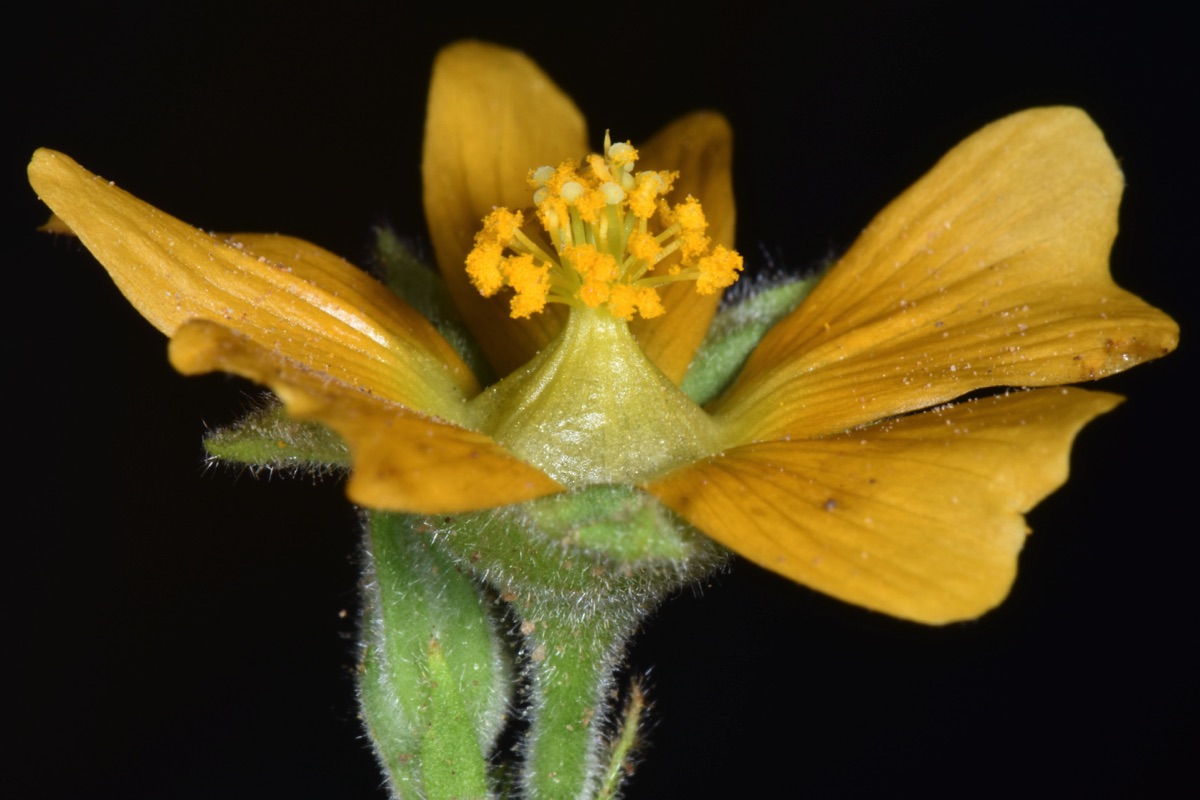
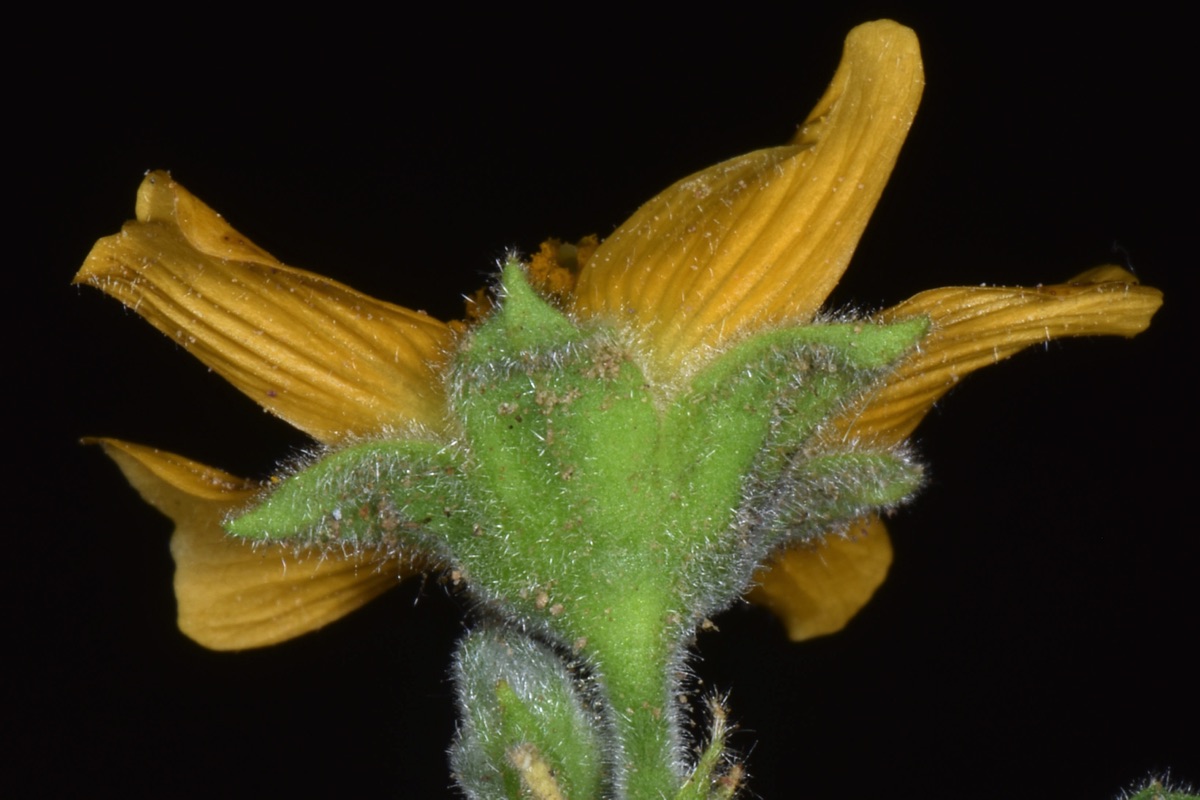
Arbutalon theophrasti
Arbutalon theophrasti - just opening flowers without view of stigmatic lobes
Arbutalon theophrasti - more mature flower with capitate stigmatic lobes among anthers; filaments fused into a tube with base expanded around ovary
Arbutalon theophrasti - some Malvaceae, like this, lack an epicalyx (A Utah Flora used the term "involucel"
Arbutalon theophrasti - mature capsules; look close and you can see a seed inside chambers
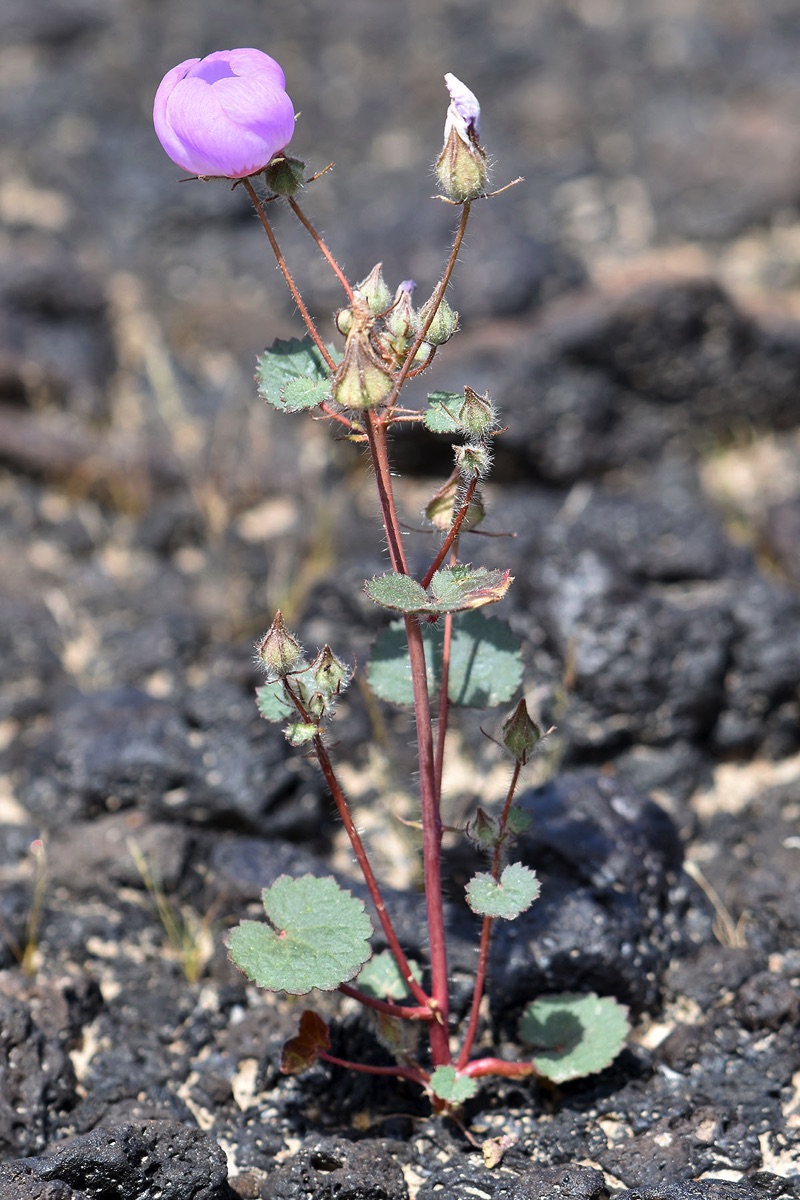
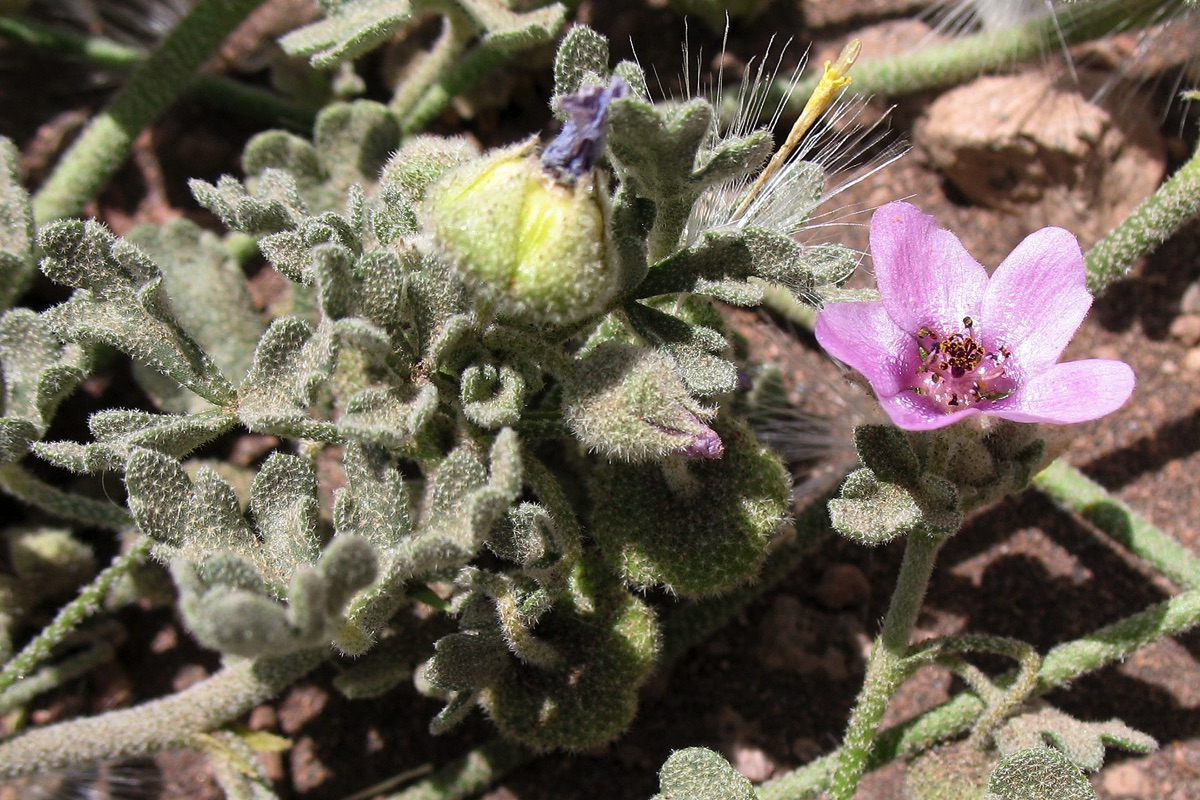
Eremalche rotundifolia - California
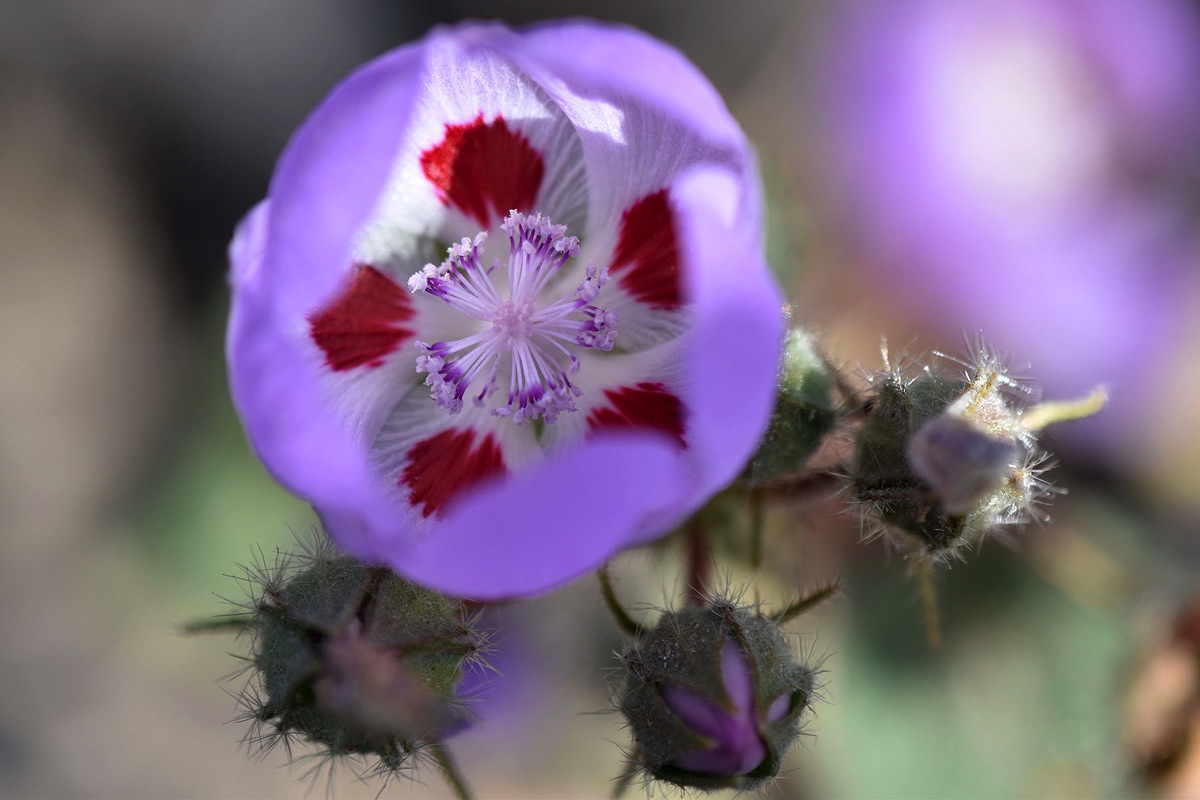
Eremalche rotundifolia - staminal column from top, and dendritic hairs on calyx lobes
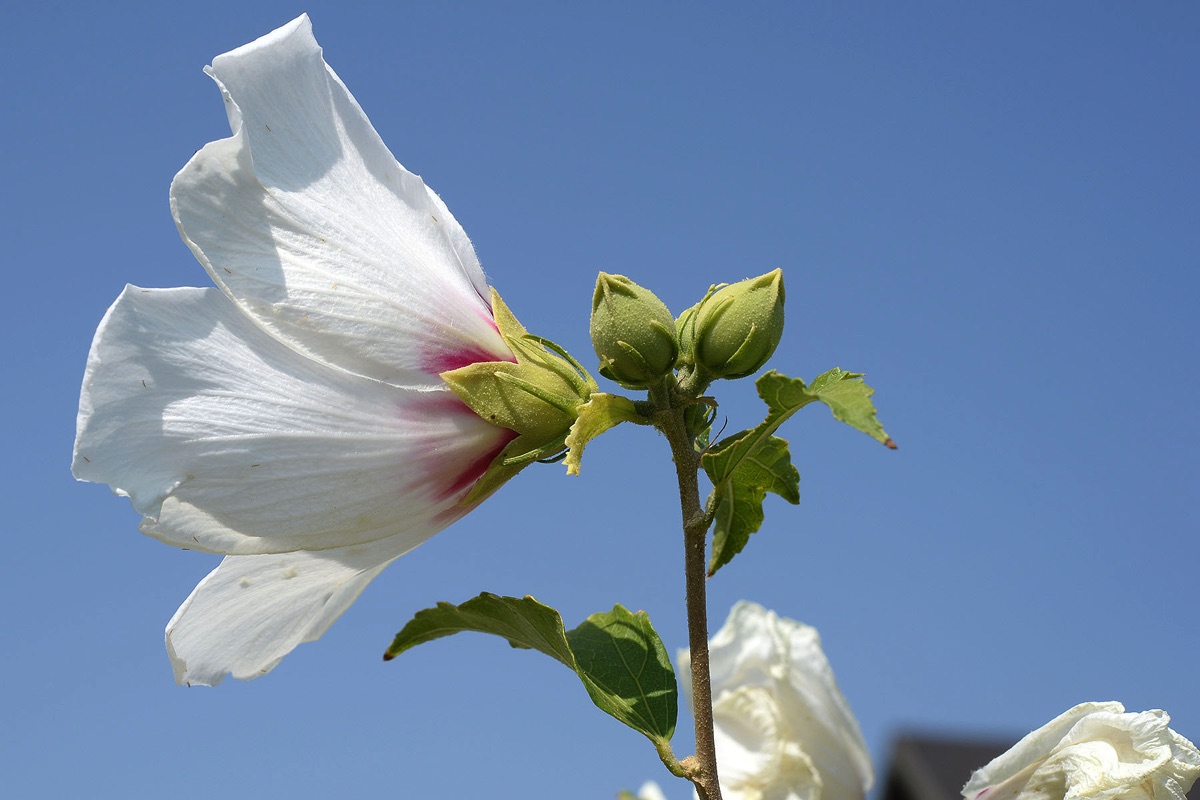
Hybiscus syriacus
Hybiscus syriacus
Hybiscus syriacus
Hybiscus syriacus
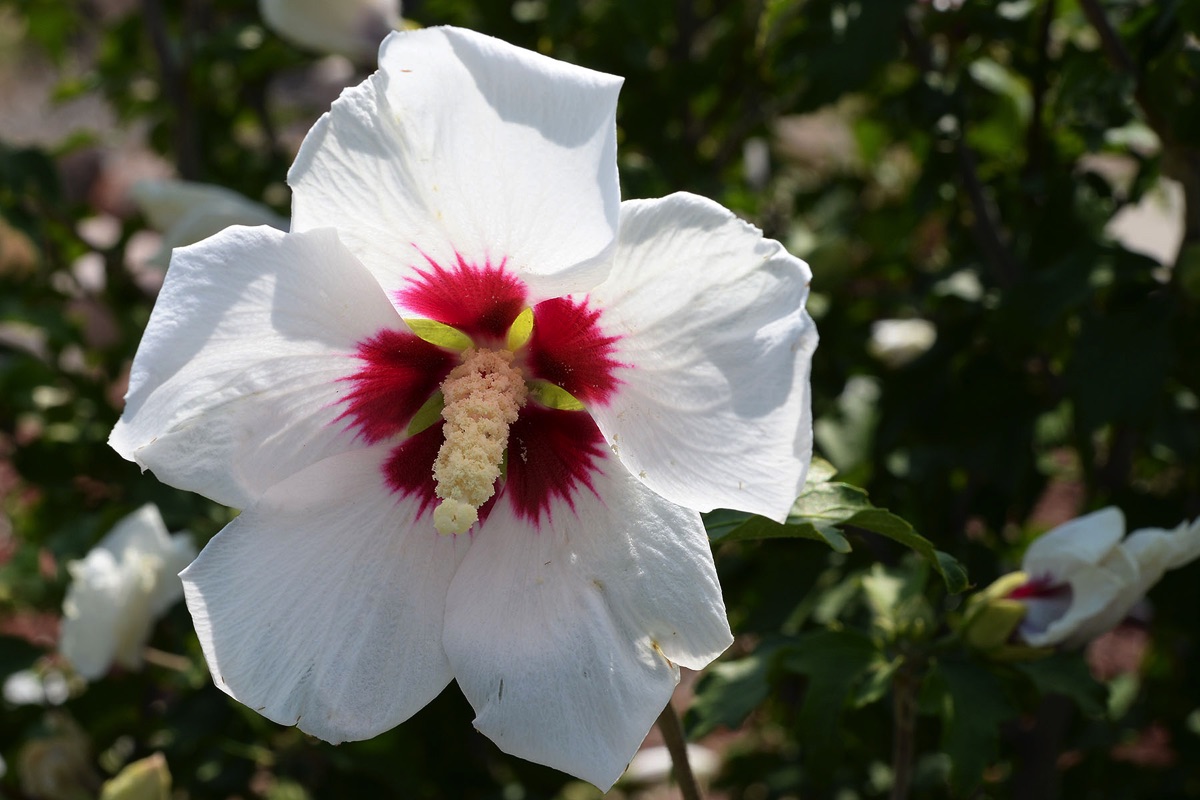
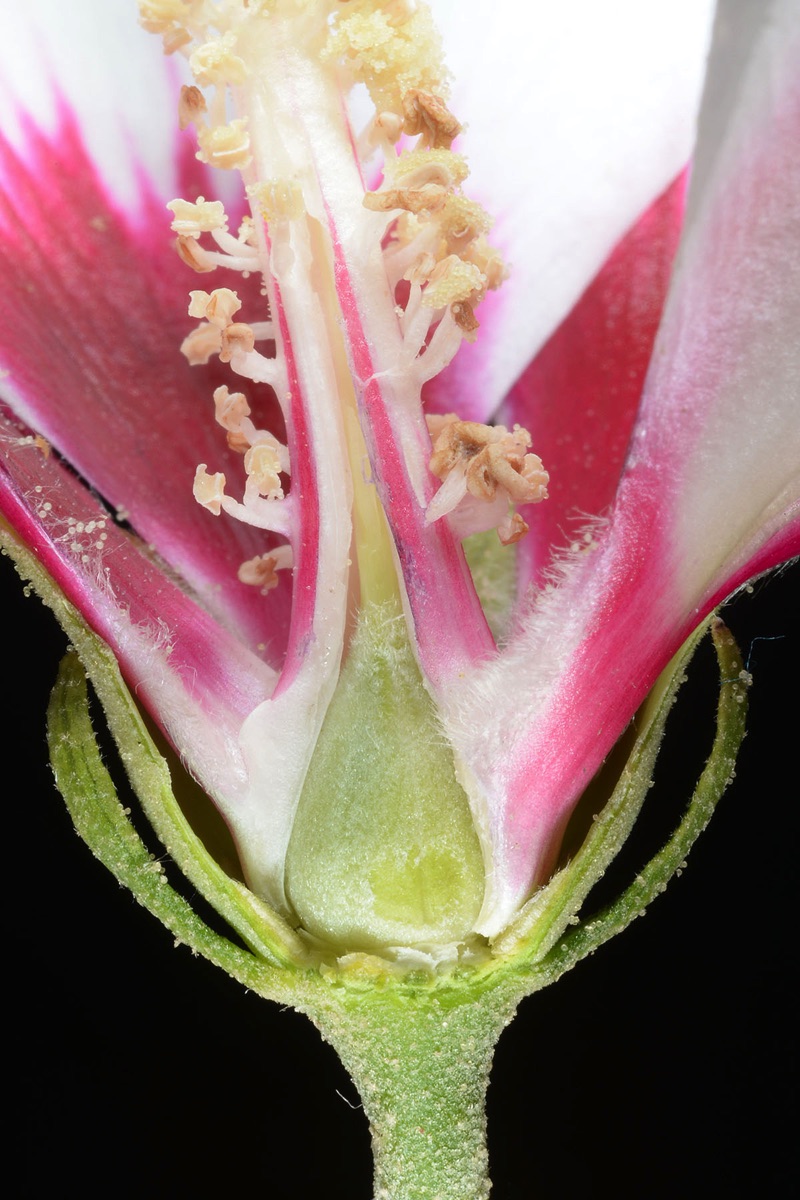
Hibiscus syriacus - from bottom, epicalyx (involucel), calyx, petals, monodelphous staminal column opened to reveal superior ovary
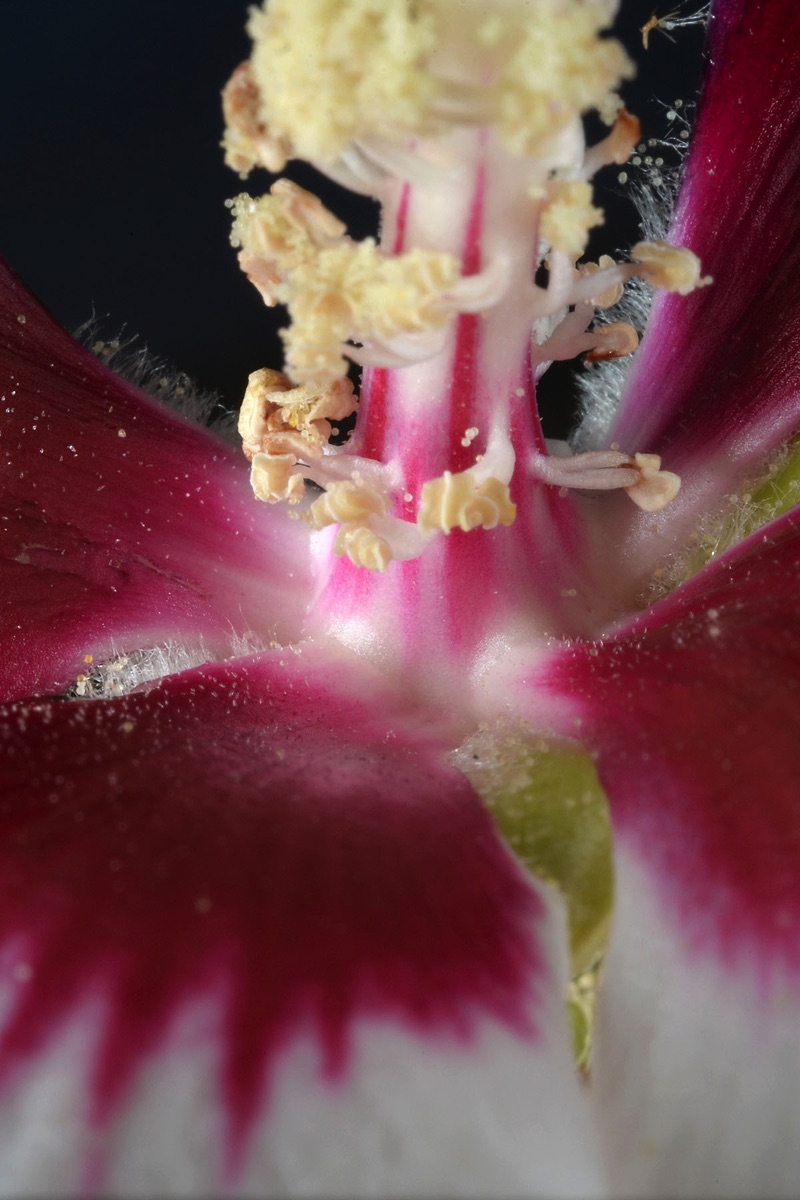
Hibiscus syriacus- look closely; technically the petals are free from each other, but fused to the monodelphous staminal column
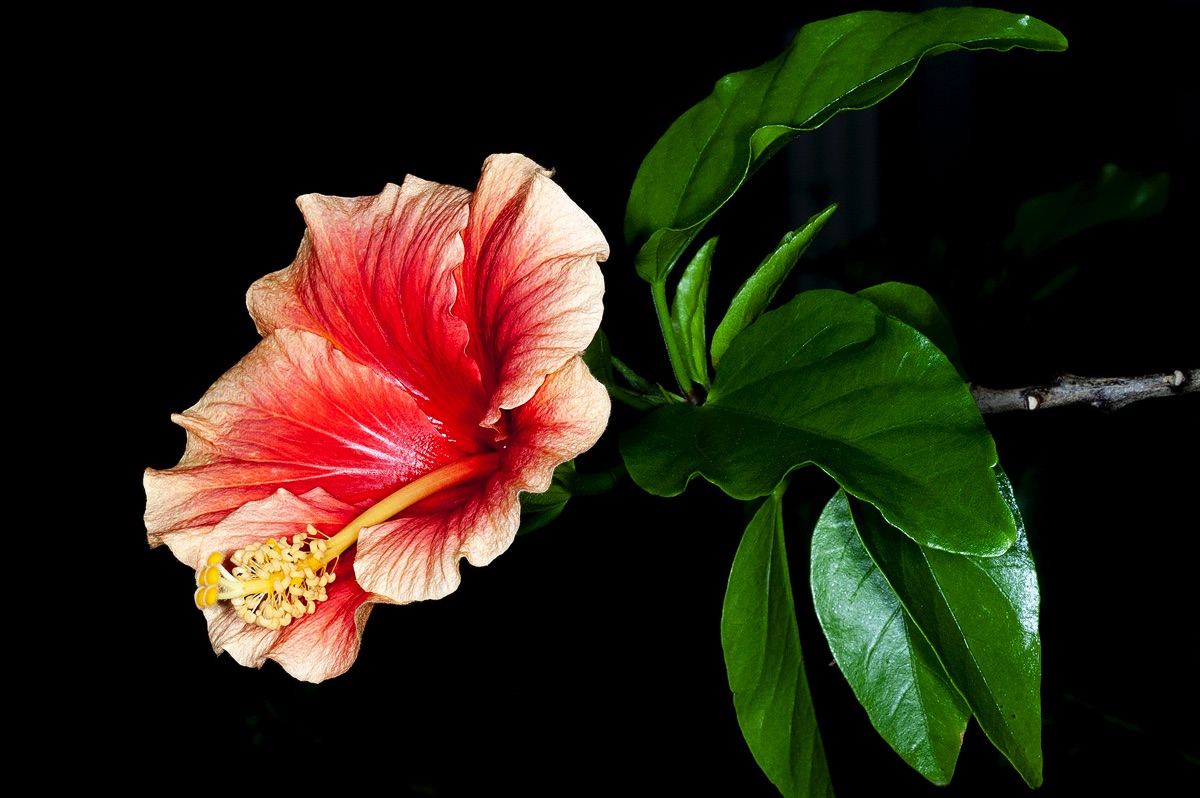
Tropical malvaceae with 5 capitate stigmatic lobes
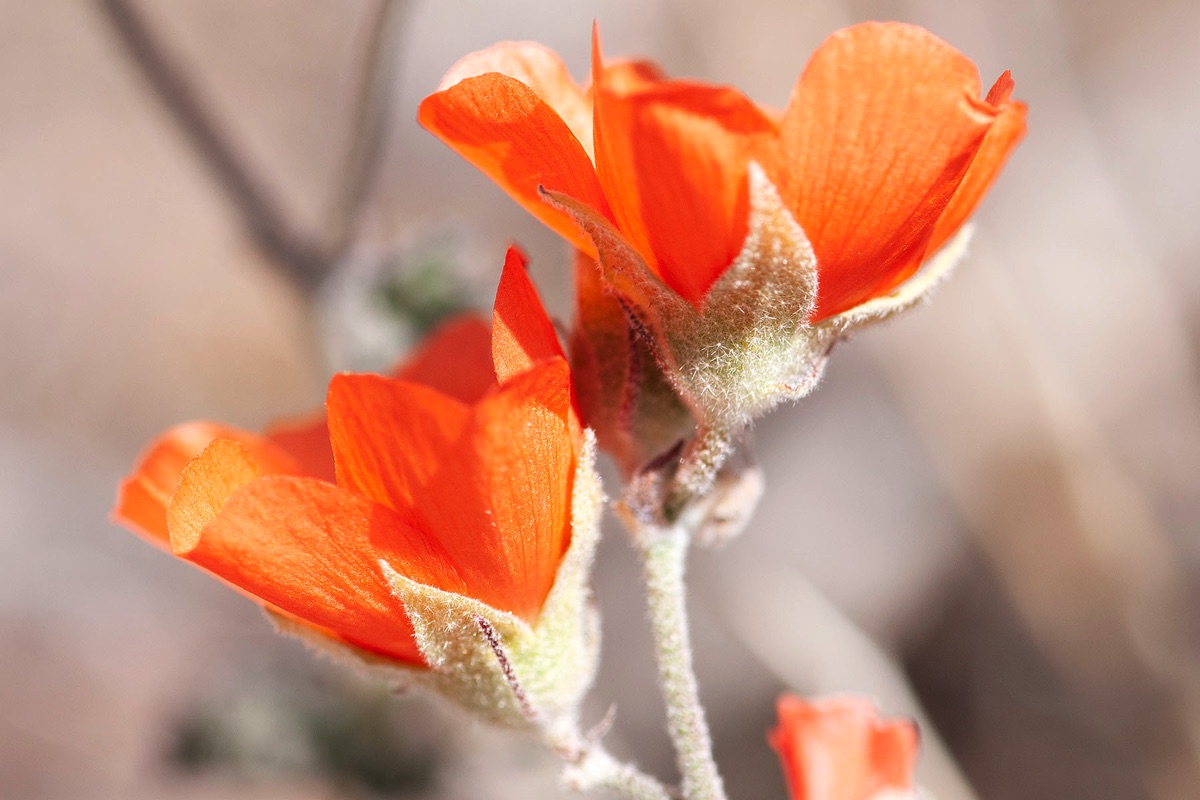
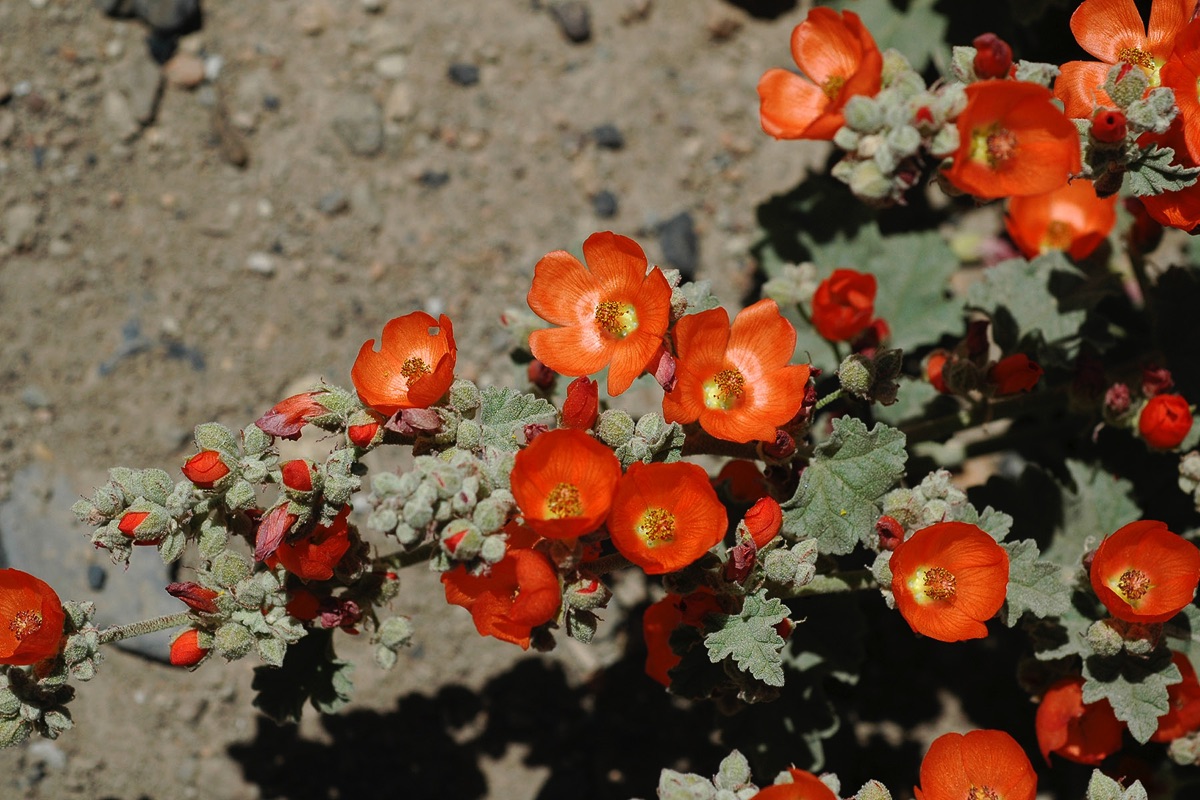
Sphaeralcea
Sphaeralcea
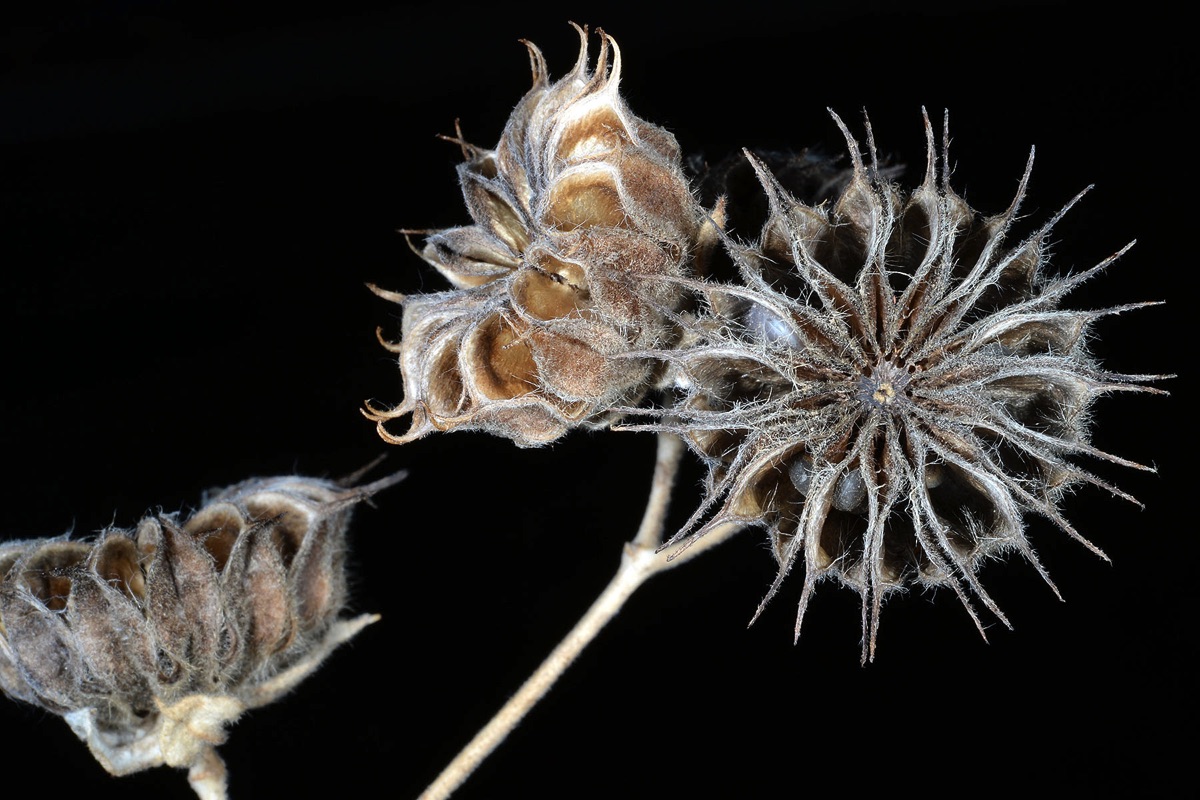
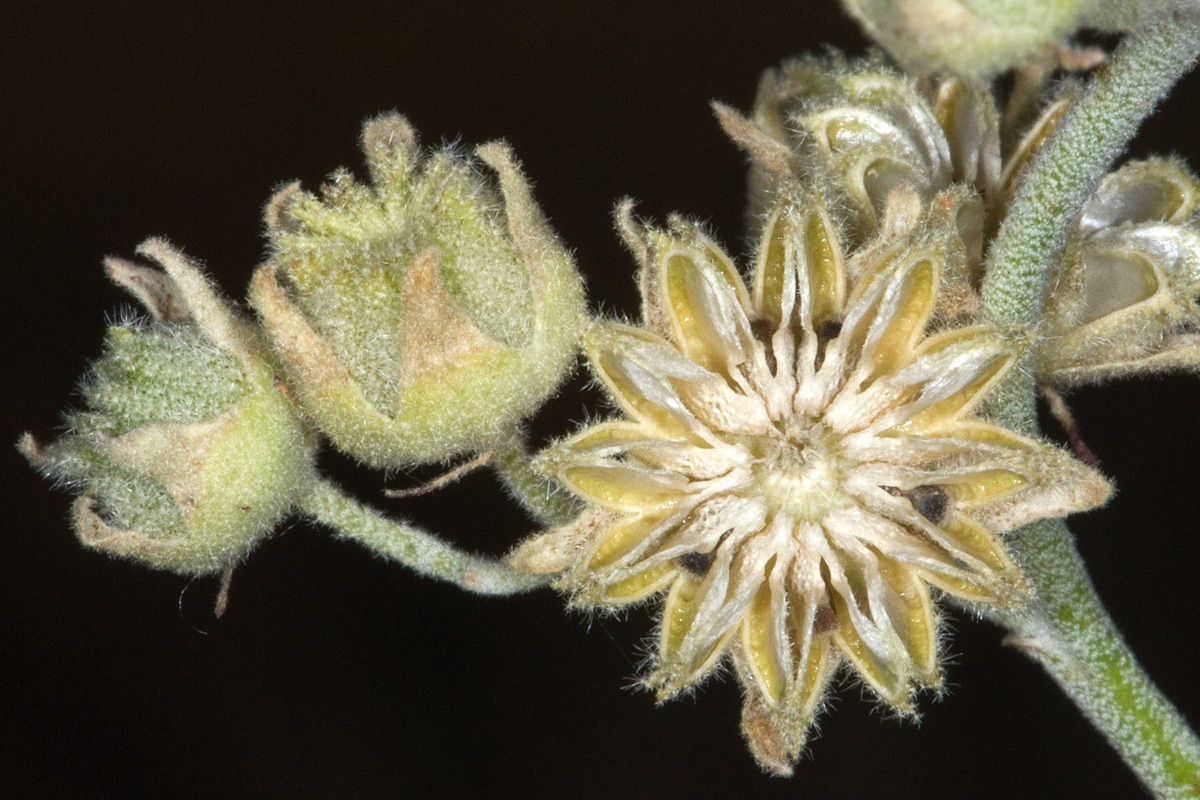
Sphaeralcea fruits (capsules)
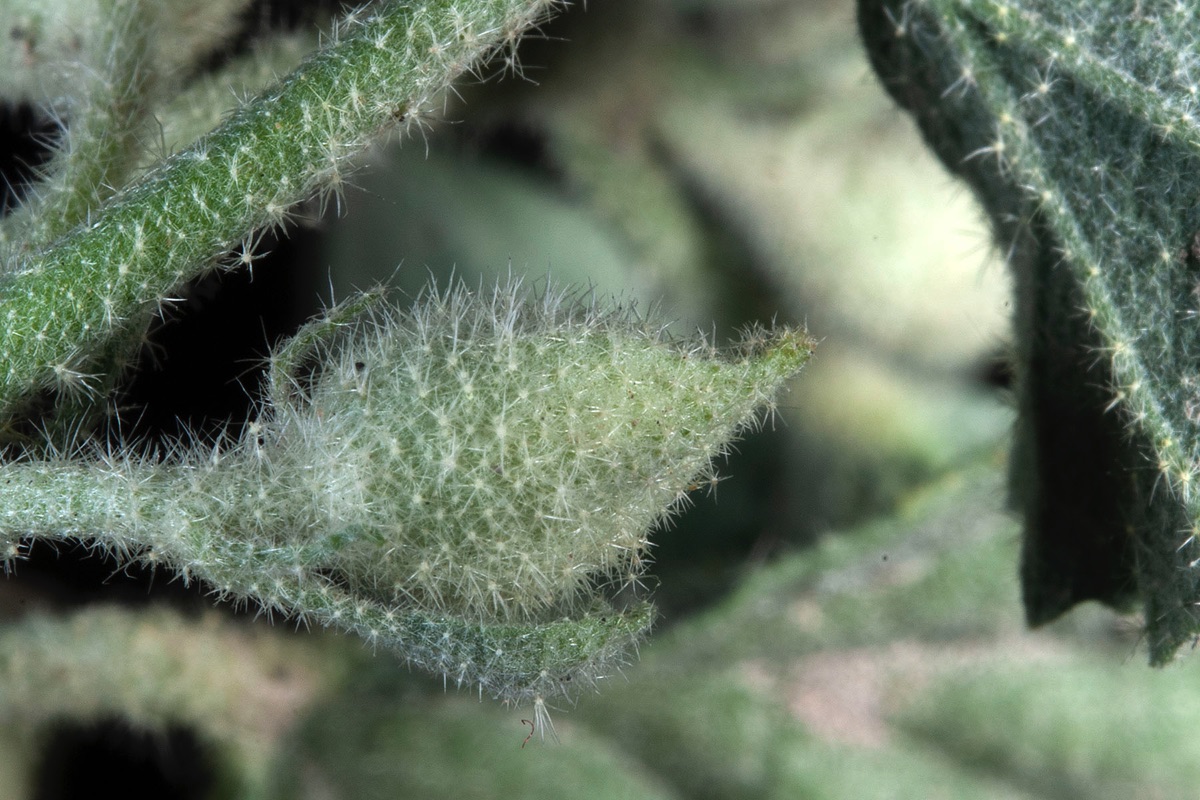
Malva leprosa - branched hairs
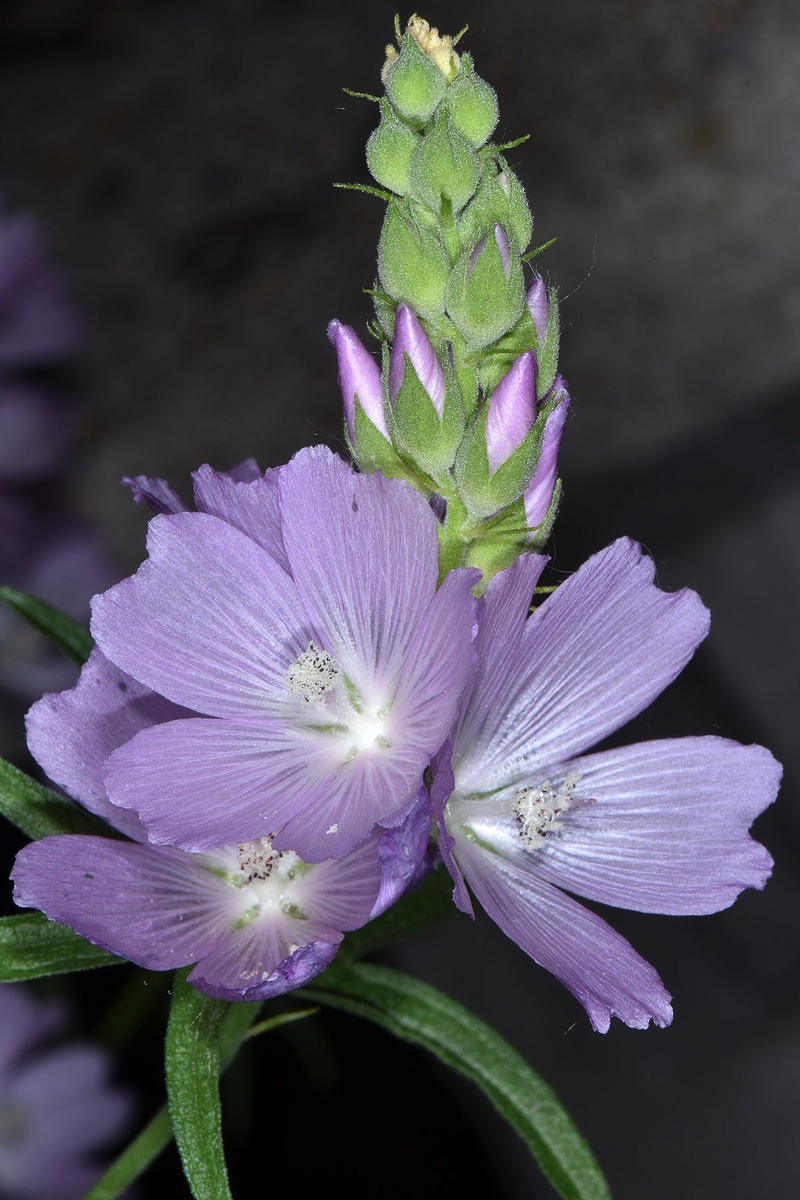
Sidalcea oregana
Sidalcea oregana
Sphaeralceae parviflora
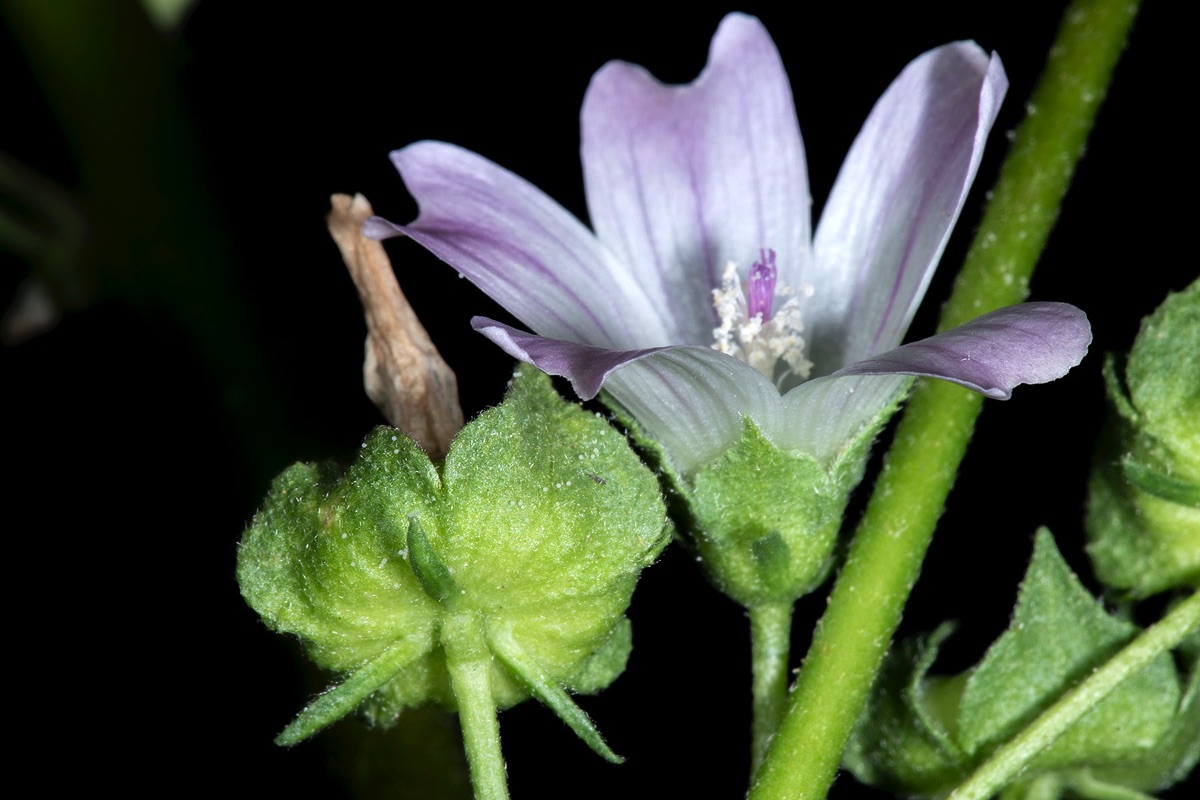
Malva neglecta - epicalyx
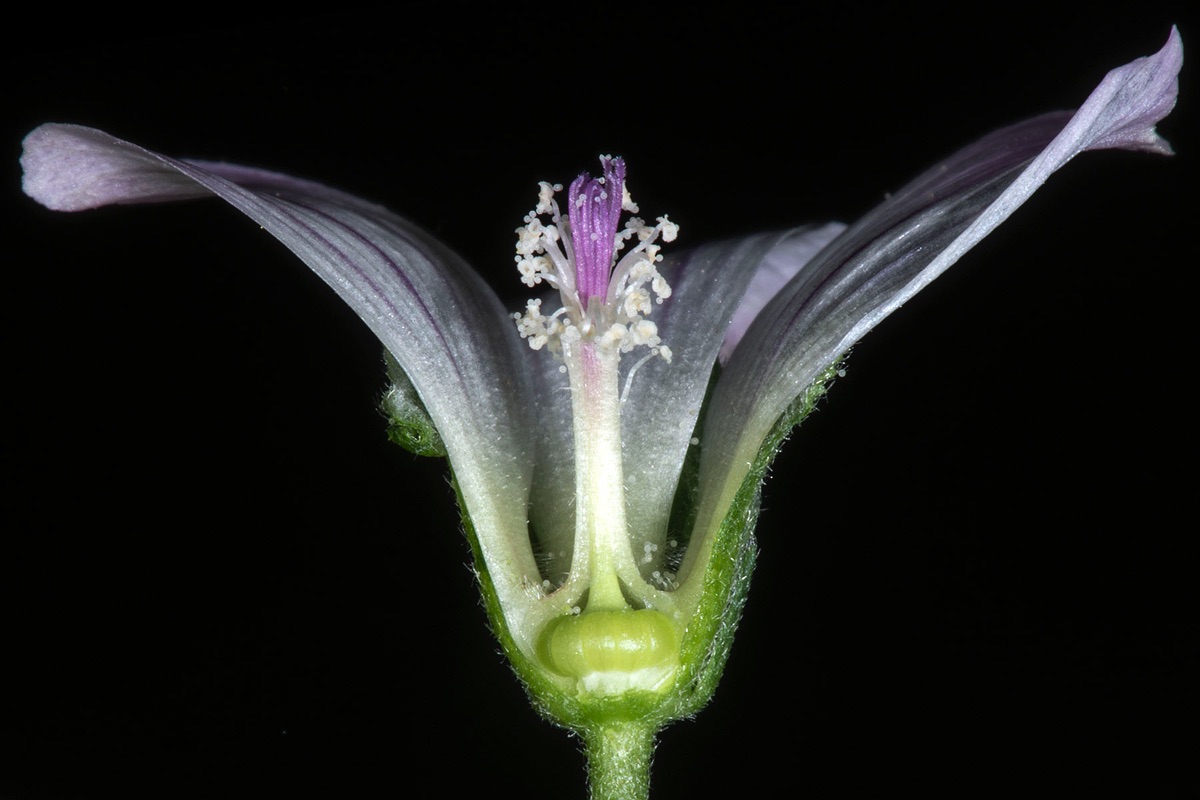
Malva neglecta - Monodelphous stamens and superior ovary (normally hidden by stamen column
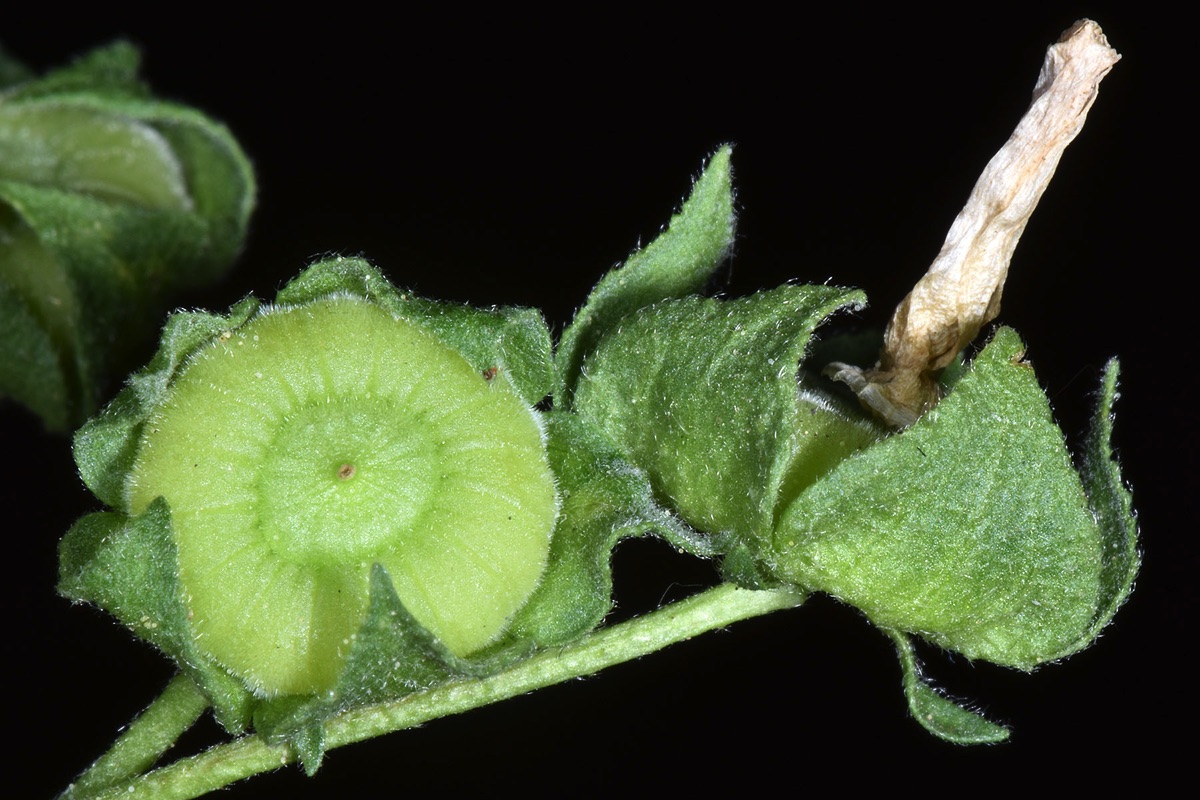
Malva neglecta - maturing ovary
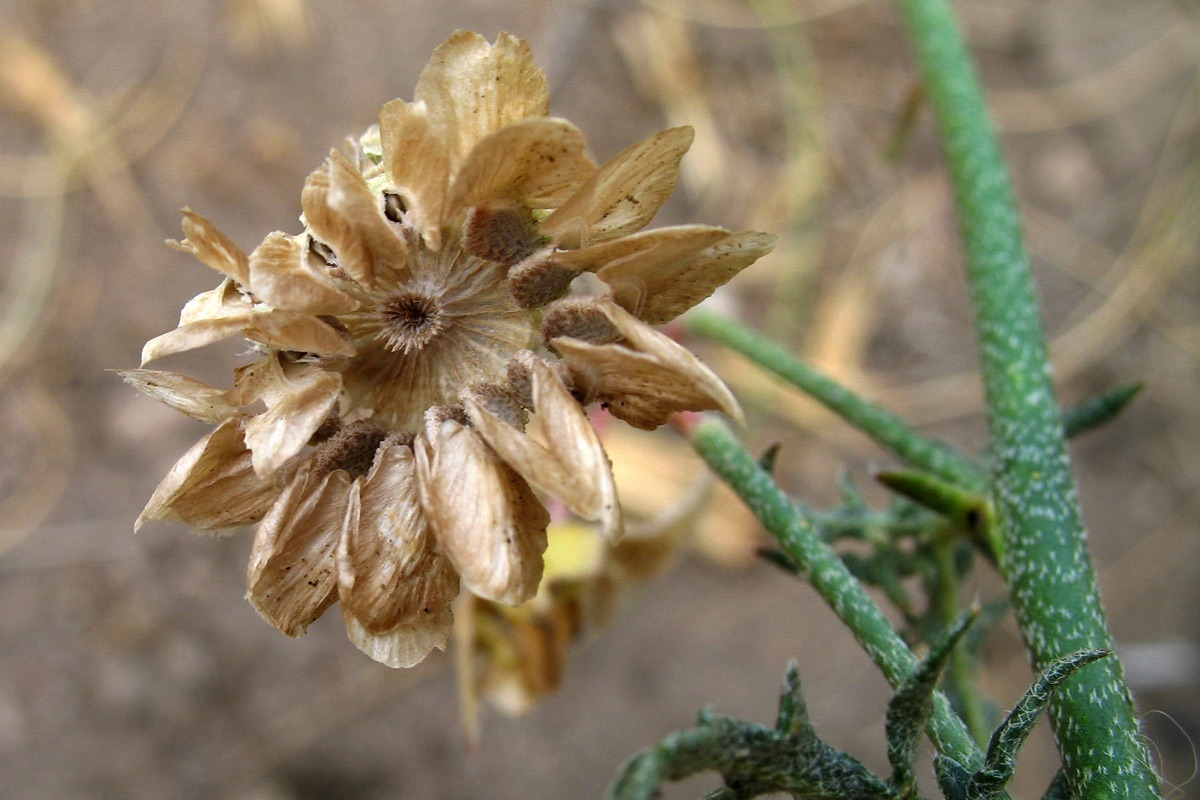
A Malvaceae from Argentia; these fruits open to release seeds = capsule, not a schizocarp
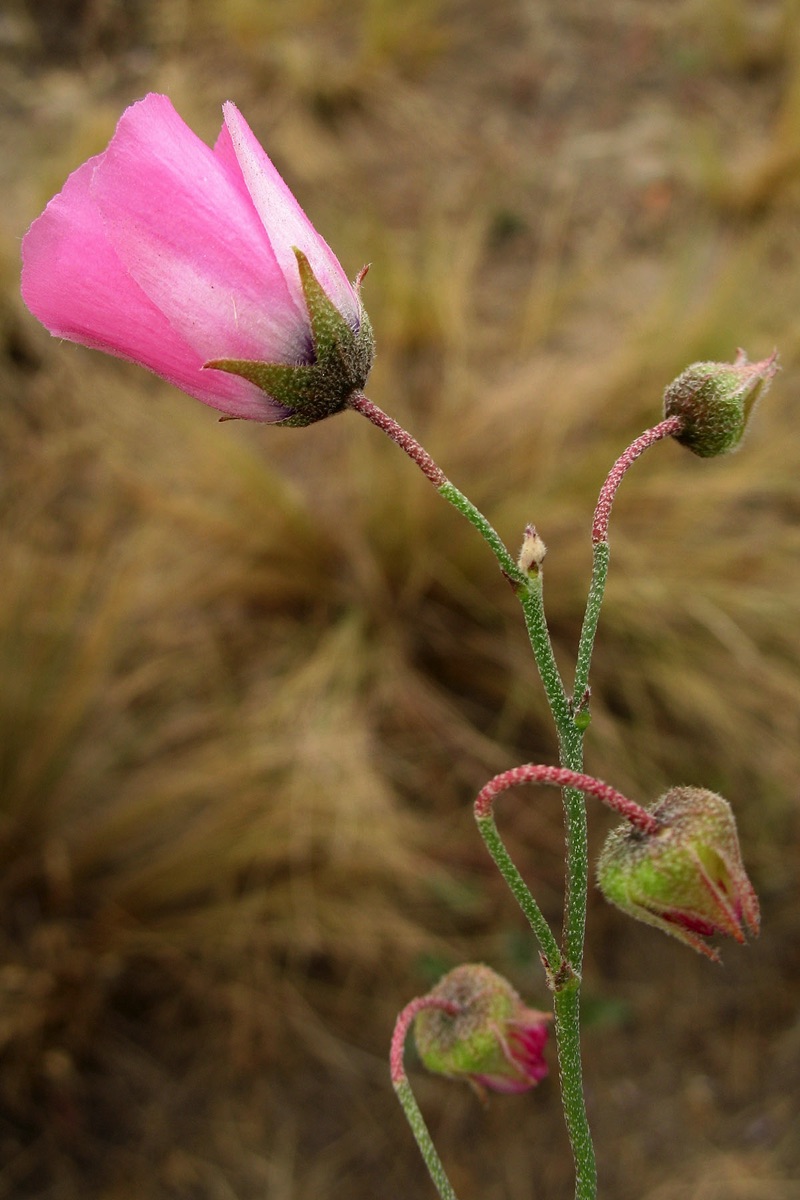
- Argentina; a good example of a raceme inflorescence
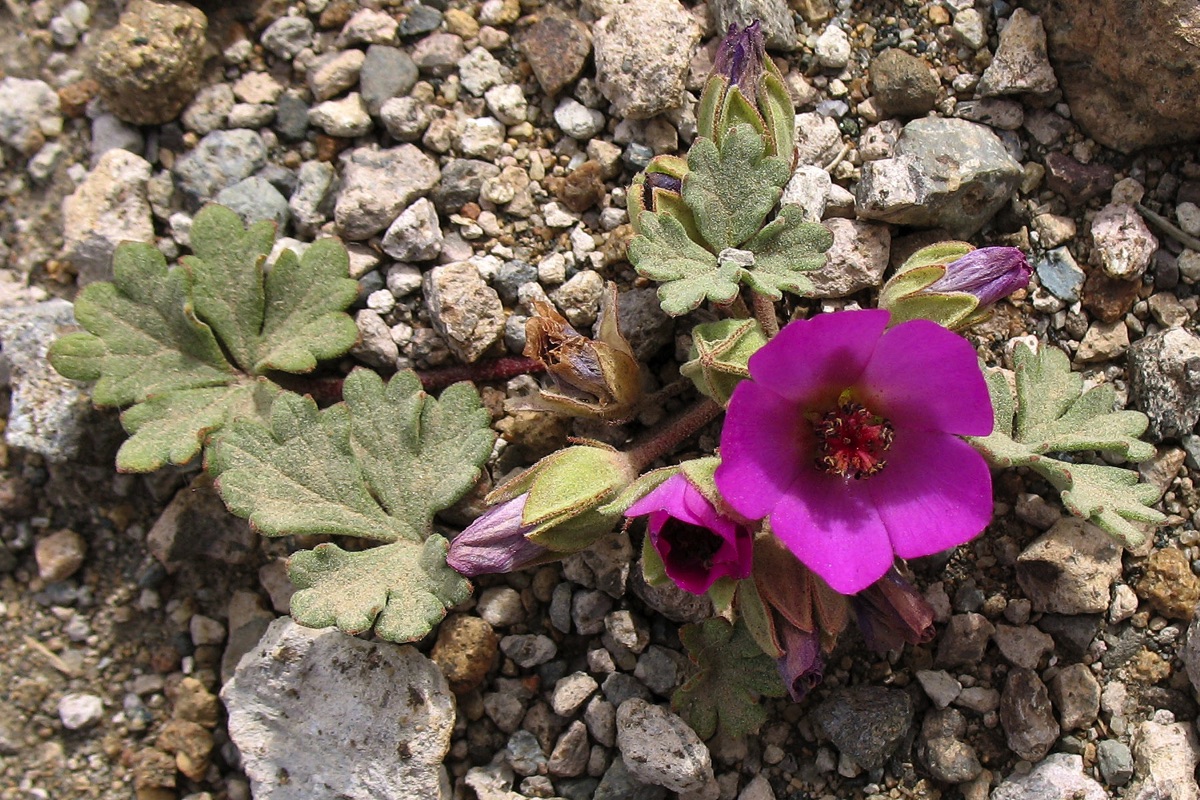
- Argentina
- Argentina
-Argentina
-Argentina
Malvaceae1.png
Malvaceae1.png
Malvaceae2.png
Malvaceae2.png
Malvaceae3.png
Malvaceae3.png
Malvaceae4.png
Malvaceae4.png
Malvaceae5.png
Malvaceae5.png