Contemporary Circumscription Compared with A Utah Flora 4th ed.
Bio430
Fabaceae•Leguminosae
No differences. A Utah Flora uses the traditional name Leguminosae. In the past, some favored elevating the three commonly recognized subfamilies to the family level, but one of these is not monophyletic.
Key Features
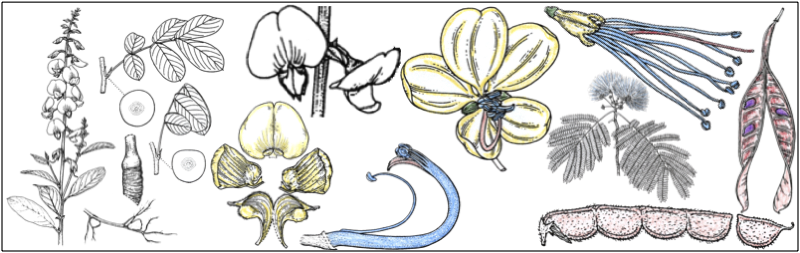
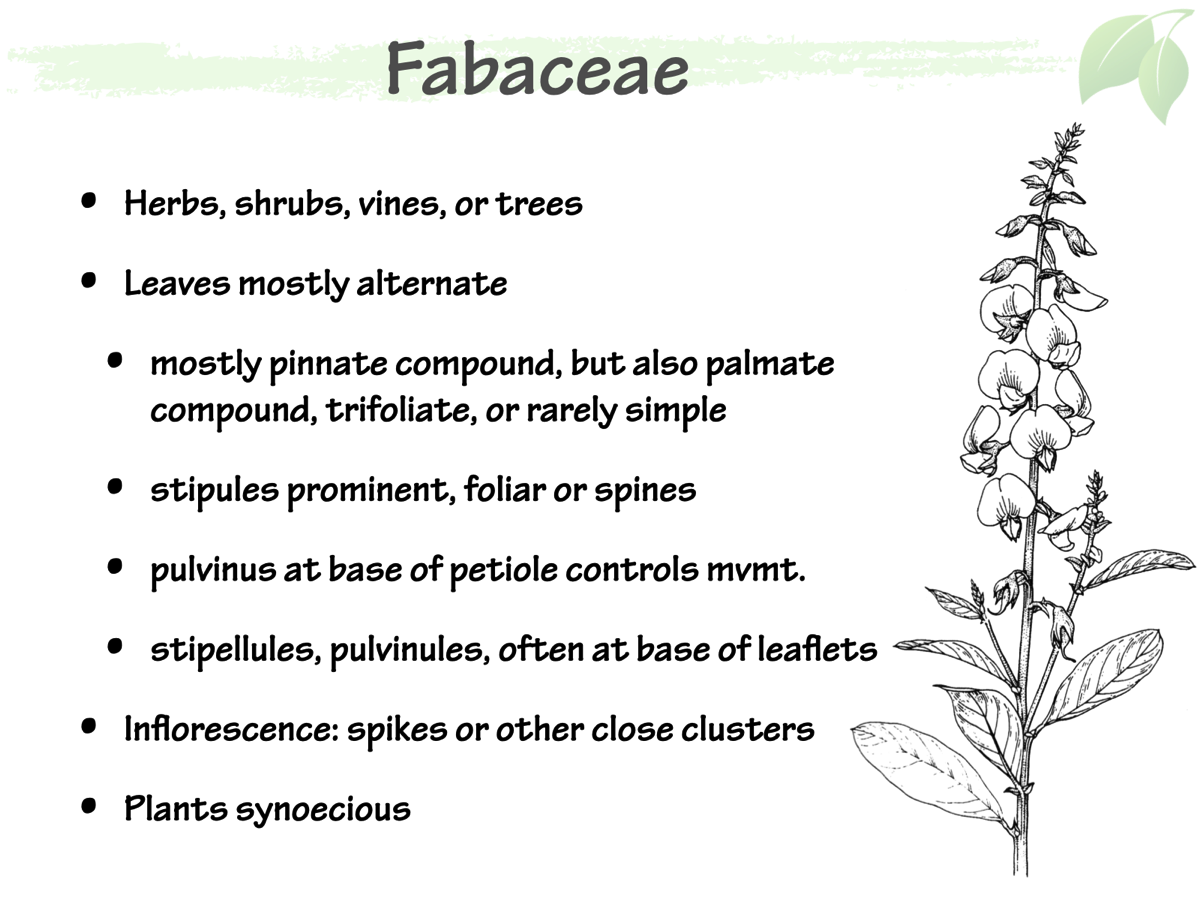
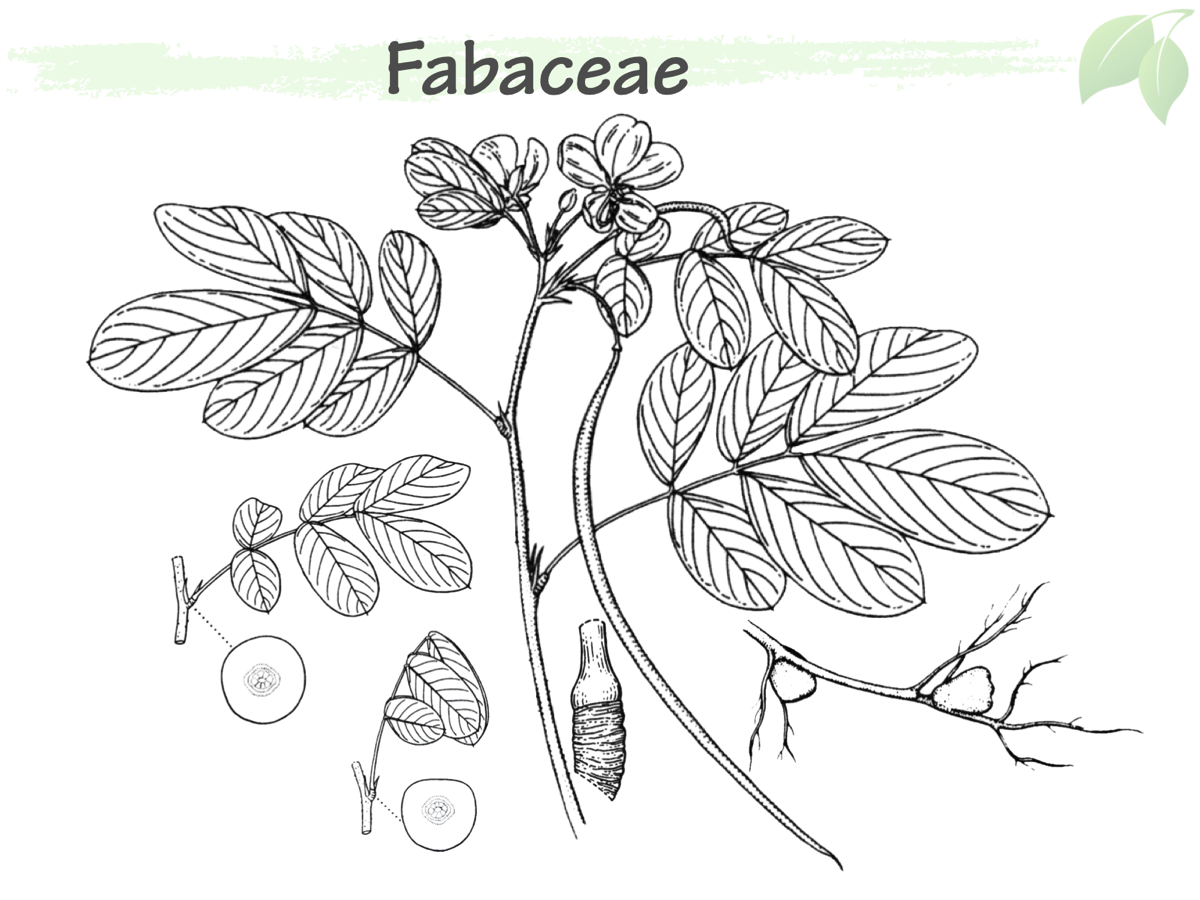
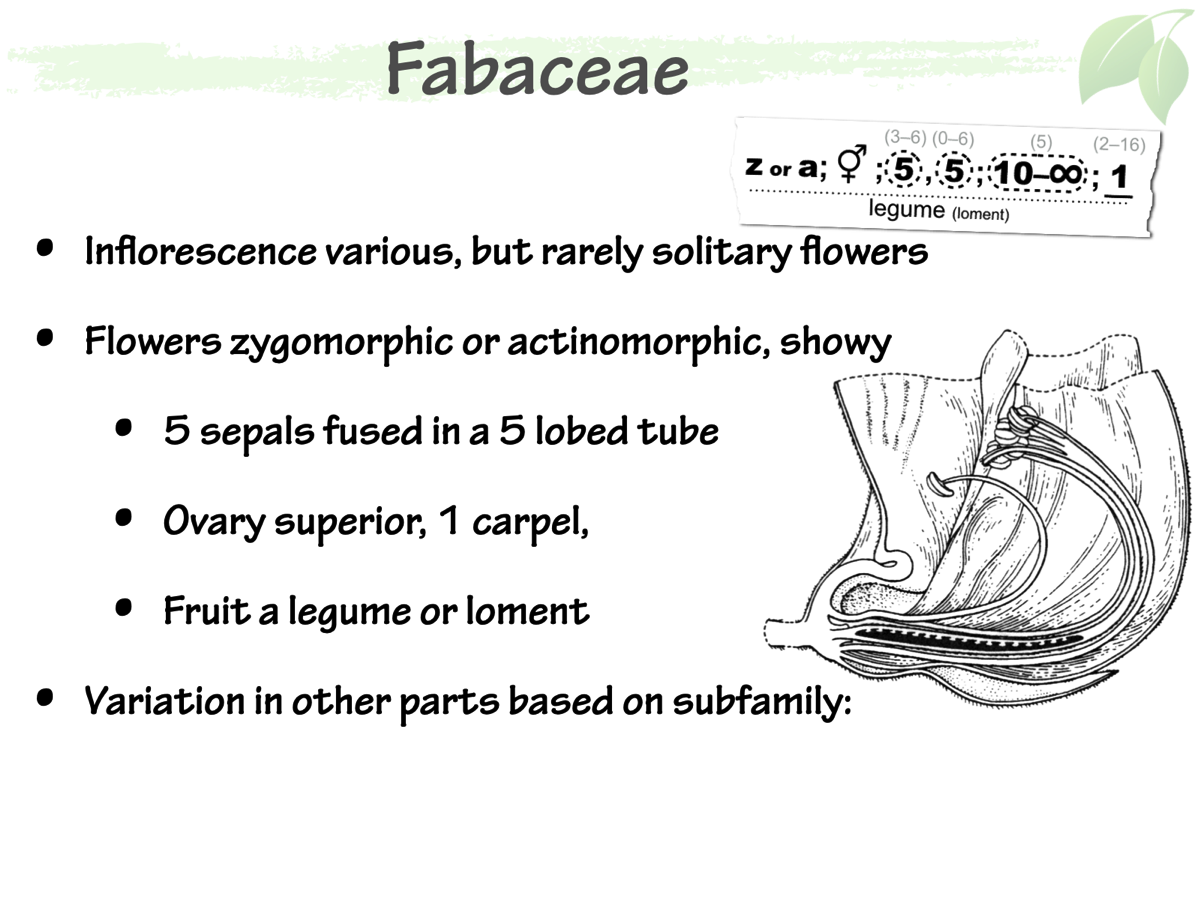
Herbs to trees with mostly alternate, pinnately compound or trifoliate leaves (less commonly simple or palmately compound). Leaf bases with a pulvinus and stipulate. Flowers various, but our native species are mostly papillionaceous, and fruit a legume or less commonly, a loment.

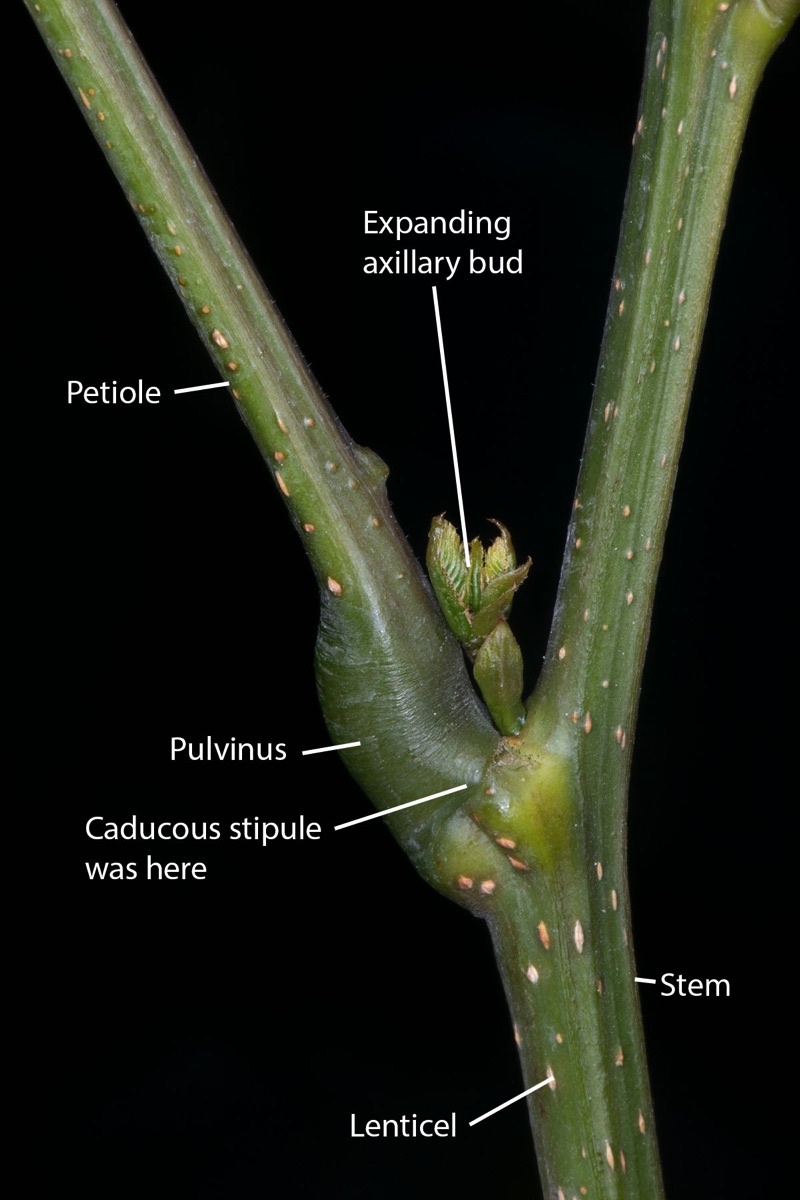
Albizia stem/leaf terminology
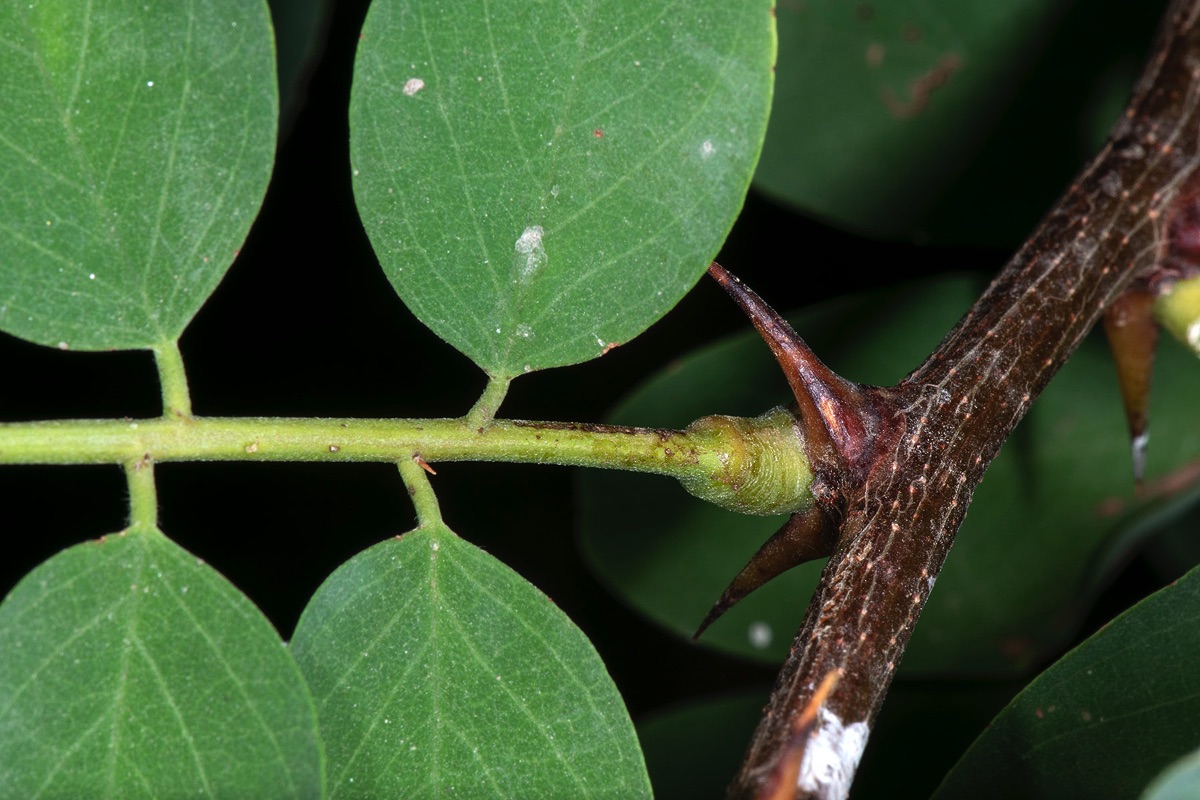
Robinia (black locust) base of compound leaf with pulvinus and stipular spines
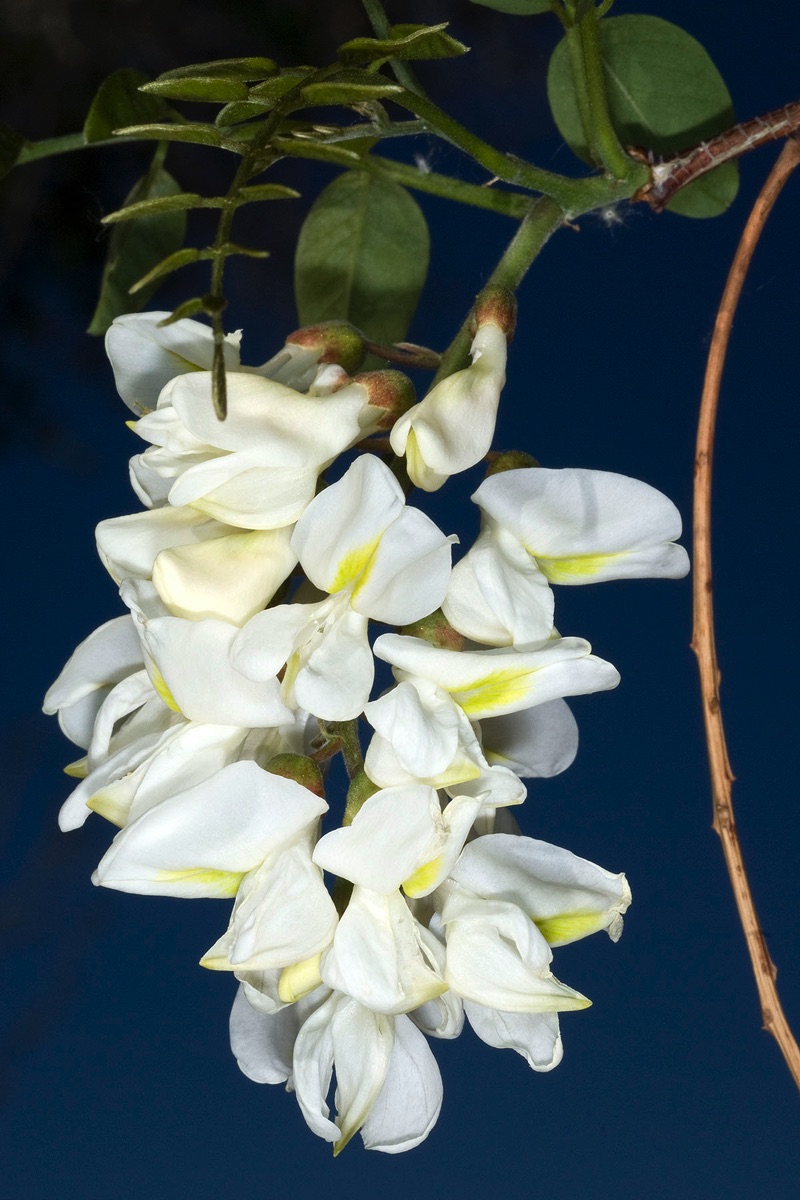
Robinia (black locust) flowers
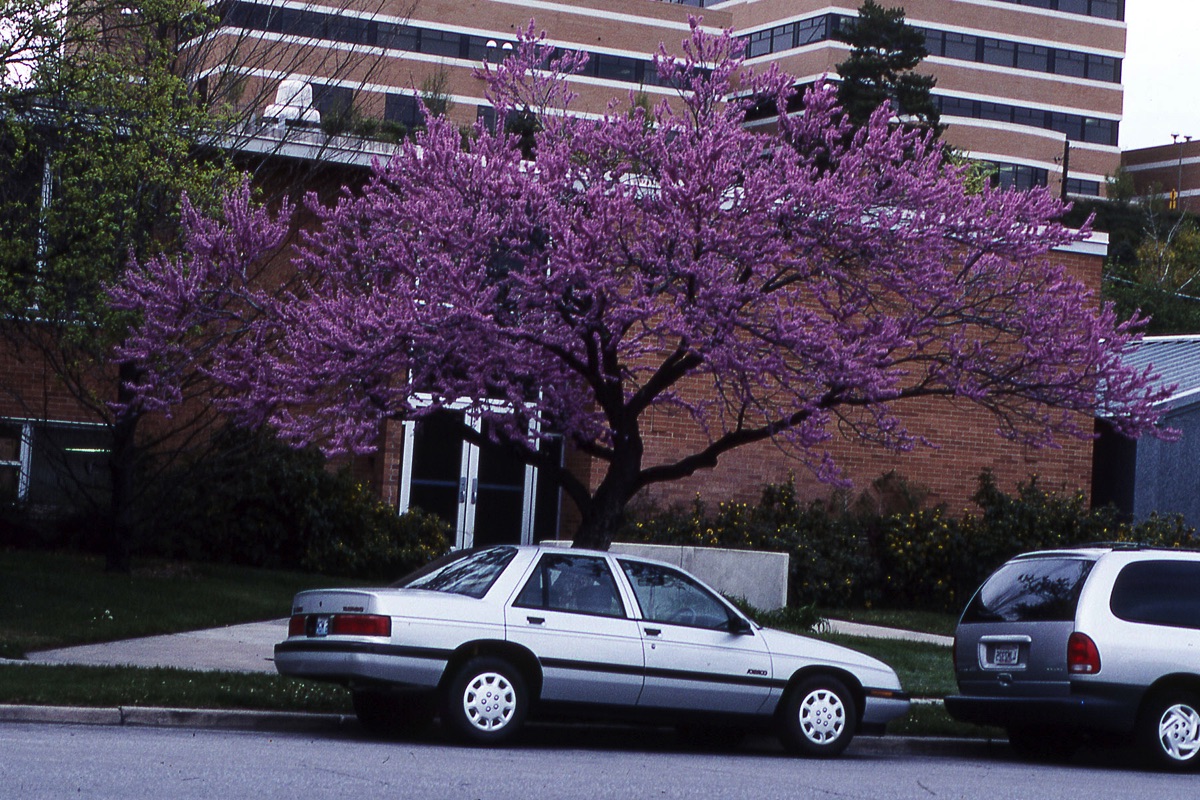
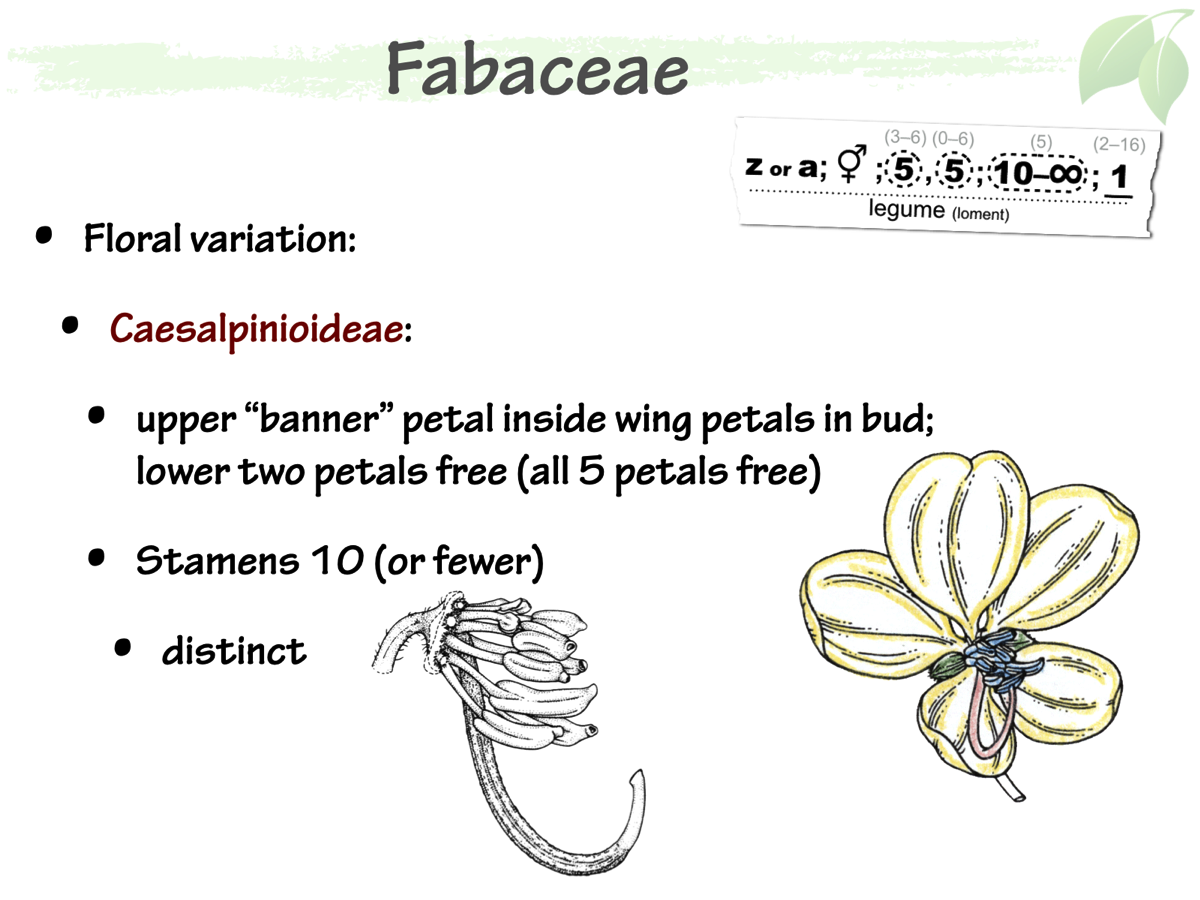
Cercis canadensis (redbud) trees bloom before the leaves appear
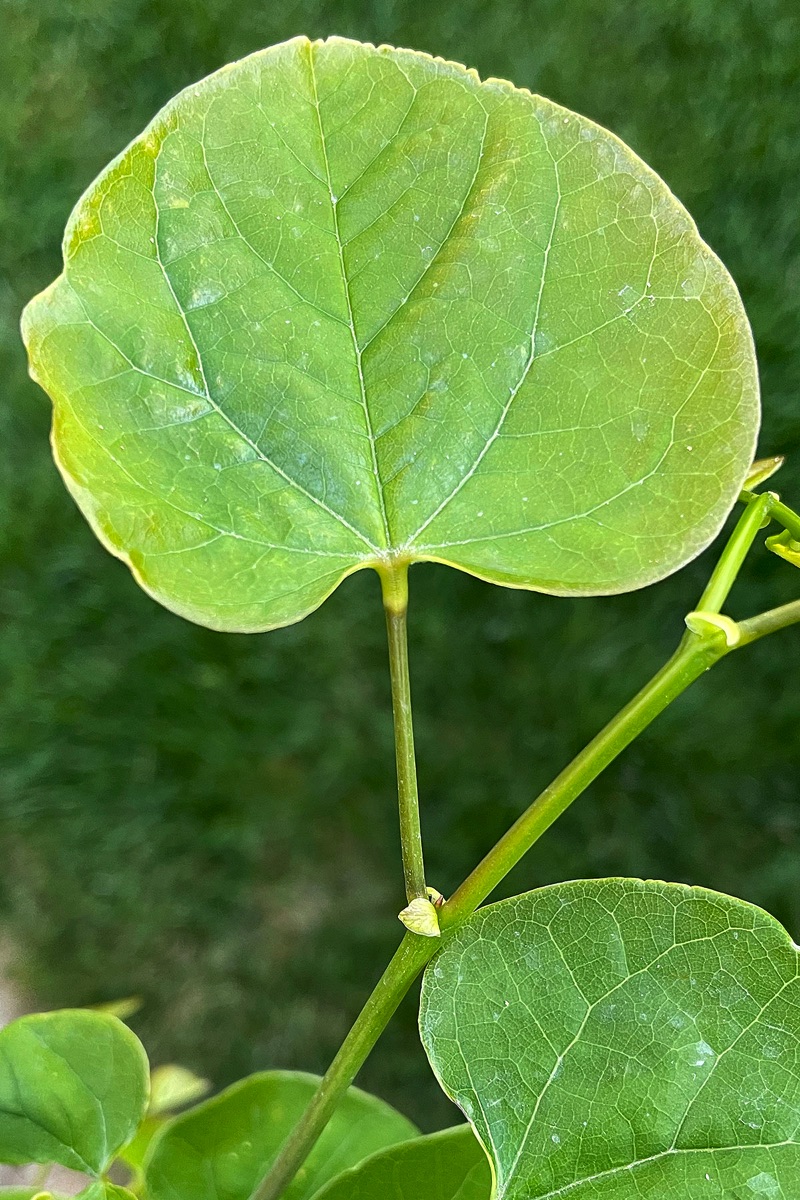
Cercis – redbud leaves are simple with entire margins, and have a pulvinus at base of petiole and pulvinule at base of blade
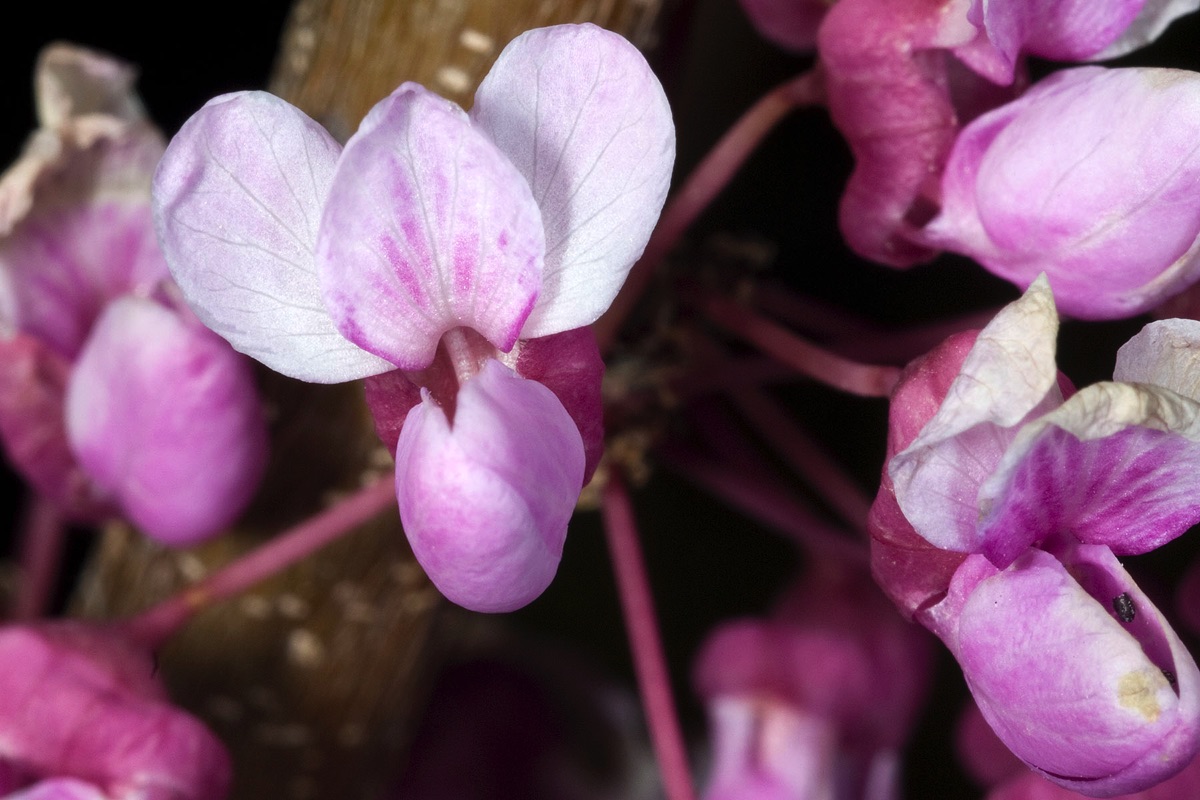
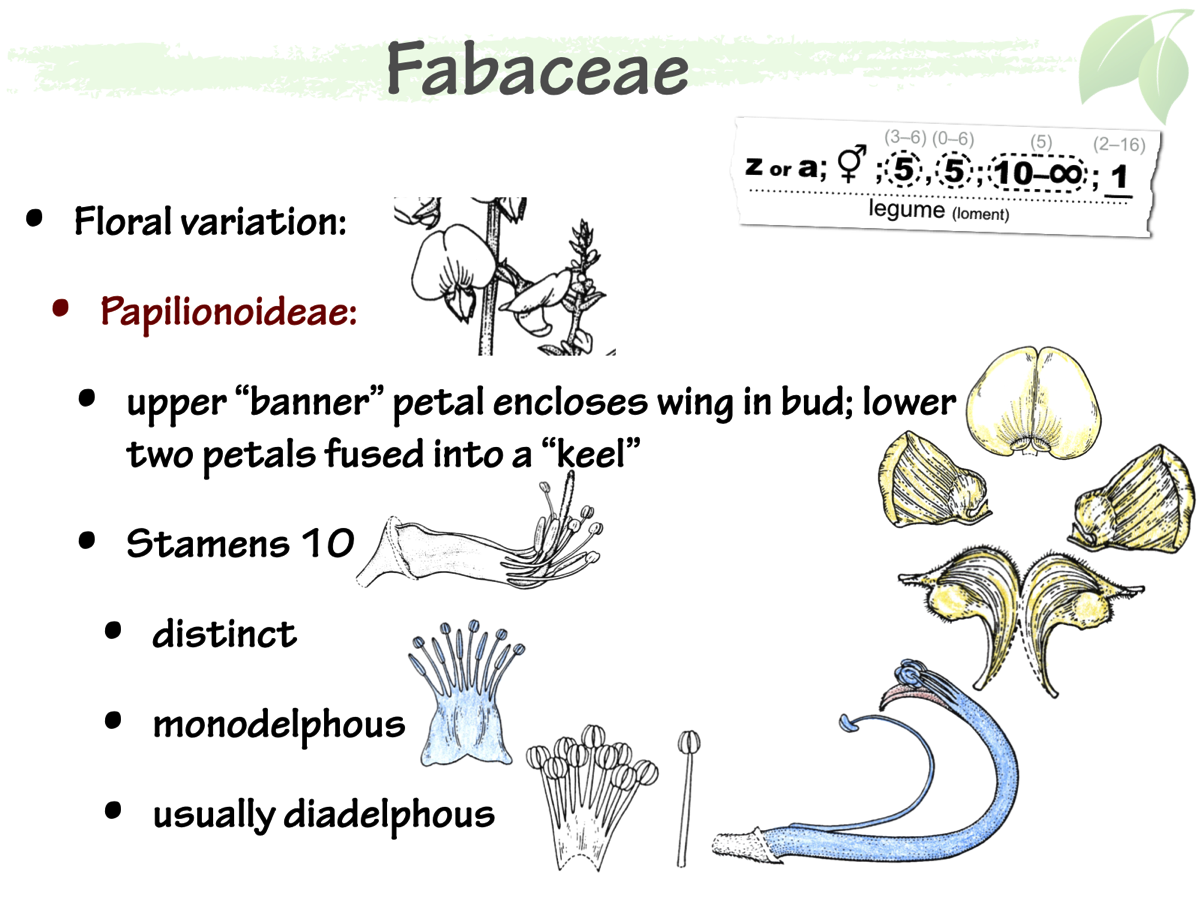
Redbud are Caesilpinioideae with banner inside the wings and lower two petals free.
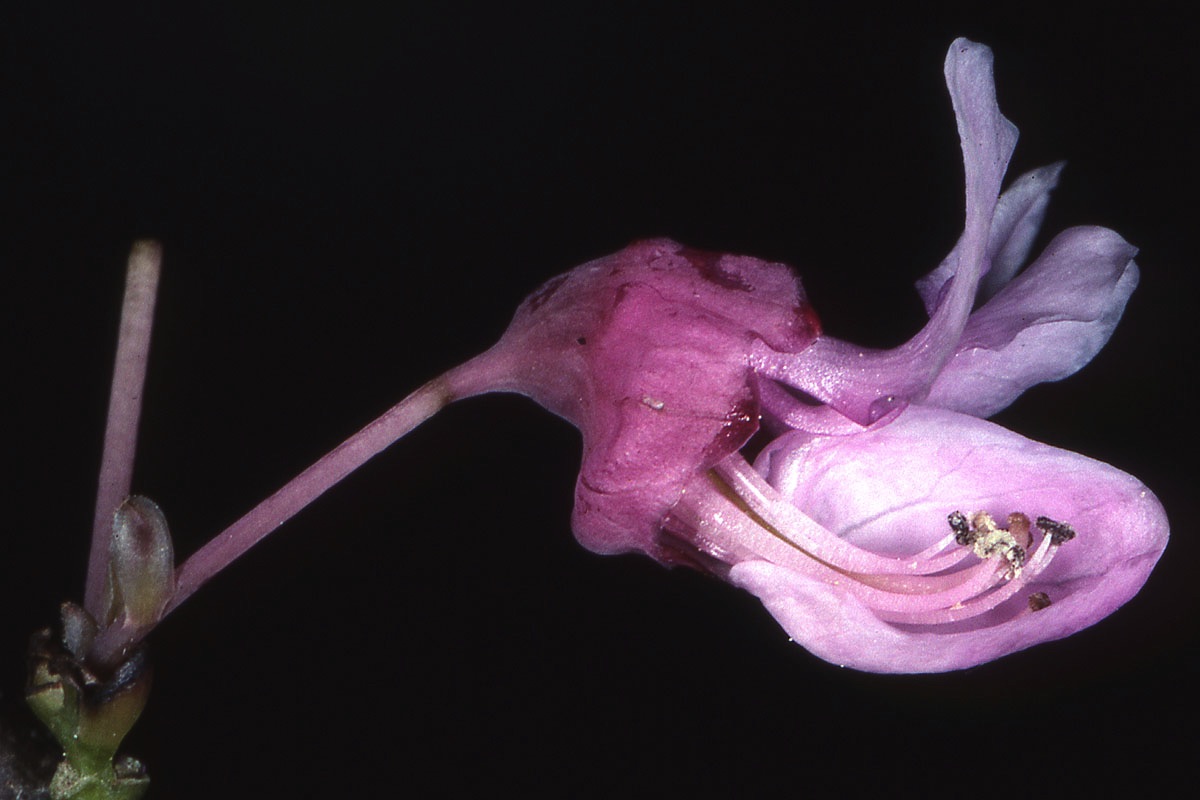
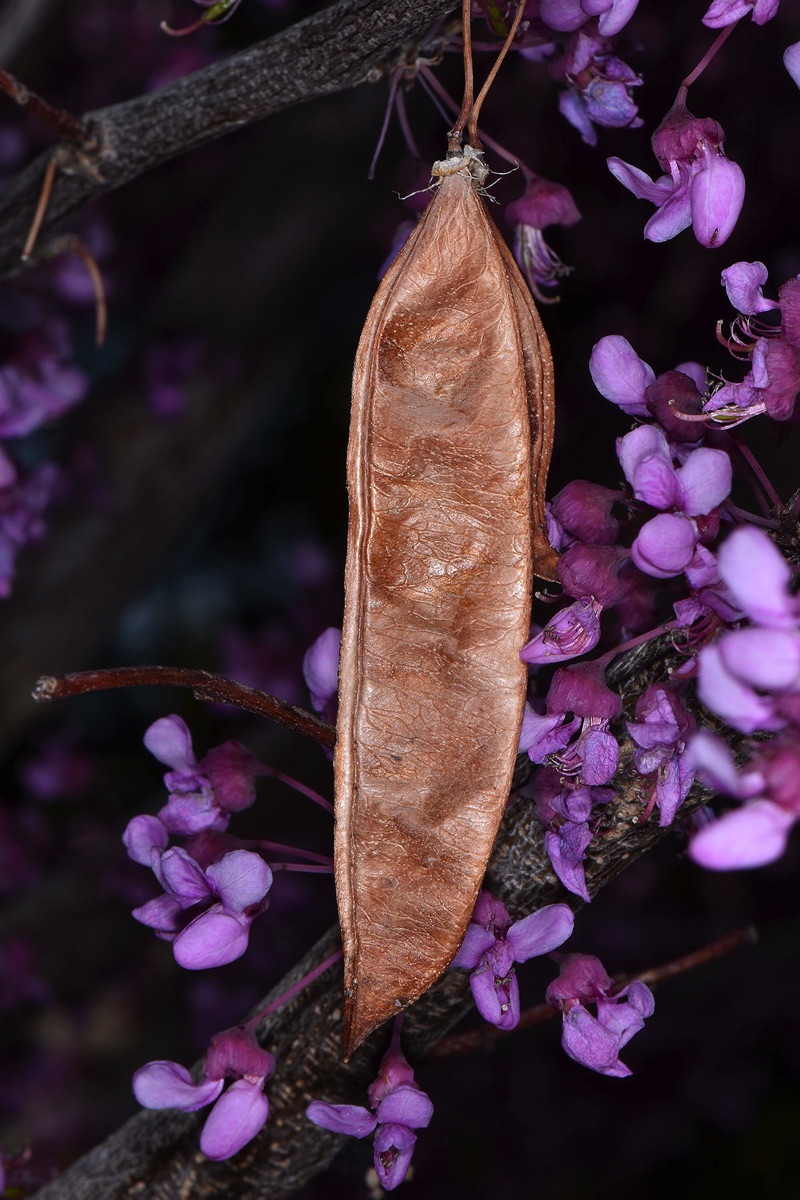
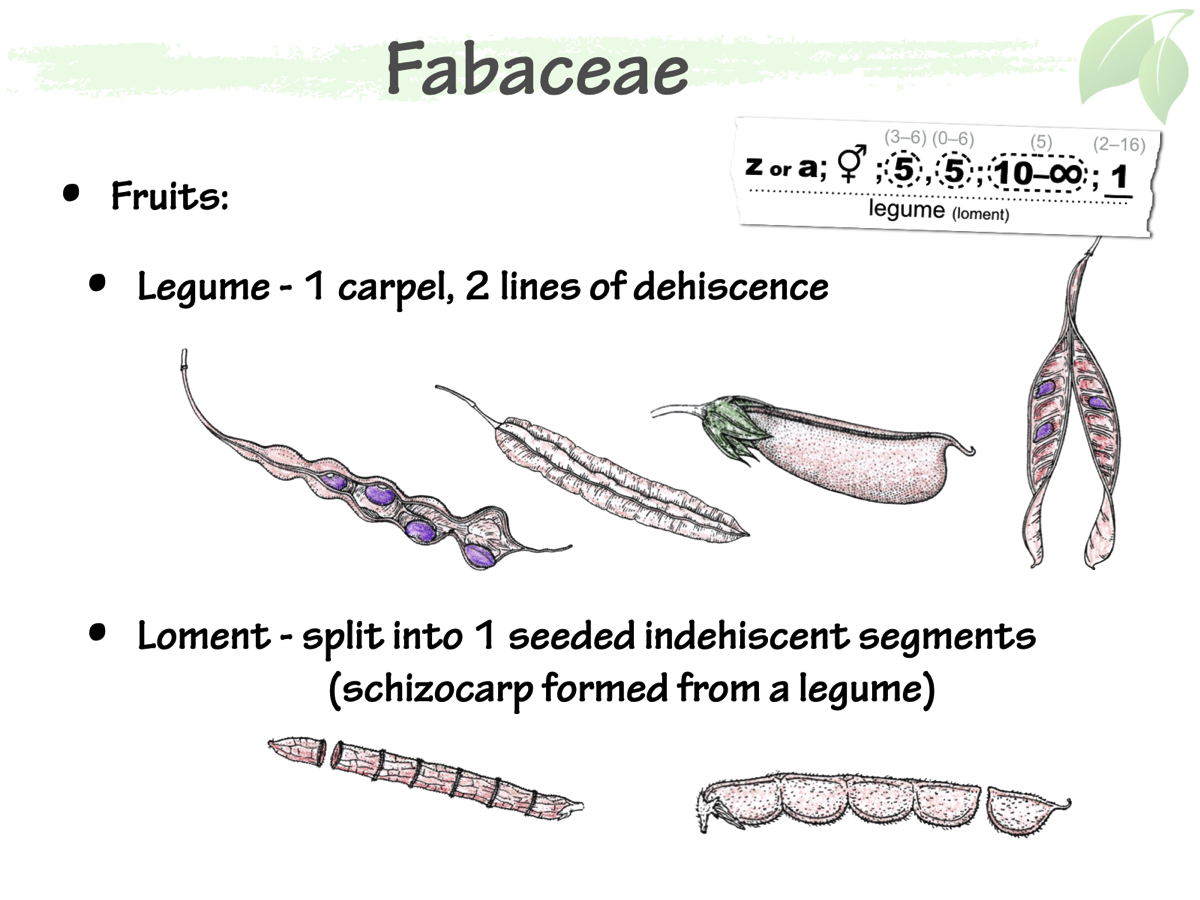
Legume from previous year in front on spring red bud flowers
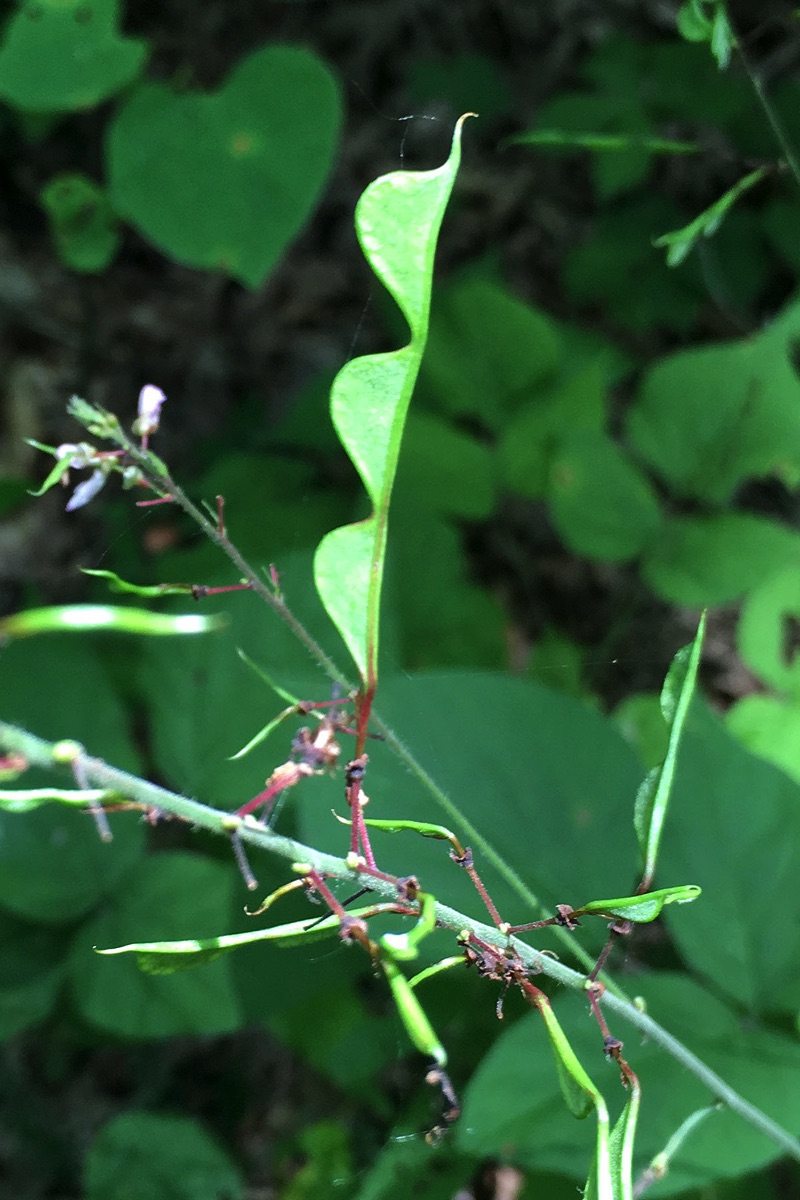
Desmodium - modified legumes that break apart into indehiscent 1-seeded segments are called loments
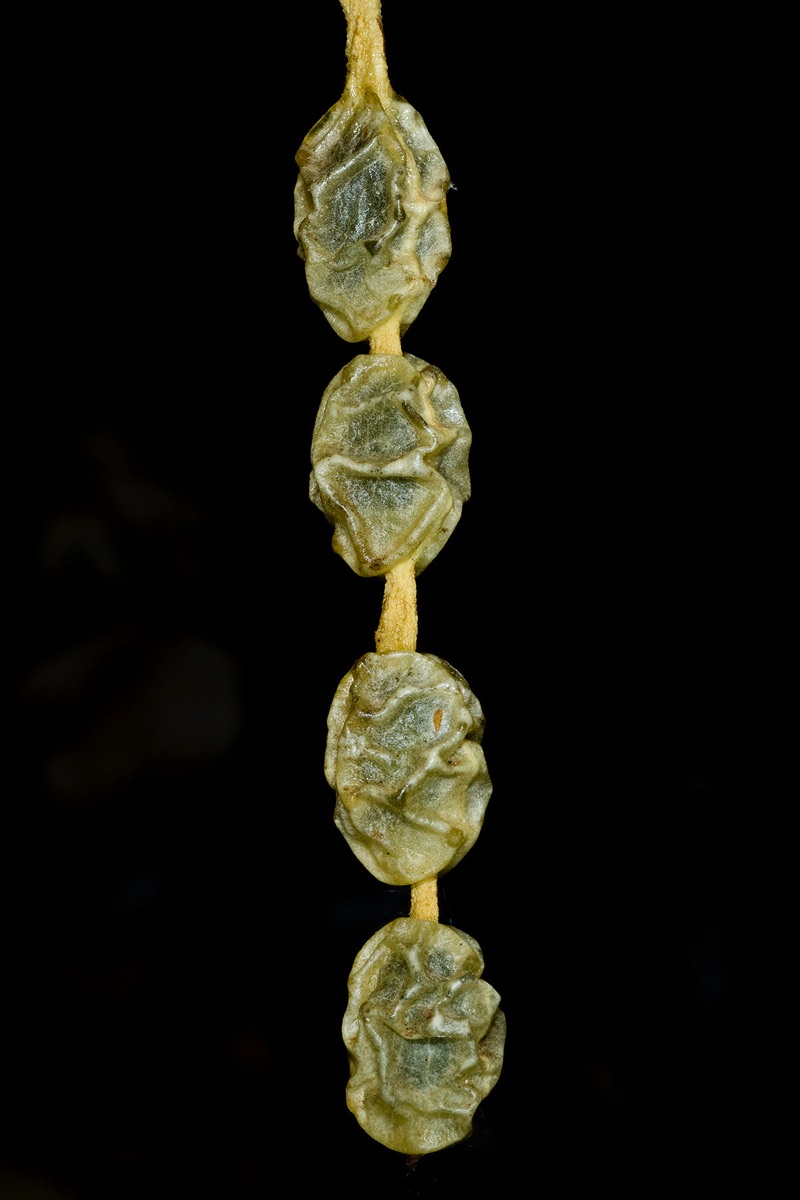
Loment
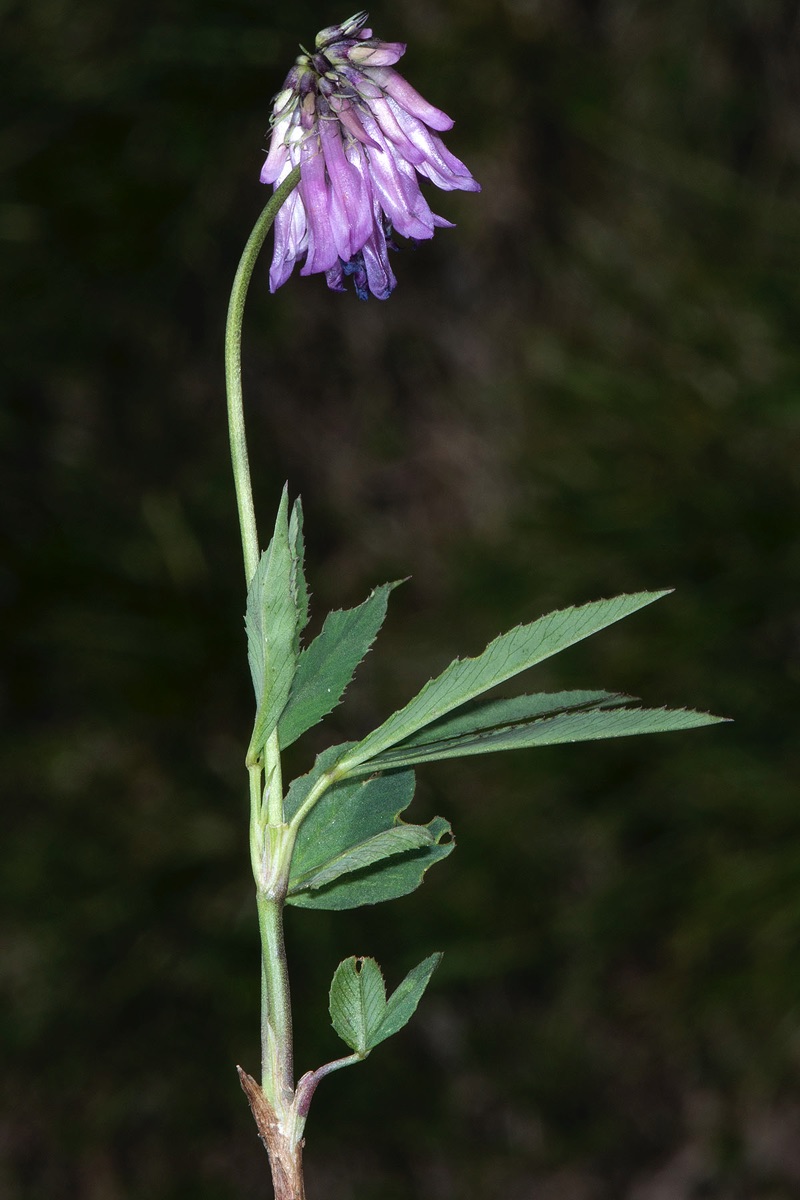
N17_4615_mod21.jpg
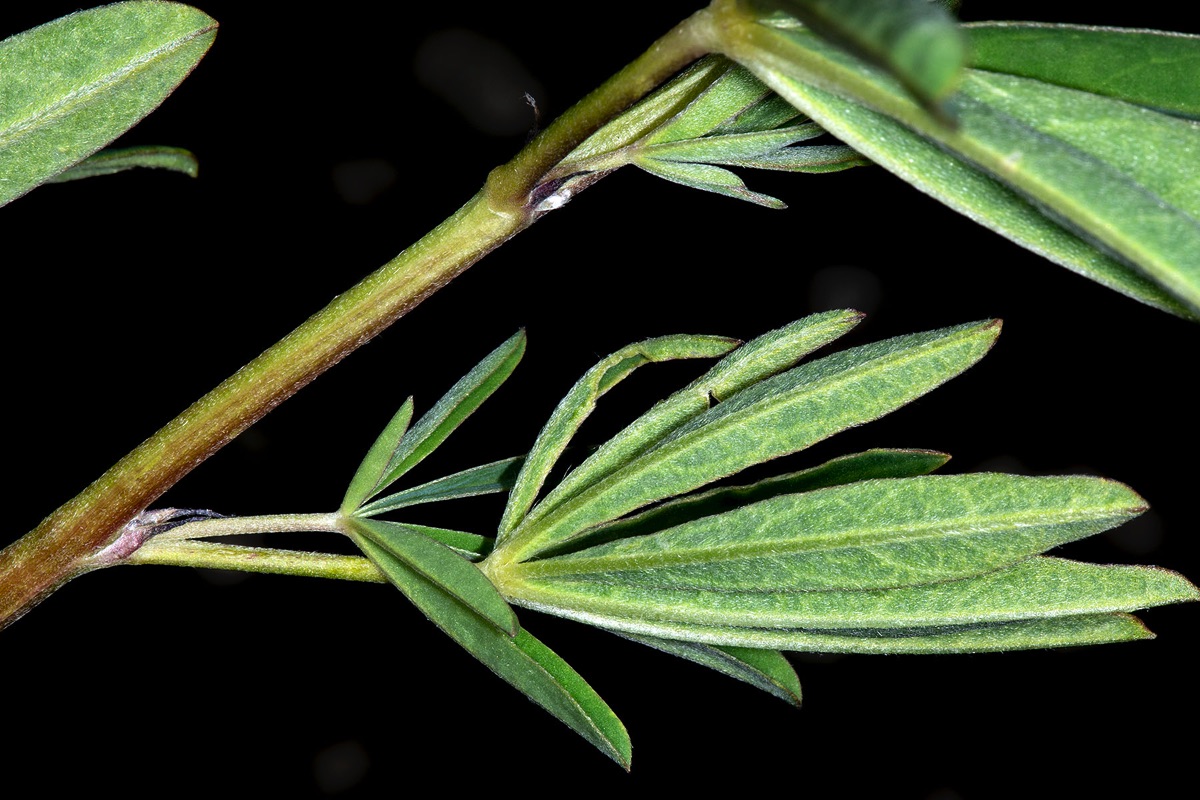
Lupinus have palmately compound leaves; see stipules at the base.
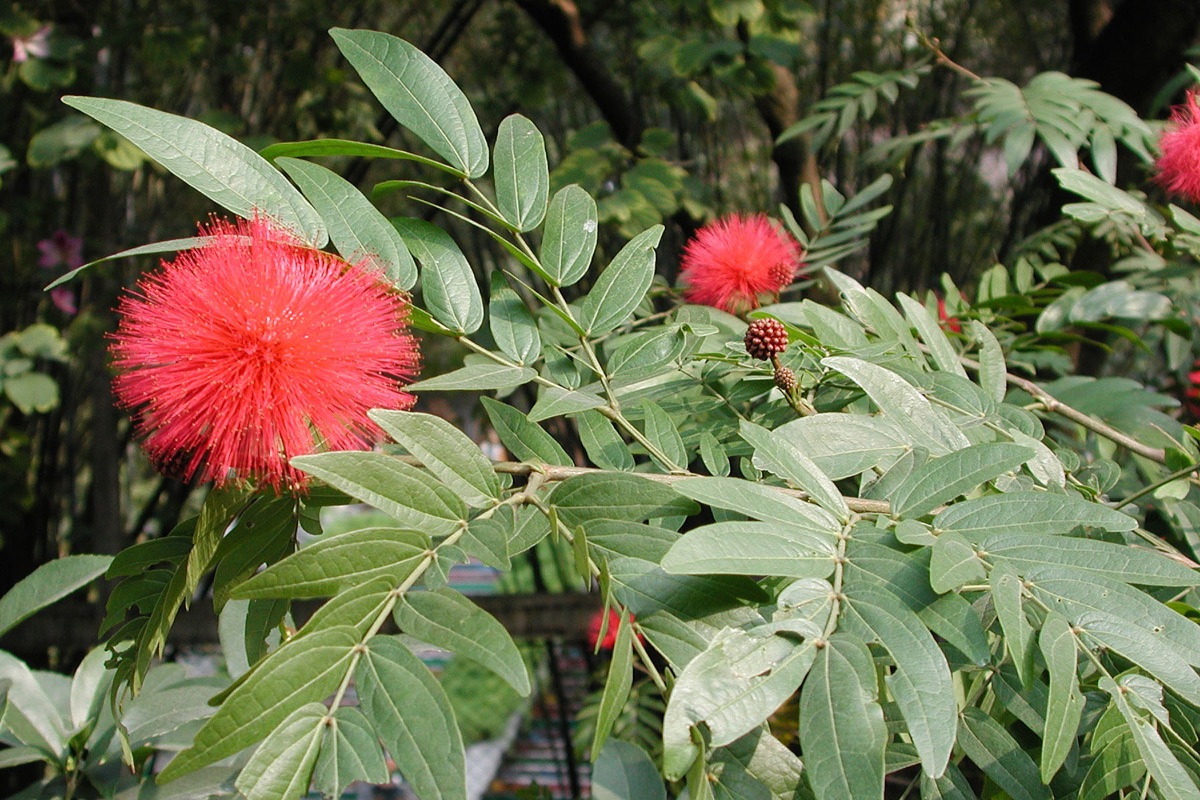
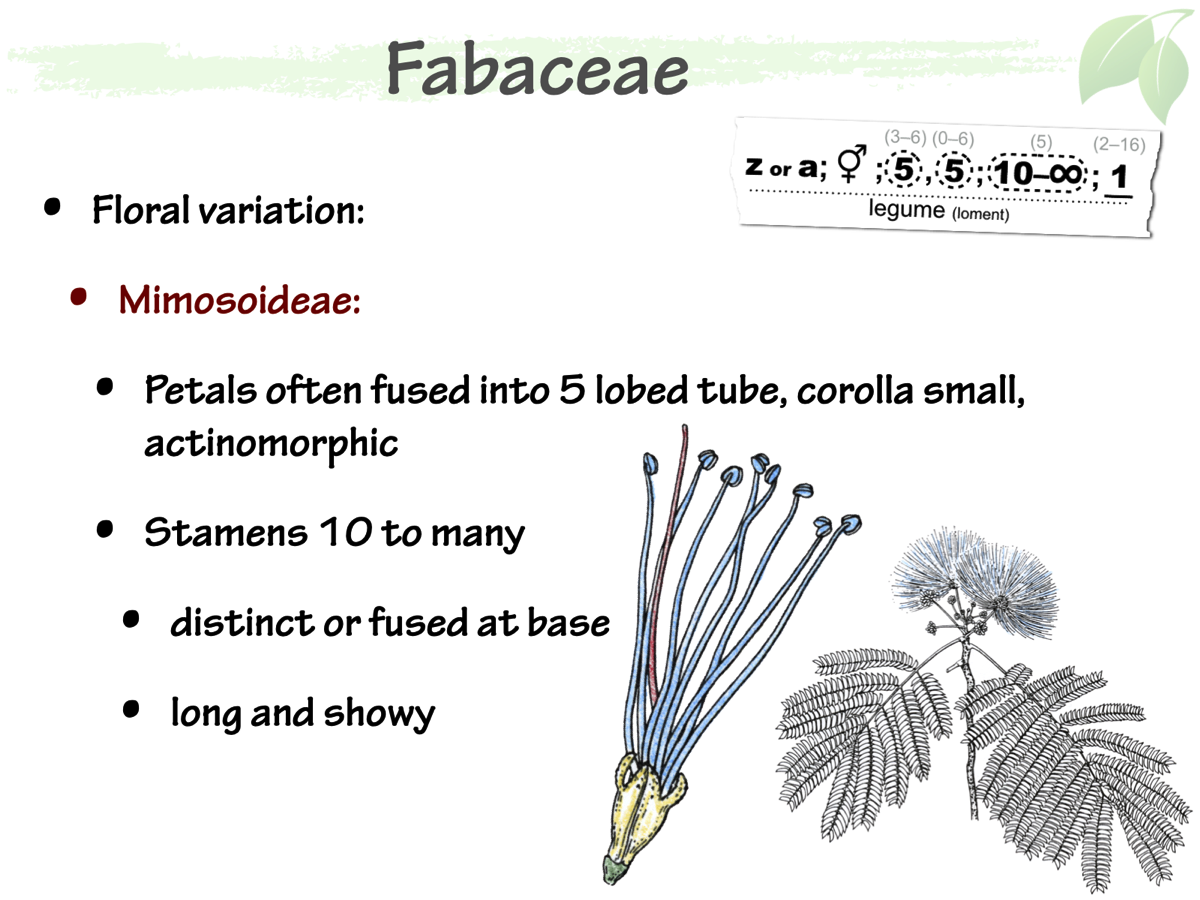
Mimosoideae form showy inflorescence heads of small, regular flowers with long showy stamens that together have a pom-pom appearance
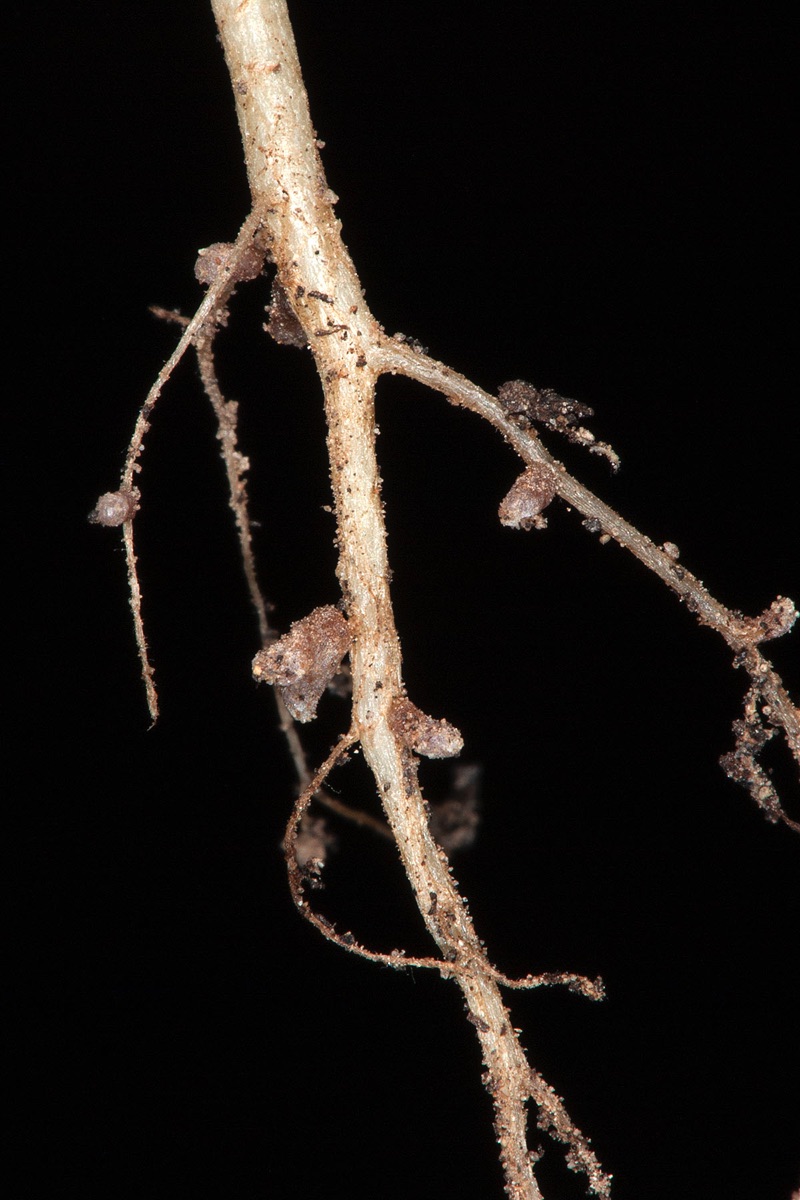
Root nodules containing nitrogen-fixing bacteria on Alfalfa roots
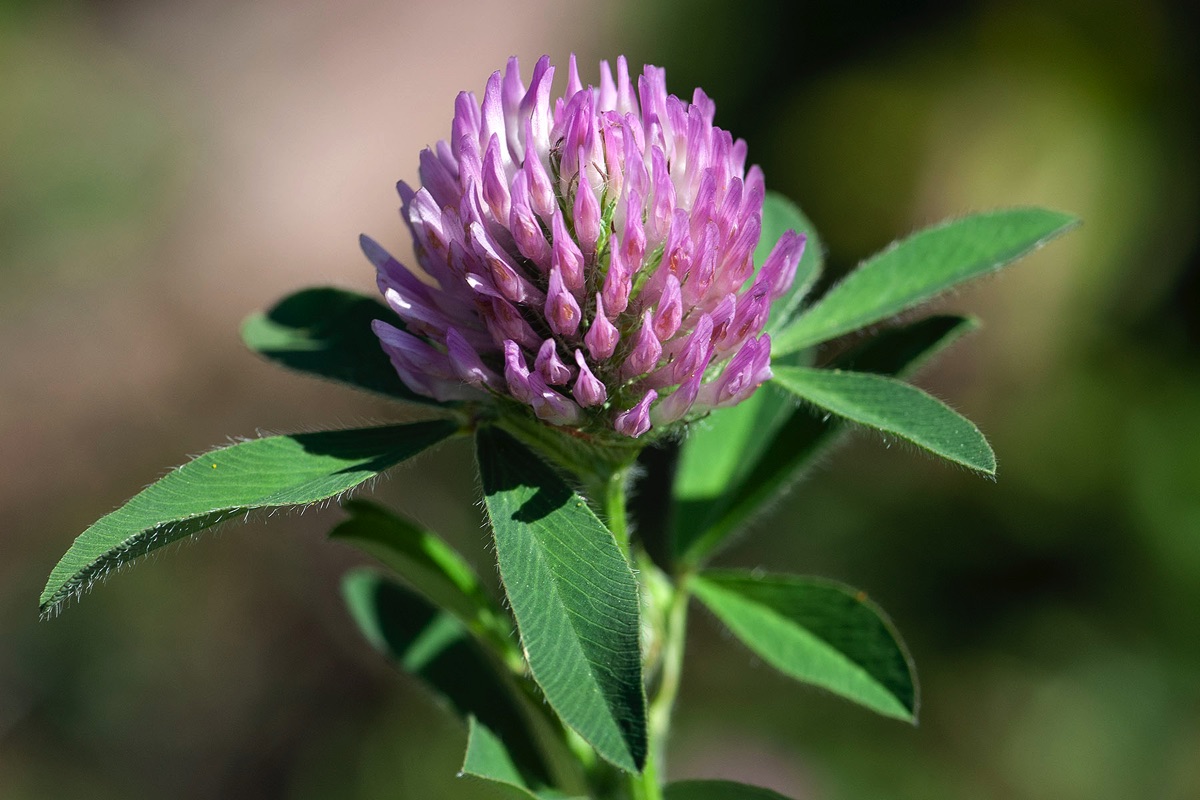
Clover; these tiny flowers are Papilionaceous in form; the inflorescence is a head.
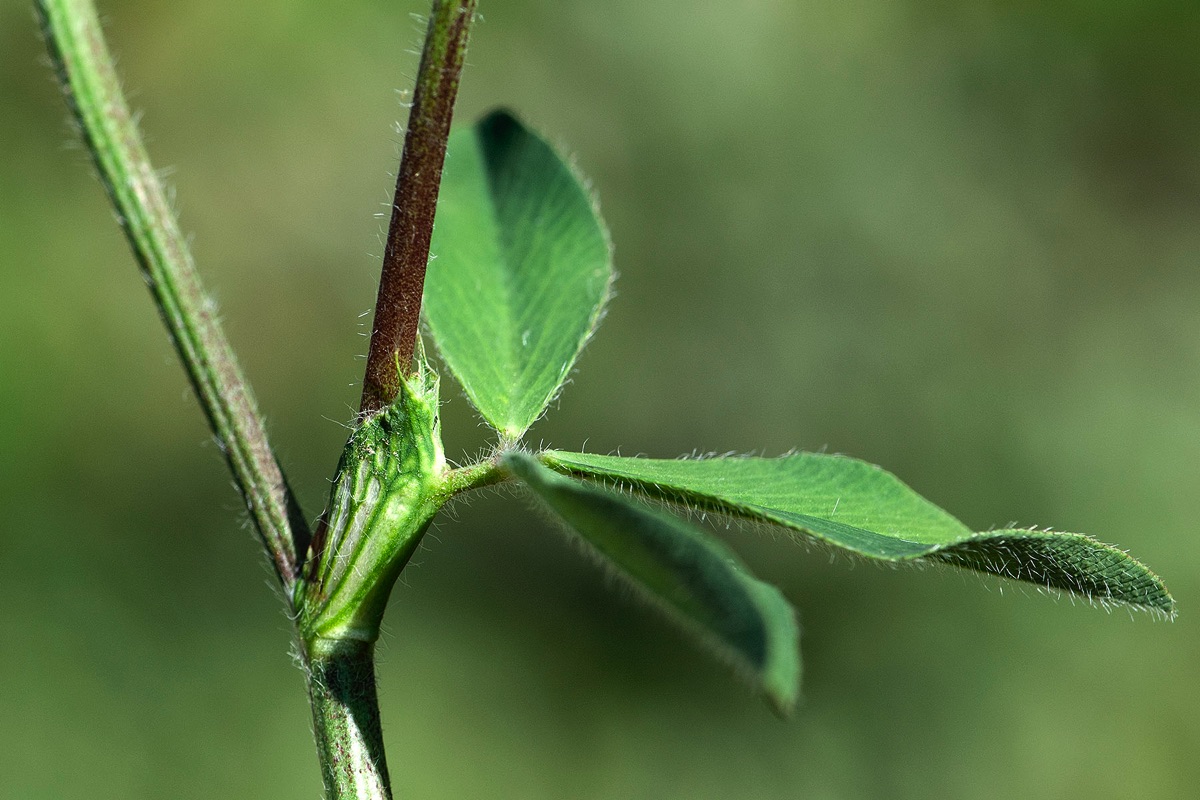
Clover - wing-like stipules at base of ternate leaf
09A_4202_mod21.jpg
N17_4925_mod21.jpg
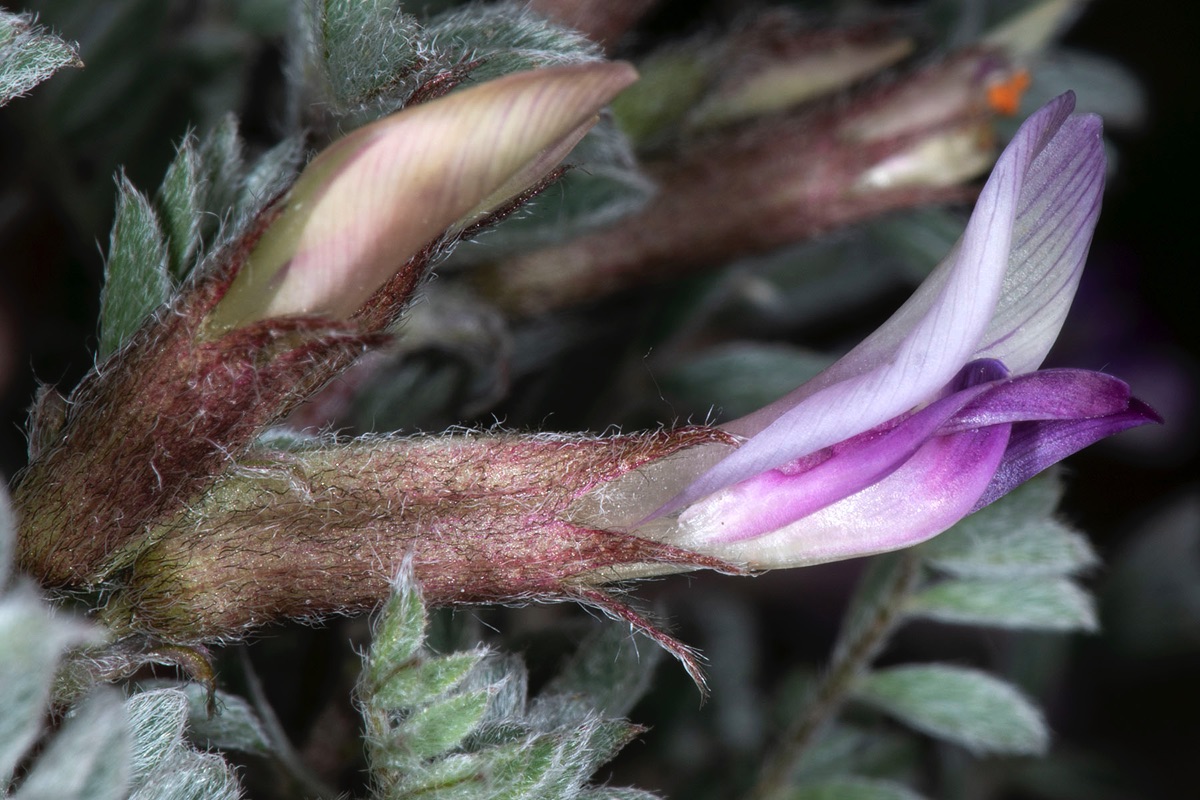
Astragalus sp. from Emery Co., UT. Papilionaceous flower.
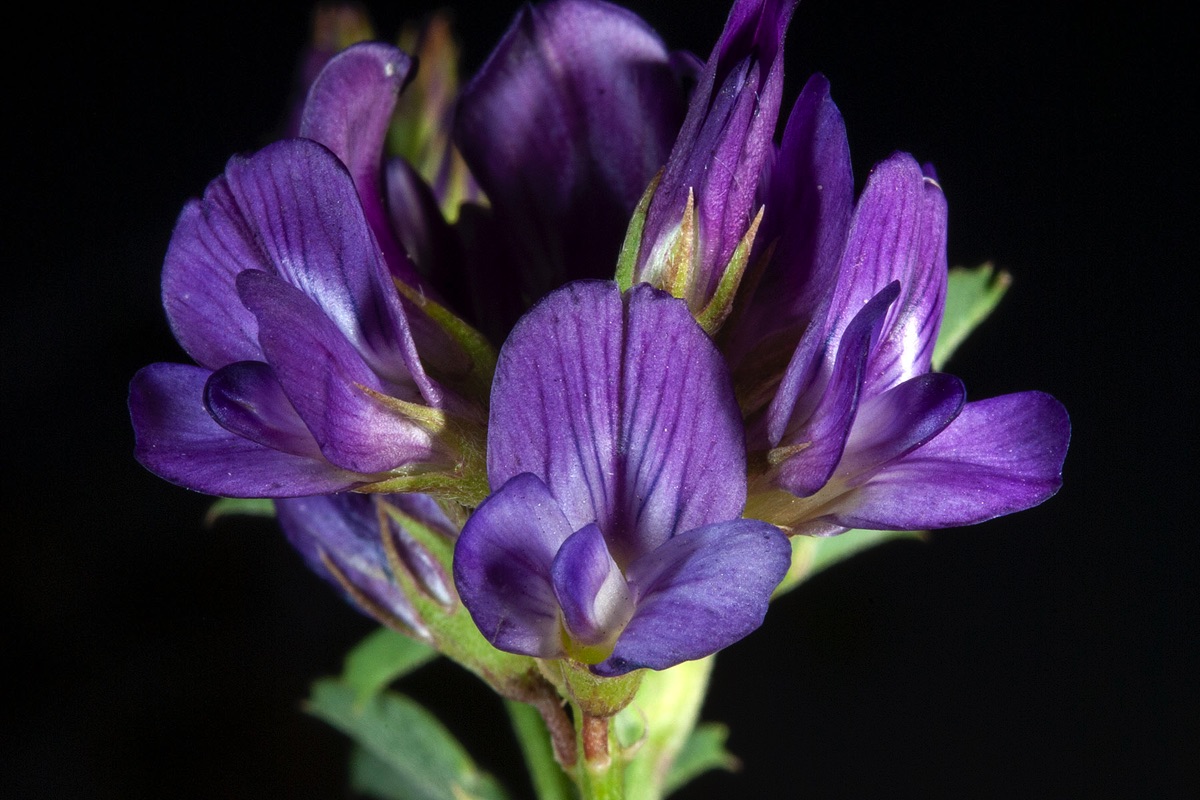
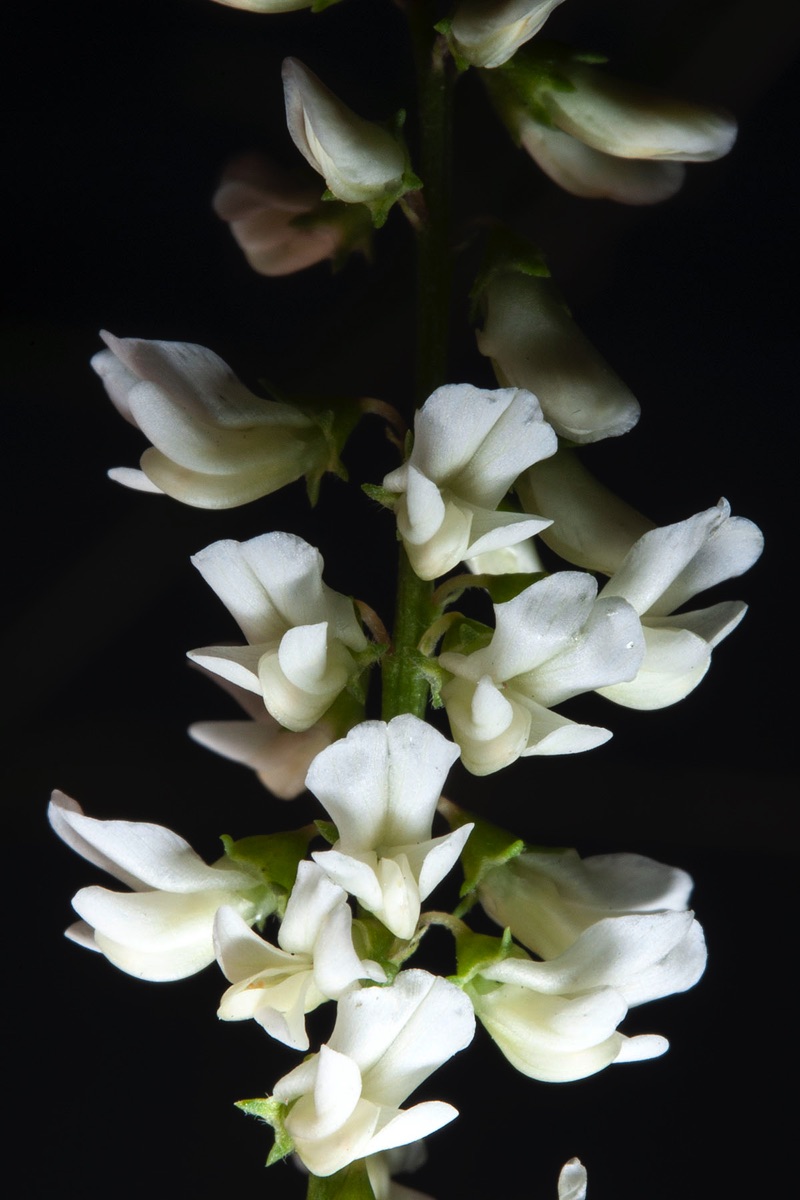
Alfalfa flowers
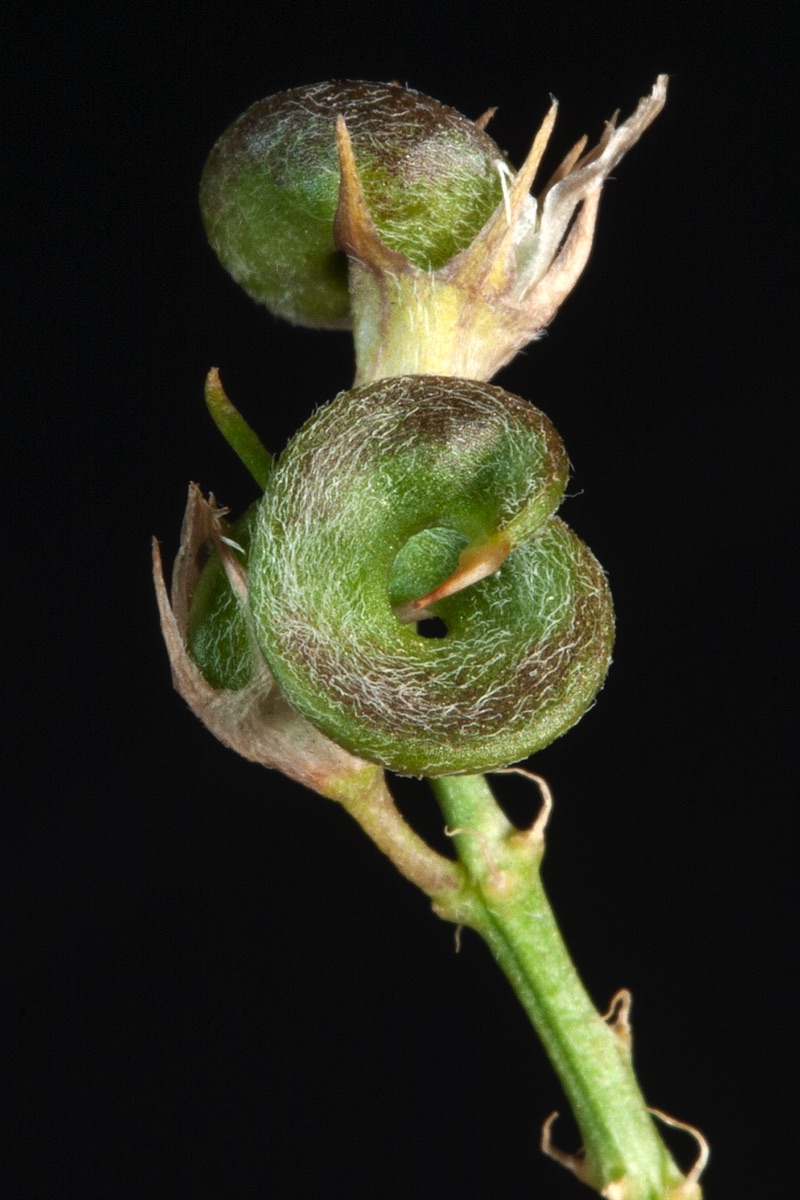
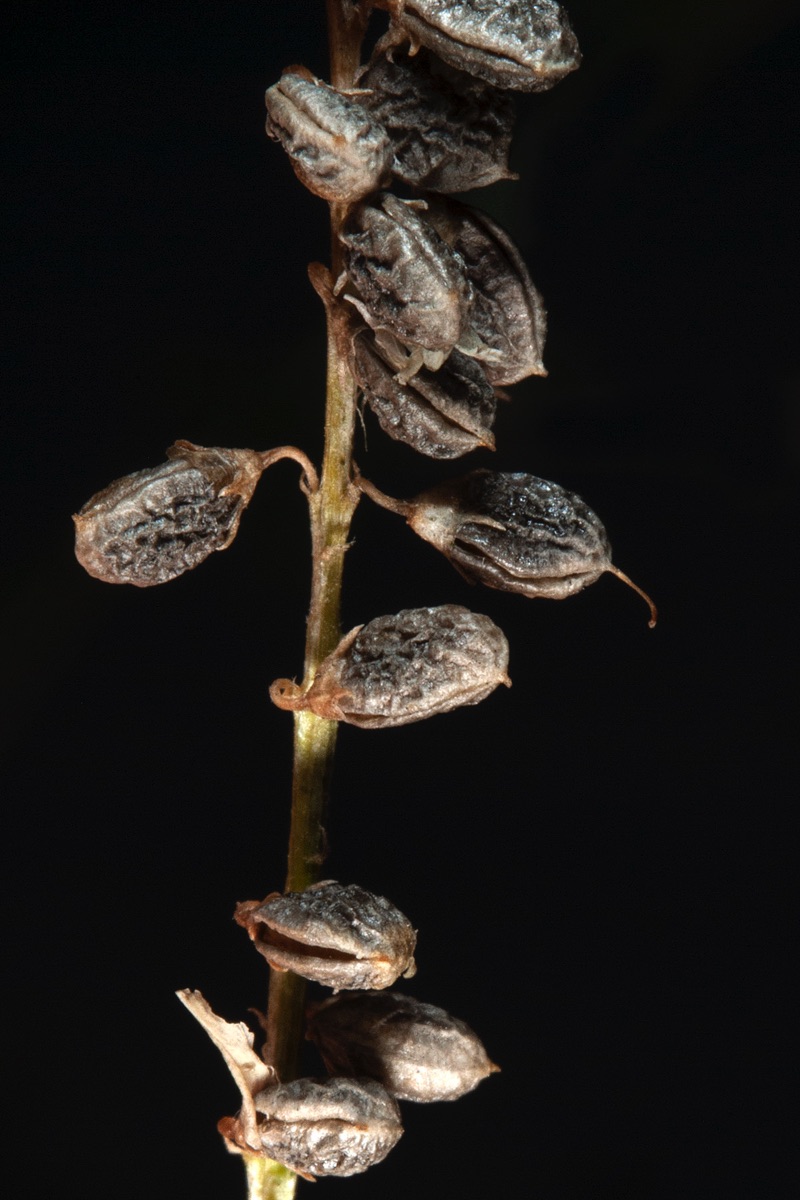
Alfalfa fruits - tiny, twisty legumes
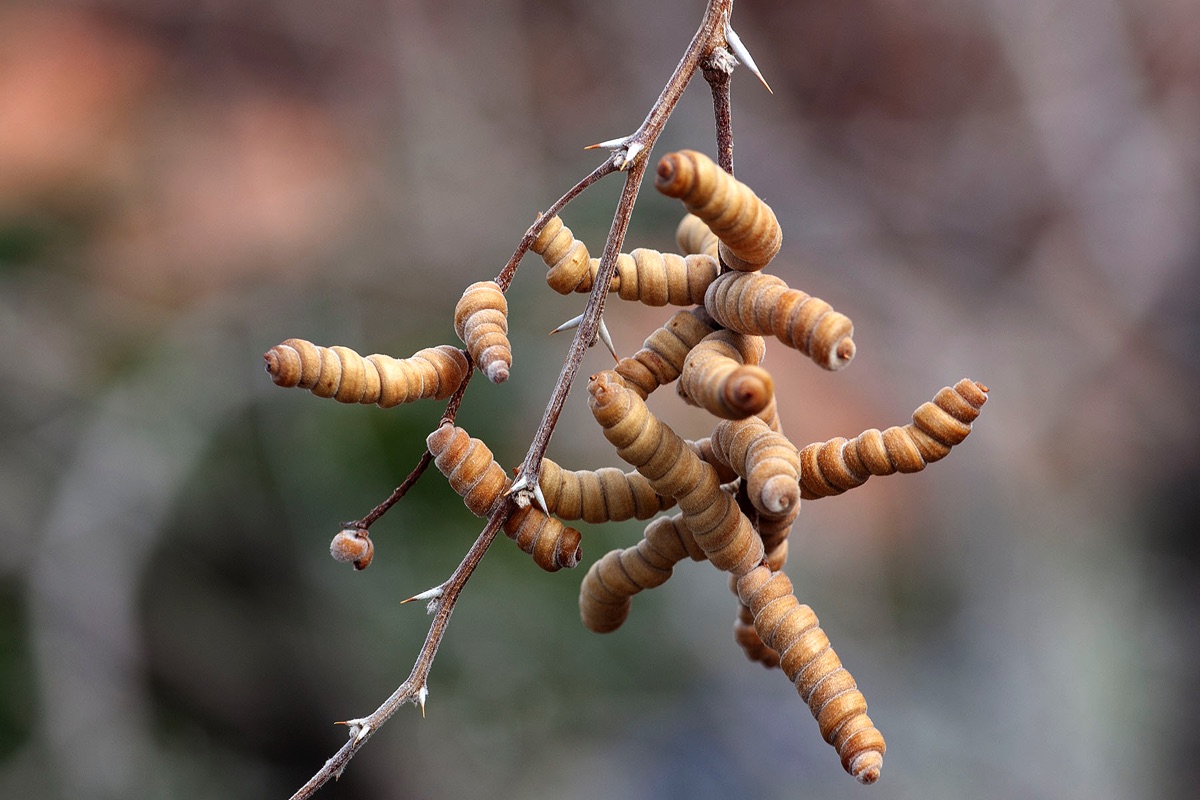
_08A2262_mod21.jpg
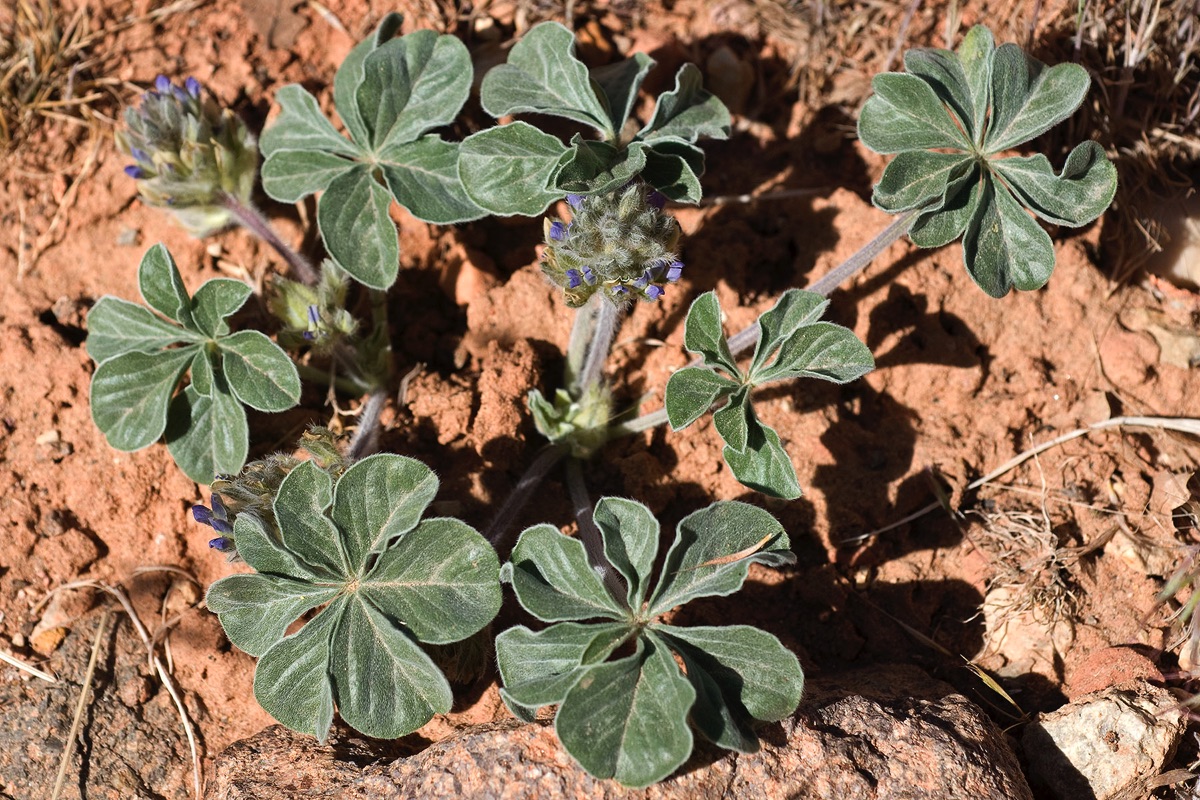
Pediomelon
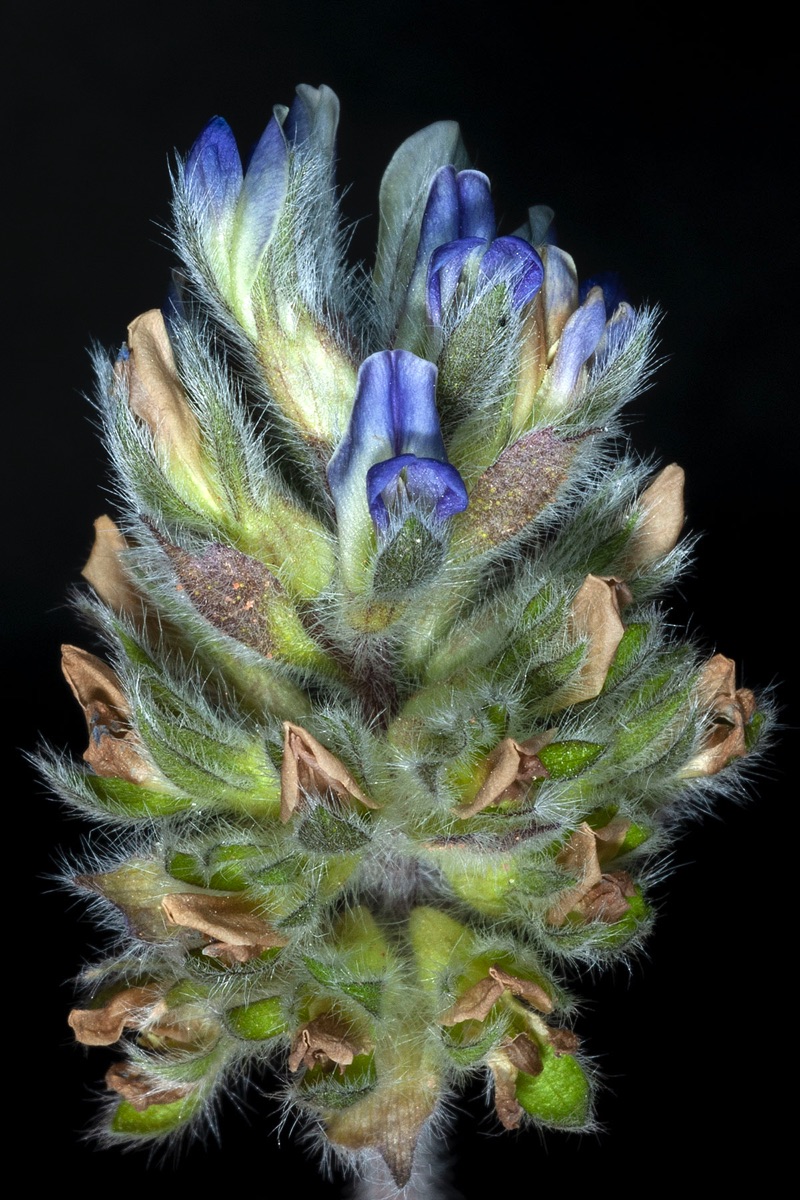
Pediomelon
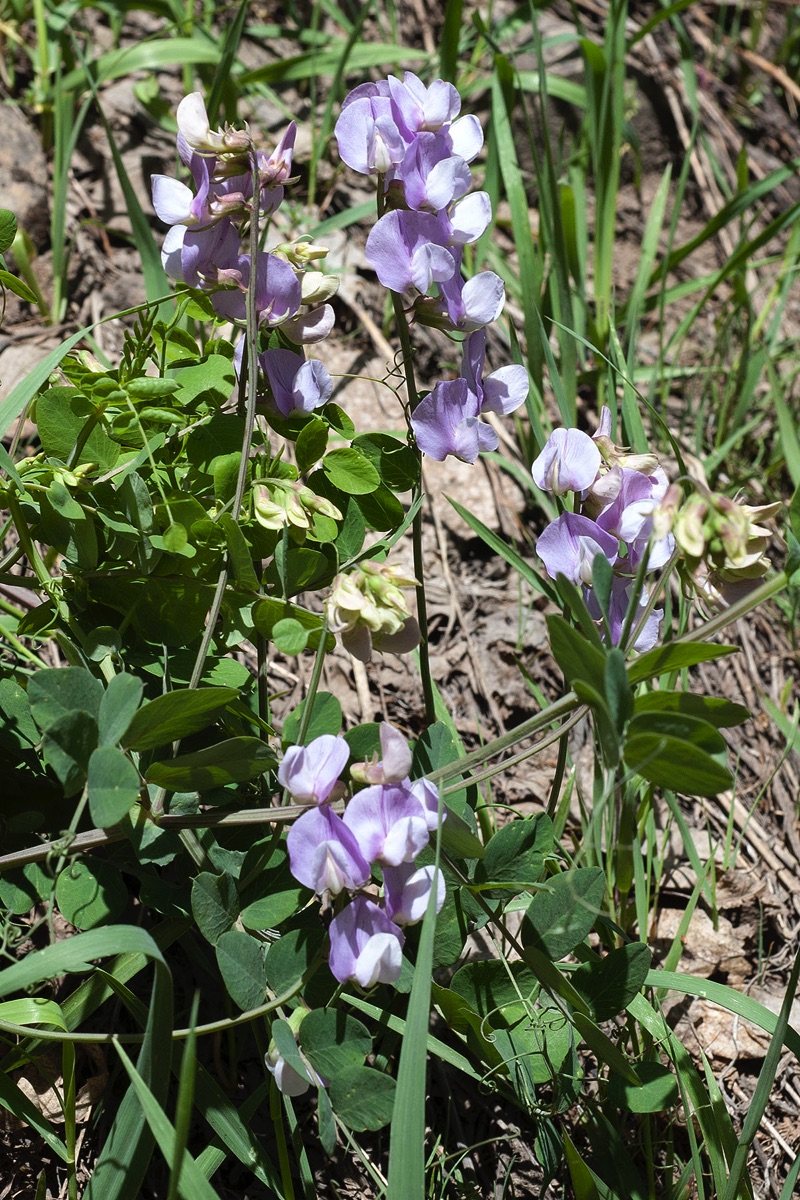
Vicia
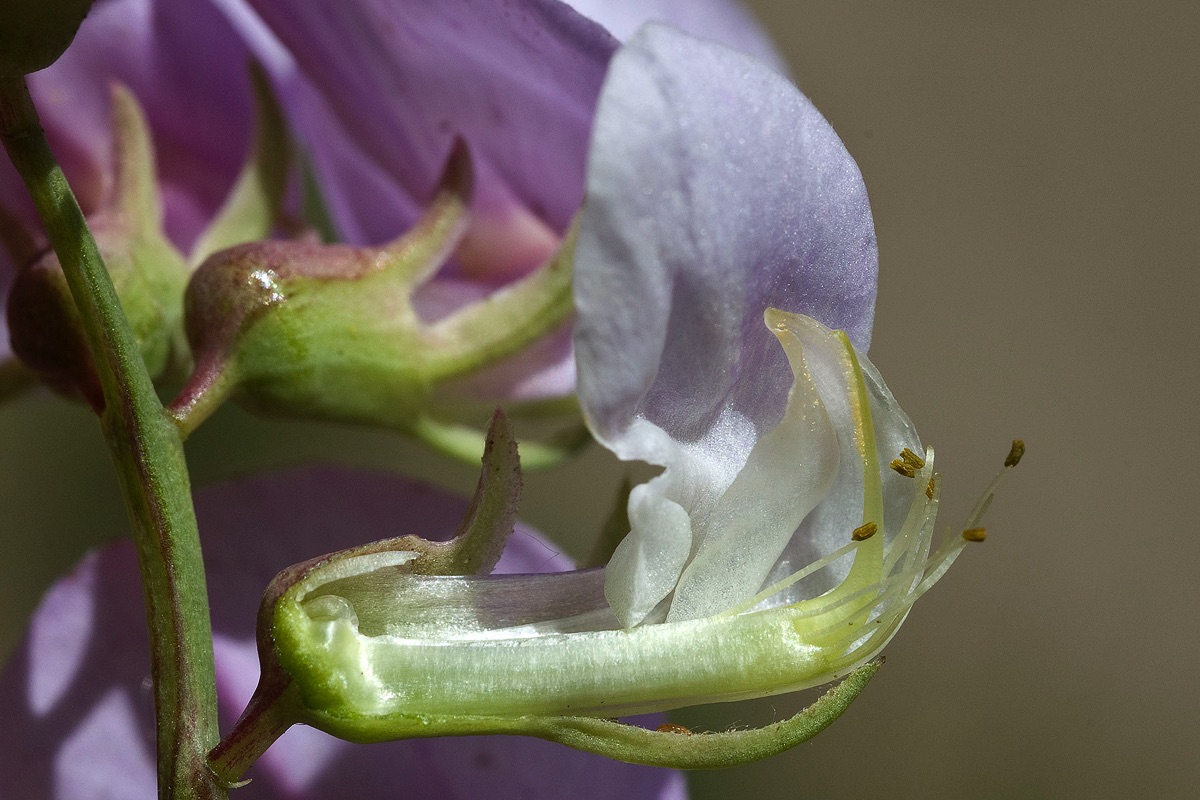
Vicia = section revealing didelphous stamens (9+1) in a papilionaceous flower
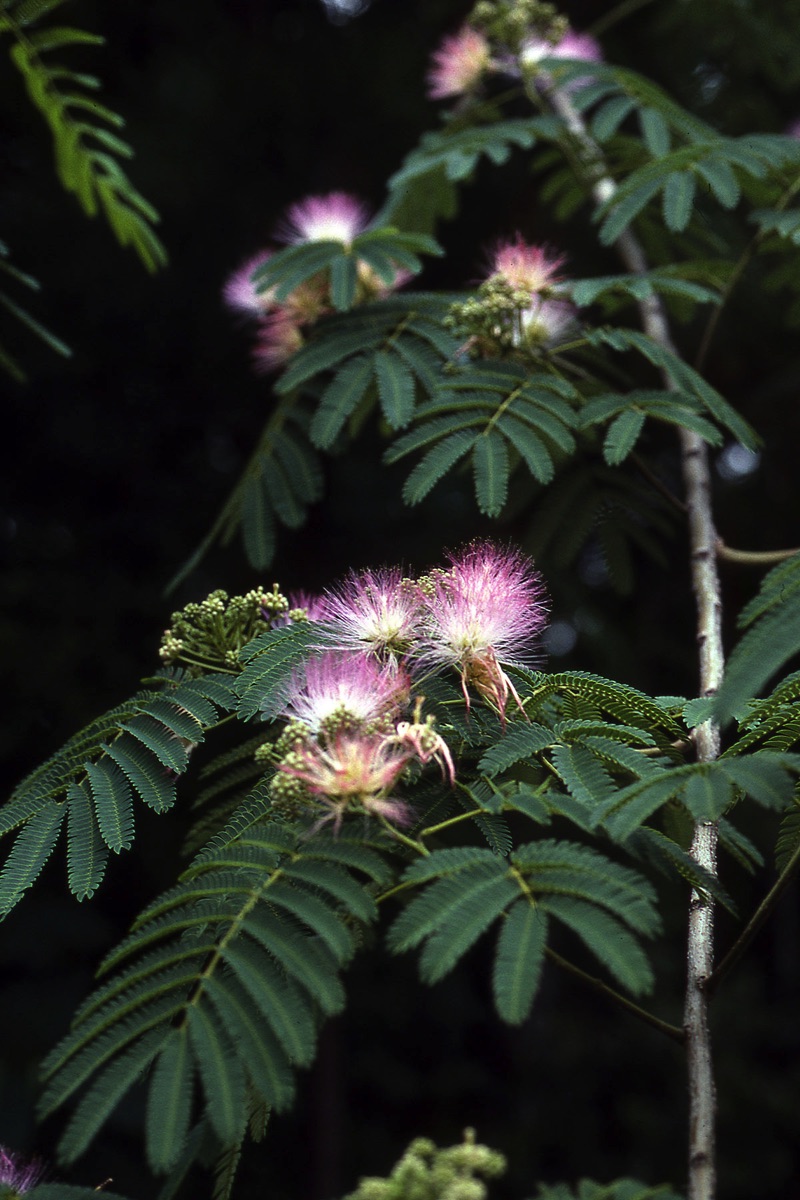
Albizia julibrissin (silk tree or mimosa)
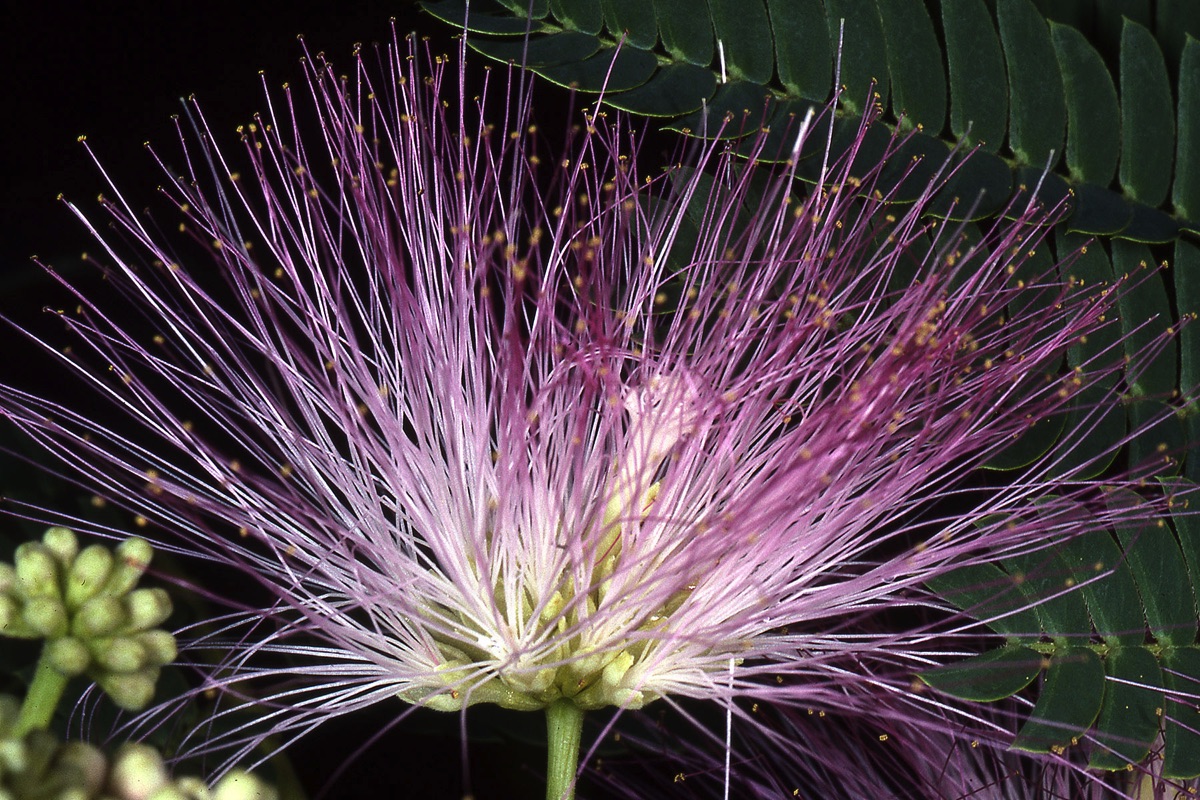
Albizia julibrissin (silk tree or mimosa) inflorescence
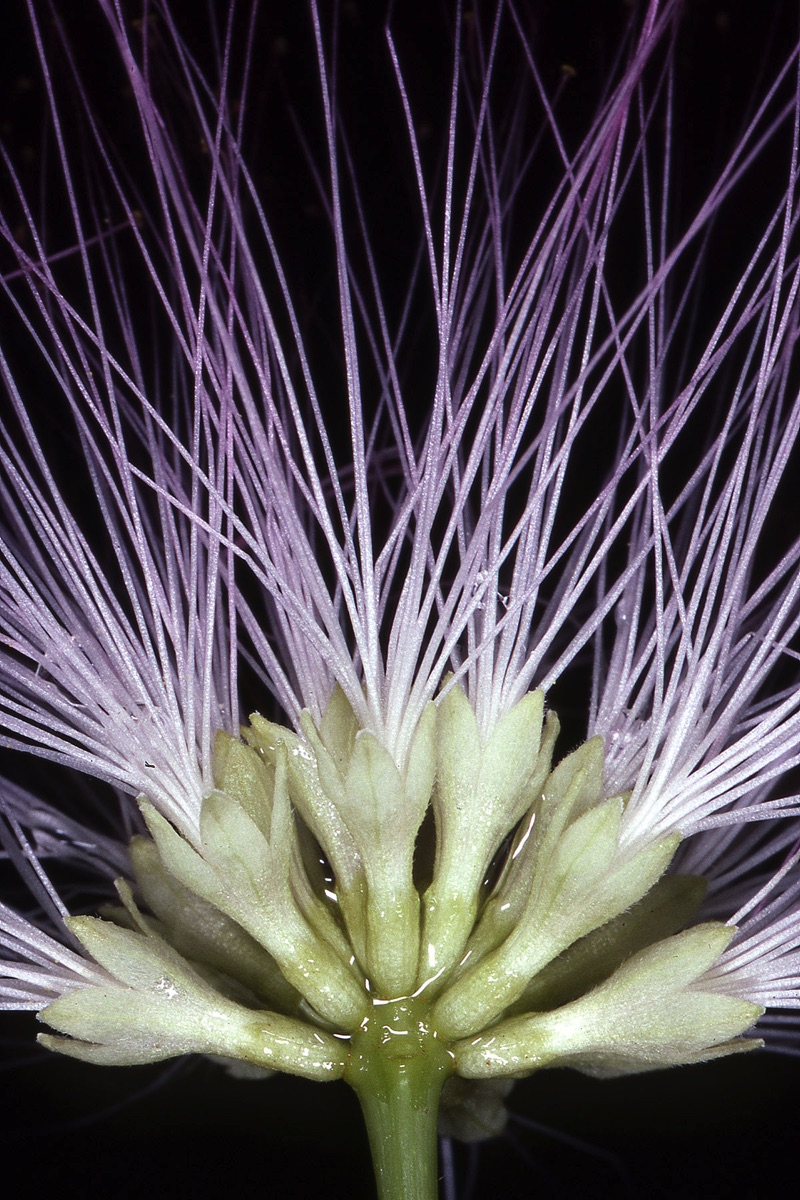
Albizia julibrissin, close up of flowers - actinomorphic symmetry, long showy stamens
DSCN6263_mod21.jpg
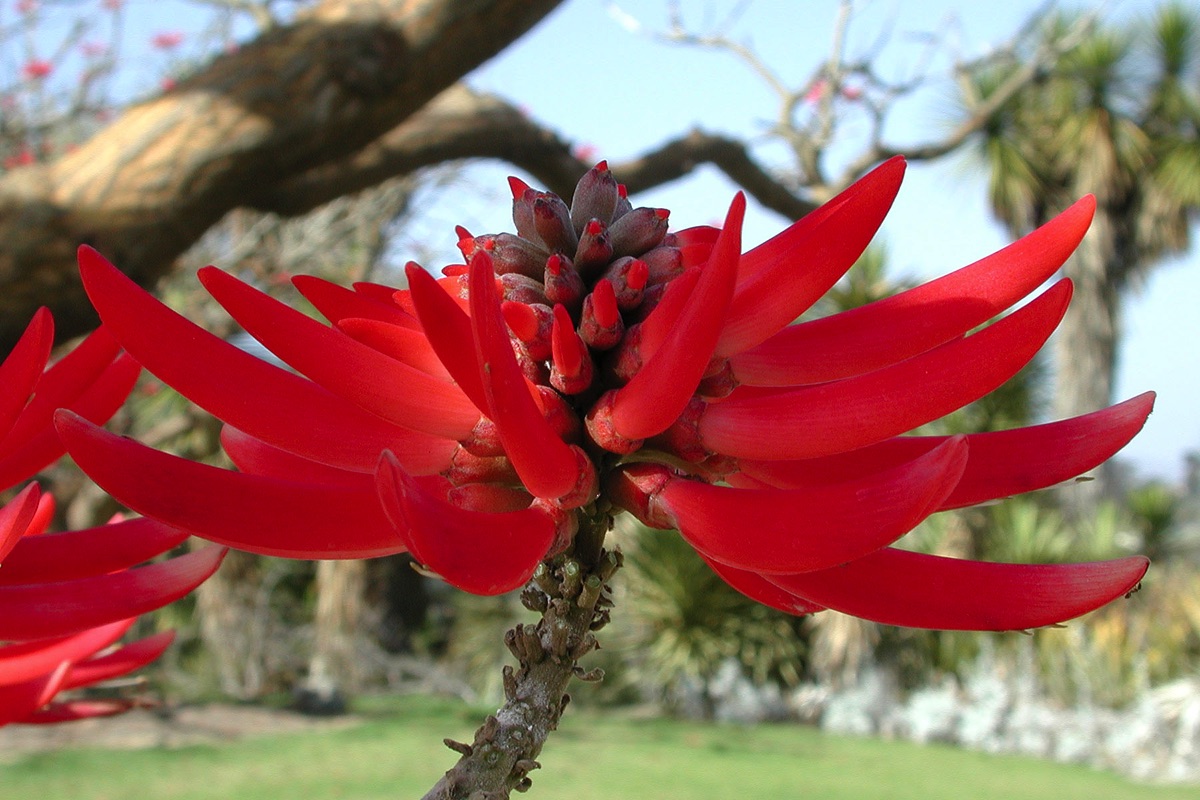
DSCN6265_mod21.jpg
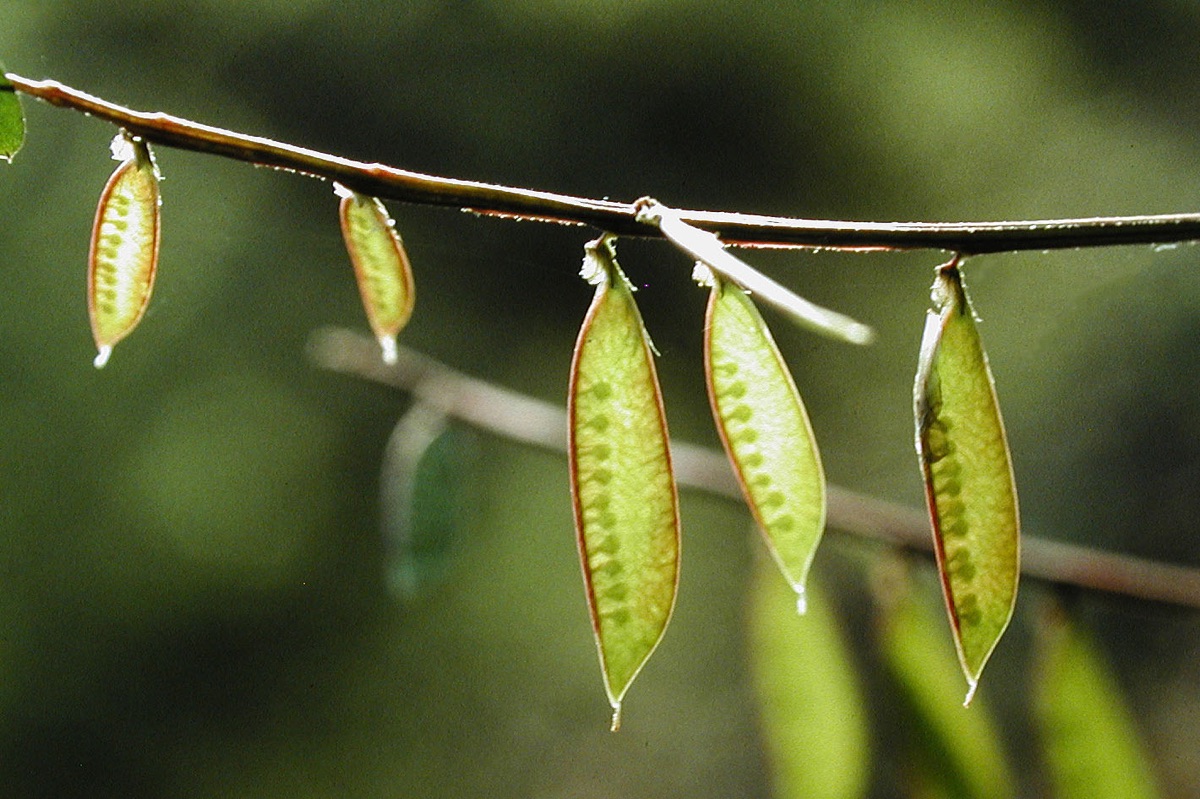
DSCN8627_mod21sm.jpg
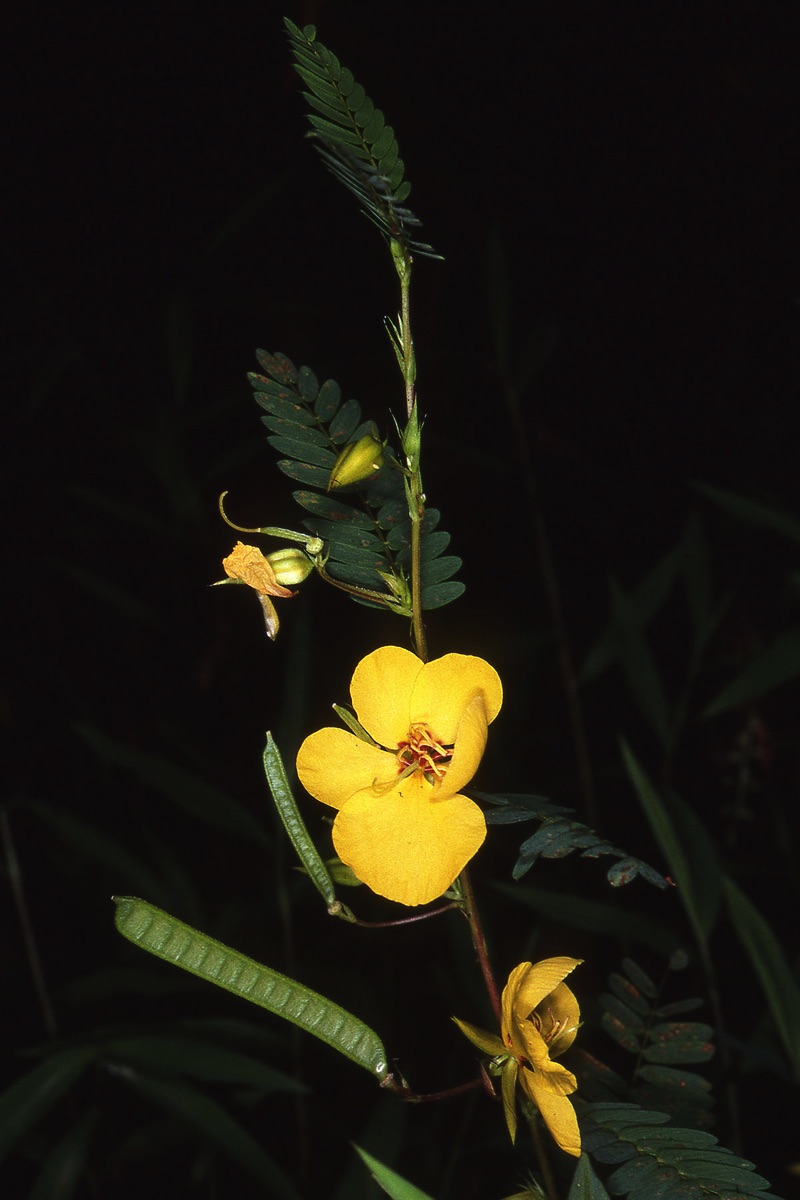
Cassia fasciculata, a species without a plane of symmetry
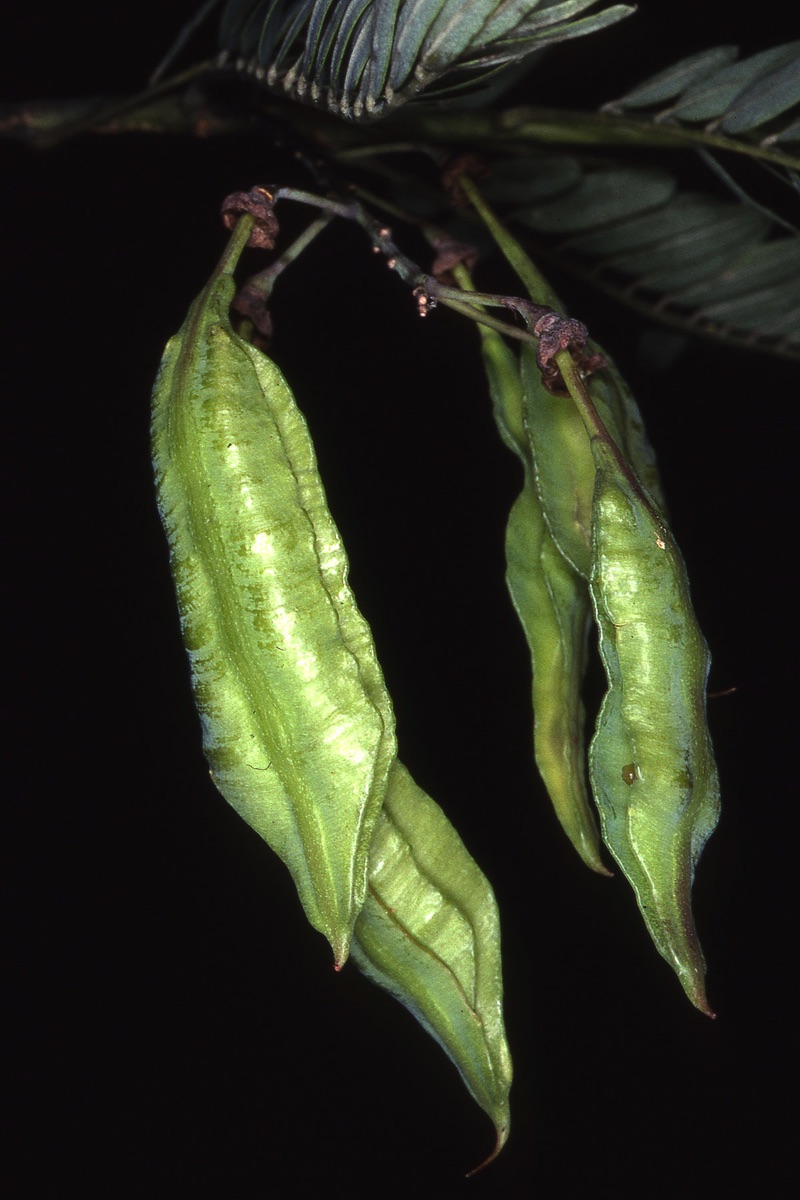
Daubentonia punicea, winged legumes
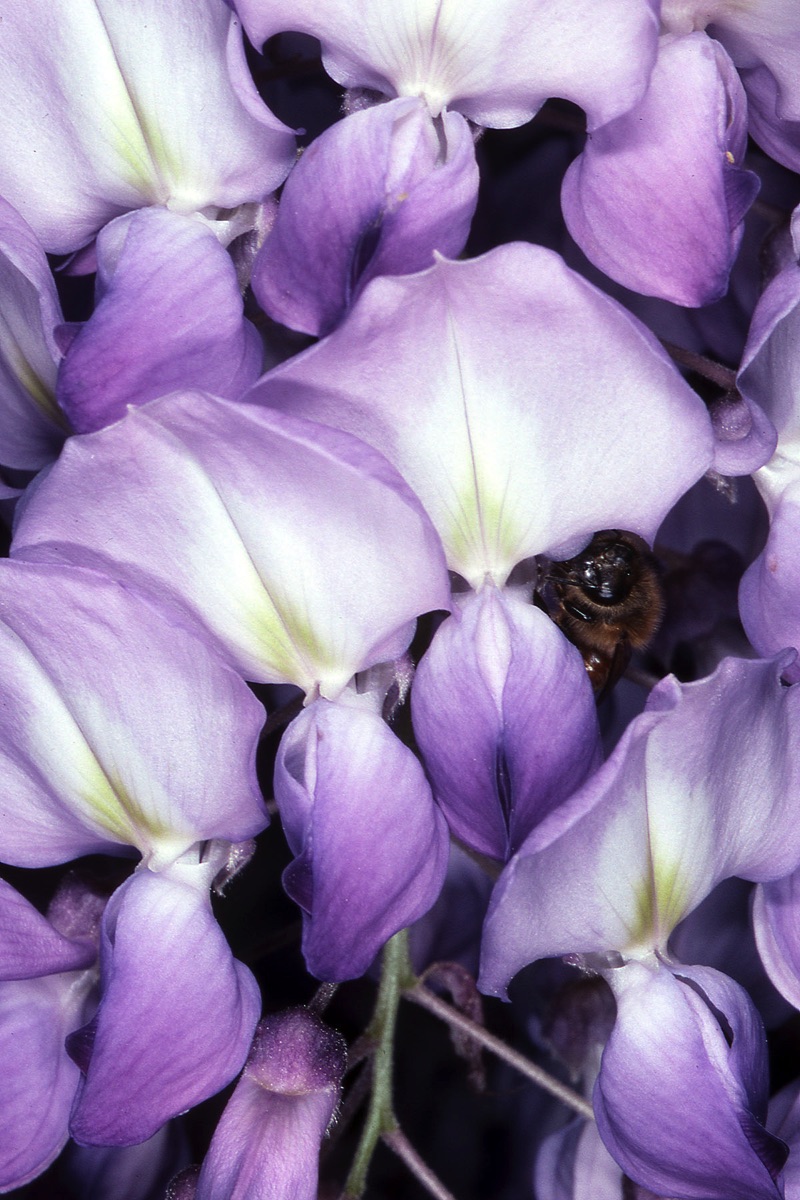
Wisteria flowers; these flowers twist 180 degrees so they are oriented with the banner 'up' (the meristem is hanging down toward the ground)
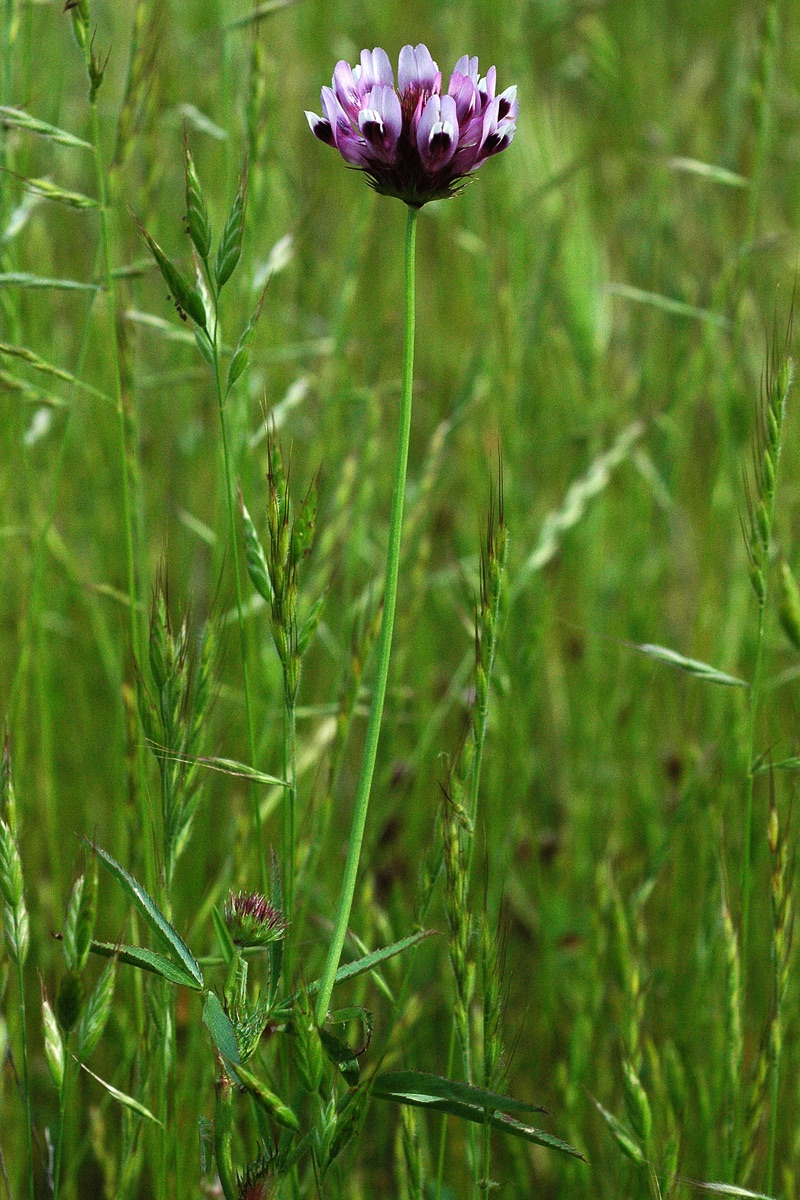
DSC_4157_mod21.jpg
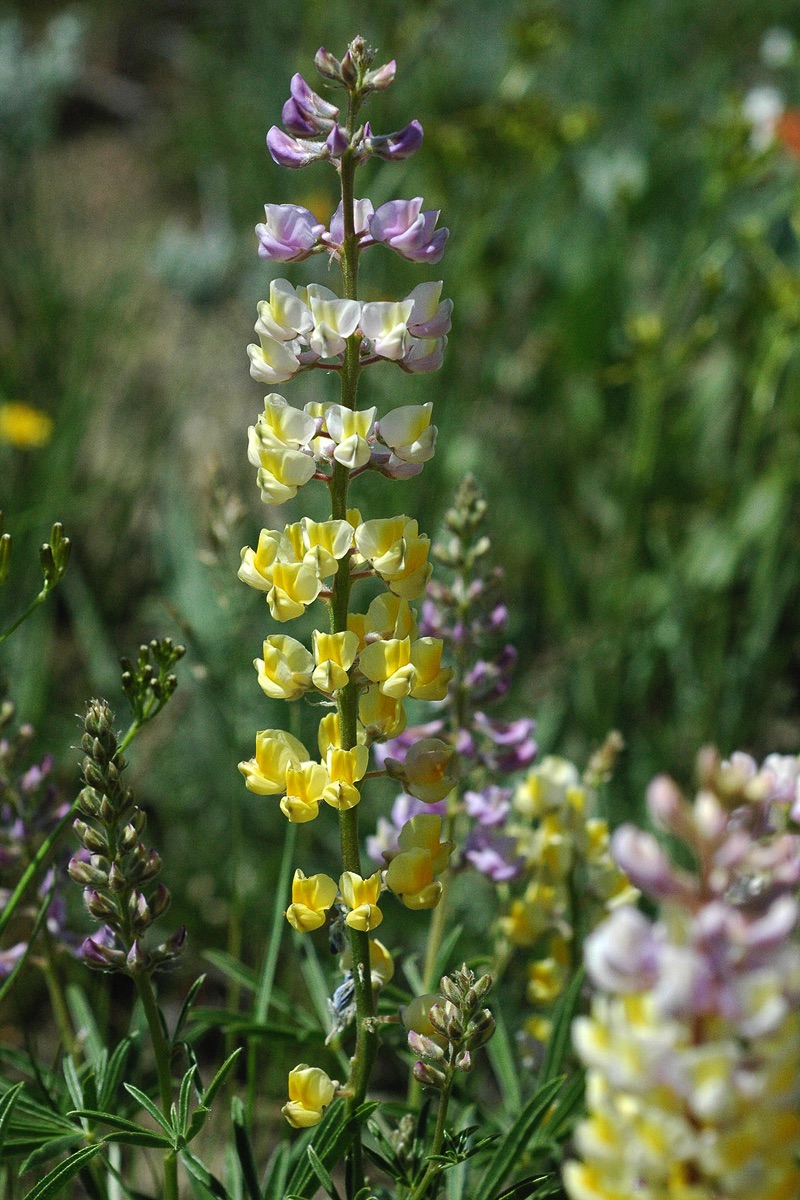
Lupine
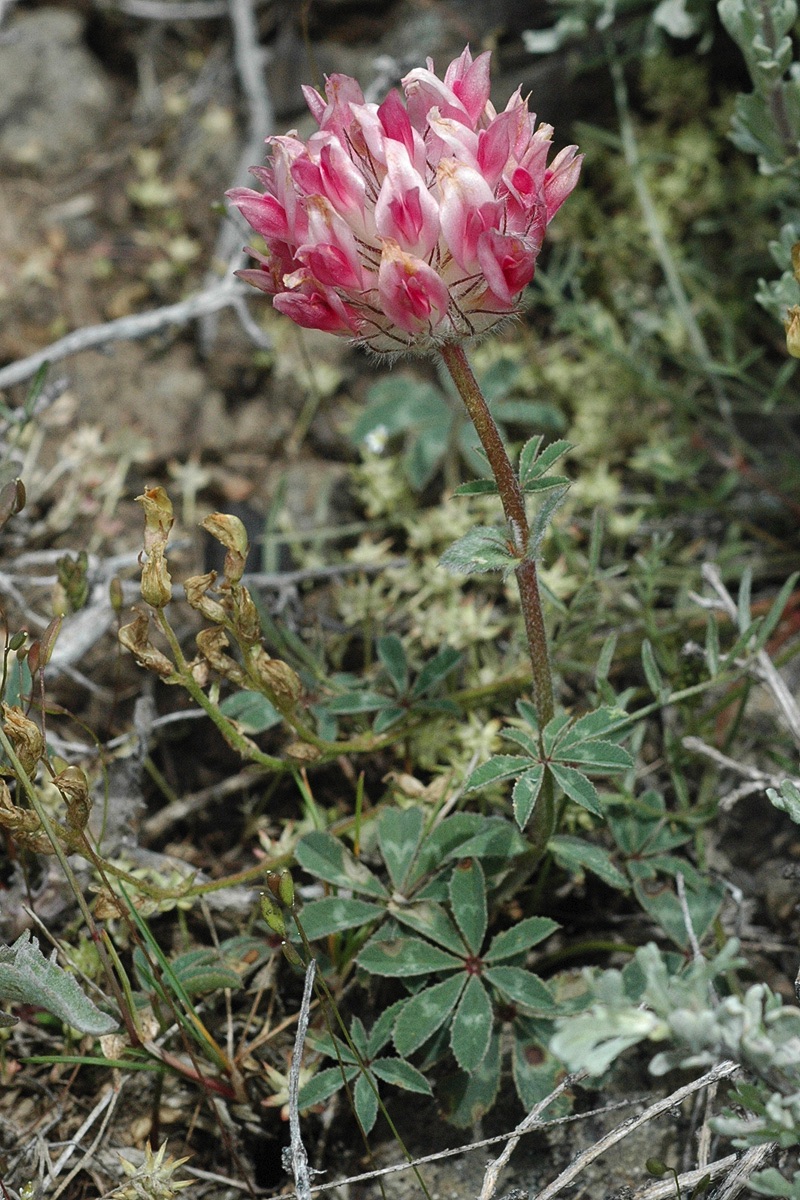
DSC_4355_legume_mod.jpg
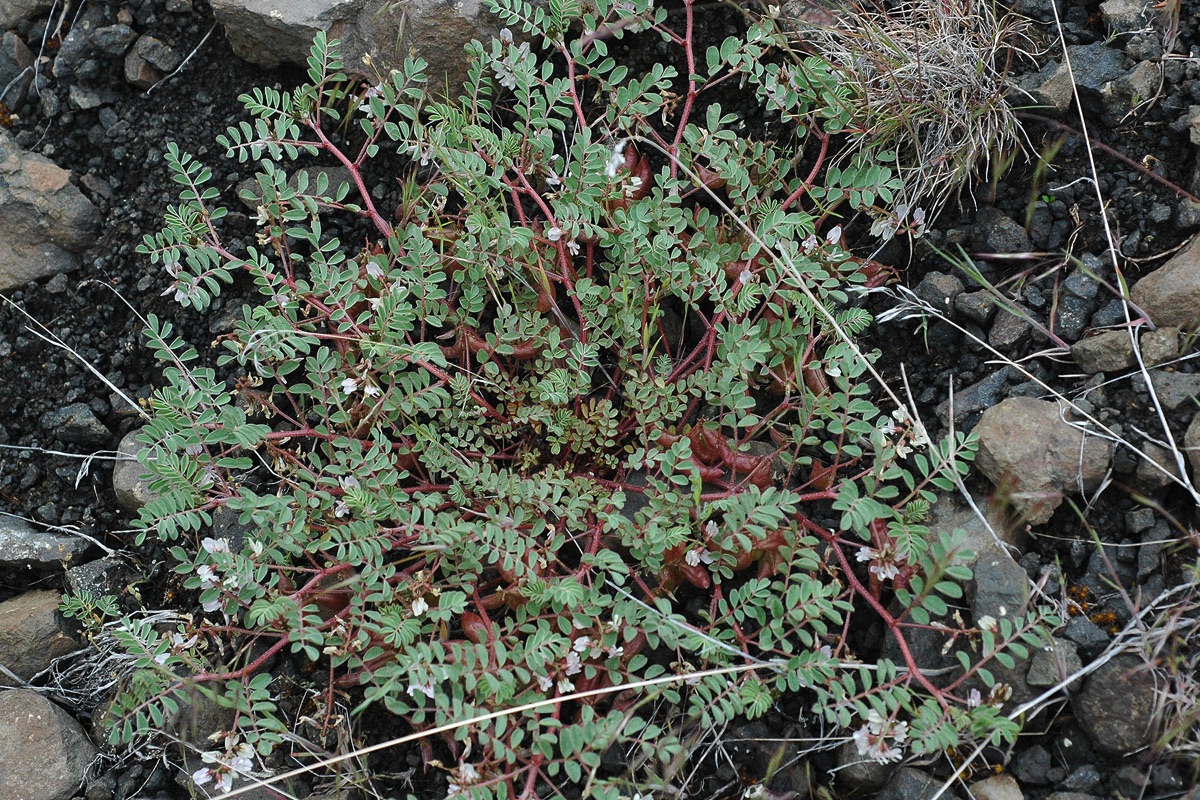
Astragalus
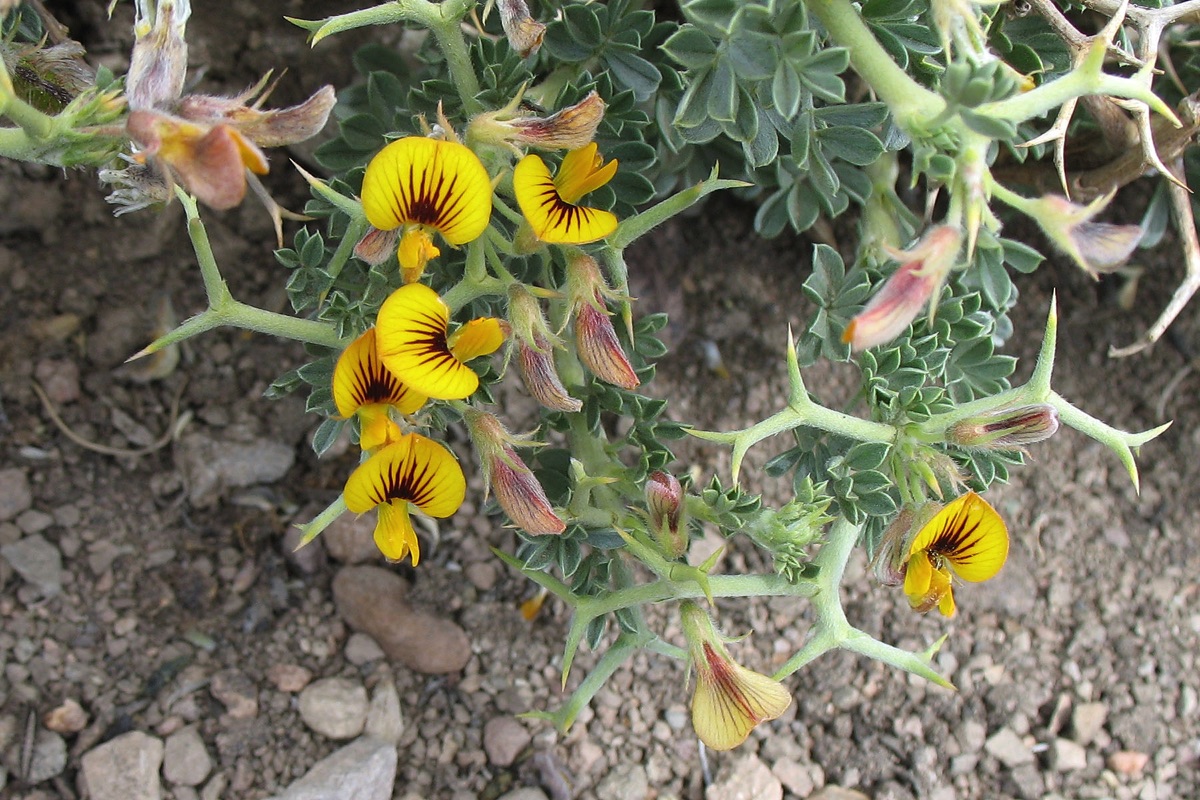
- Argentina
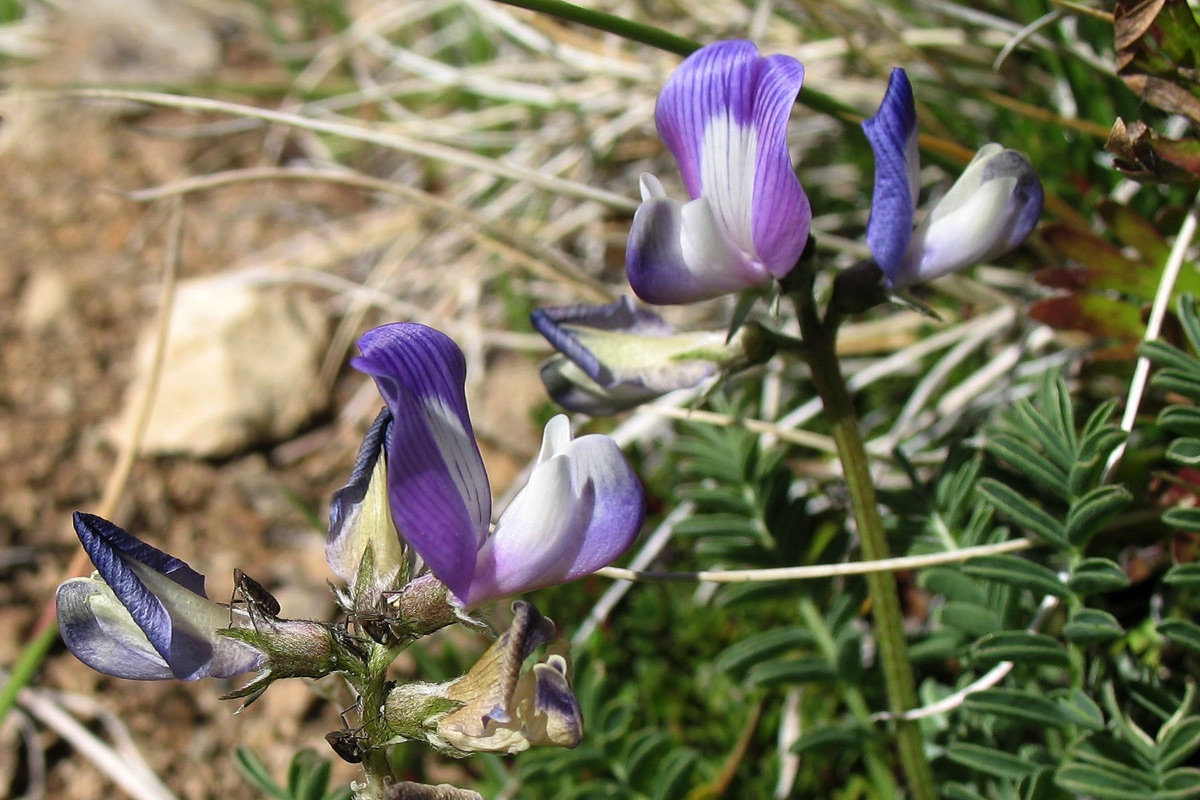
Astragalus - Argentina
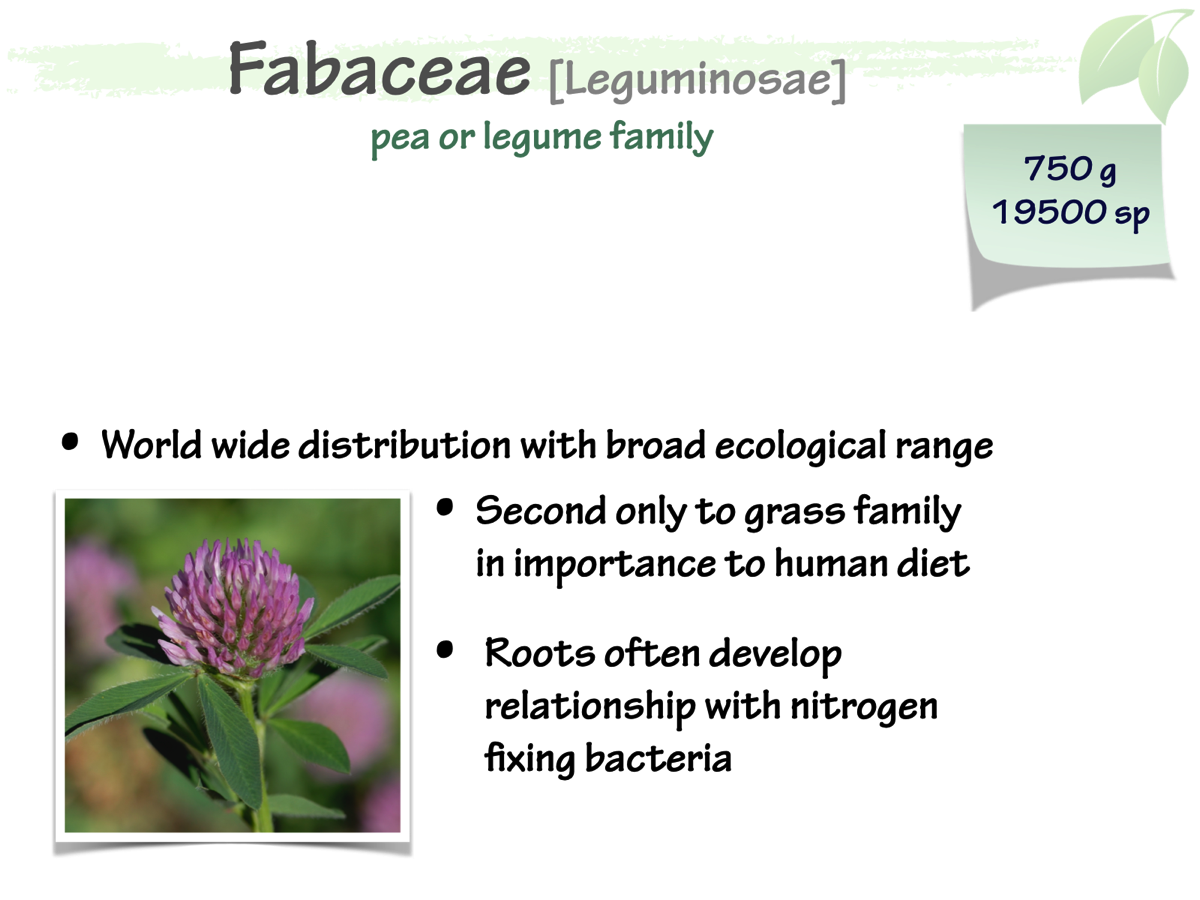
Fab01.png
Fab02.png
Fab03.png
Fab04.png
Fab05.png
Fab06.png
Fab07.png
Fab08.png