Contemporary Circumscription Compared with A Utah Flora 4th ed.
Bio430
Convolvulaceae
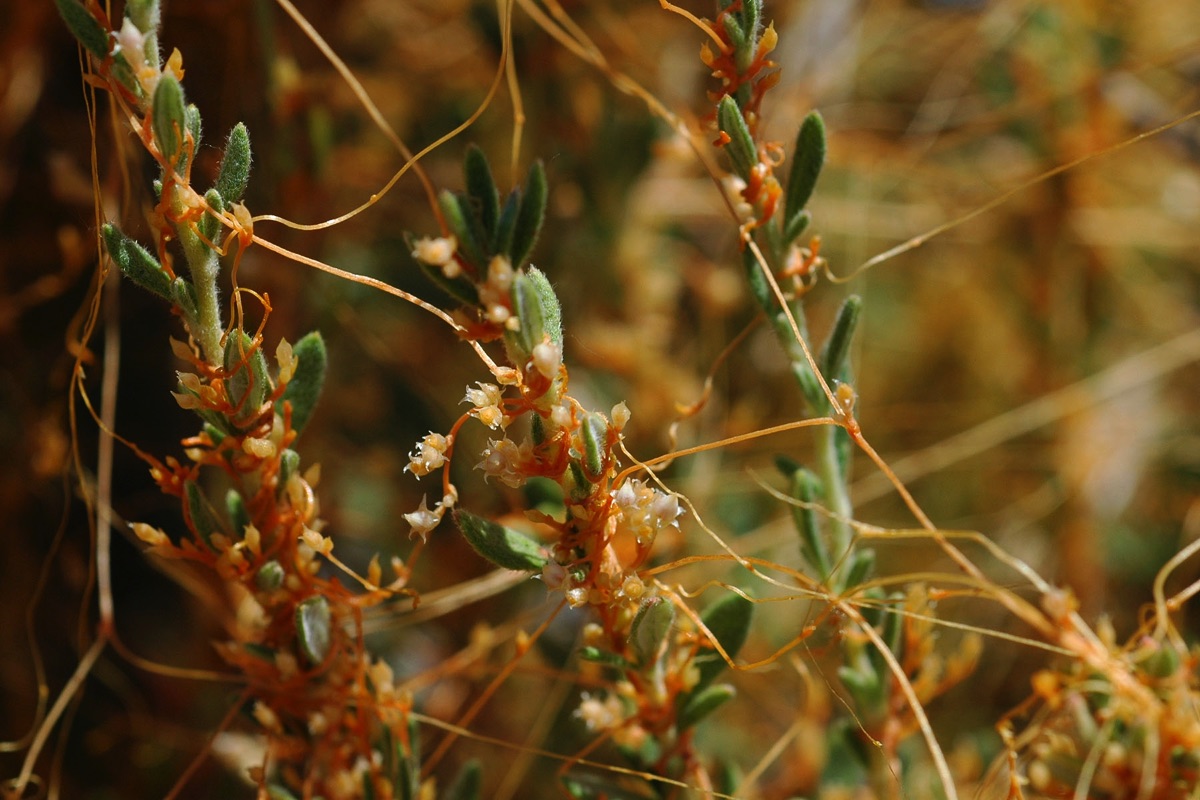
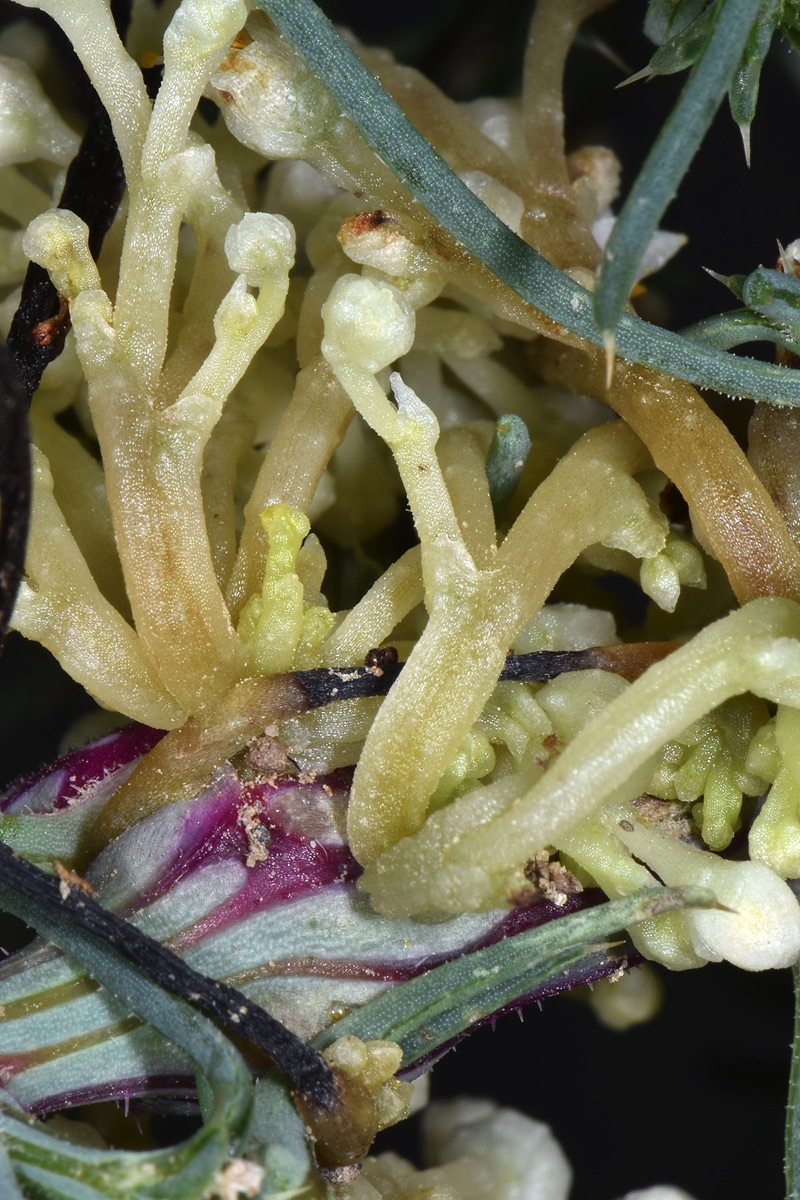
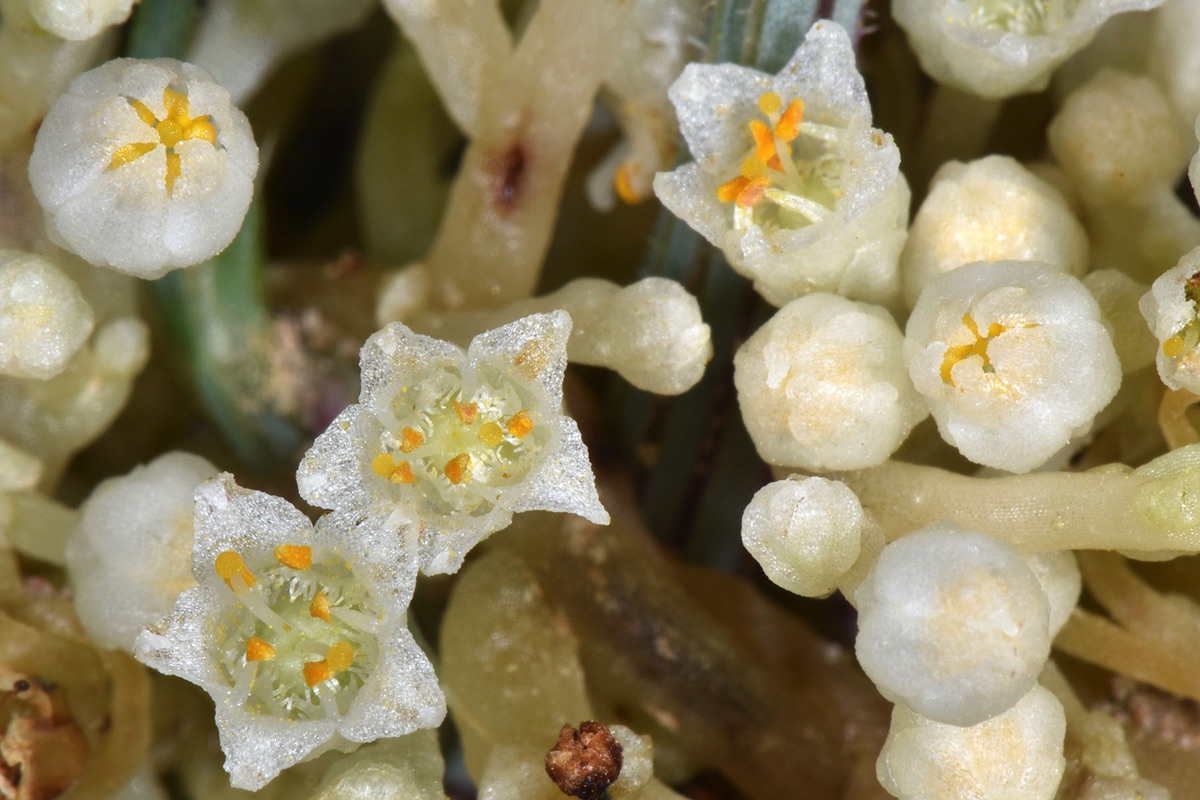
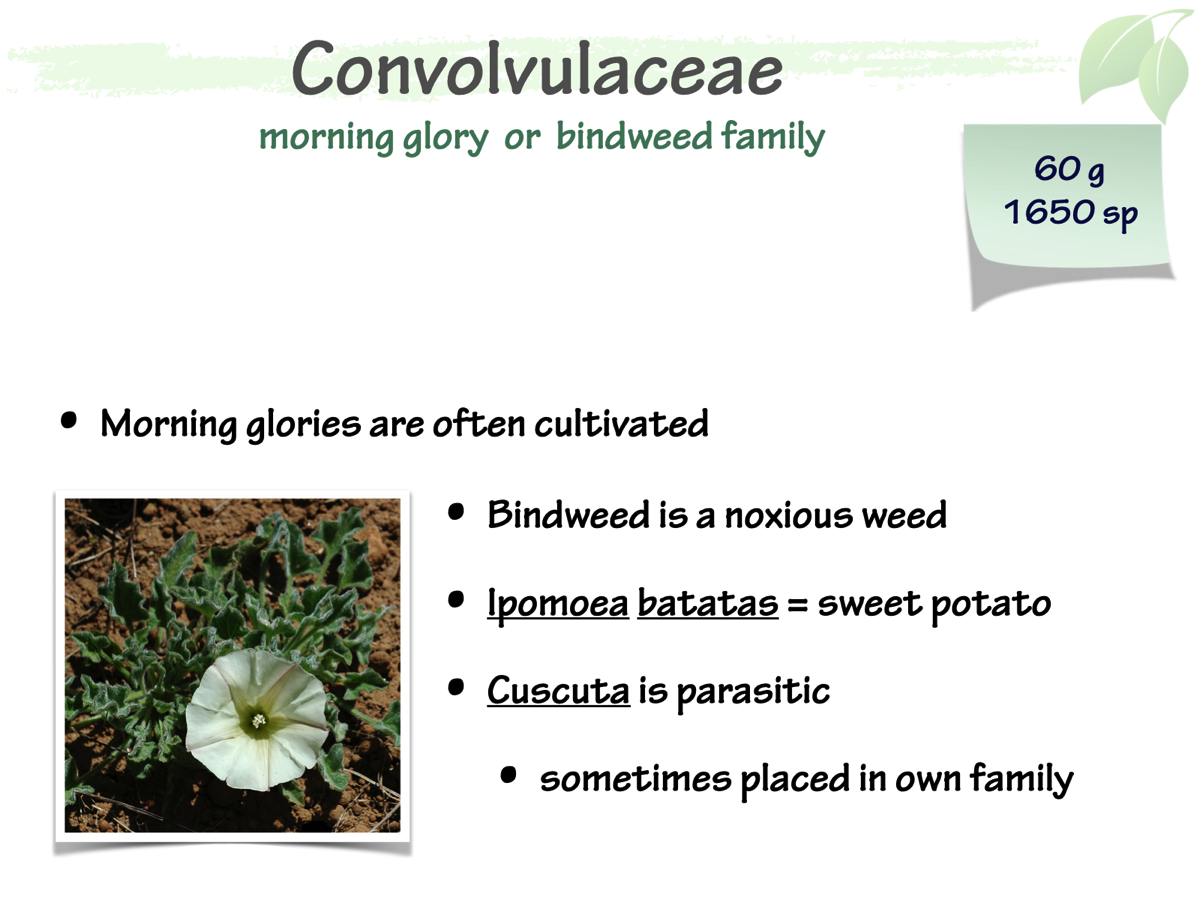
The parasitic genus Cuscuta is recognized in its own family, Cuscutaceae, in A Utah Flora, yet phylogenetically belongs within Convolvulaceae.
Key Features
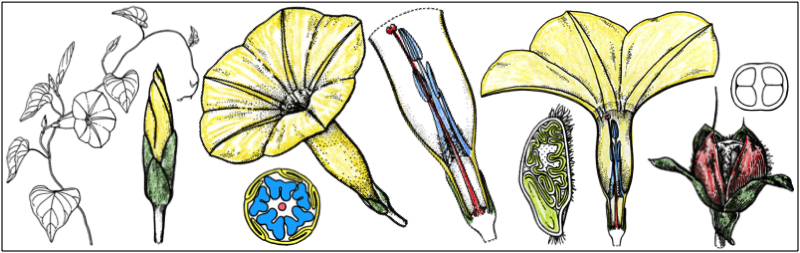
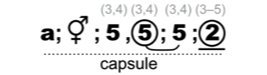
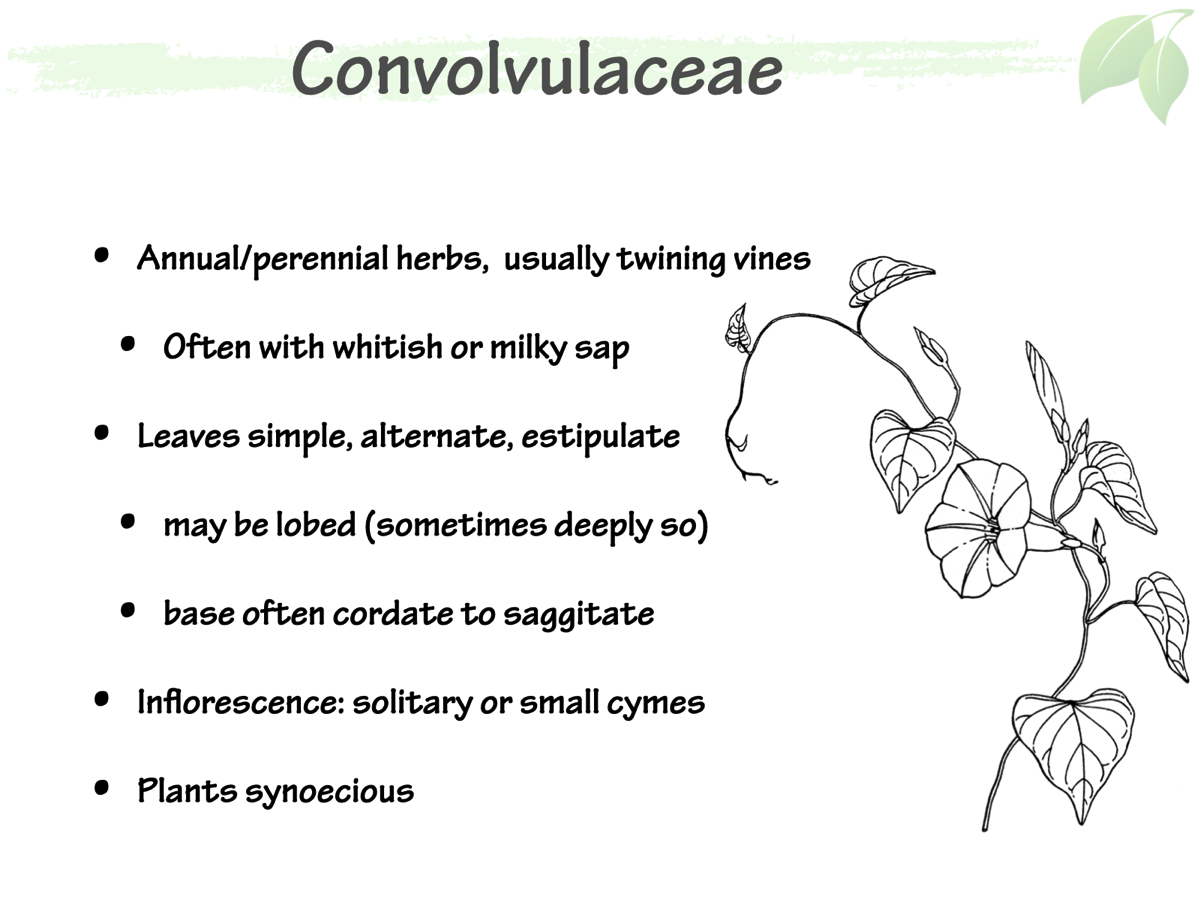
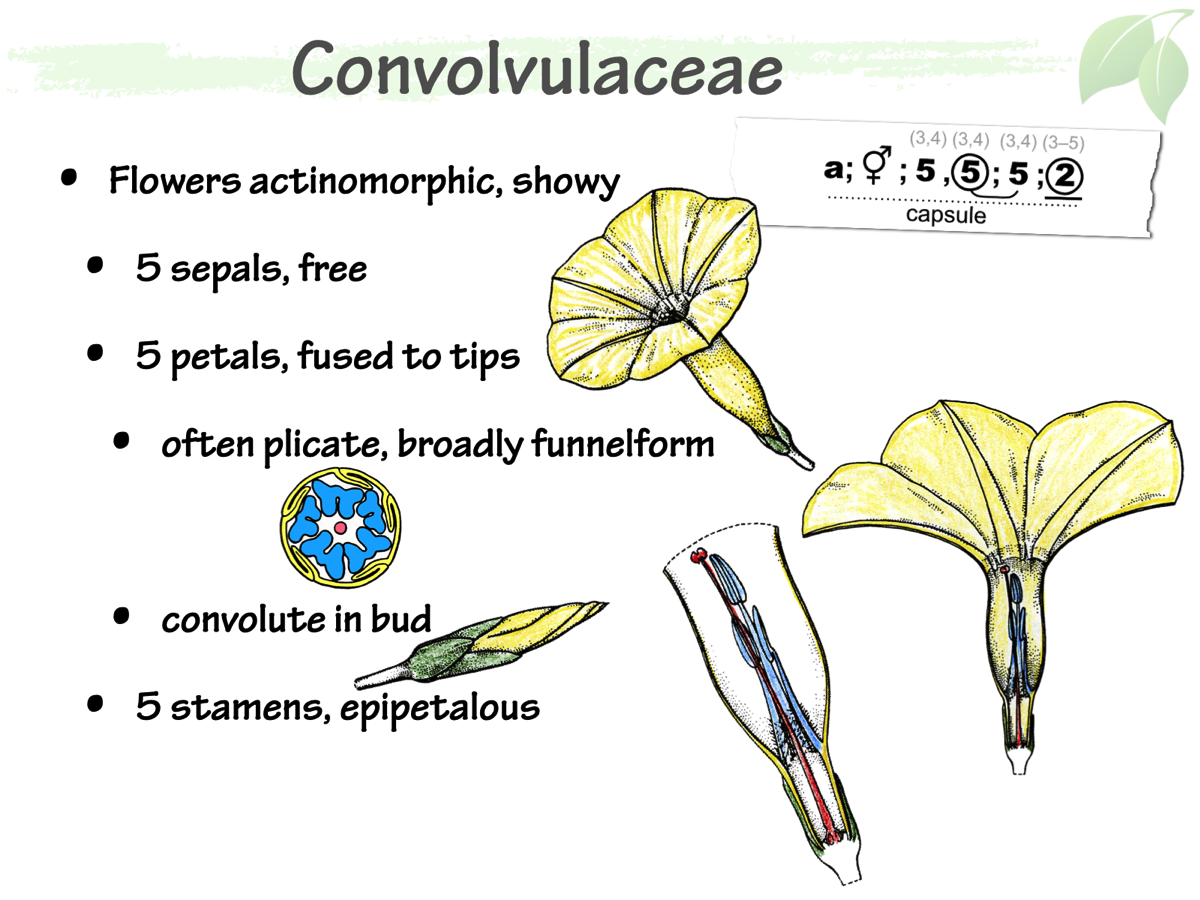
Usually twining vines with somewhat milky sap; flowers funnelform, convolute in bud, with petals fused all the way to the tips (unlobed). Cotyledons corrugated (folded) in bud.
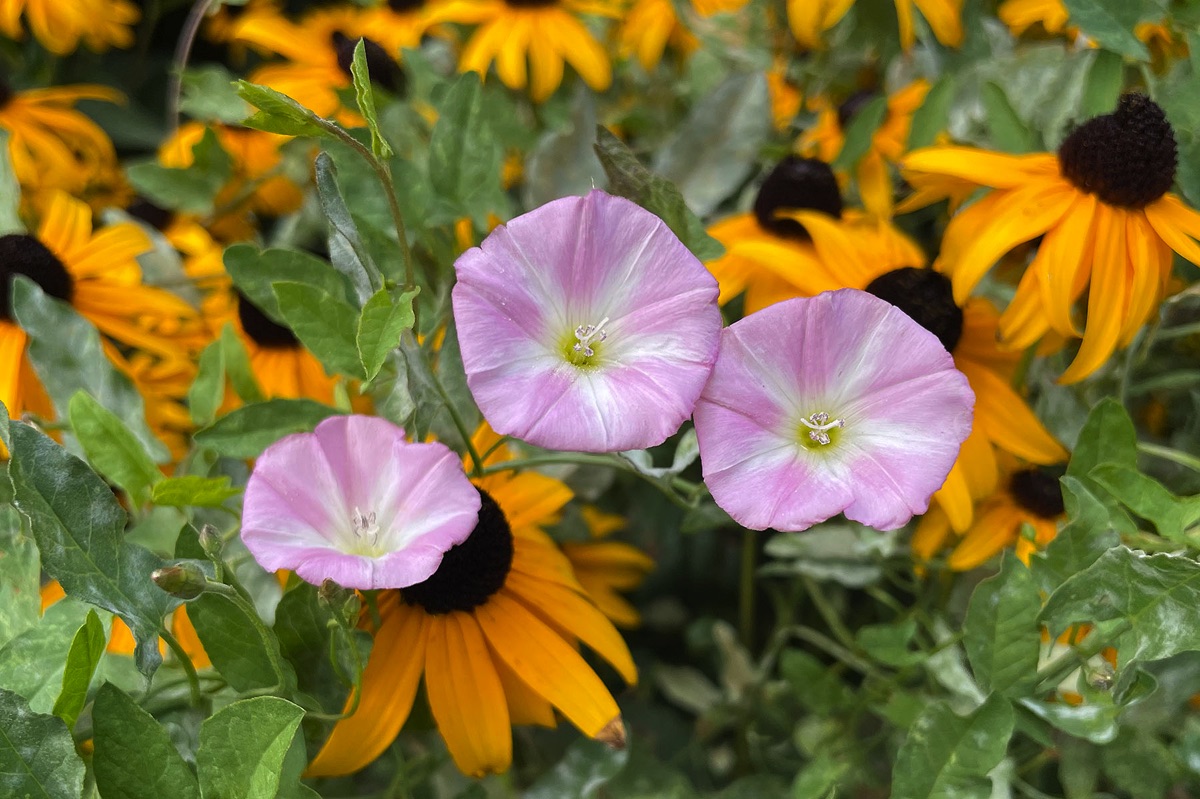
IMG_6619_mod21.jpg
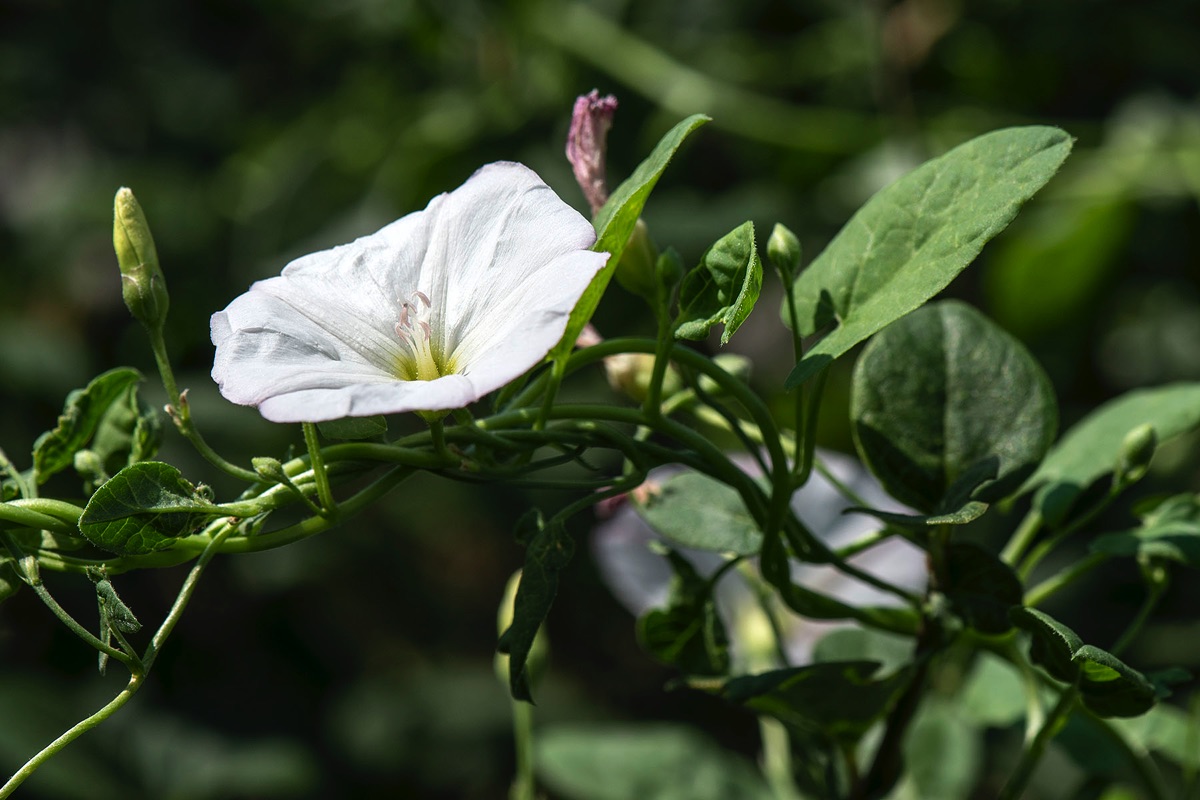
N17_6345_mod21.jpg
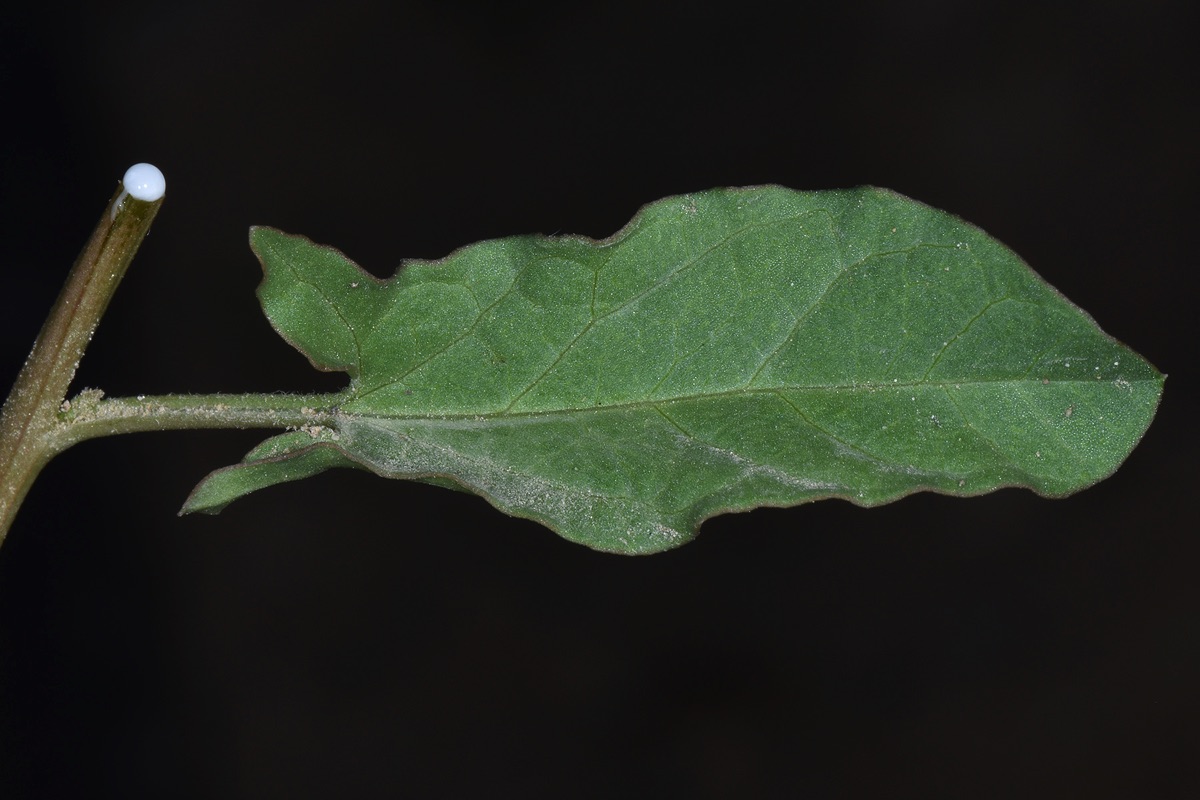
Convolvulus leaf with latex at cut stem apex
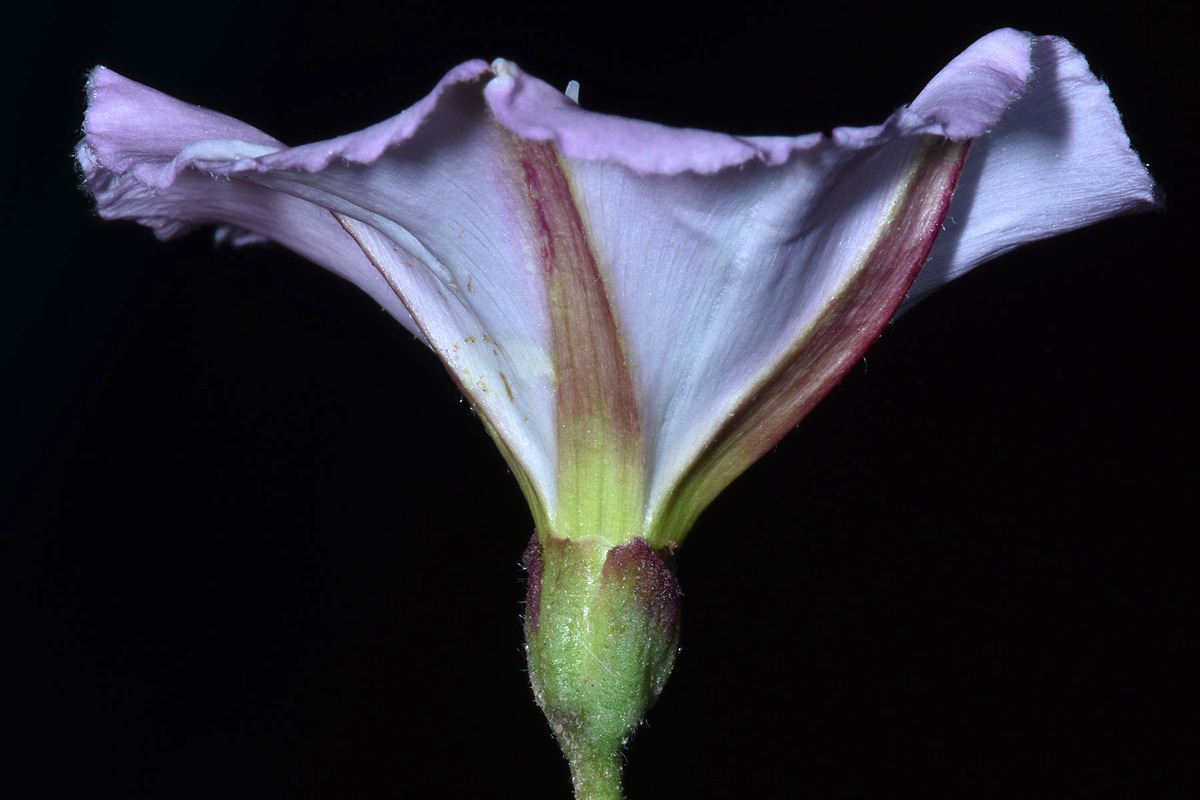
N17_5464_flwrSide_mod21.jpg
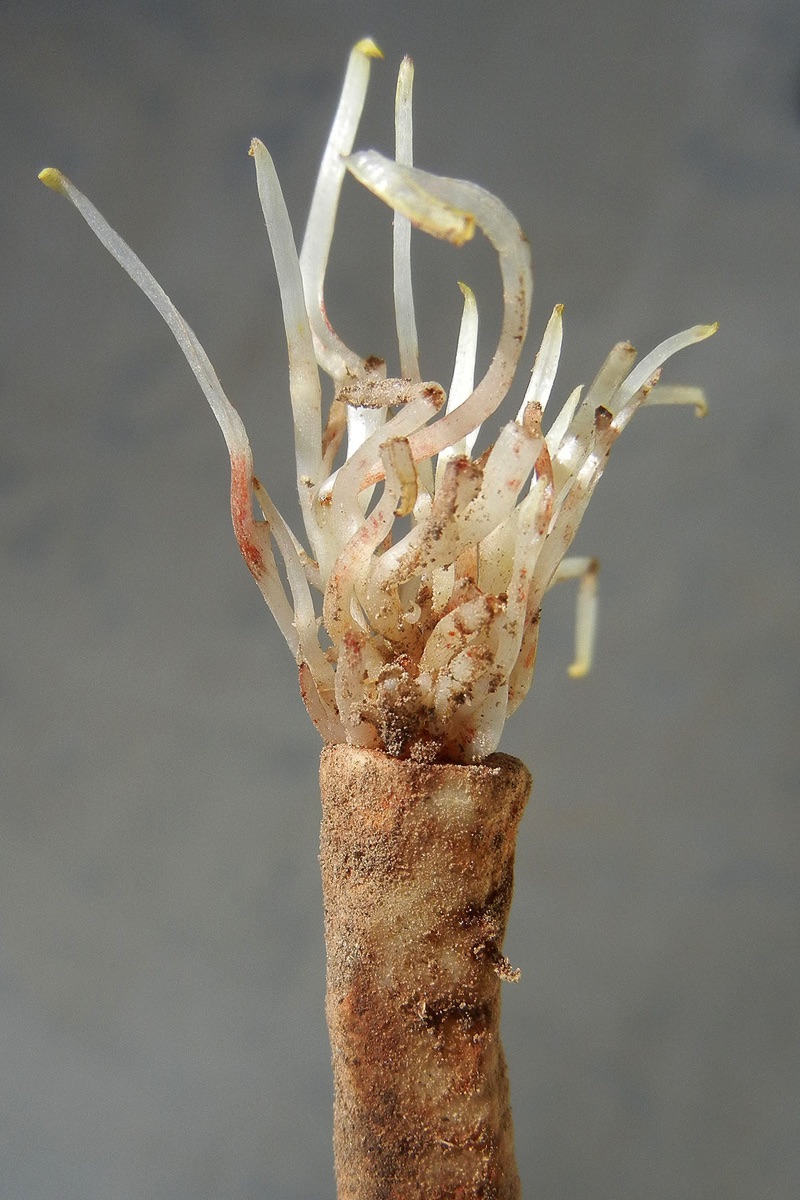
The root portion shown here, with new shoots growing from top, was taken about 10 inches deep in the soil.
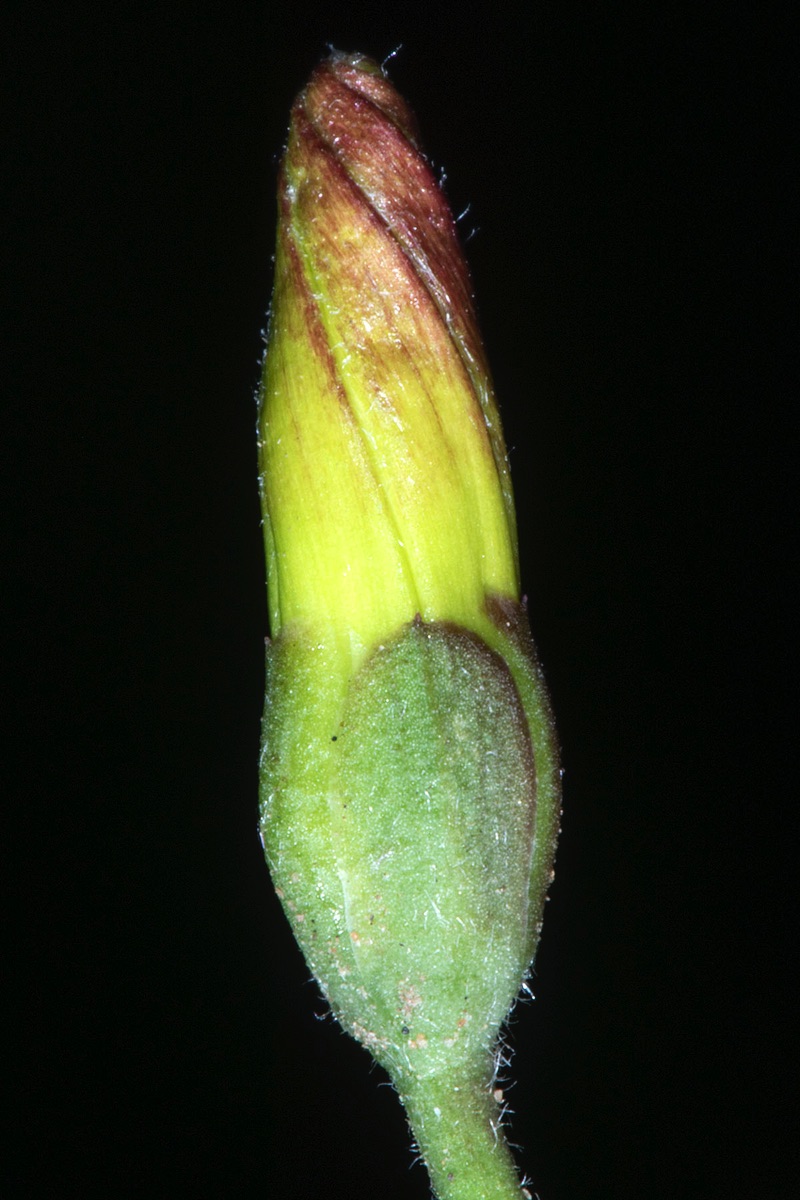
Convolulus arvensis - sepals free to base
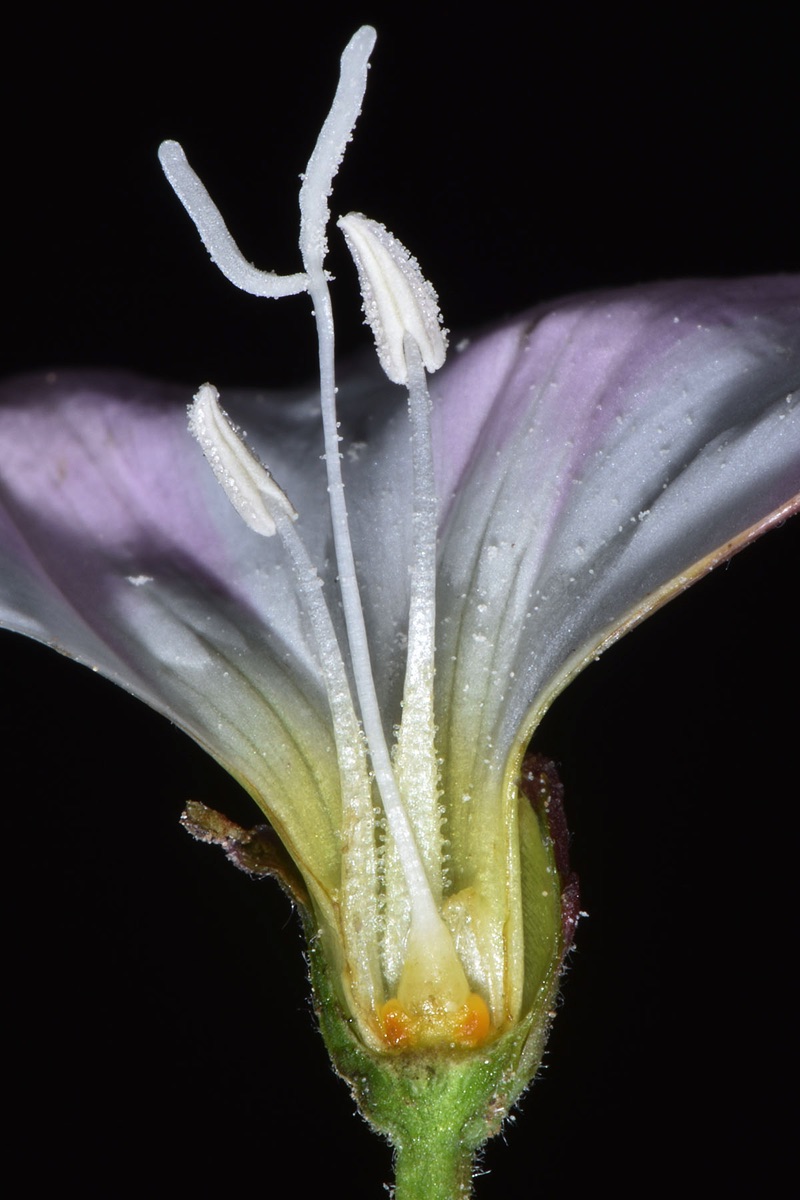
Covolvulus arvensis showing superior ovary with orange nectary and two lobed stigma
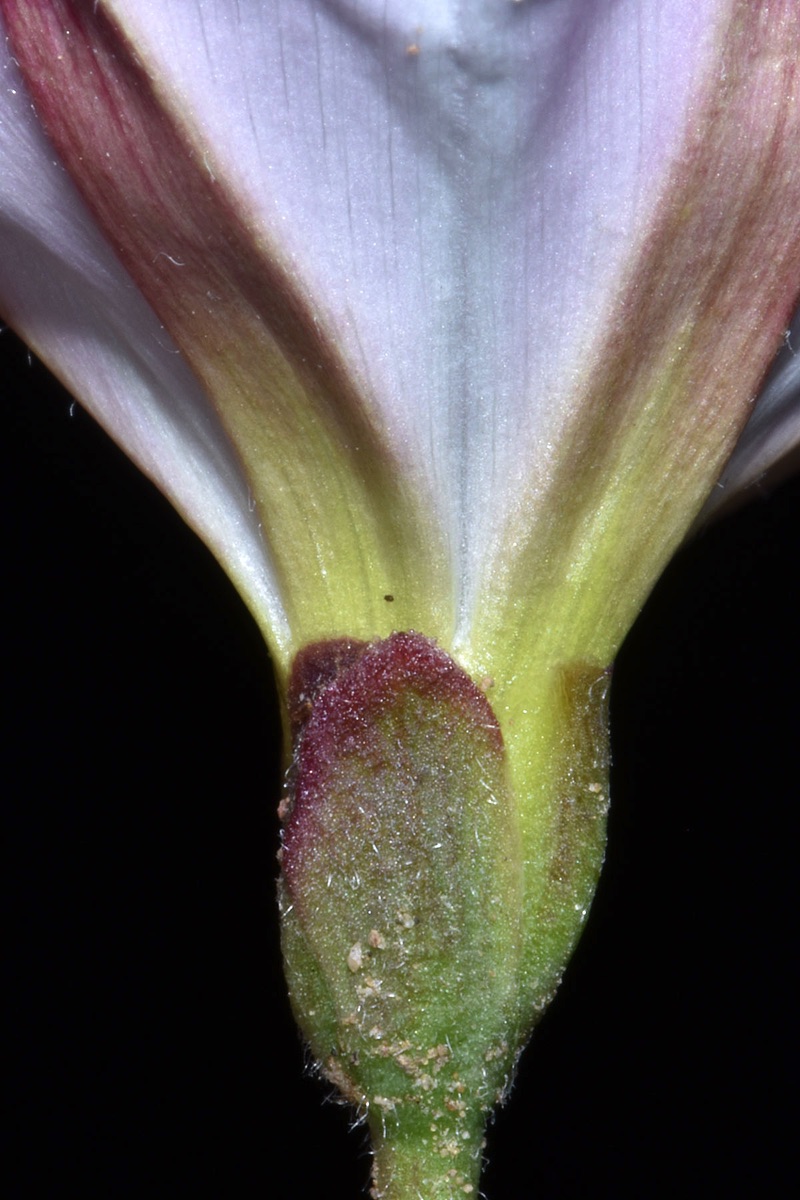
N17_5462_closeupside_mod21.jpg
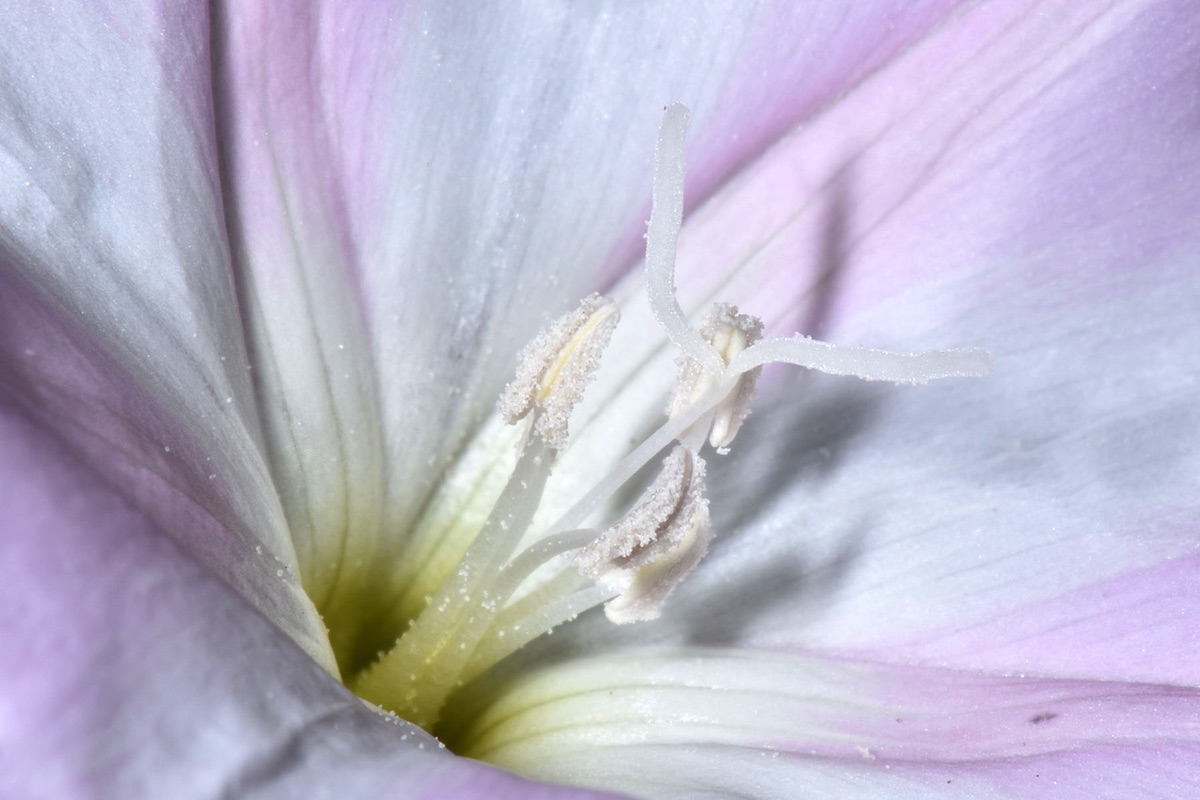
N17_5460_mod21.jpg
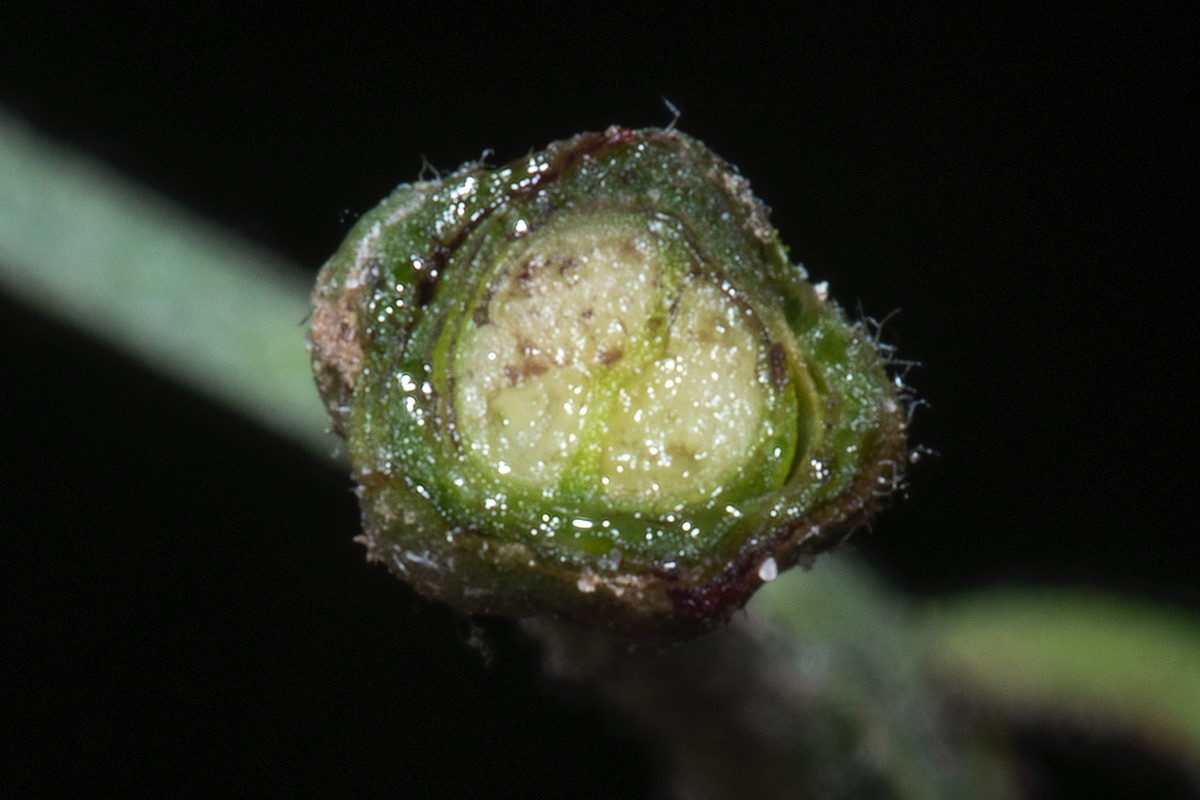
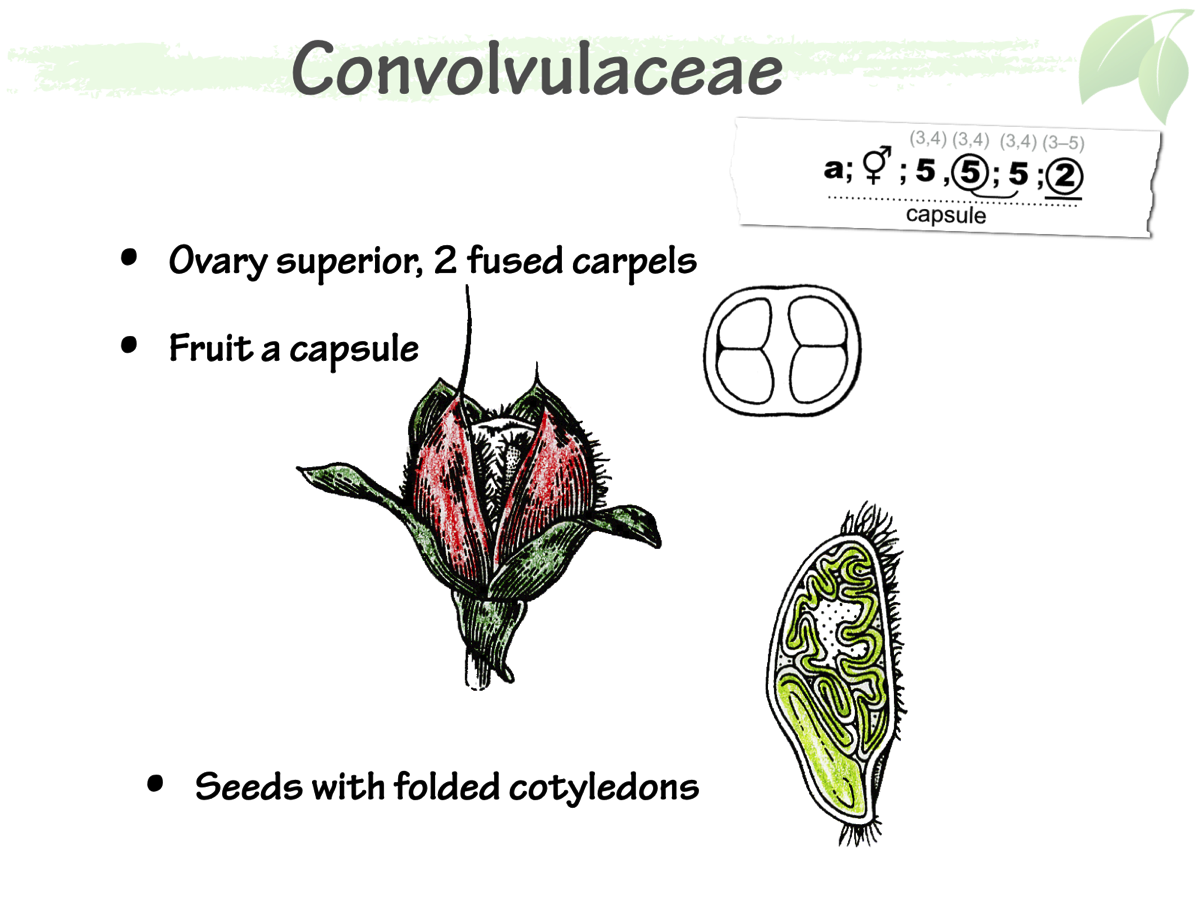
Convolvulus arvensis showning fused ovary of 2 carpels
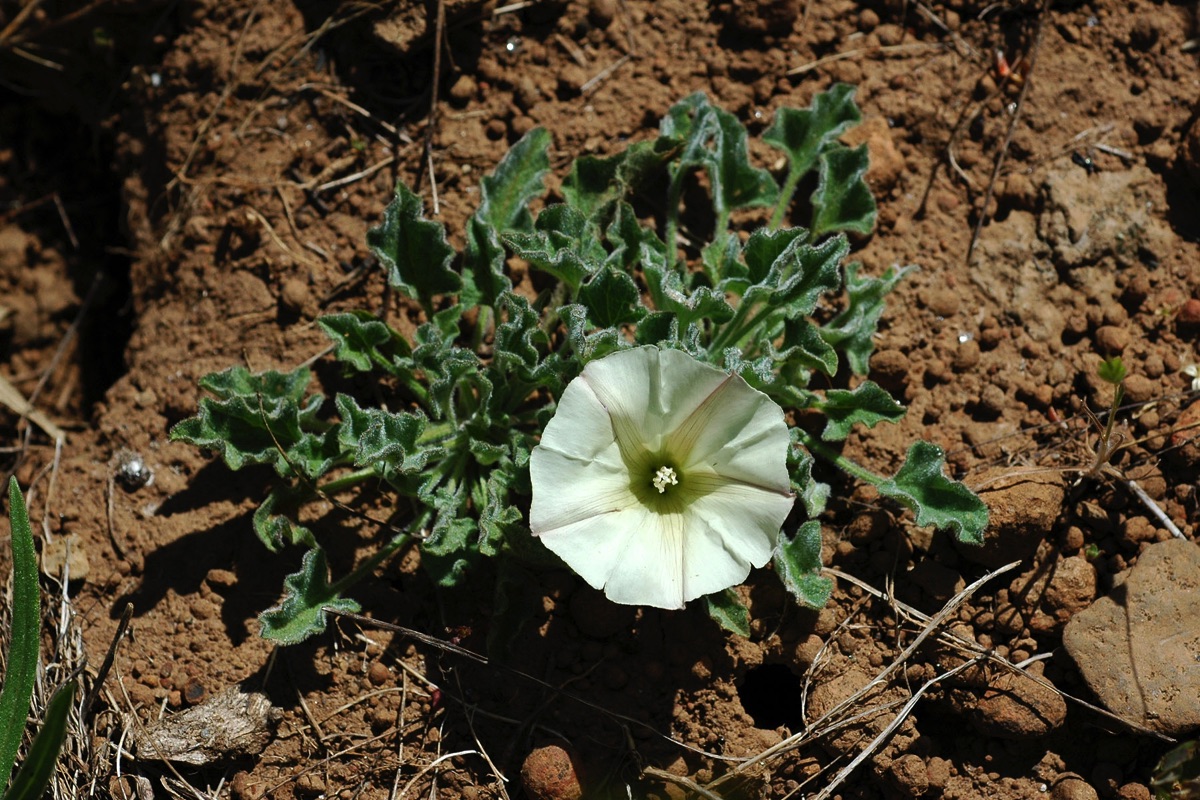
DSC_0209_mod21.jpg
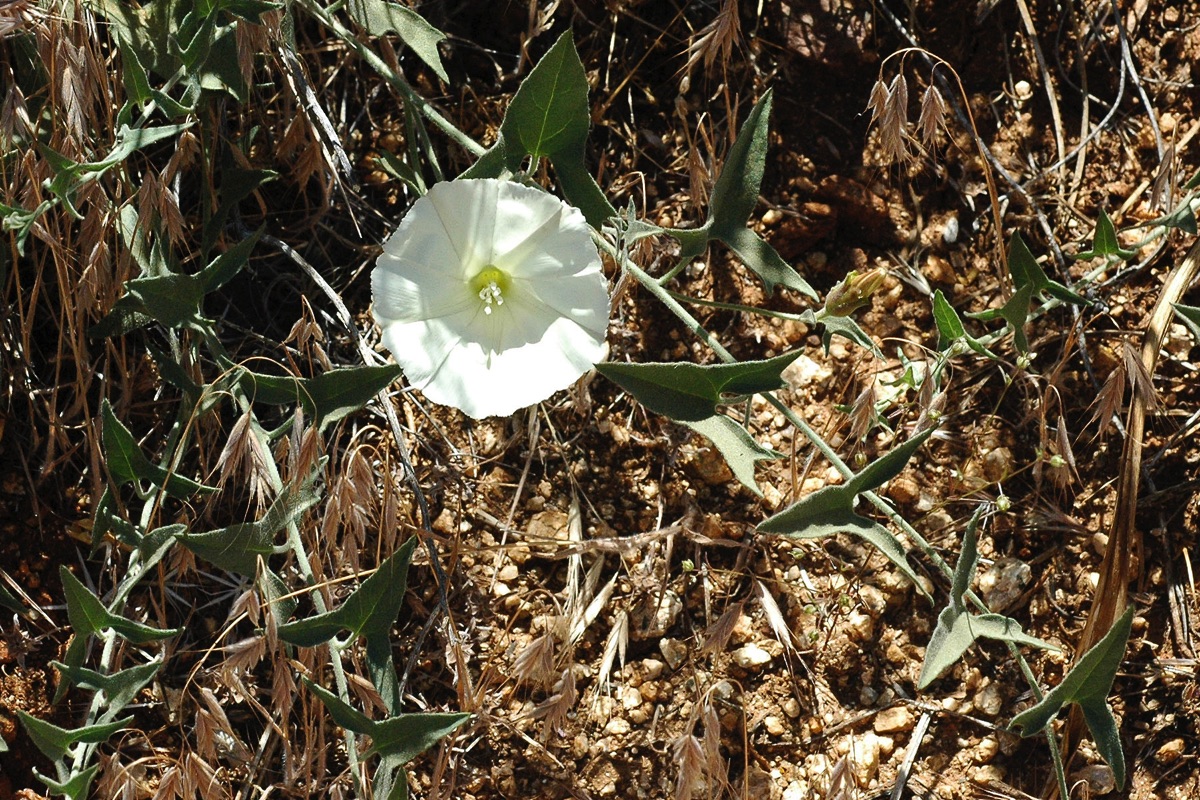
DSC_5742_mod21.jpg
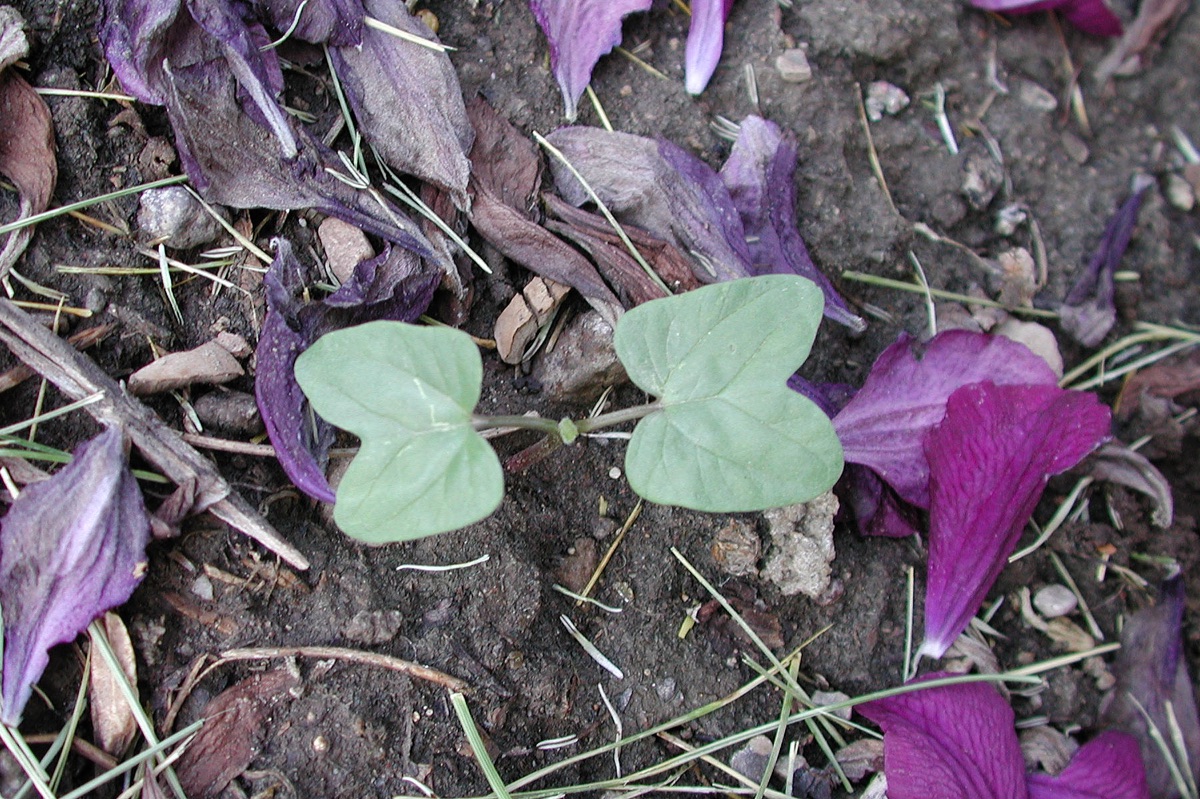
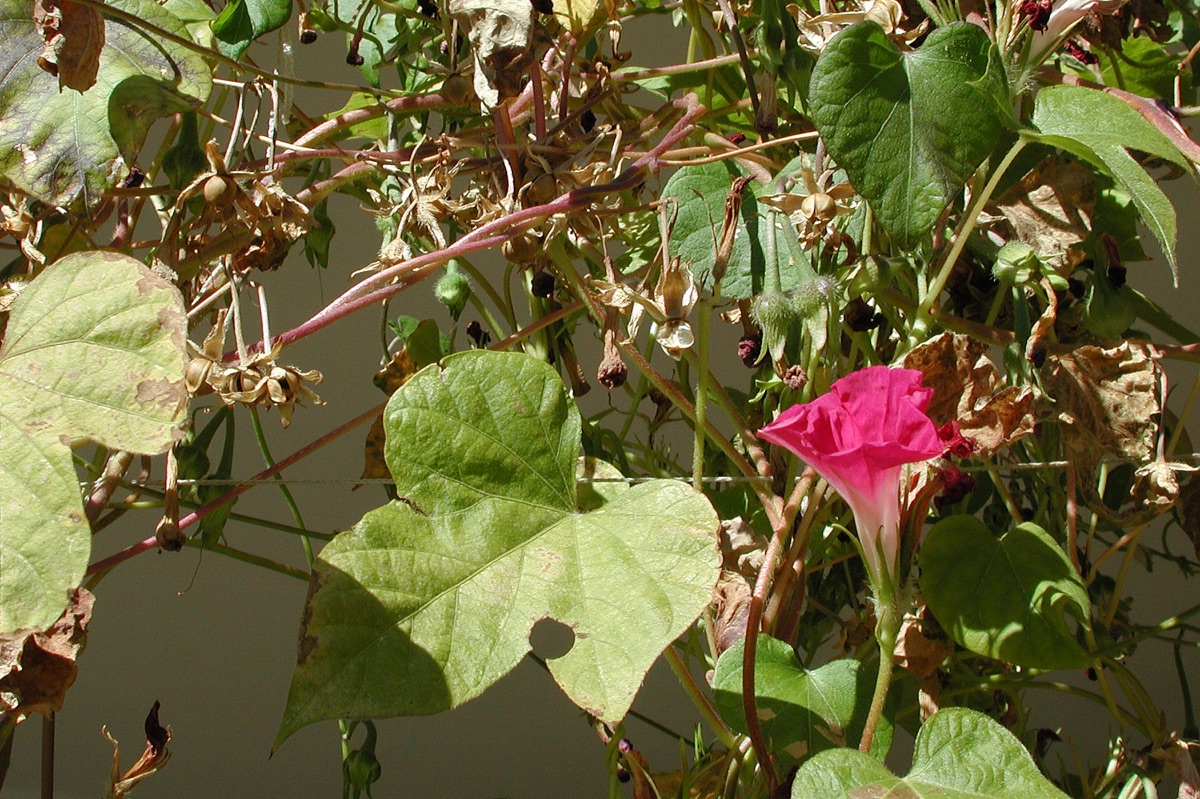
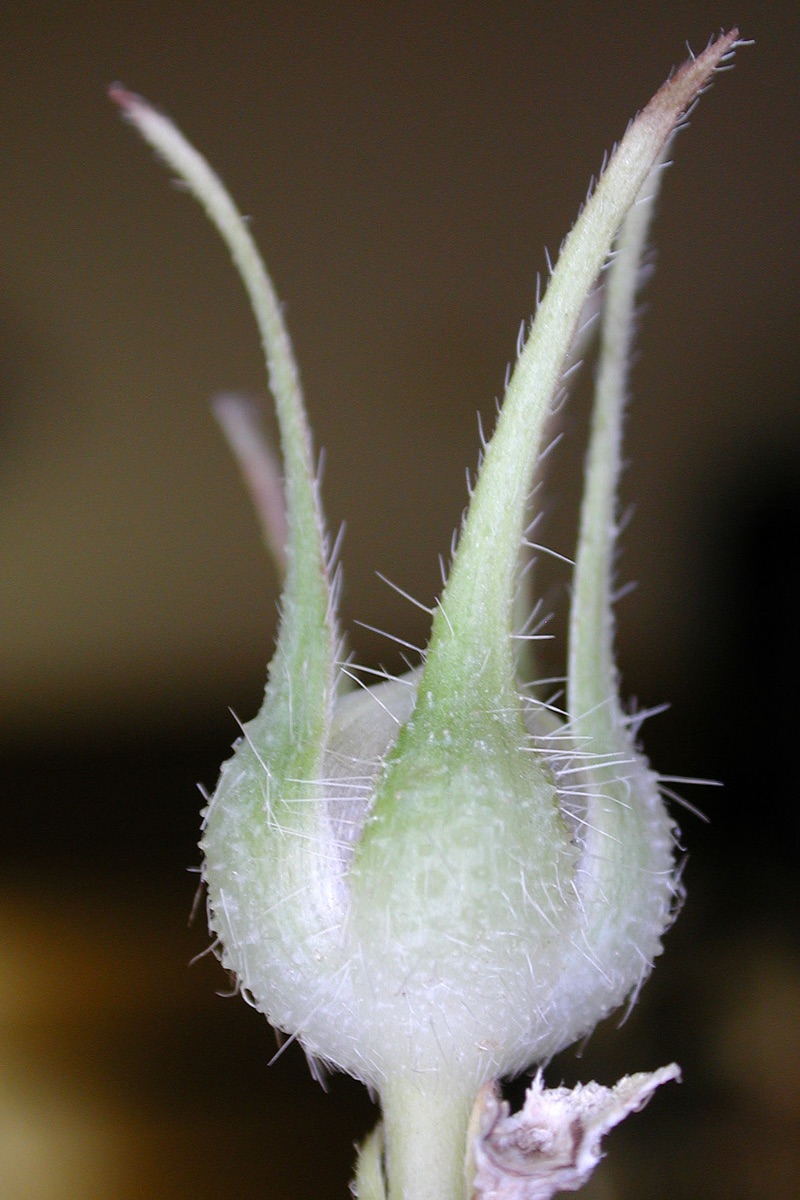
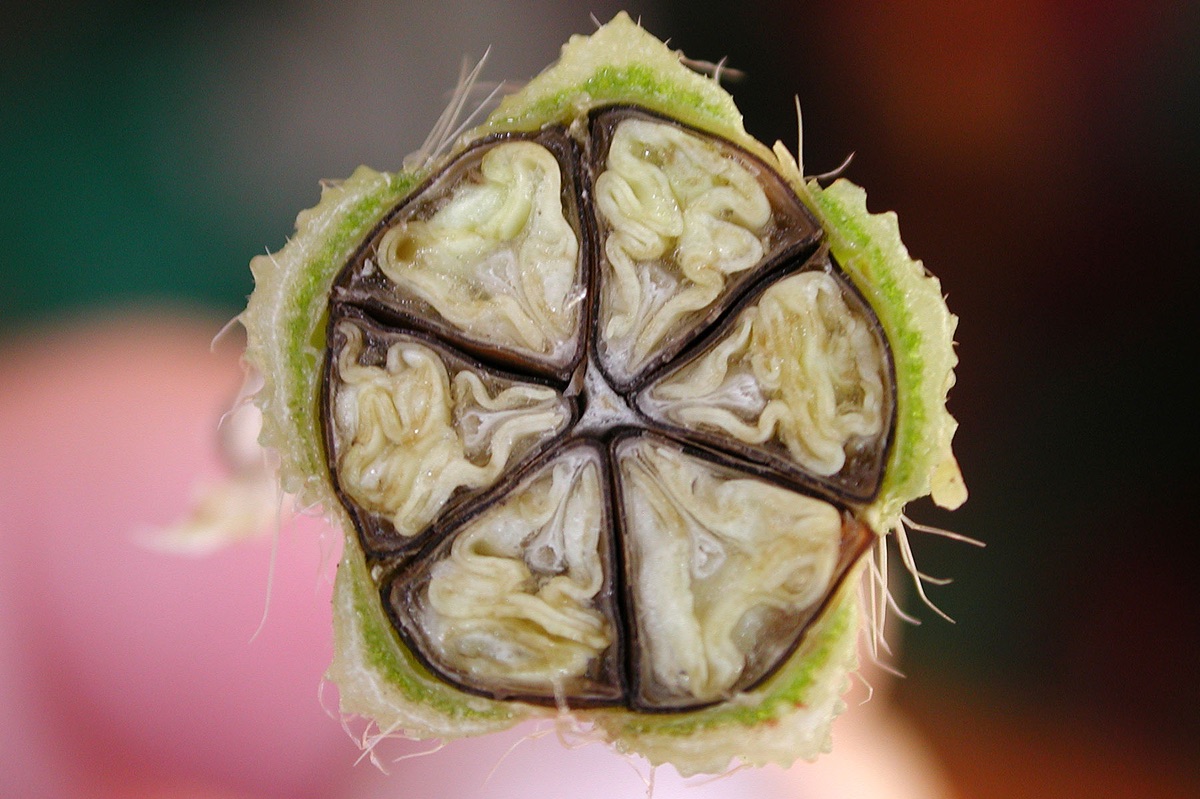
A few Convolvulaceae have 3 carpels (here showing 2 seeds per carpel). The corrugated cotyledons are clearly visible.
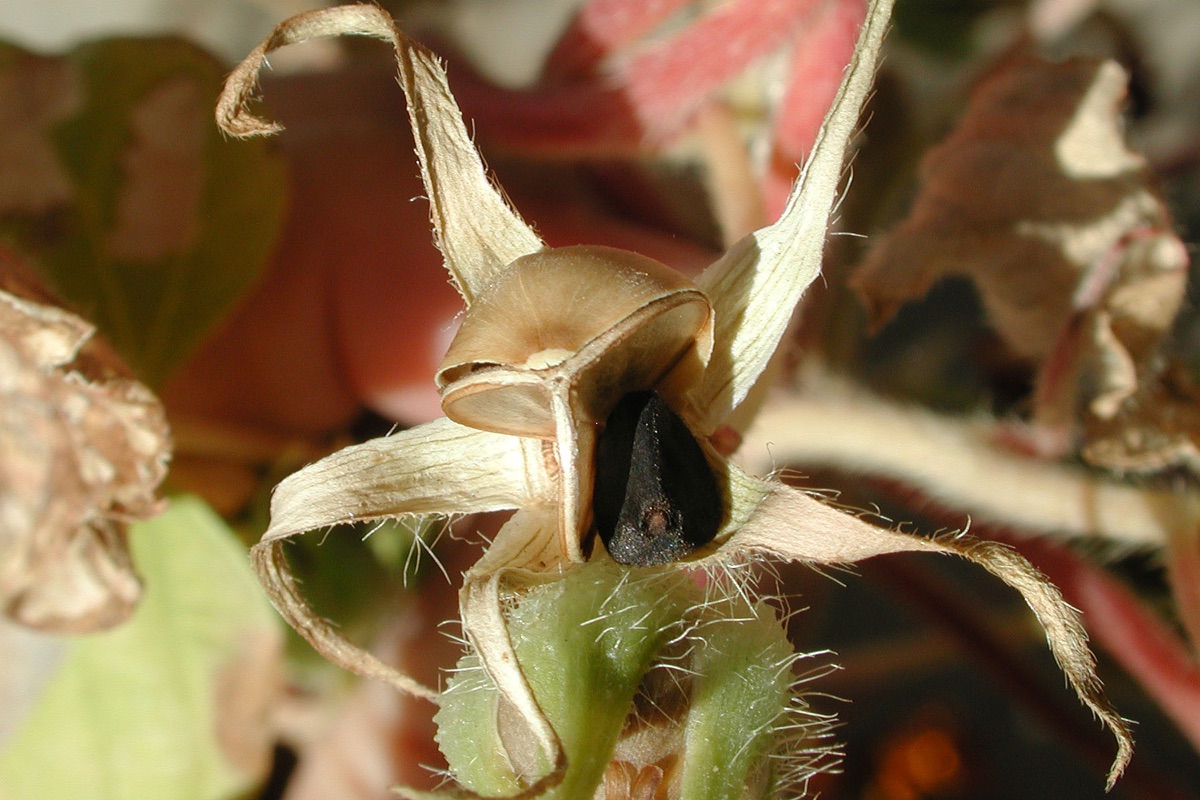
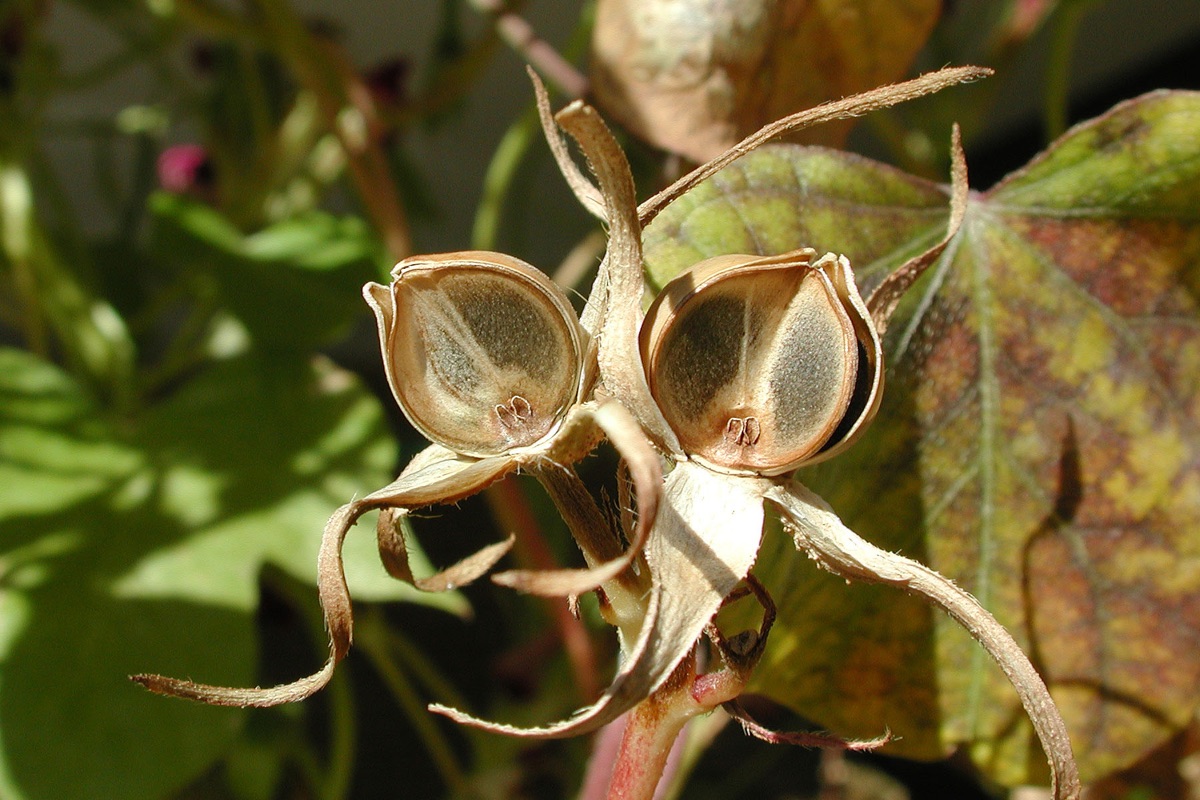
N17_1633_mod21.jpg
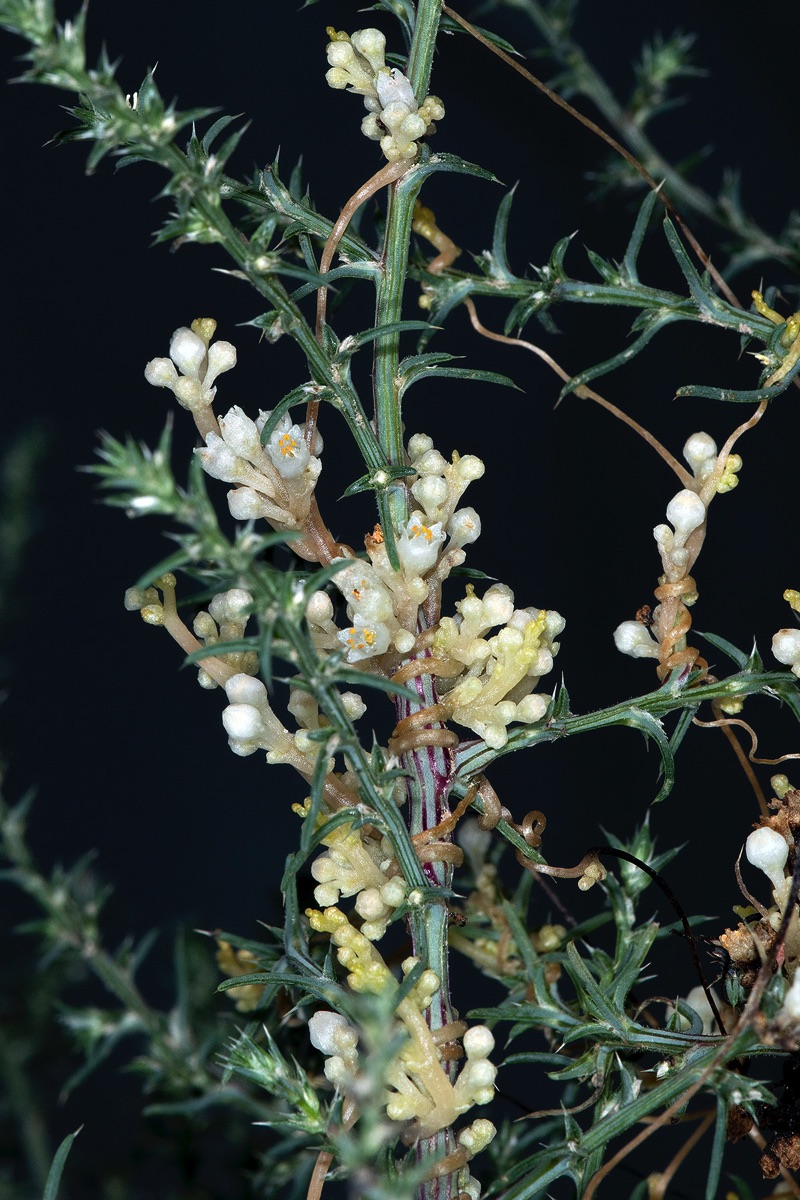
Cuscuta is a parasitic genus of Covolvulaceae
N17_1631_mod21.jpg
N17_1633_mod21.jpg
Convolvulacae1.png
Convolvulacae2.png
Convolvulacae3.png
Convolvulacae4.png