Contemporary Circumscription Compared with A Utah Flora 4th ed.
Bio430
Boraginaceae
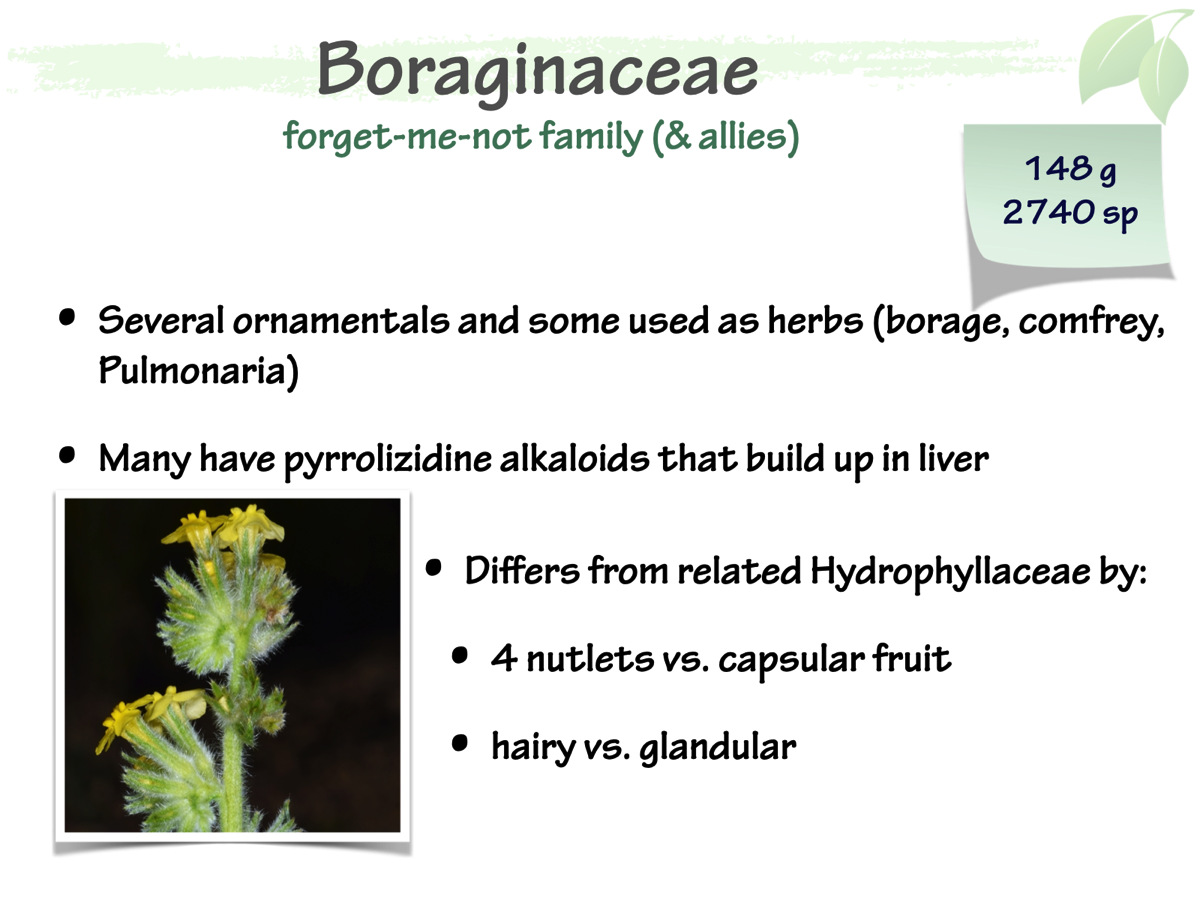
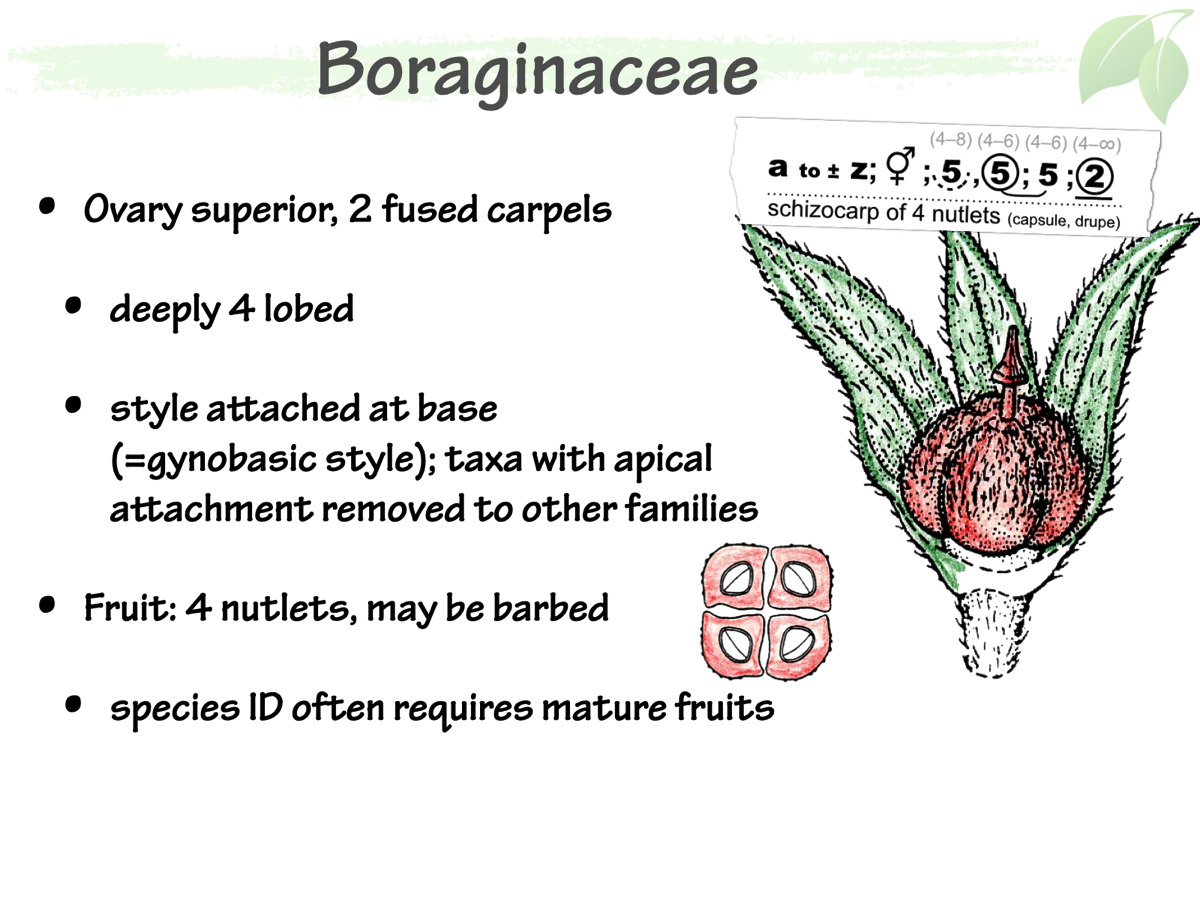
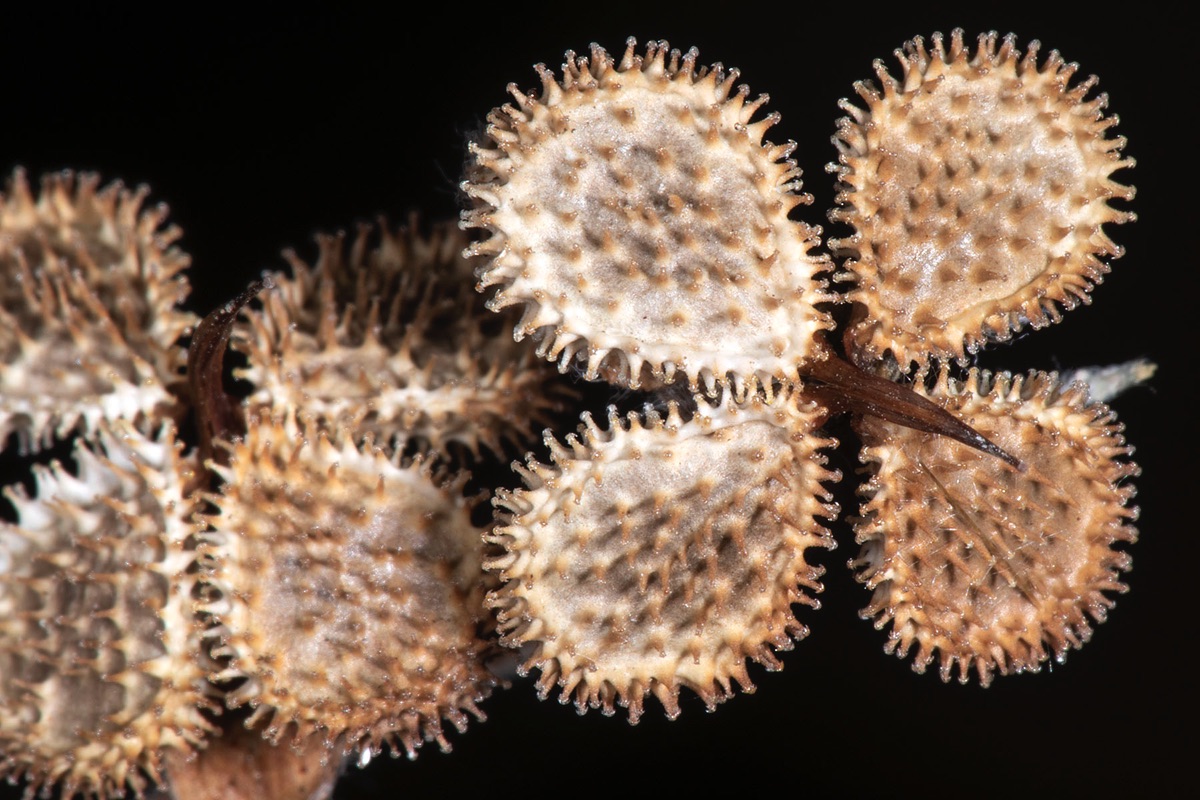
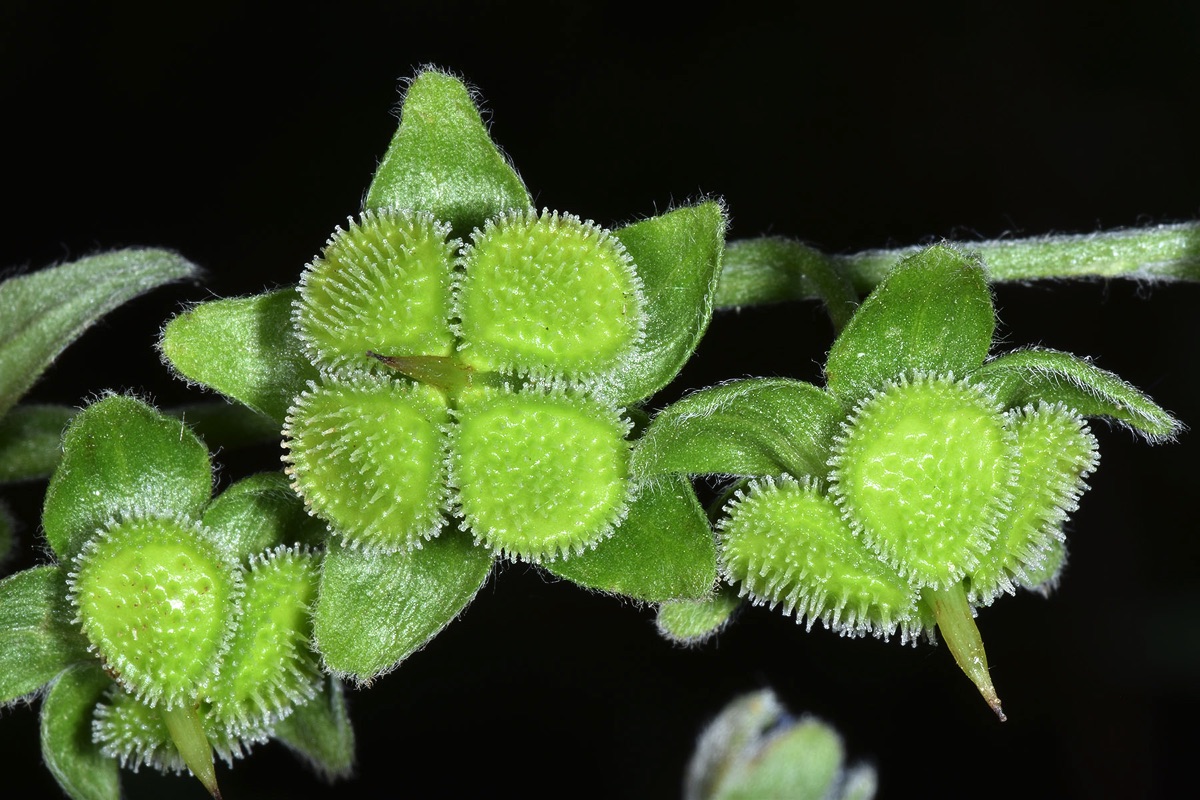
Around the turn of the century (2000), Boraginaceae was expanded to include several closely related families, including Hydrophyllaceae. However, specialists that work on these groups proposed in 2016 an alternative classification that recognizes eleven families, based on an effort to preserve the stability of names, recognize monophyletic groups, and define families that are recognizable by unique morphological apomorphies. In this 2016 classification, Boraginaceae is well defined based on the development of its fruit, with just a few traditional genera removed to other families, and the closely related Hydrophyllaceae has been split into two families rather than merged with Boraginaceae. Boraginaceae in the strict sense has 4 nutlets while Hydrophyllaceae has capsules for fruits. See Taxon 65: 502–522 for details
Key Features
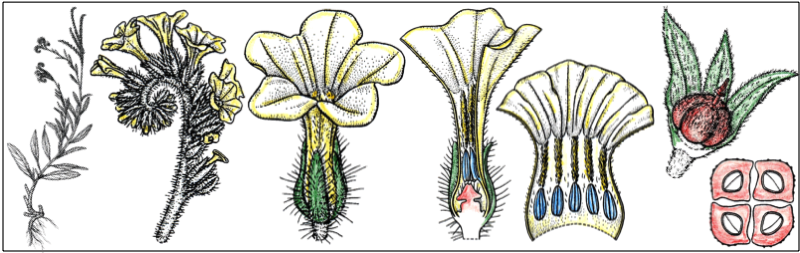
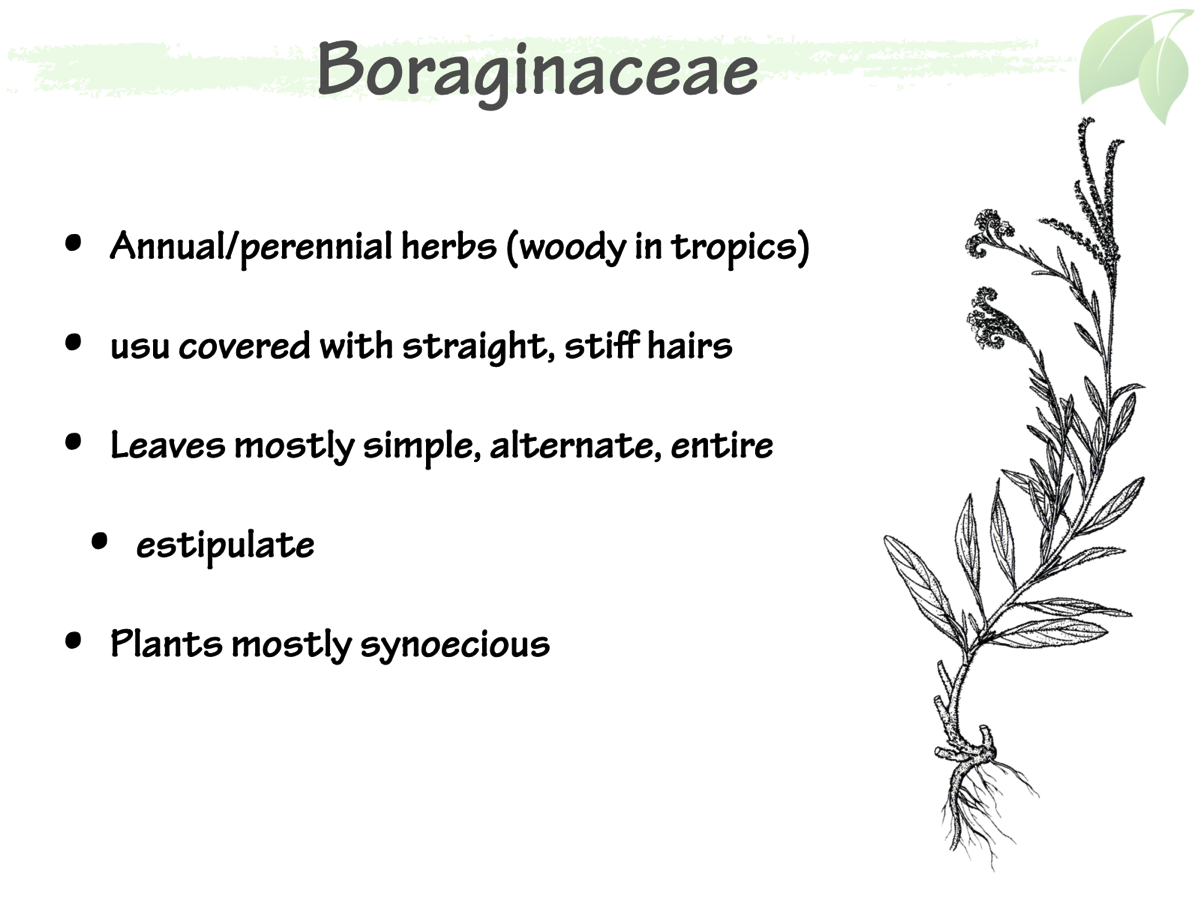
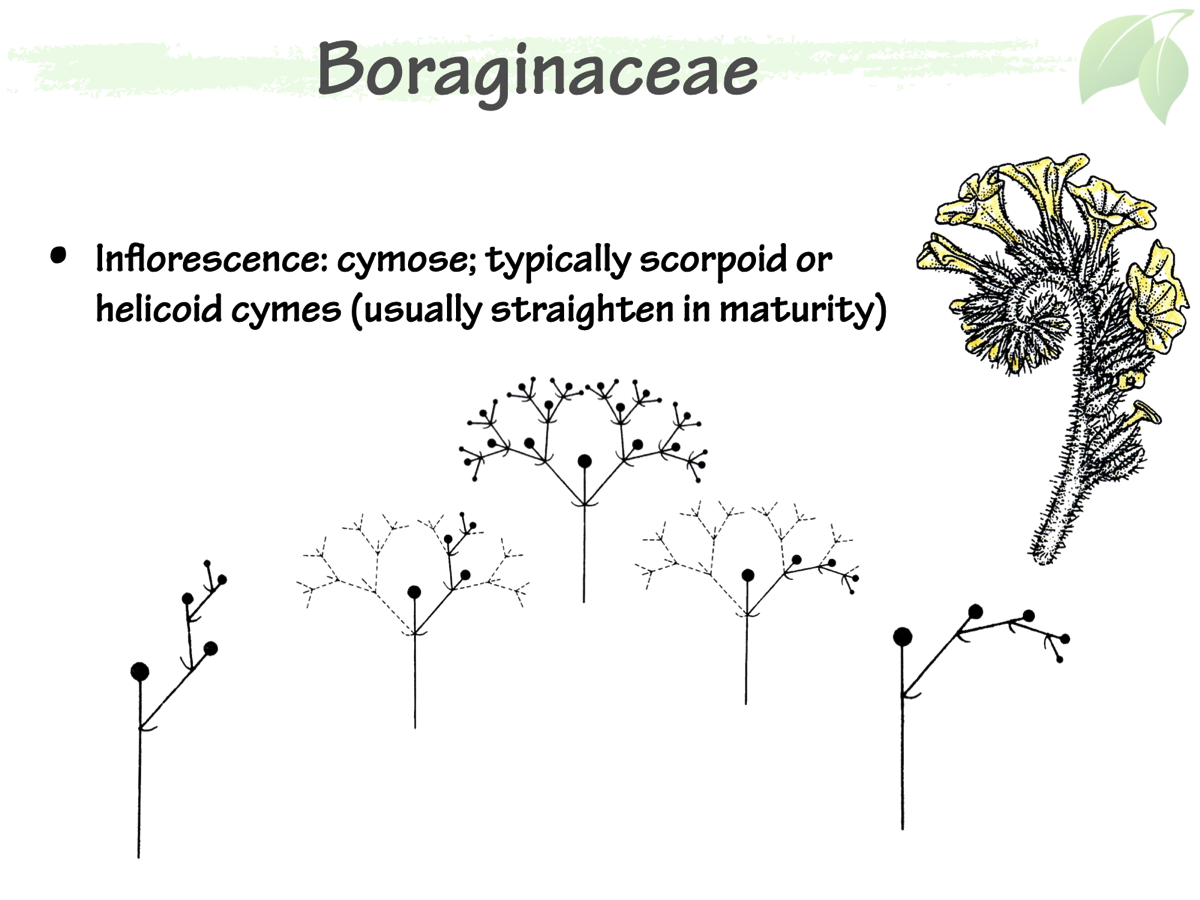
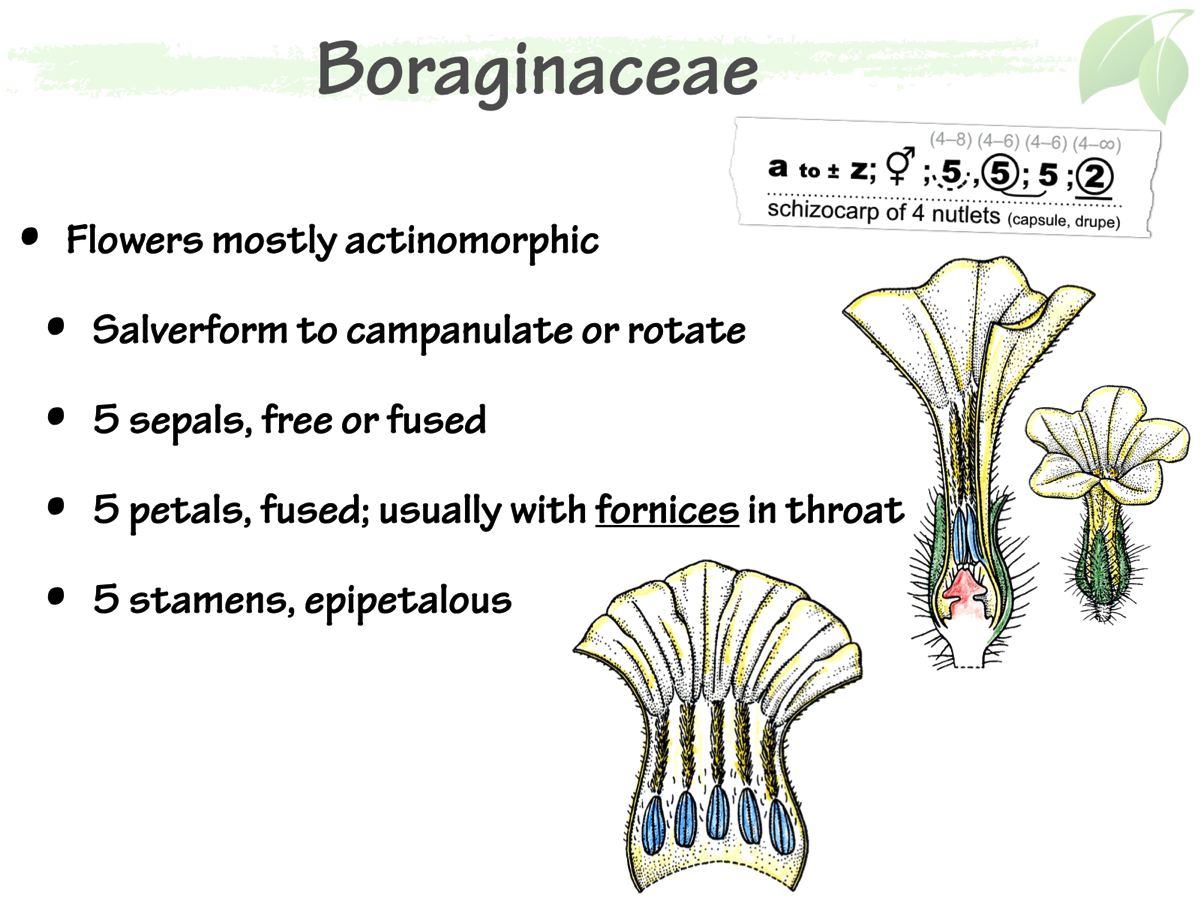
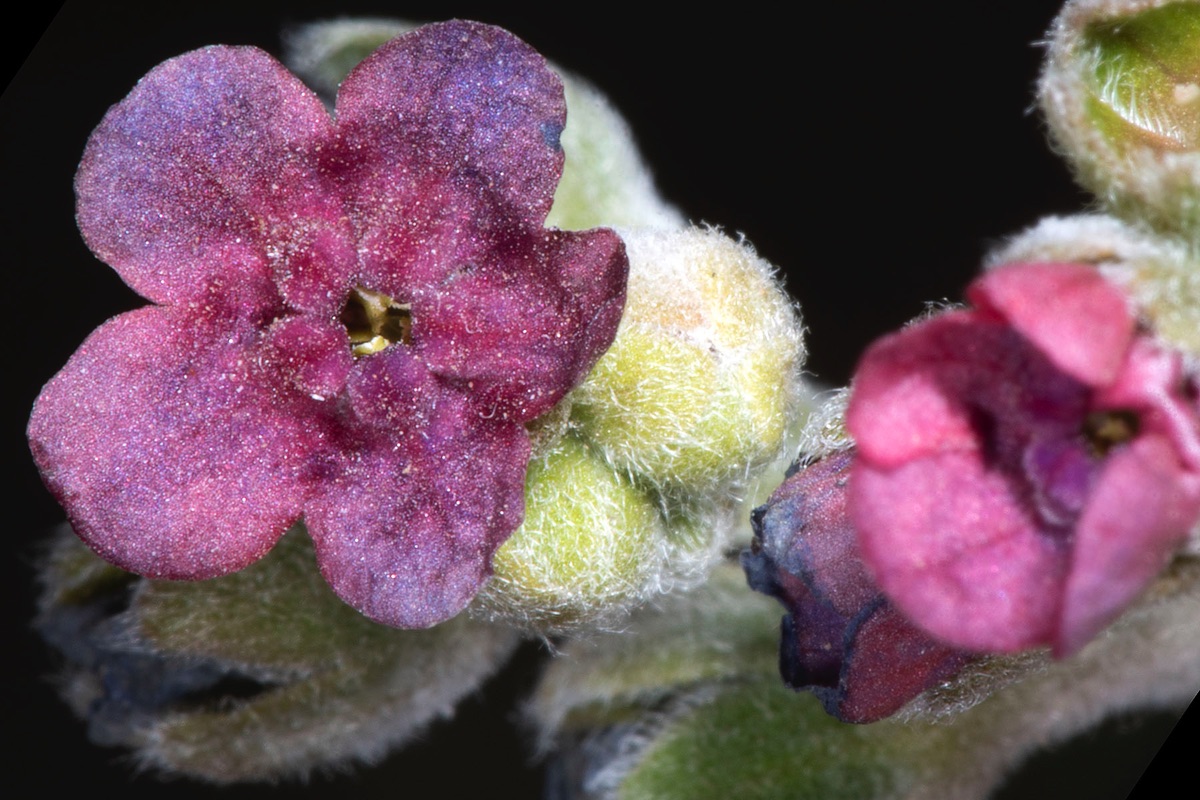
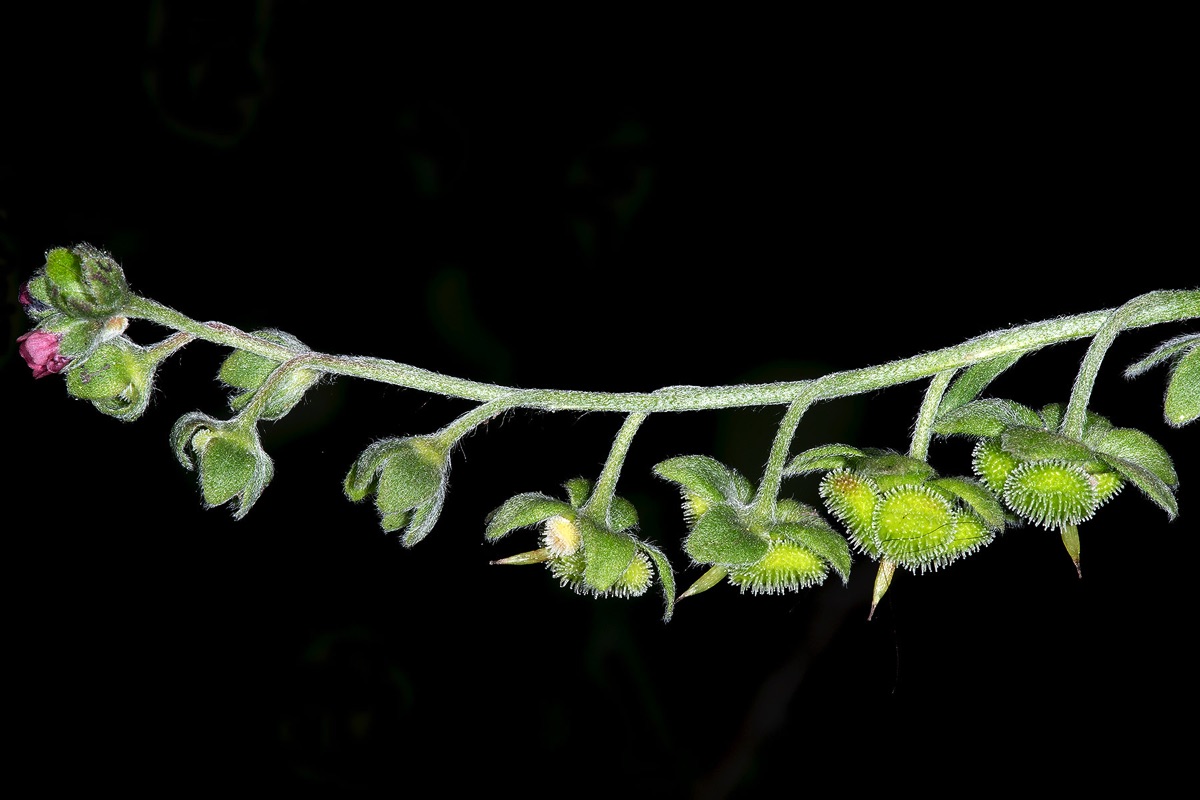
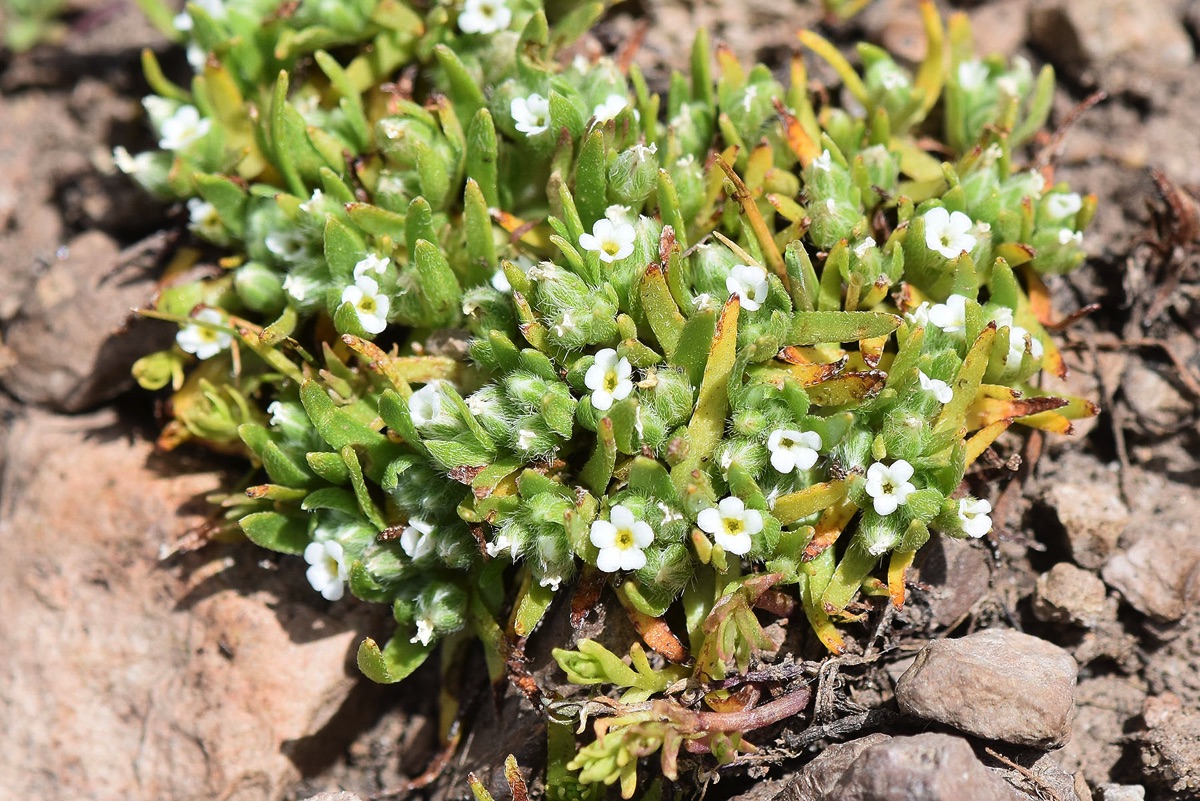
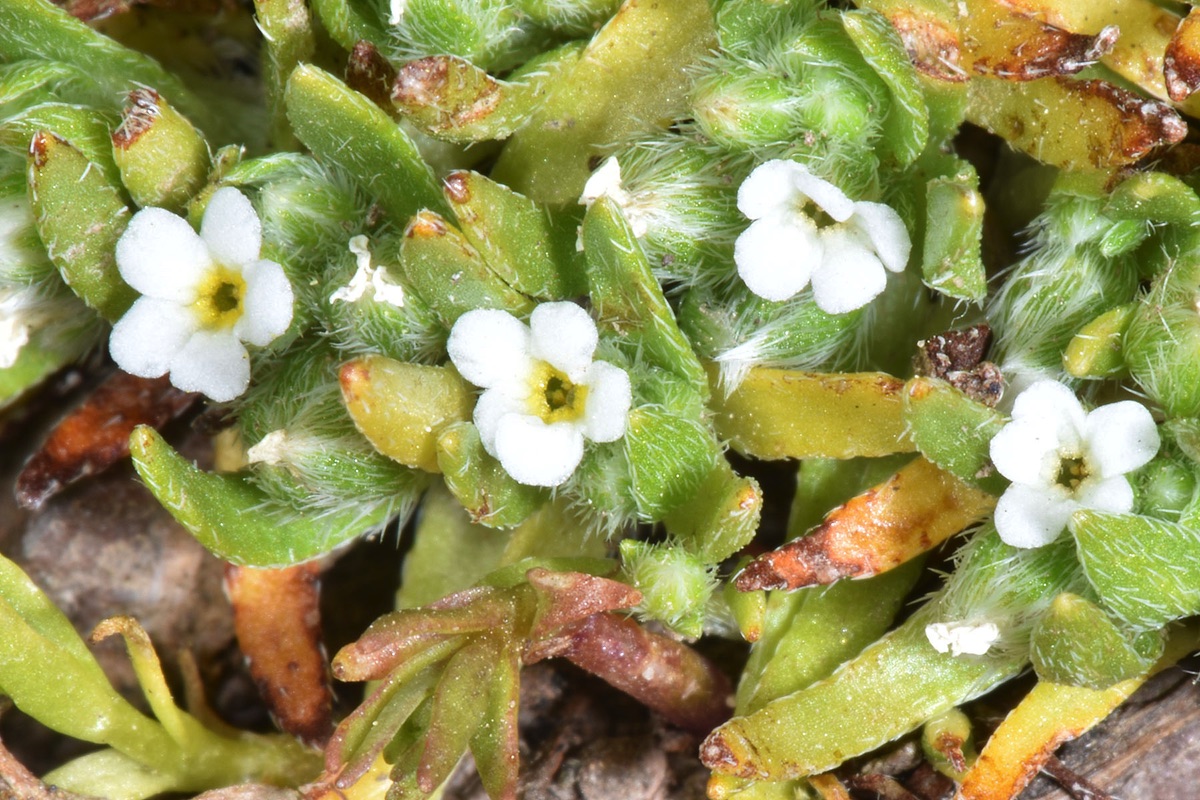
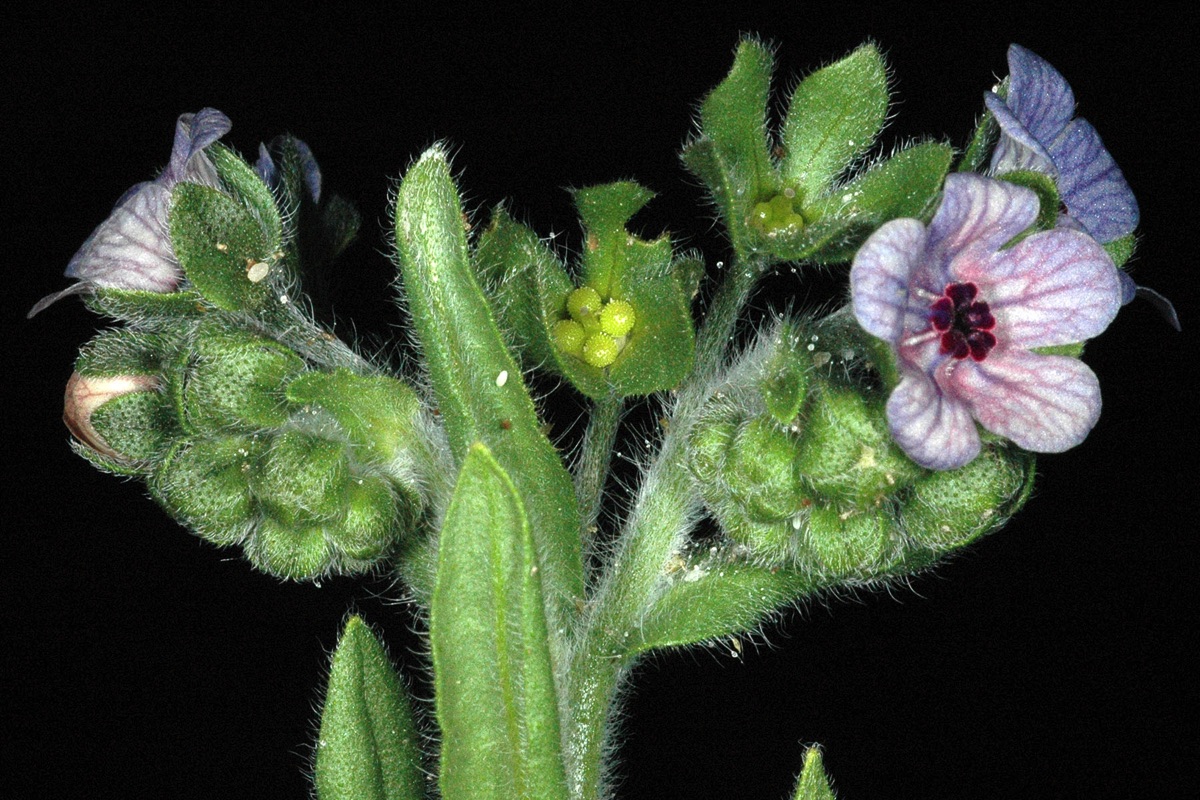
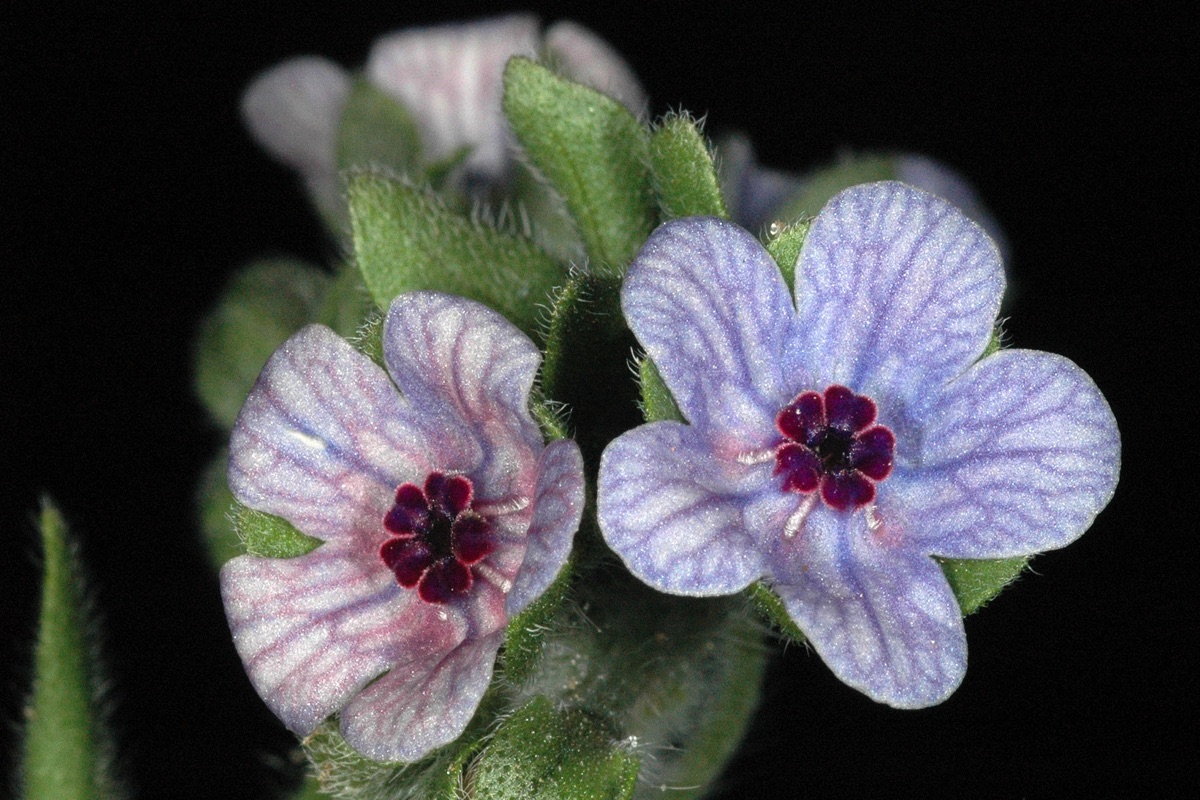
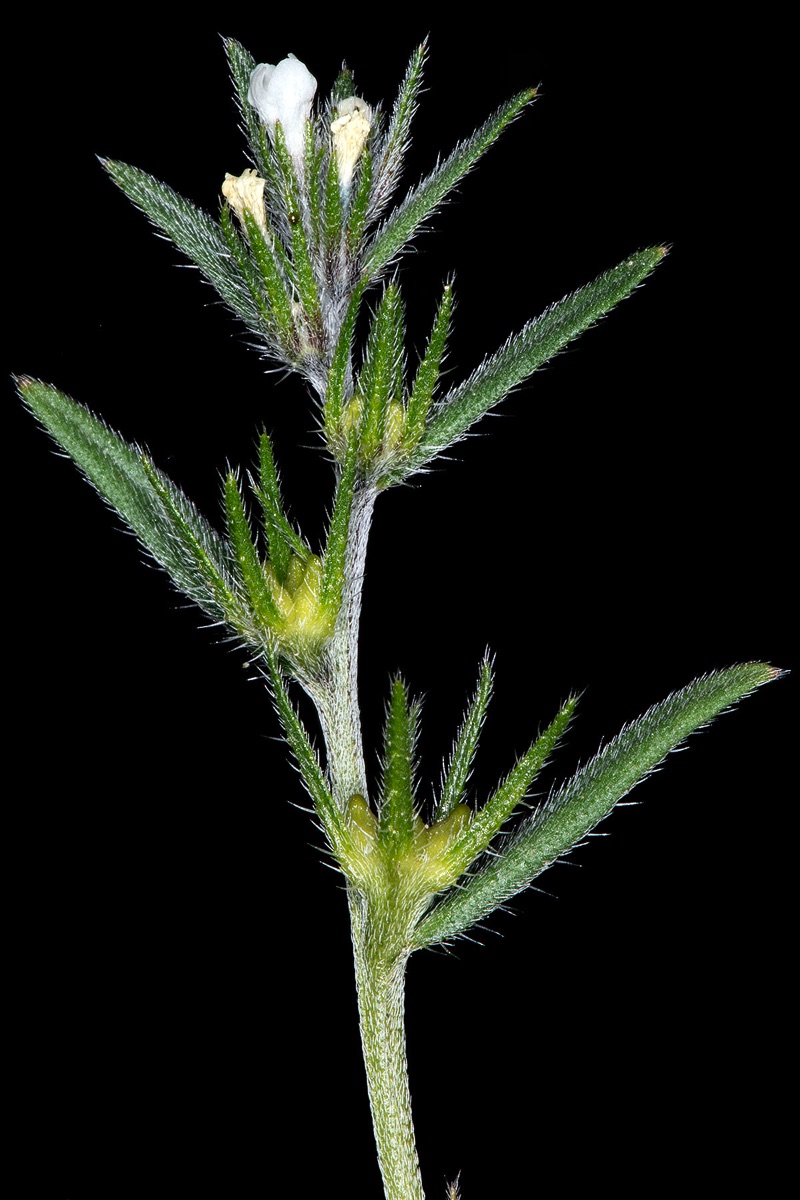
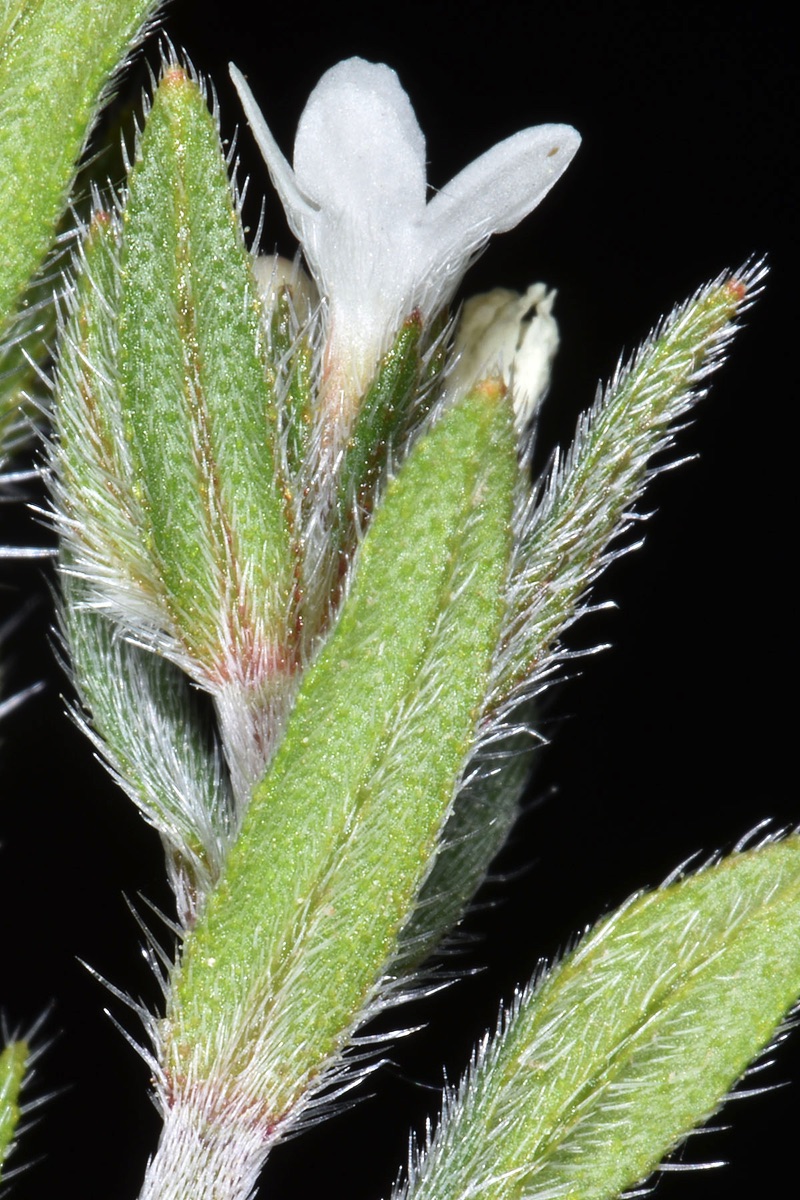
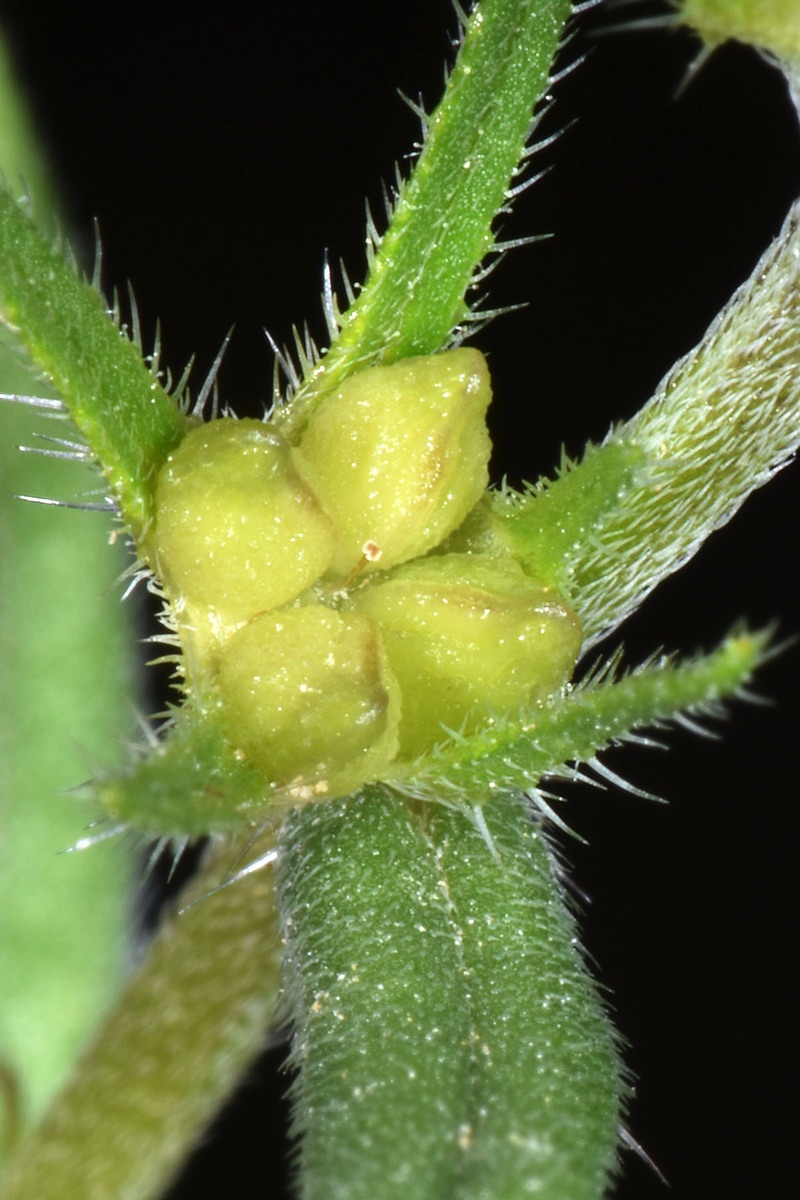
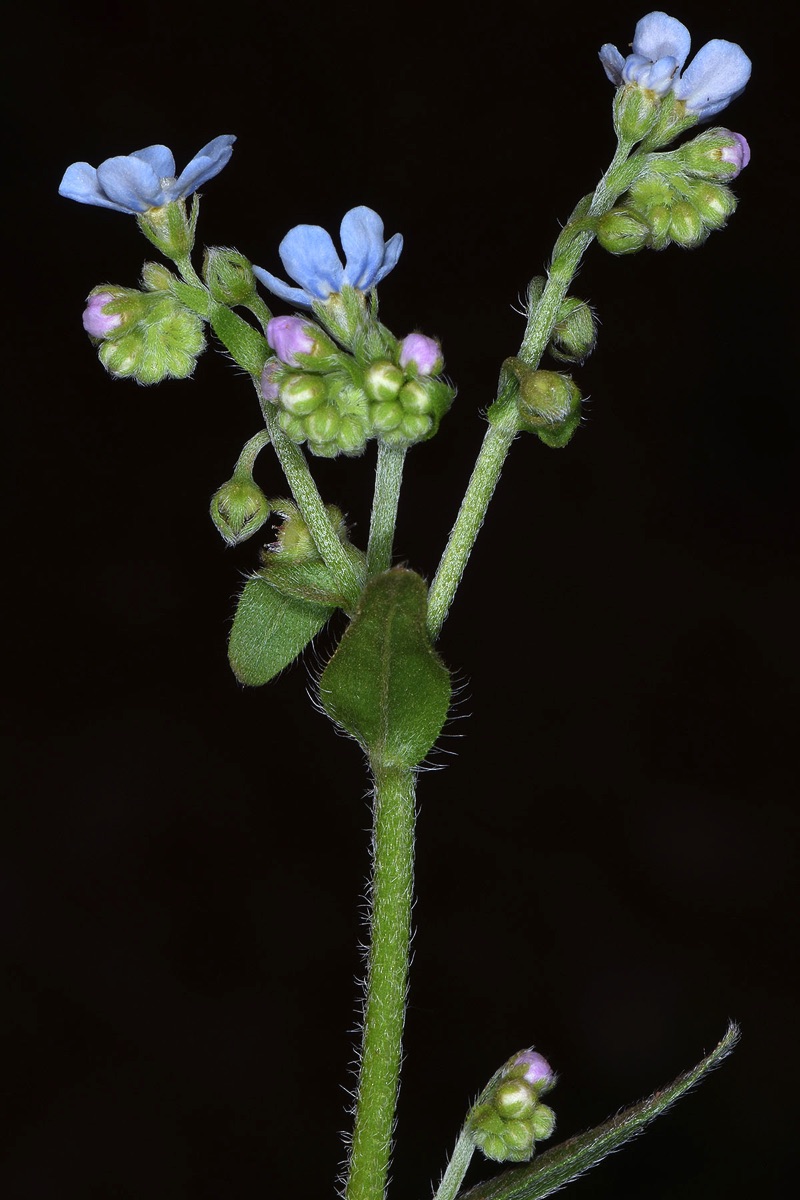
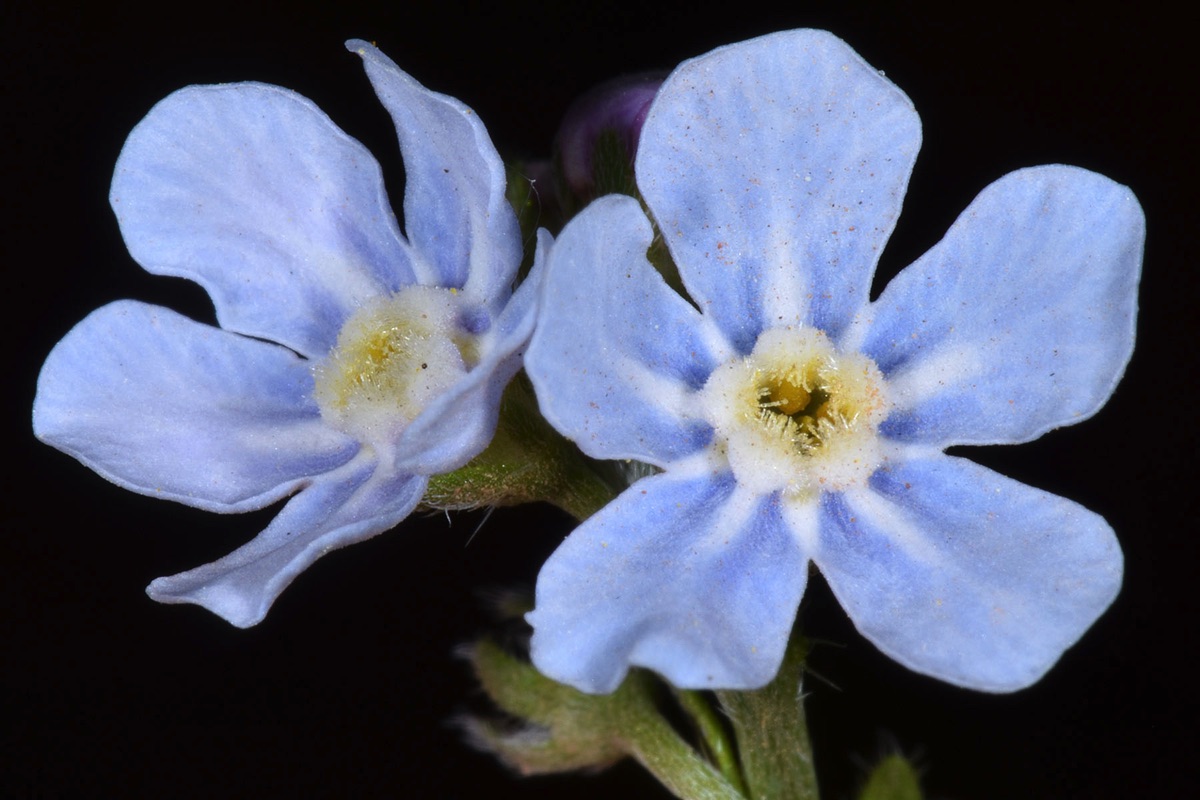
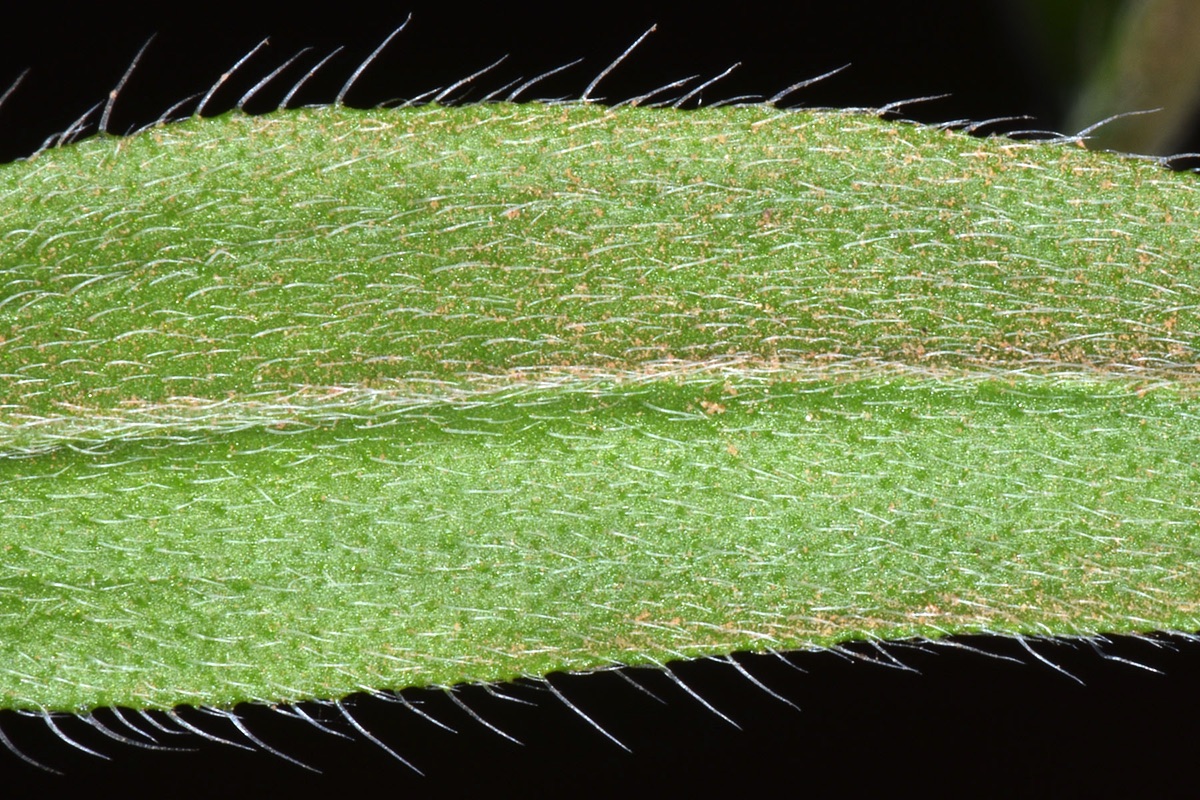
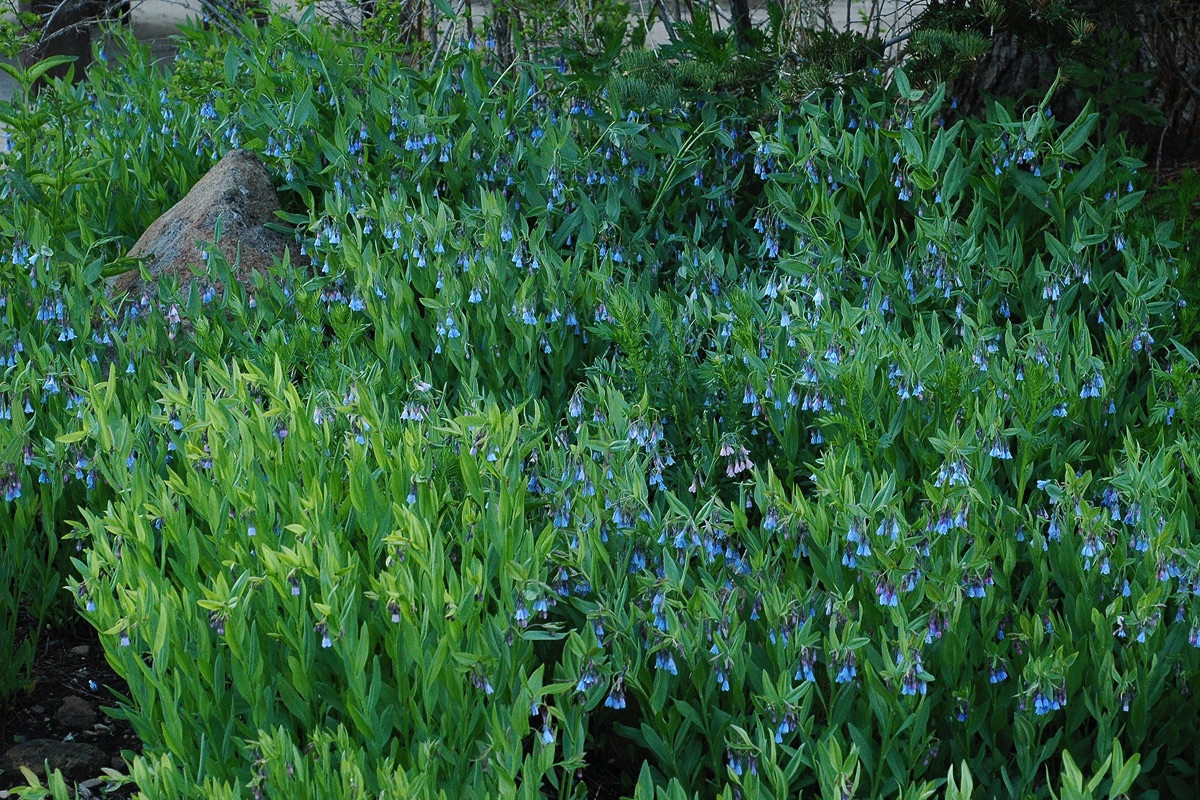
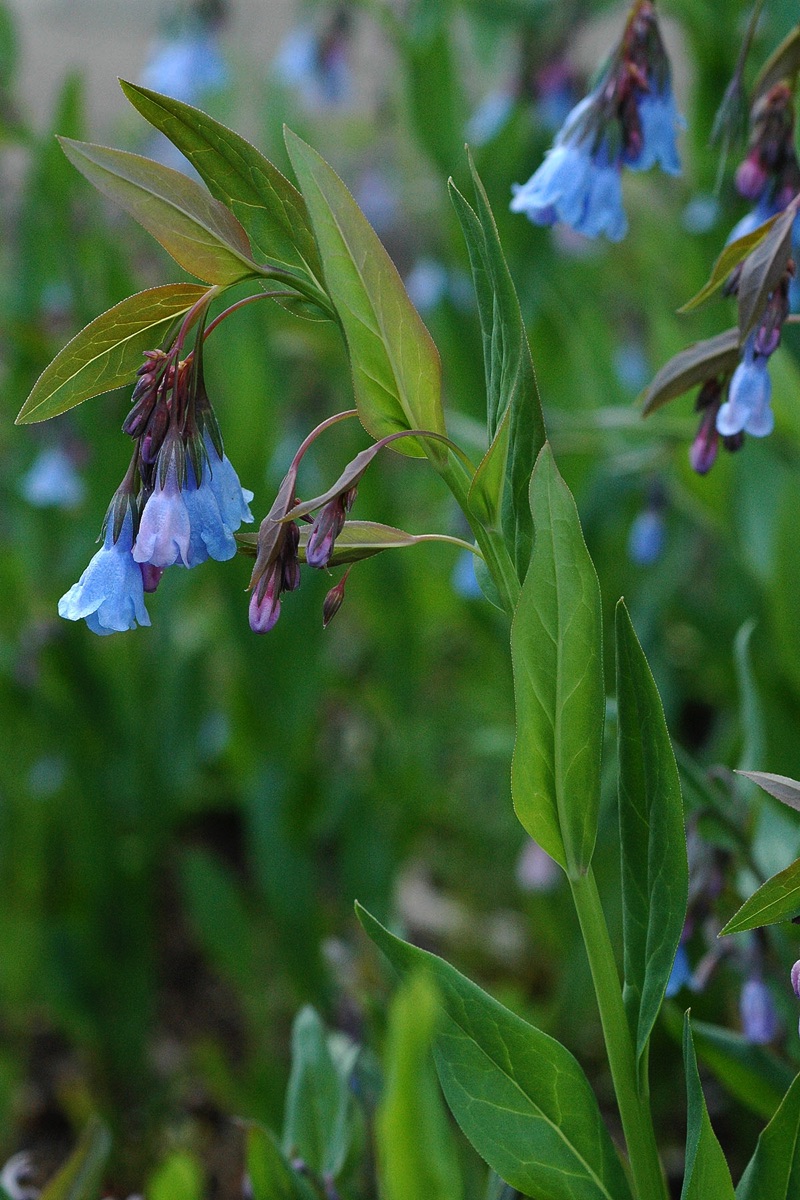
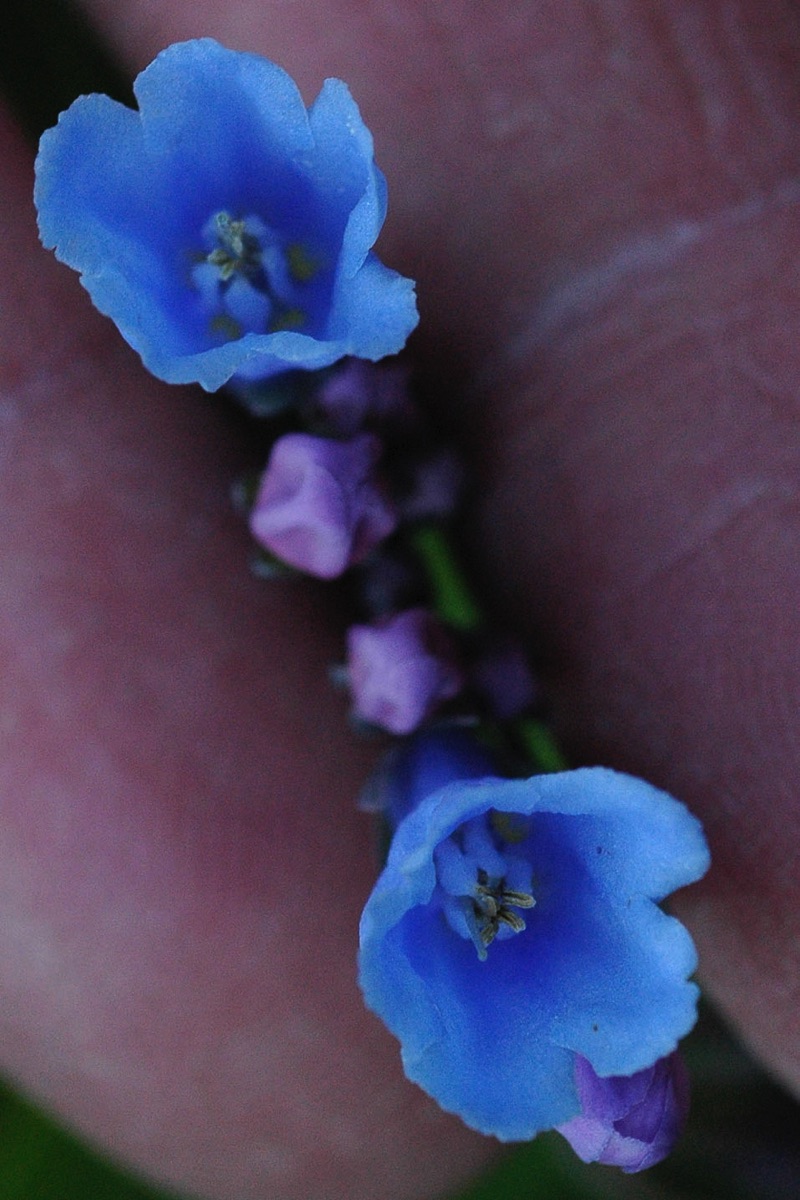
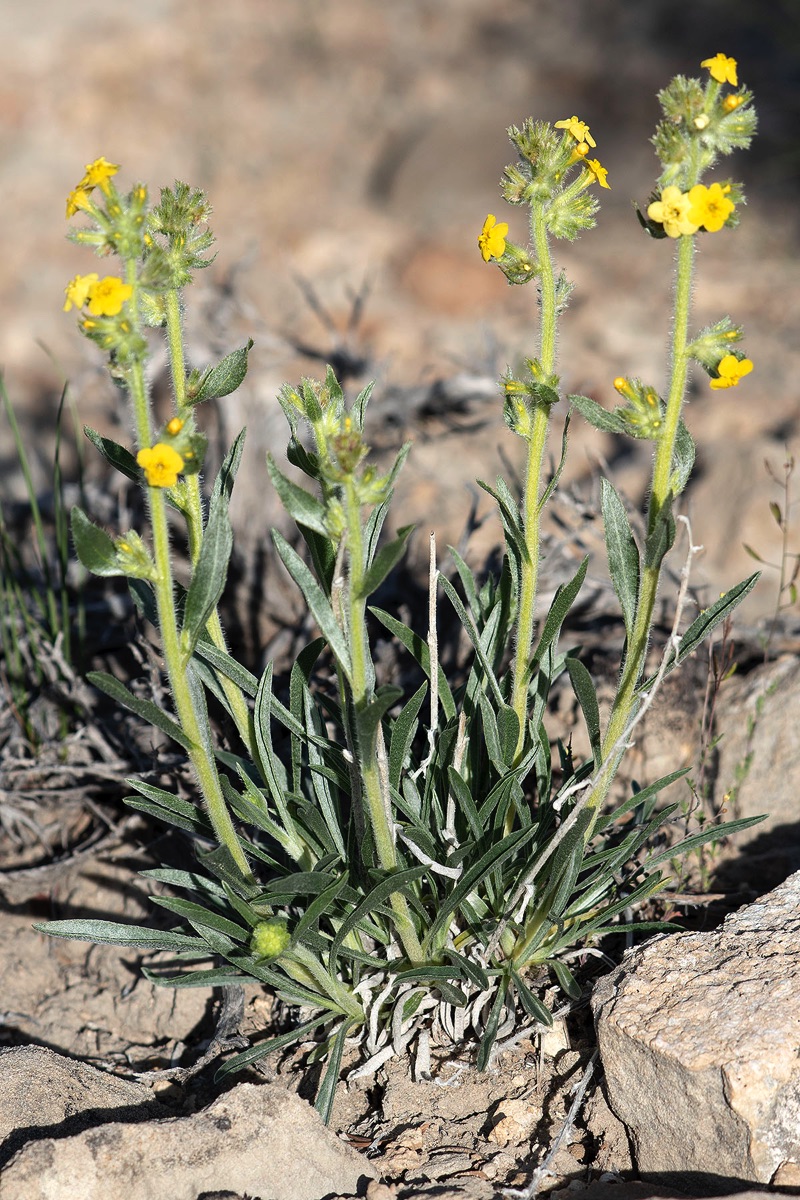
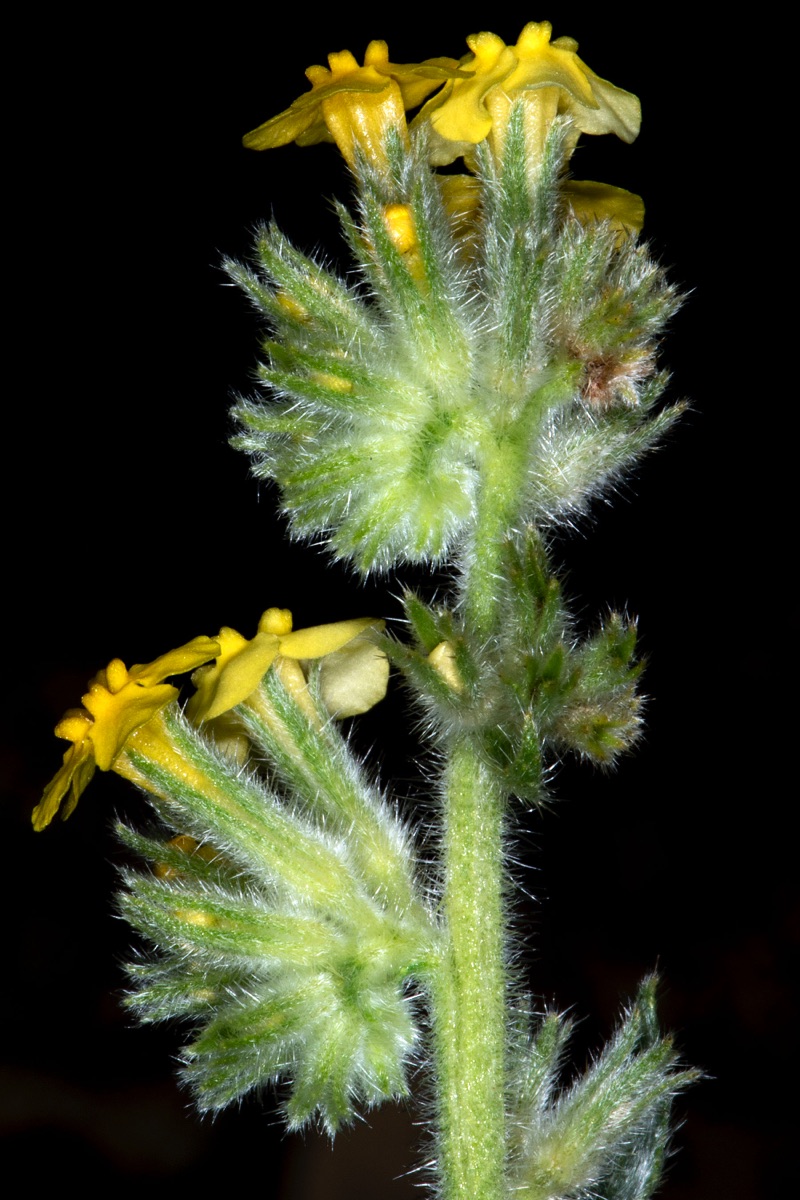
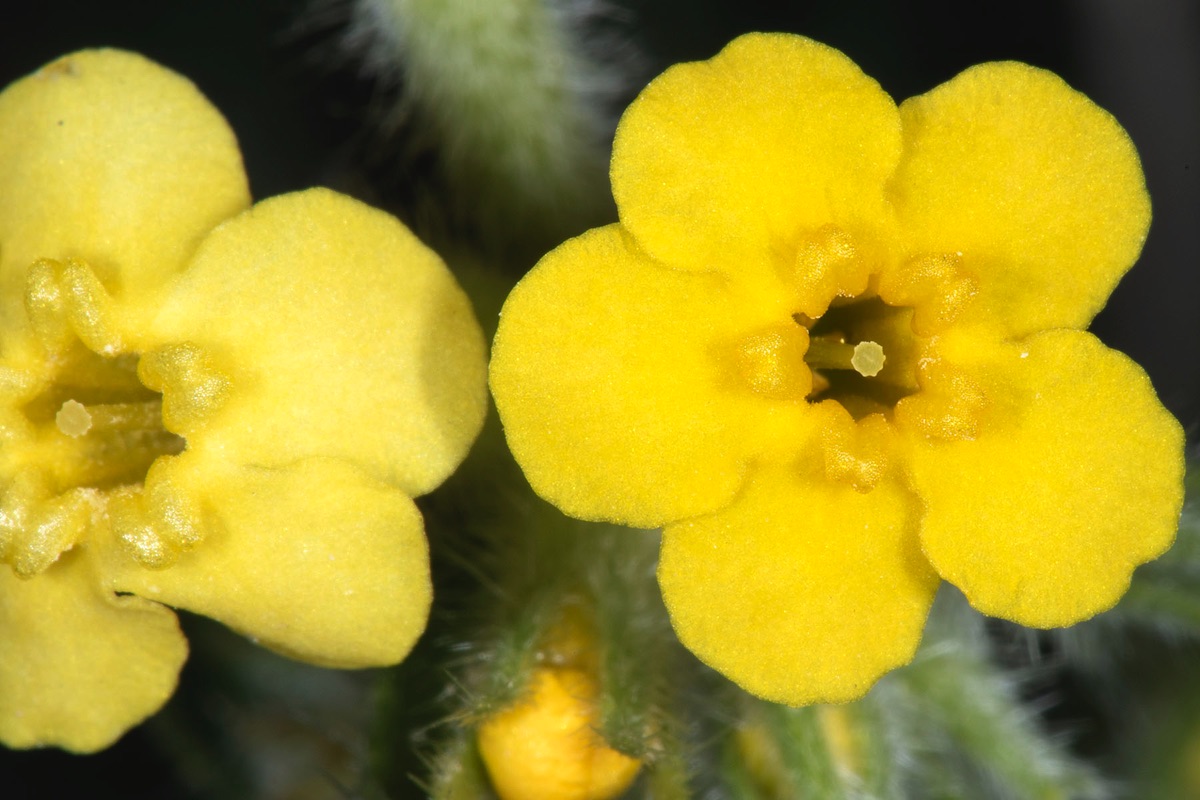
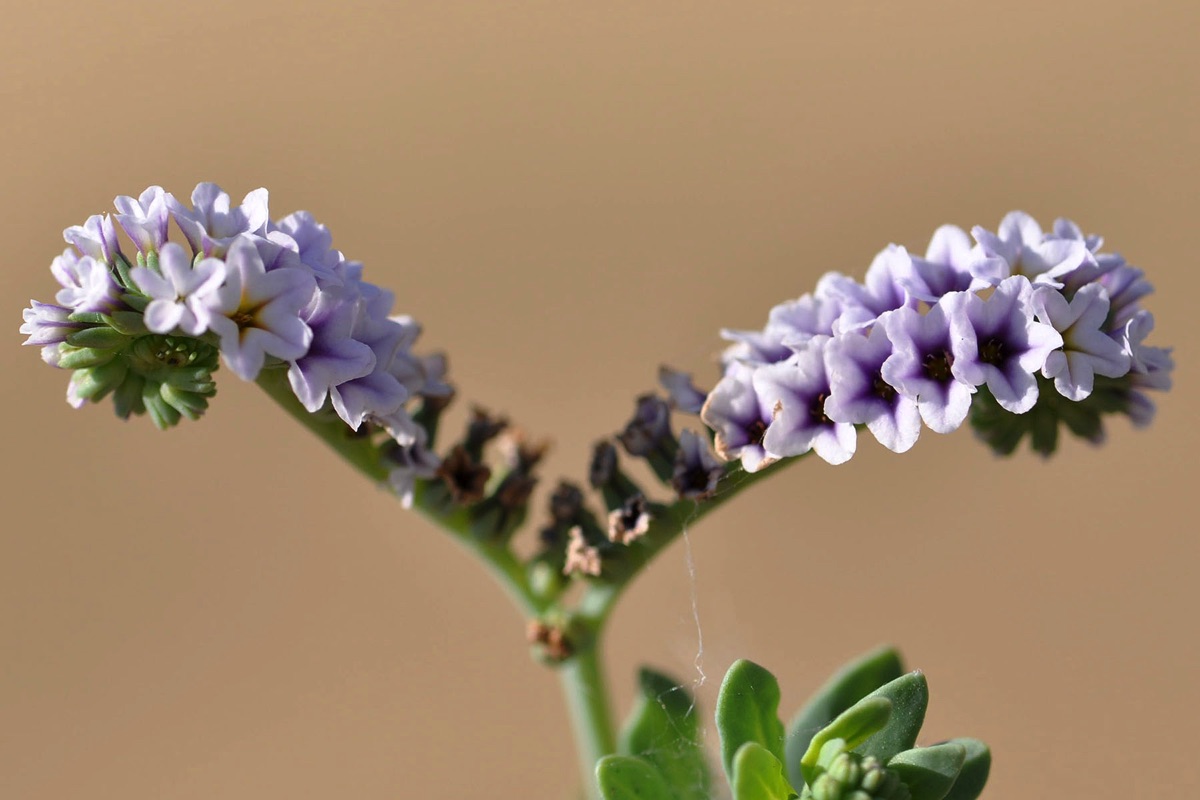
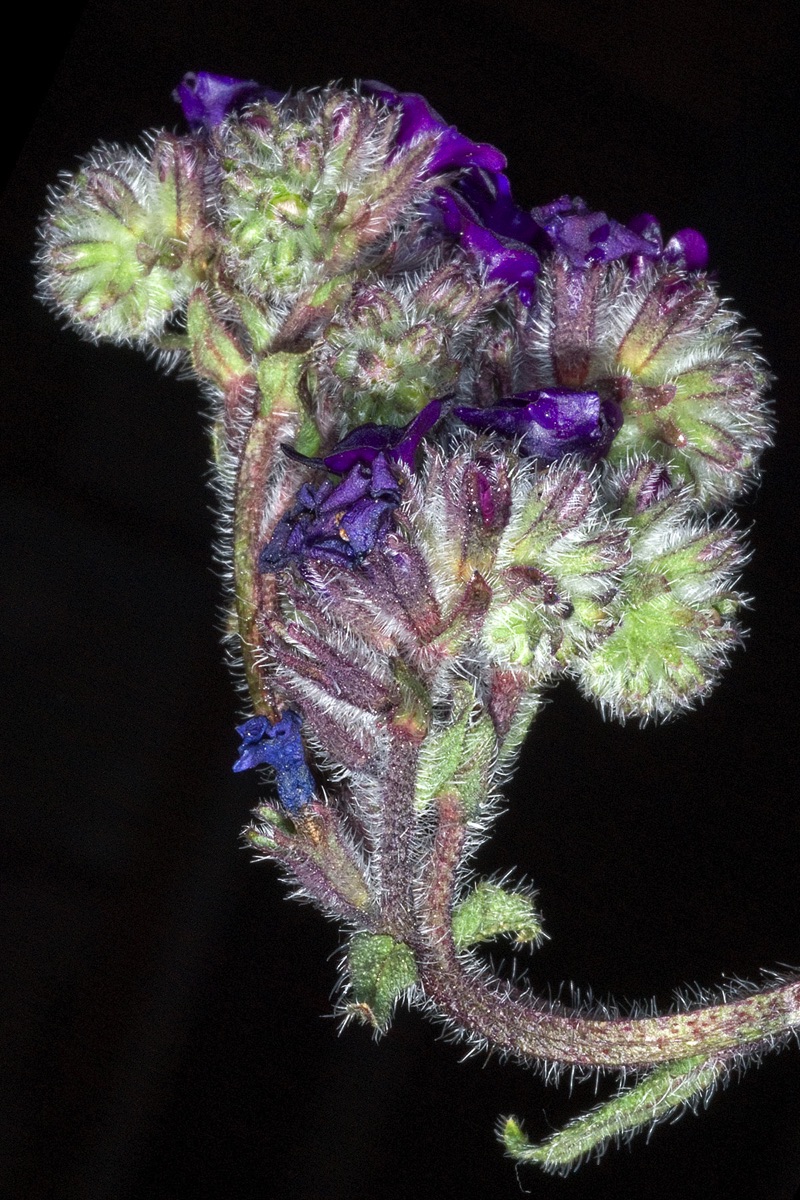
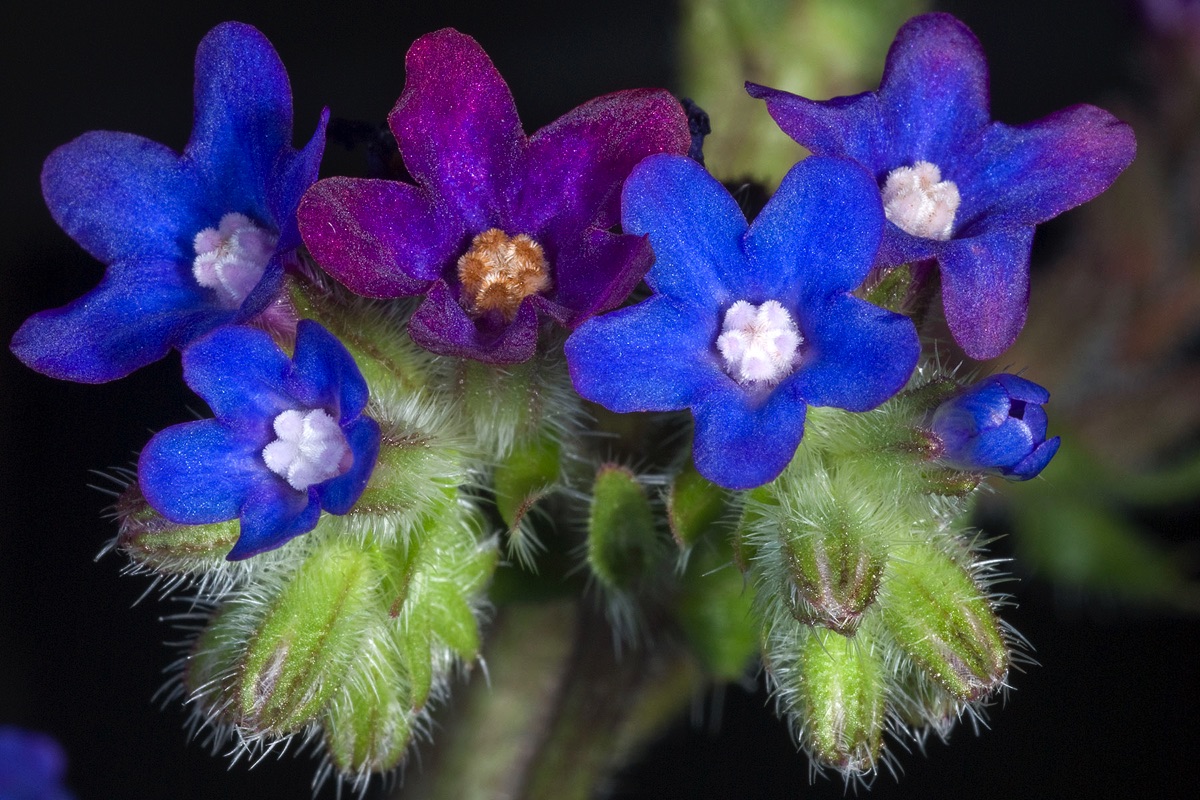
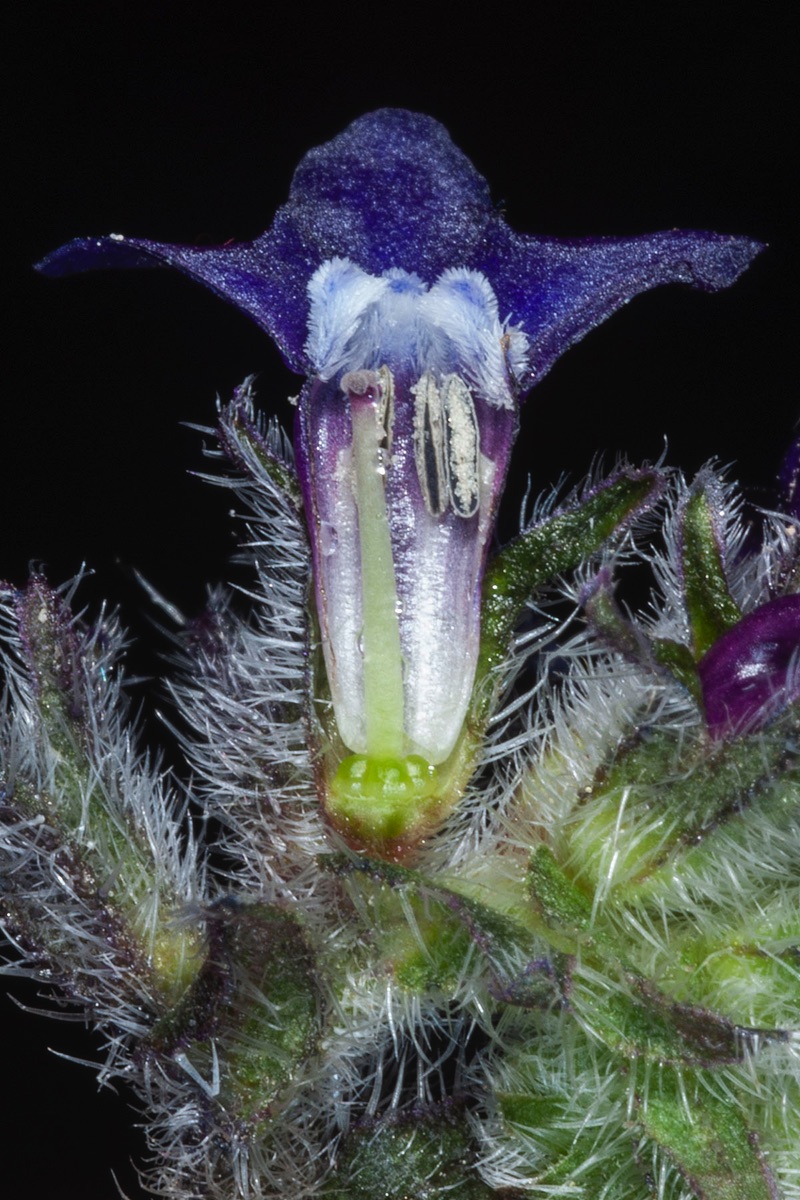
Scorpoid cymes and alternate, estipulate leaves. Boraginaceae are bristly plants, their flowers have fornices, their fruit is four lobed nutlets arising from a 4 lobed ovary with gynobasic style, and their stamens are included in the corolla tube. The Hydrophyllids tend to be glandular instead of bristly, have spherical capsules, lack fornices, and generally have exserted stamens. The genus Heliotropium pictured below is now placed with 3 other genera in Heliotropiaceae; their style is attached apically instead of gynobasically.