Contemporary Circumscription Compared with A Utah Flora 4th ed.
Bio430
Arecaceae•Palmae
No differences. Arecaceae are undoubtedly monophyletic and recognized in their own order. Generally five subfamilies are recognized. The palm family is the largest clade of woody monocots
Key Features
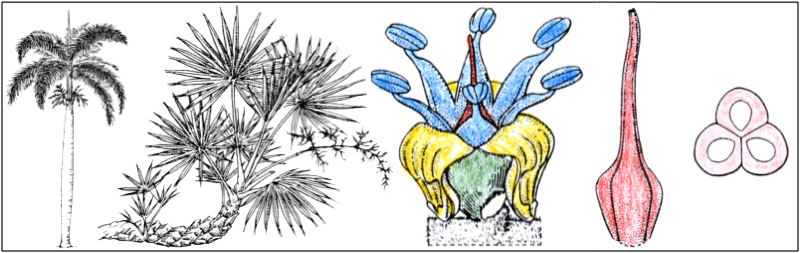
Woody monocots; unbranched; bearing leaves with sheathing bases and large, plicate blades
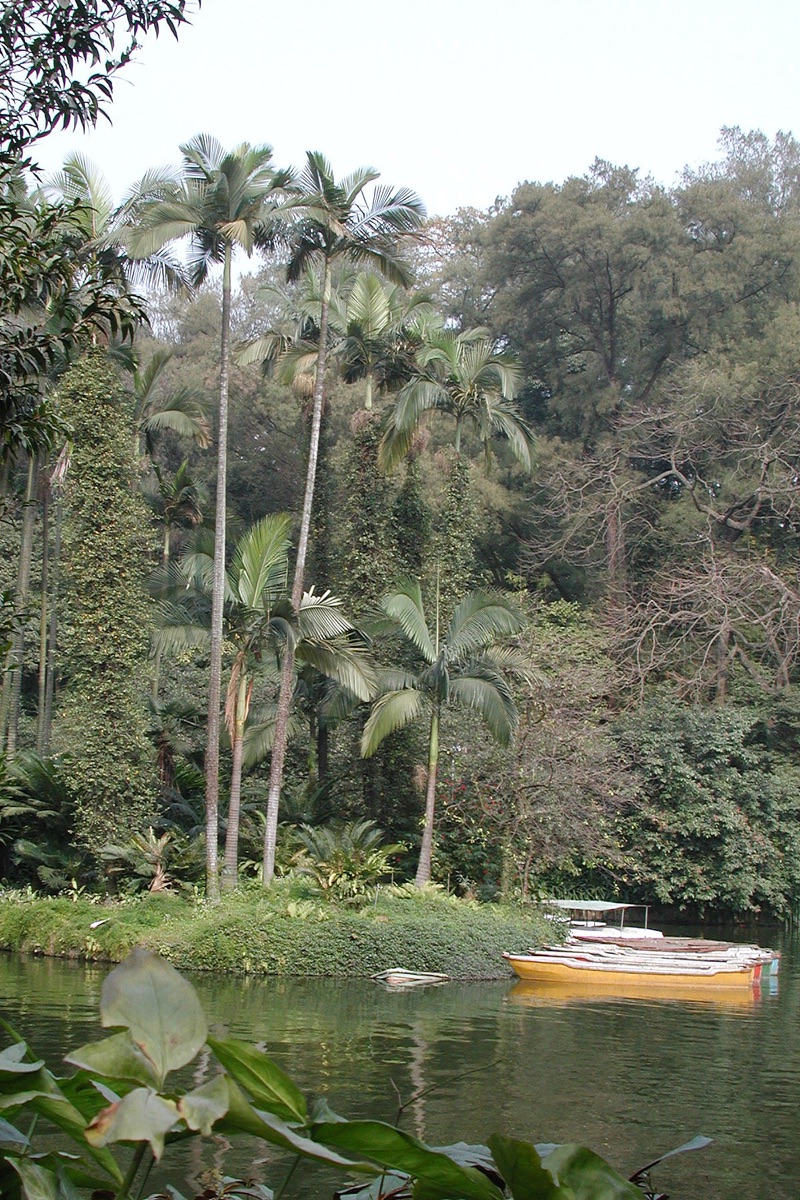
Palm trees in China - although stems do thicken a little below the meristem (see next photo), the diameter is essentially the same from bottom to top - no true secondary growth.
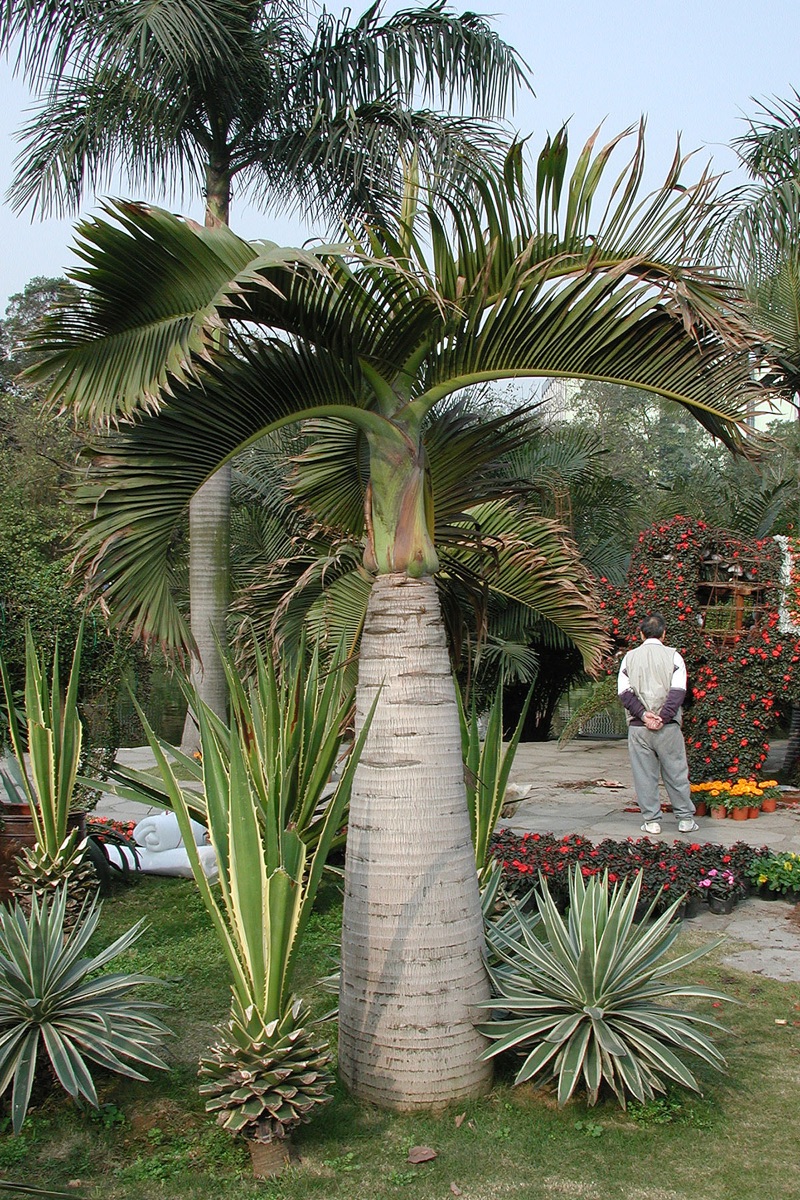
Young palm showing some secondary thickening of stem below the apex, and expanded leaf bases that leave encircling scars after leaves are removed
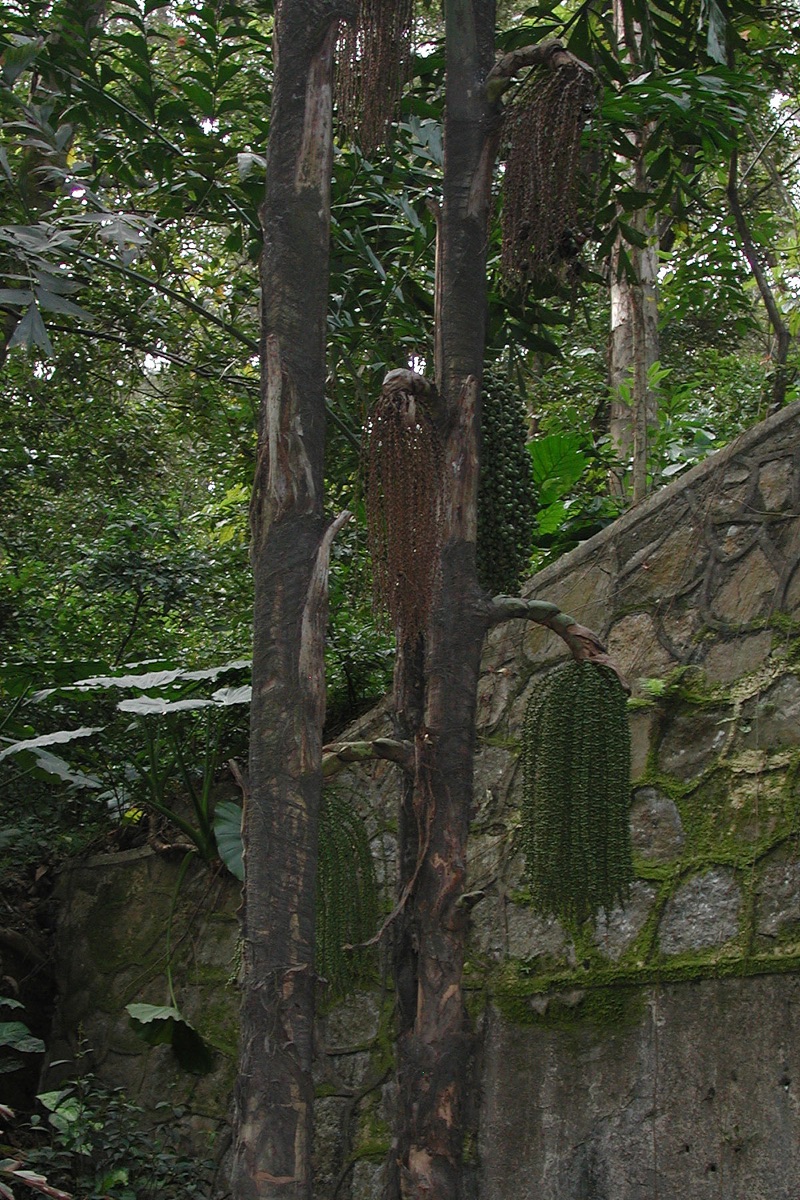
DSCN0198_palmfruit_mod21.jpg
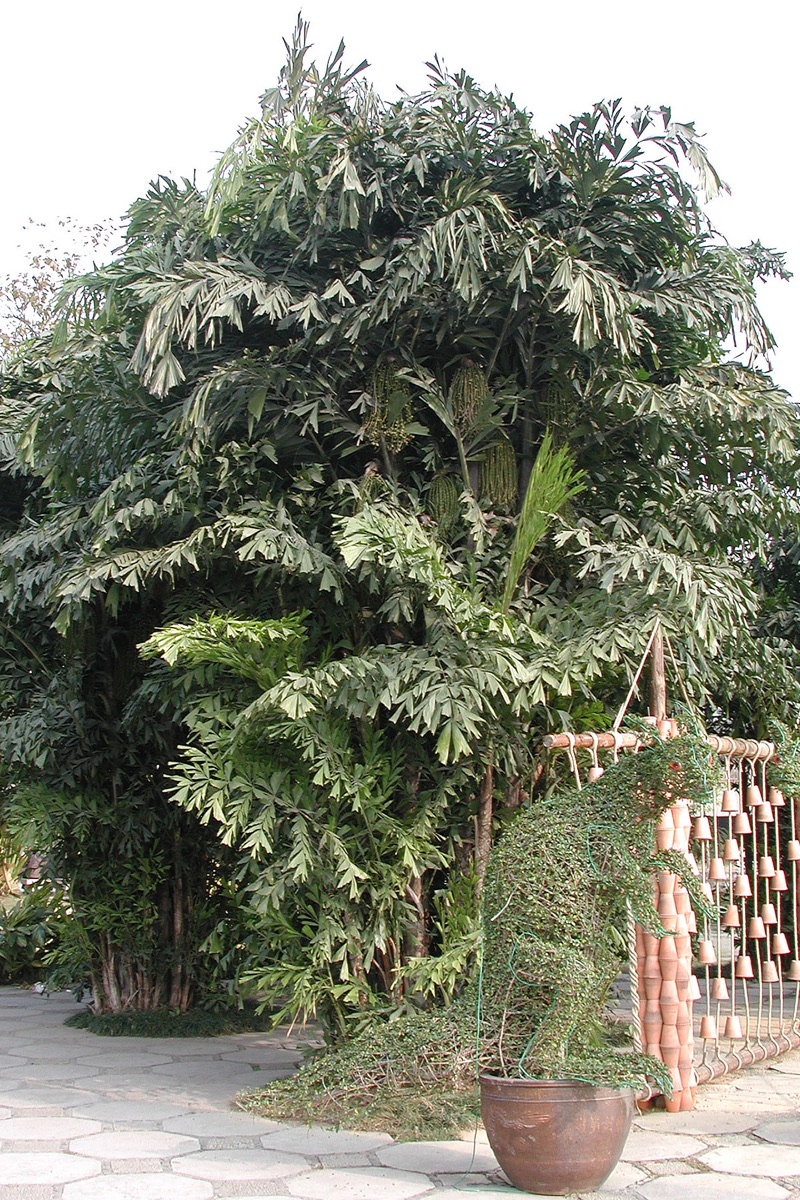
DSCN0172_palm_mod21.jpg
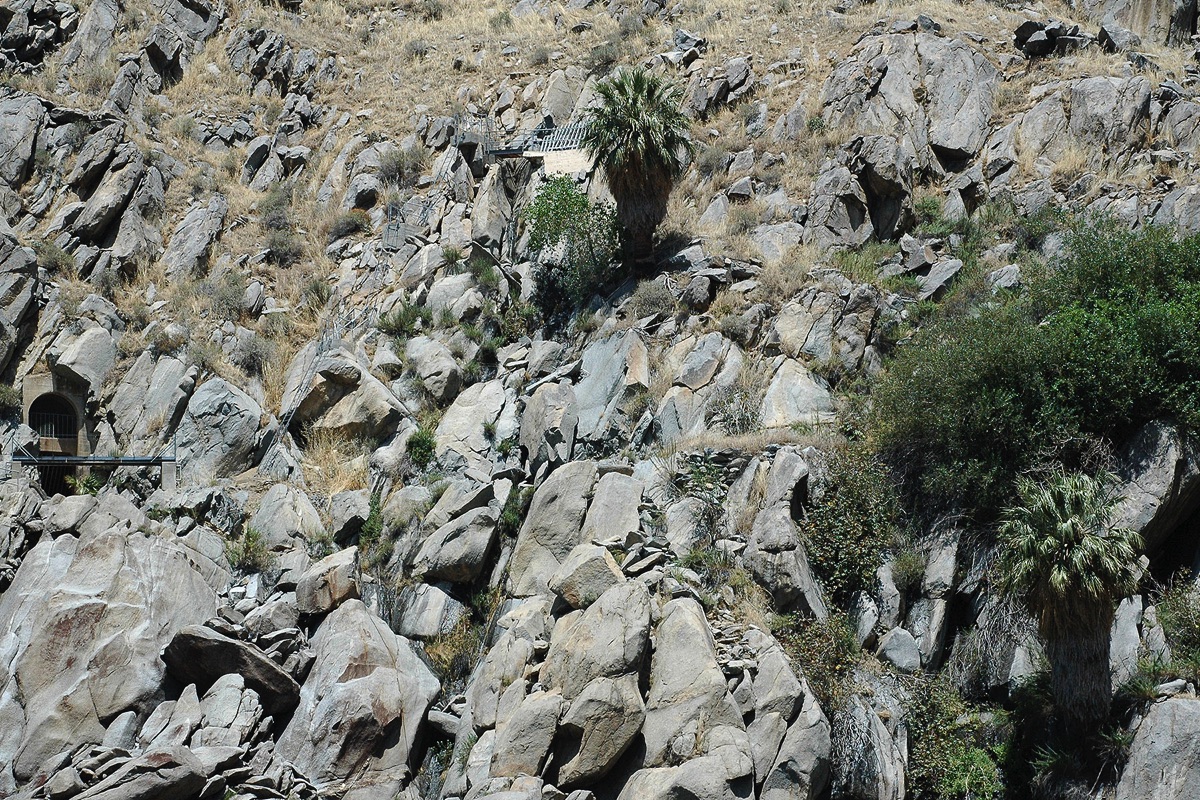
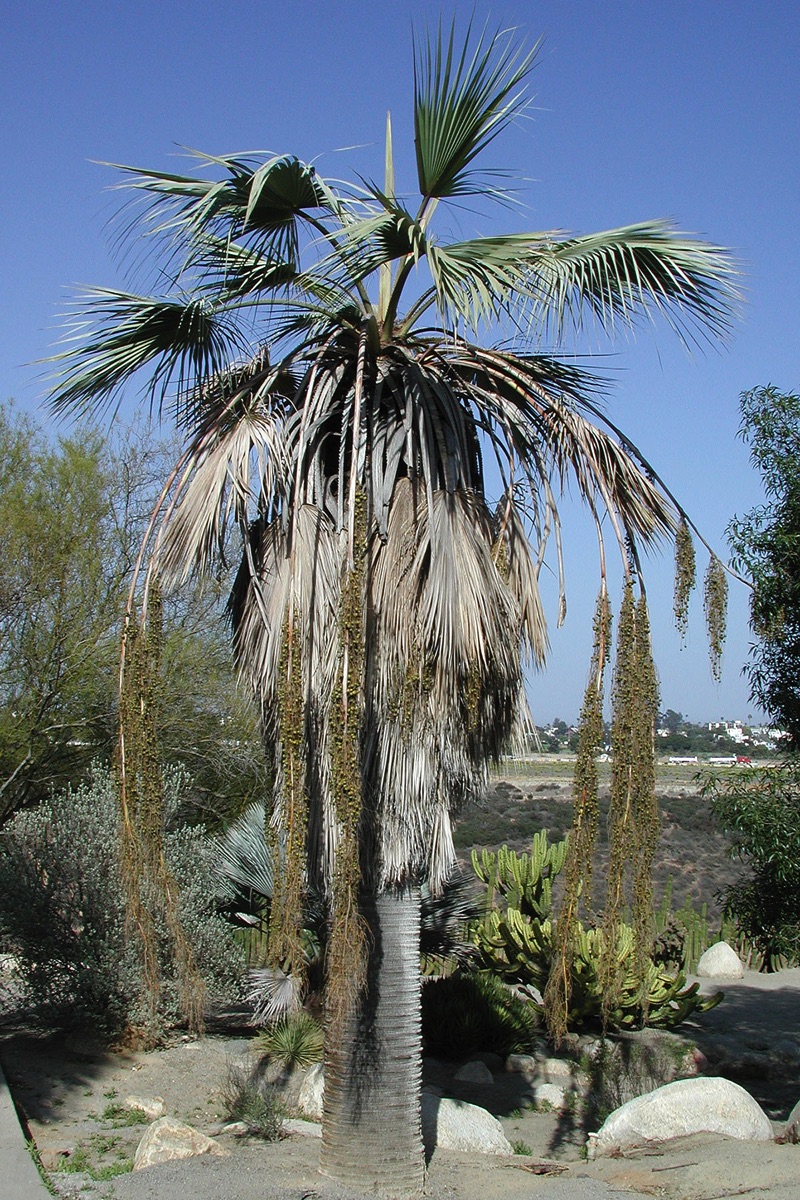
Washingtonia - Native near Bakersfield, California
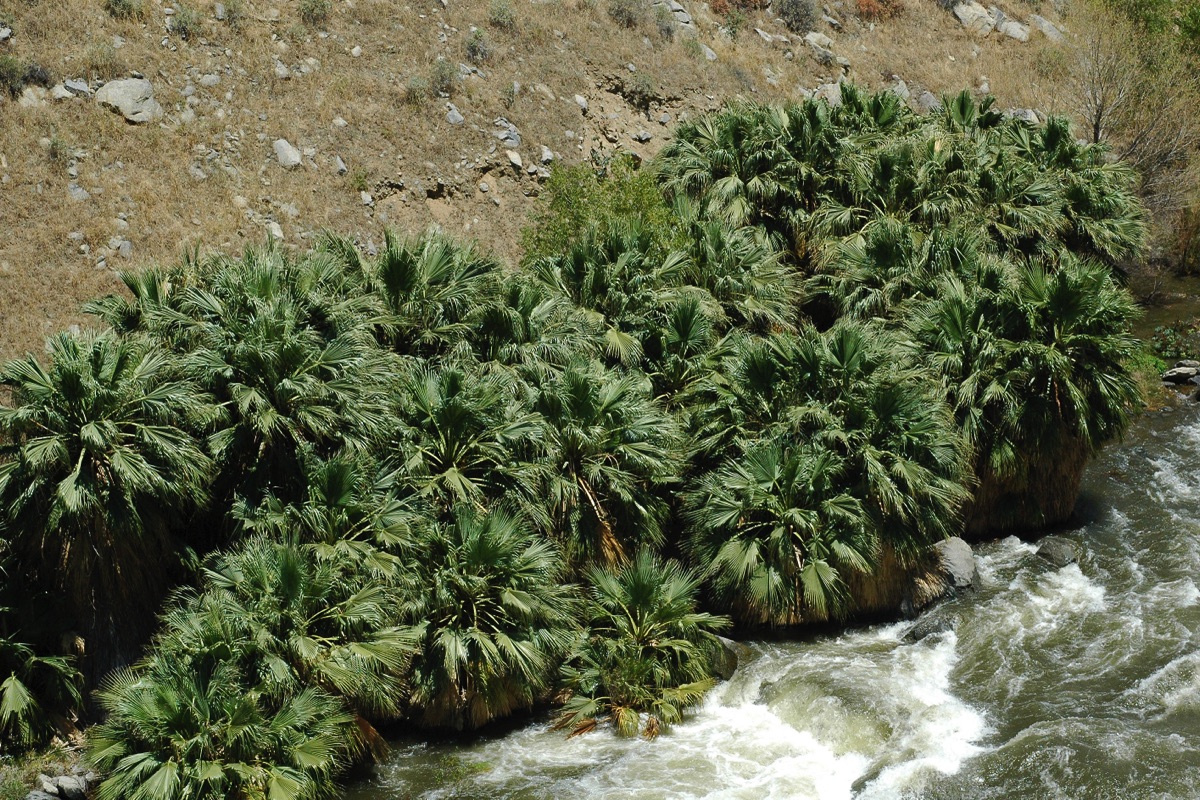
Washingtonia
![Coccothrinax crinita - from Cuba, this specimen growing in Hawaii [photo courtesy of Terri Weese]](images/arecaceae/7B104C134A234C3FA69DCEE02CE5591D/DSCN7240_mod21_tlw.jpg "Coccothrinax crinita - from Cuba, this specimen growing in Hawaii [photo courtesy of Terri Weese]")
Coccothrinax crinita - from Cuba, this specimen growing in Hawaii [photo courtesy of Terri Weese]
![Coconut; Hawaii [Photo courtesy of Terri Weese]](images/arecaceae/7B104C134A234C3FA69DCEE02CE5591D/DSCN7259_mod21_tlw.jpg "Coconut; Hawaii [Photo courtesy of Terri Weese]")
Coconut; Hawaii [Photo courtesy of Terri Weese]
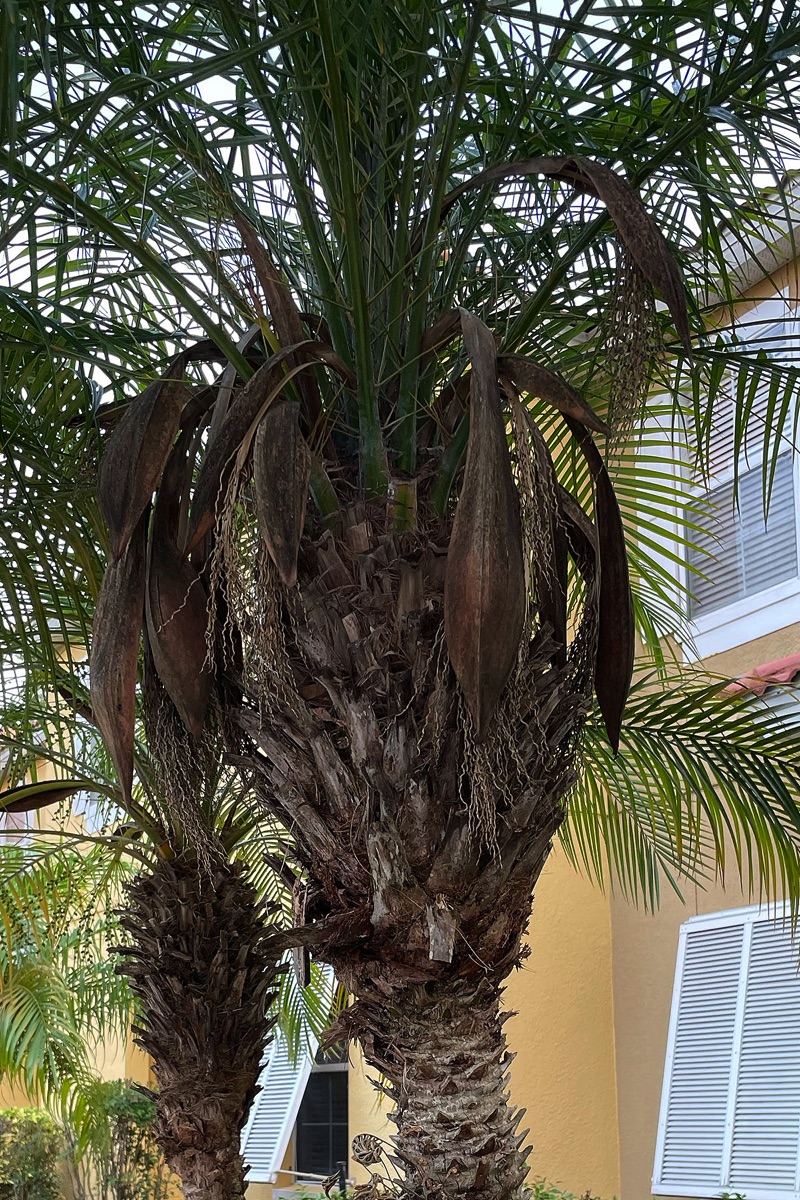
Palm inflorescences are typically subtended by a bract called a spathe. Here, spathes are clearly visible.
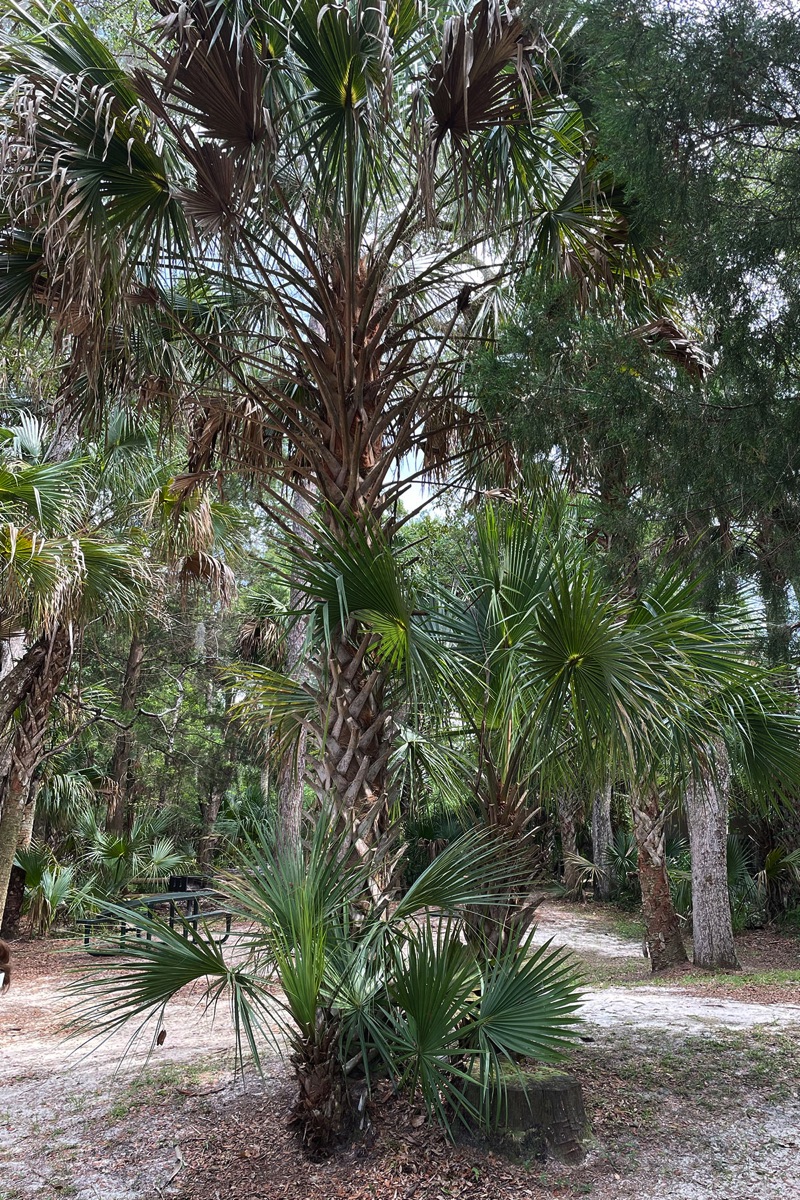
Sabal palmetto. Native to florida.
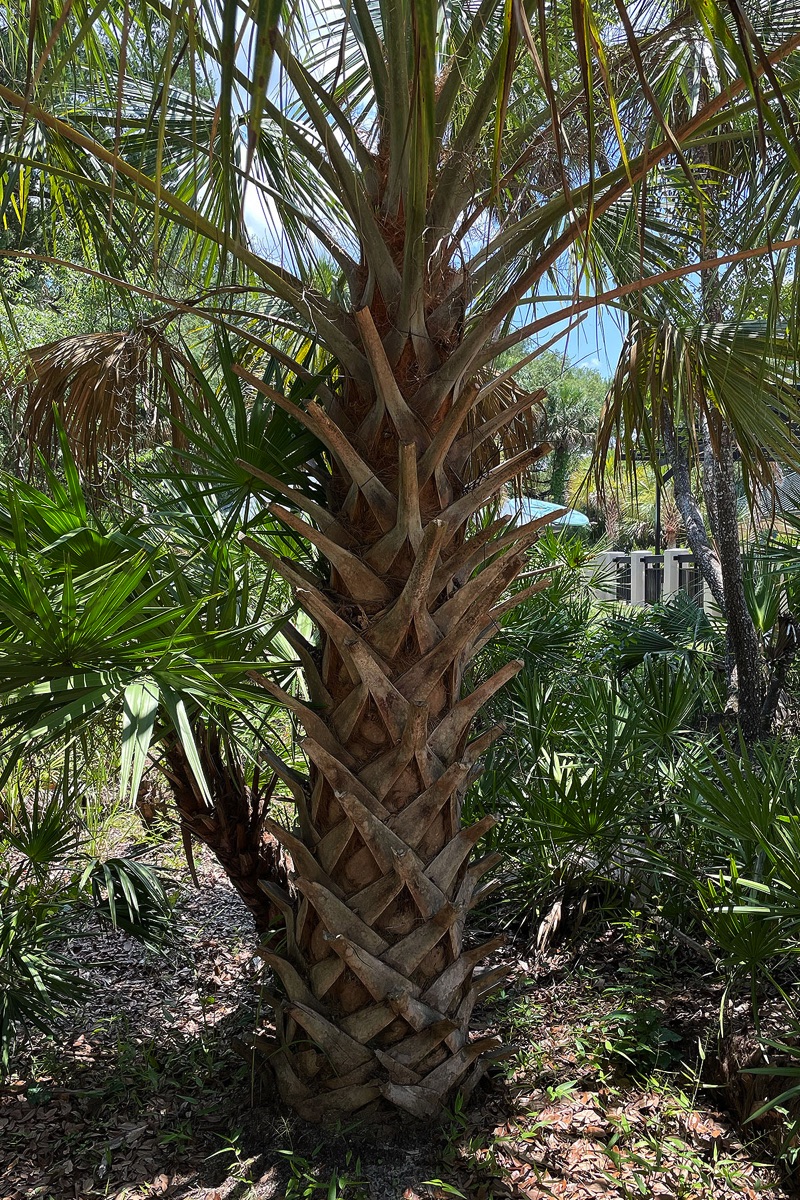
Sabal palmetto - note the expanded petiole bases that split as the trunk thickens (not true secondary growth). if removed, these leaf bases leave scars encircling the trunk
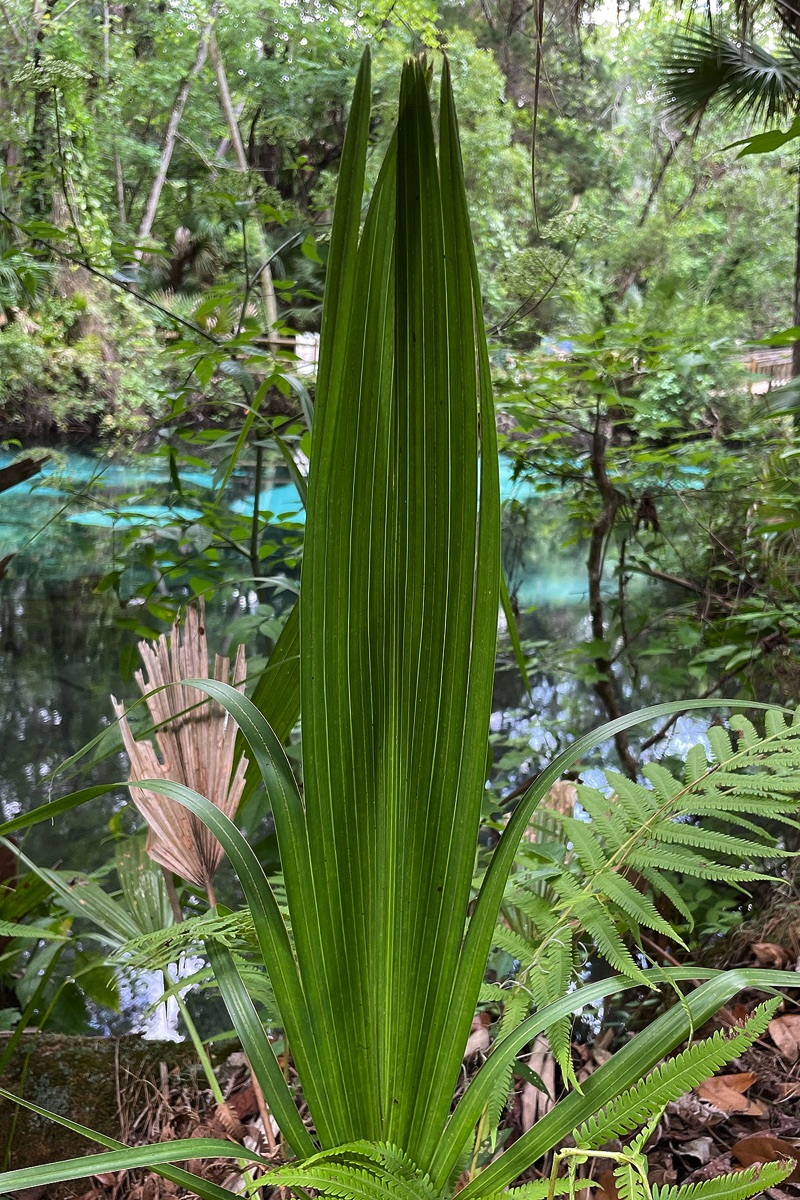
Young Sabal palmetto leaf showing taht these palmate leaves are really simply in origin although they may appear compound when more mature.
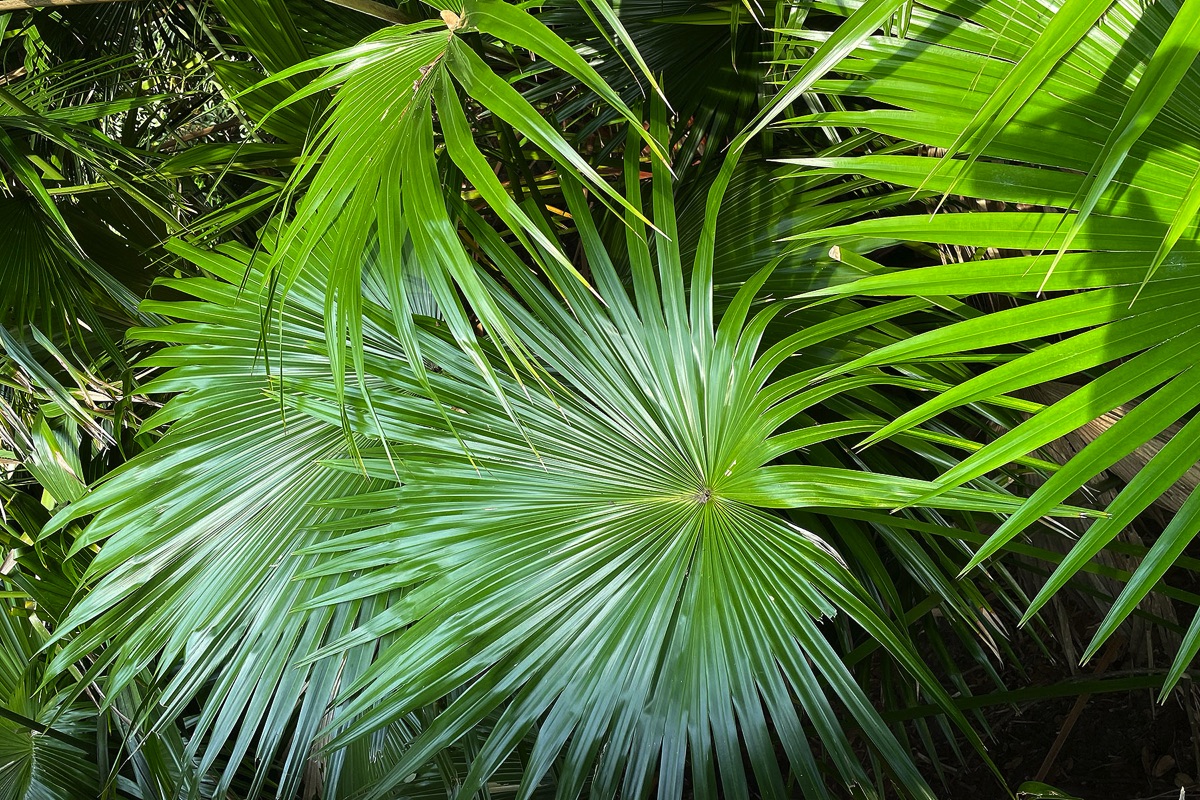
Sabal palmetto - leaves.
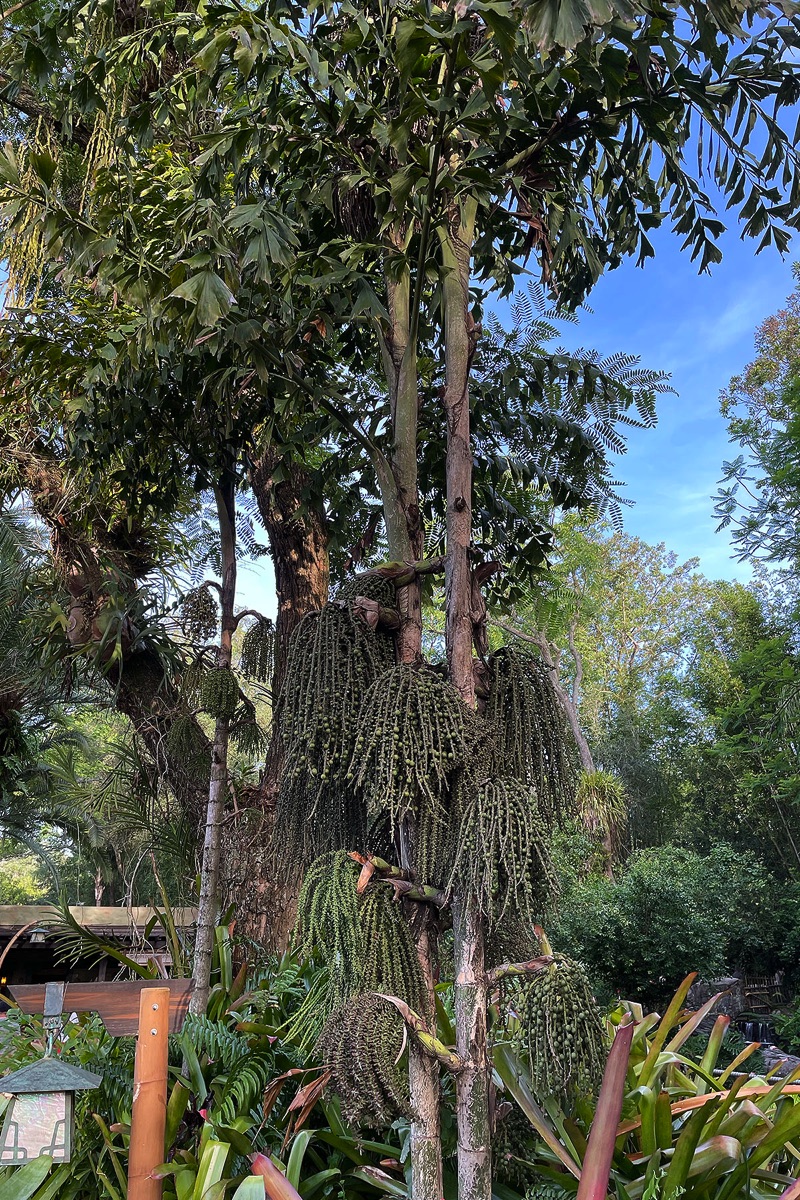
Socratea exorrhiza at Disney World.
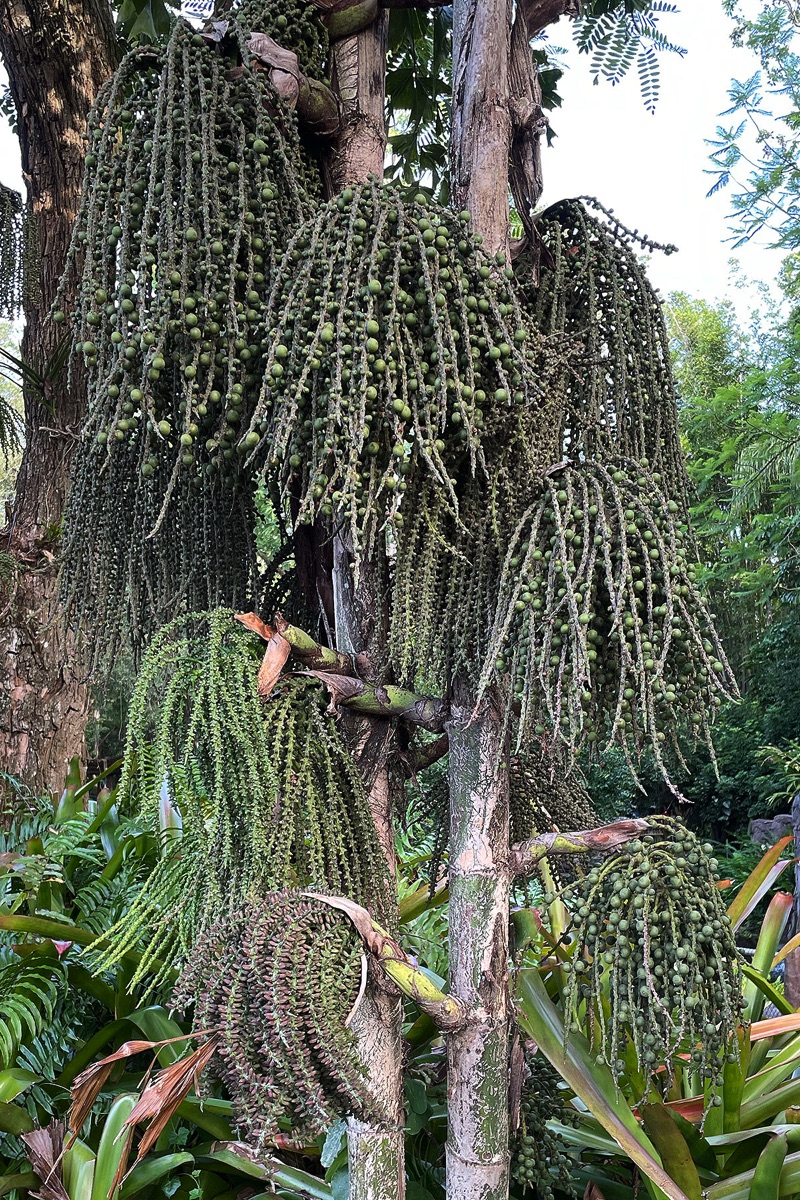
Socratea exorrhiza - infructesences.
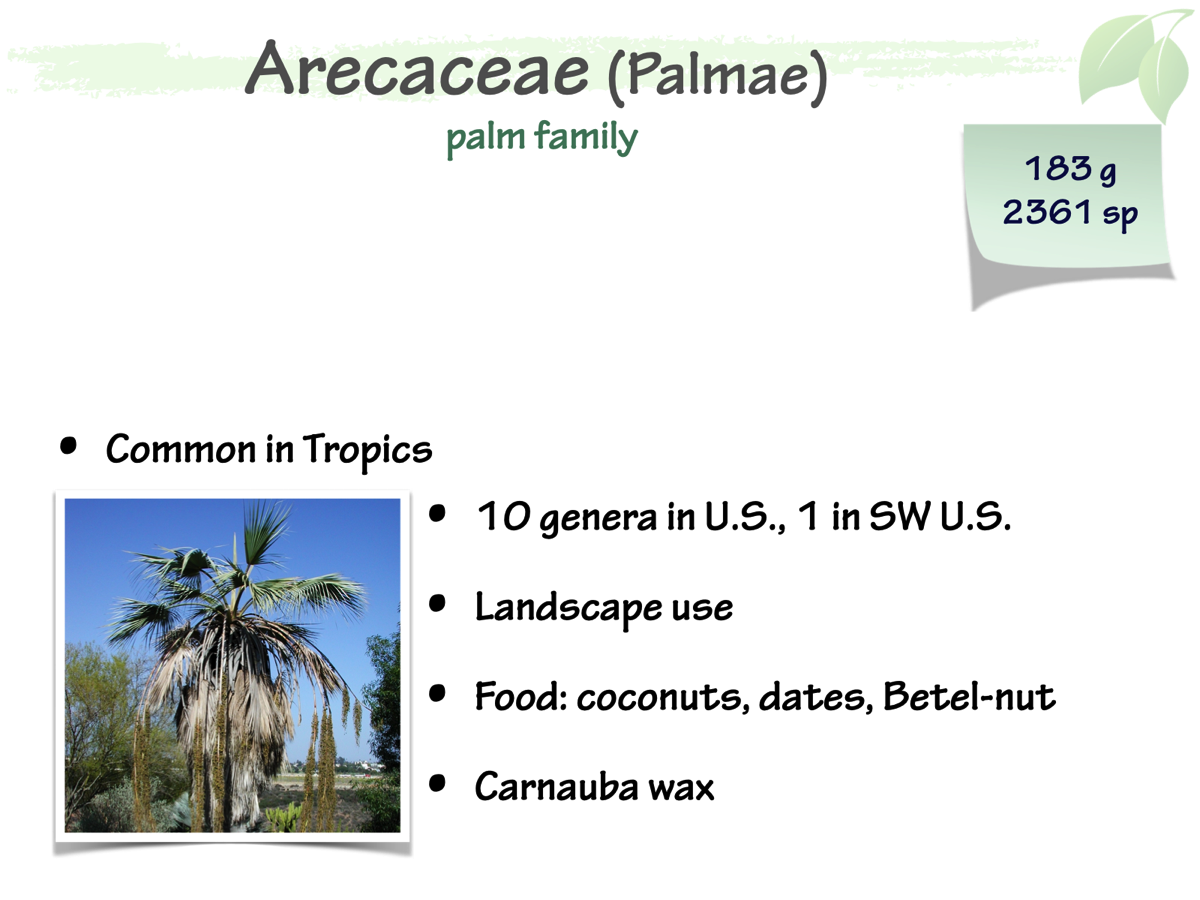
Arec01.png
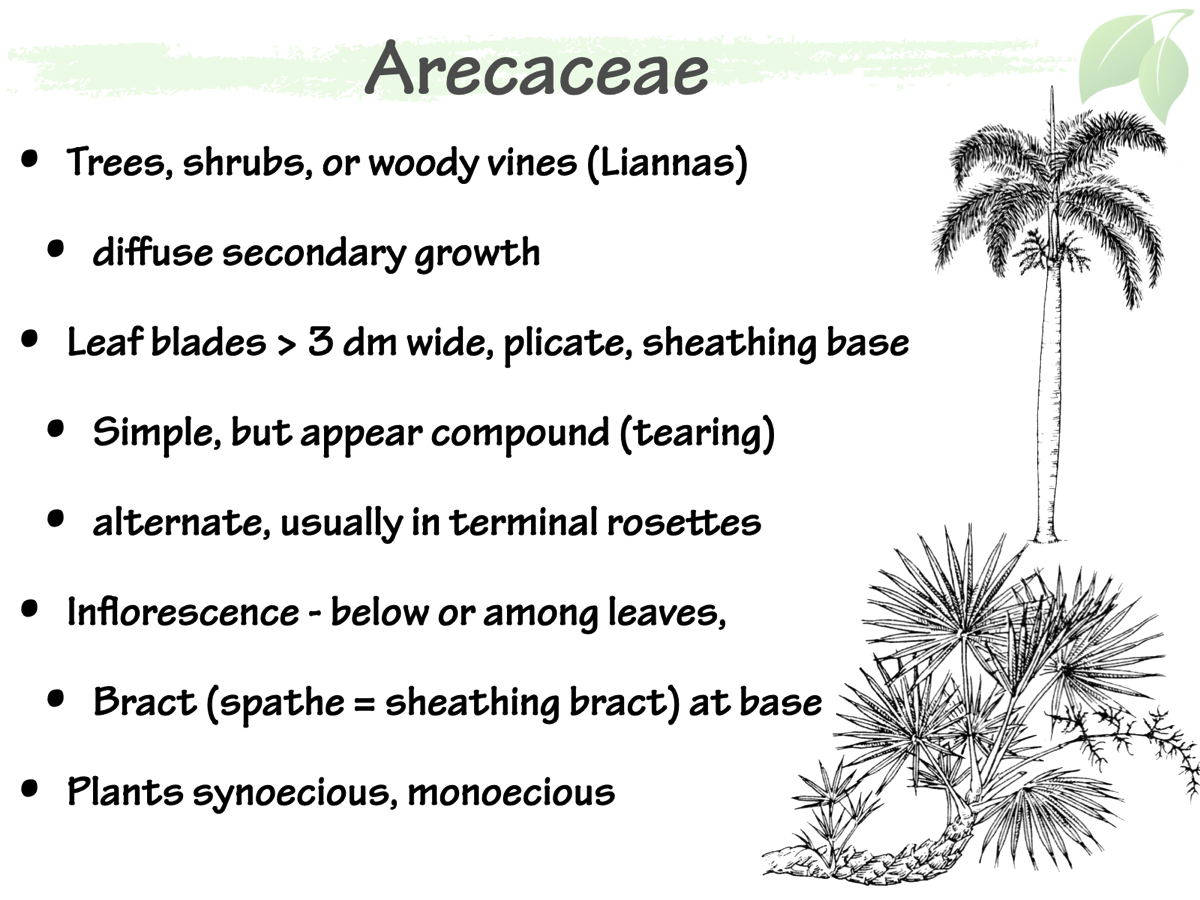
Arec02.png
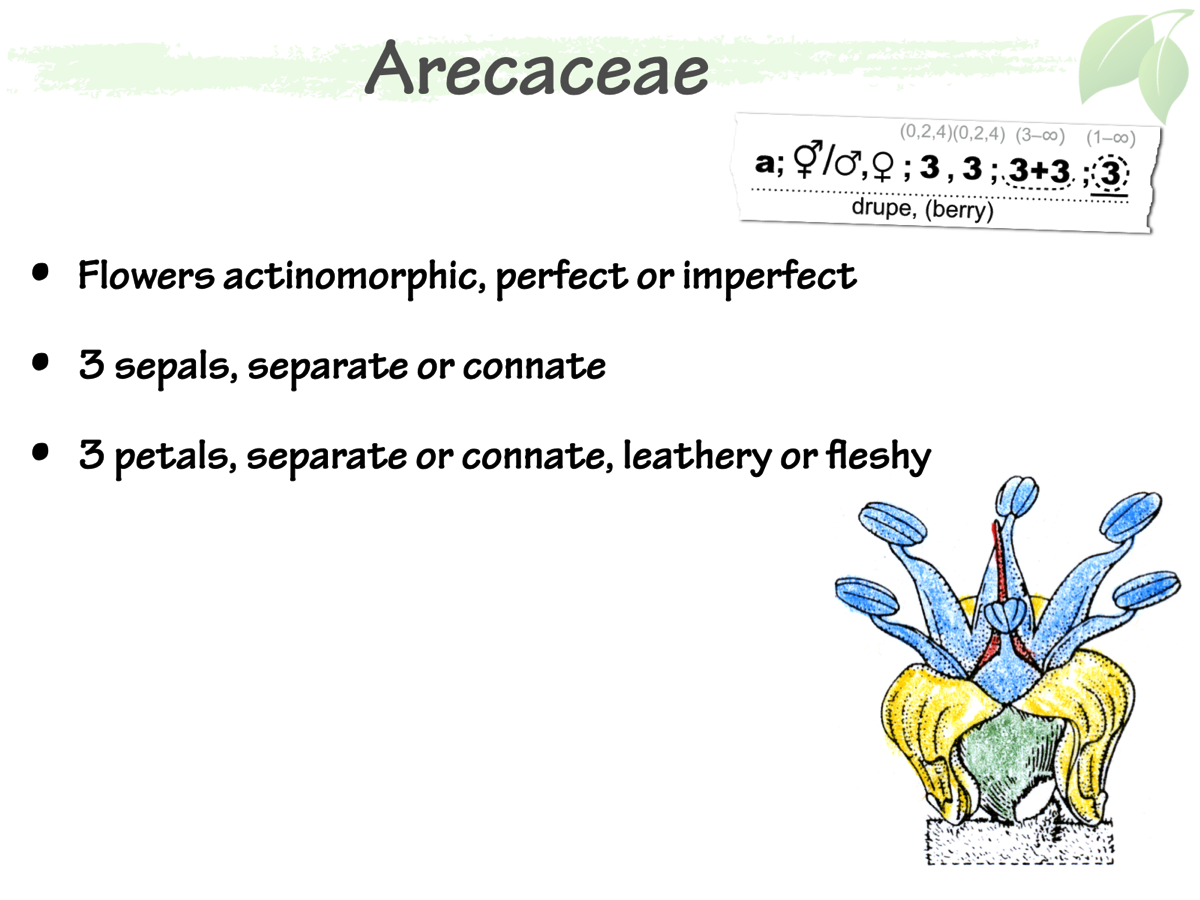
Arec03.png
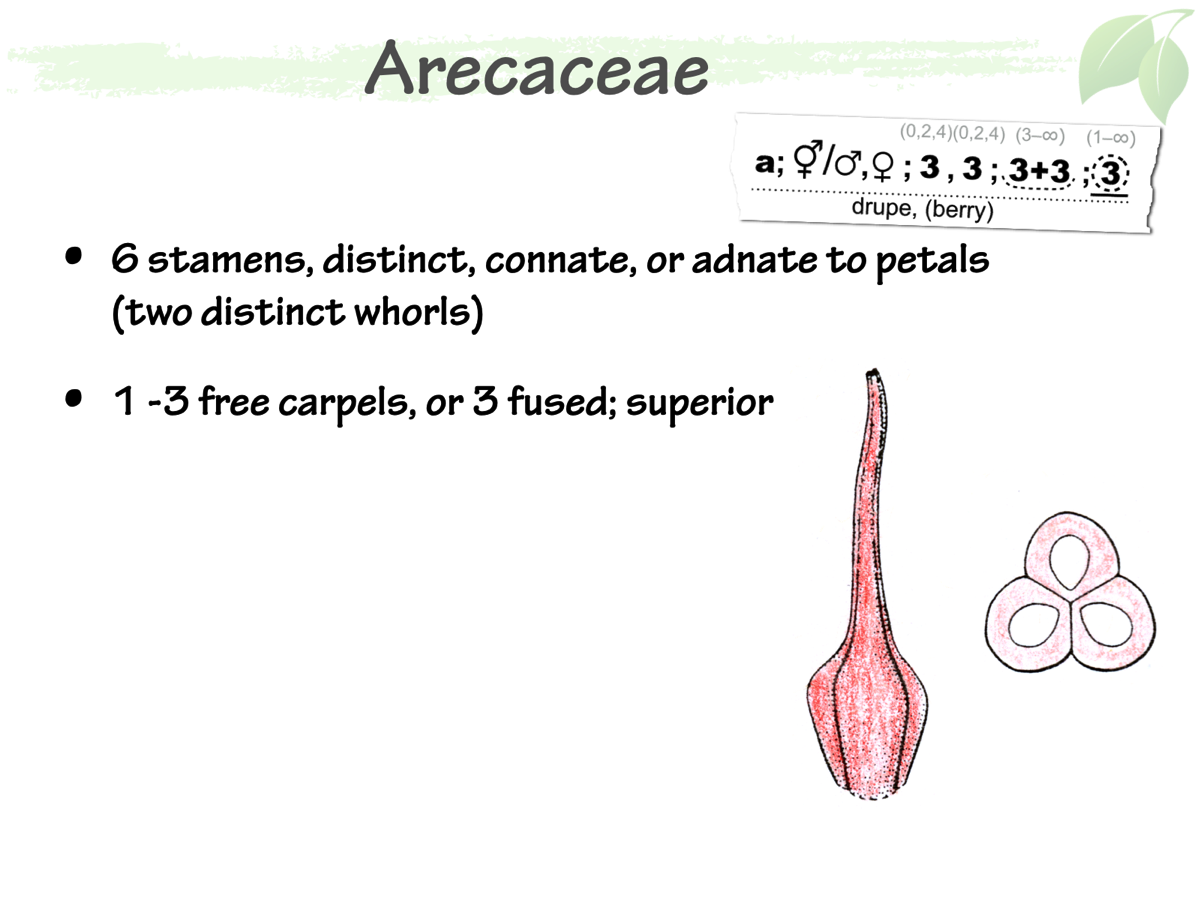
Arec04.png