Contemporary Circumscription Compared with A Utah Flora 4th ed.
Bio430
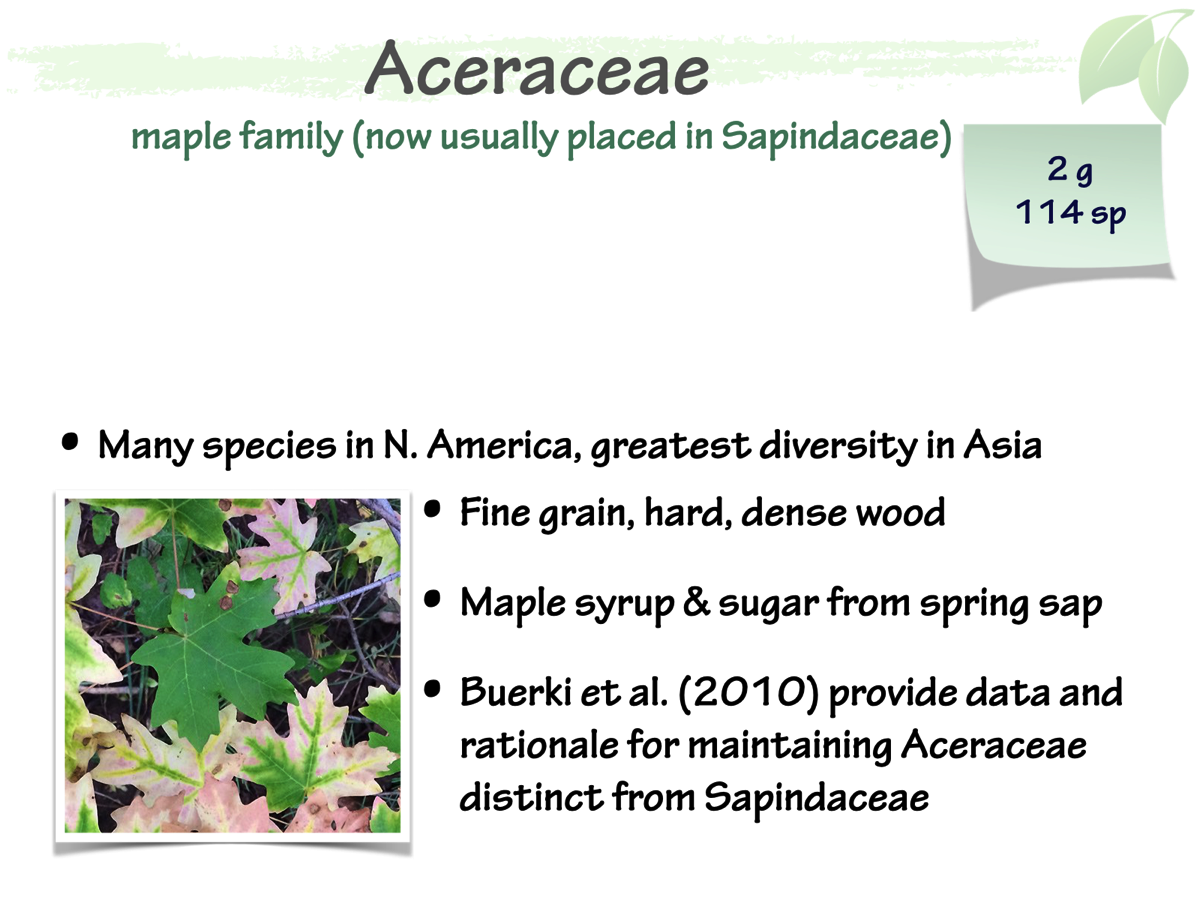
Aceraceae sometimes treated in Sapindaceae
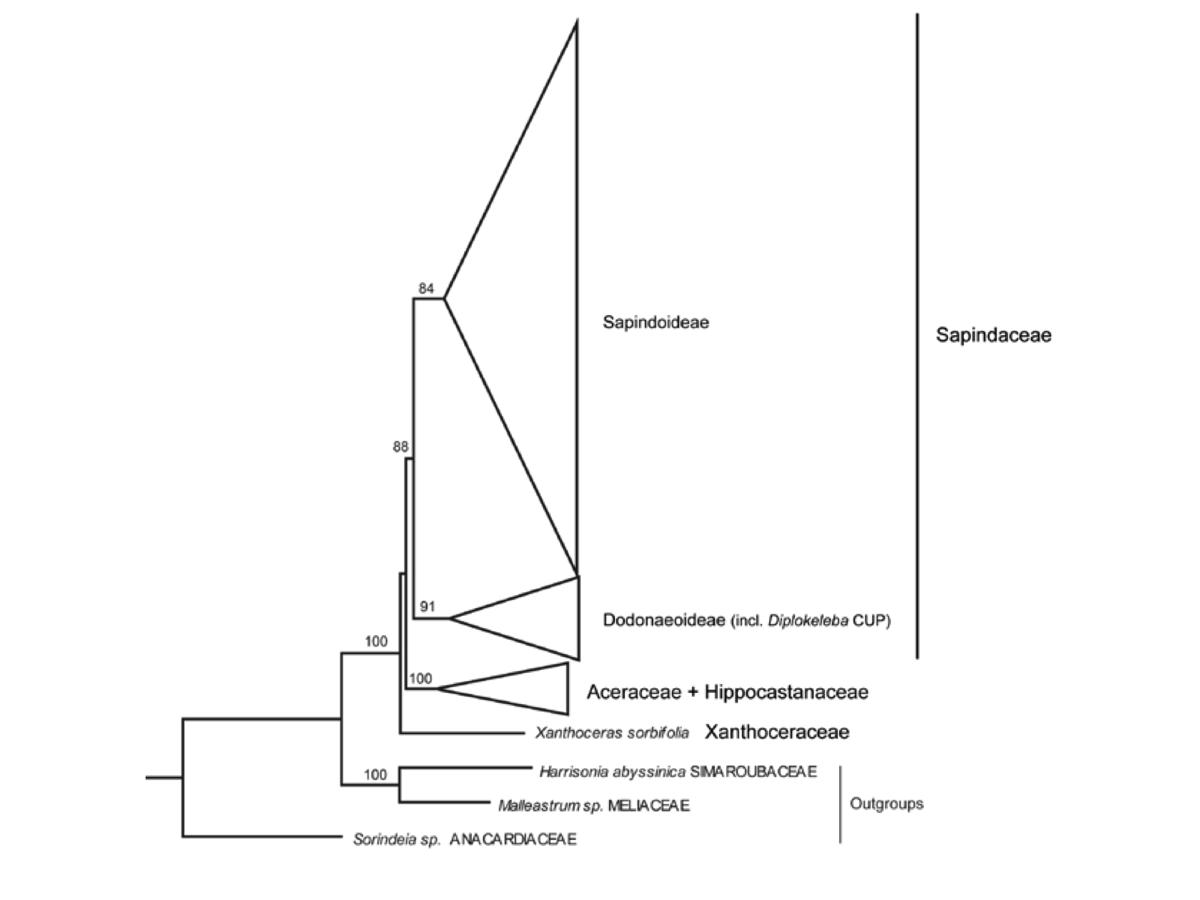
Aceraceae has generally been recognized as a distinct family housing just the genus Acer, and two species from China in the genus Dipteronia. A relationship with Hippocastenaceae (Horse Chestnuts) and Sapindaceae has long been recognized. Modern phylogenetic work solidifies this relationship and many have favored placing the former two families in Sapindaceae so that Sapindaceae is not paraphyletic. An alternative proposed in 2010 is to keep Aceraceae and Hippocastenaceae separate, creating a third family, Xanthoceraceae for a monotypic genus from China traditionally placed in Sapindaceae, which renders the remainder of Sapindaceae monophyletic.
Key Features
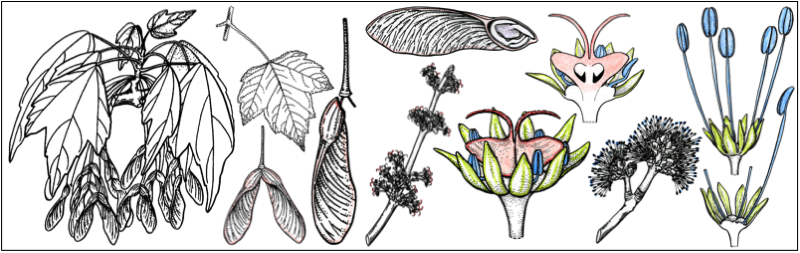
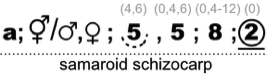
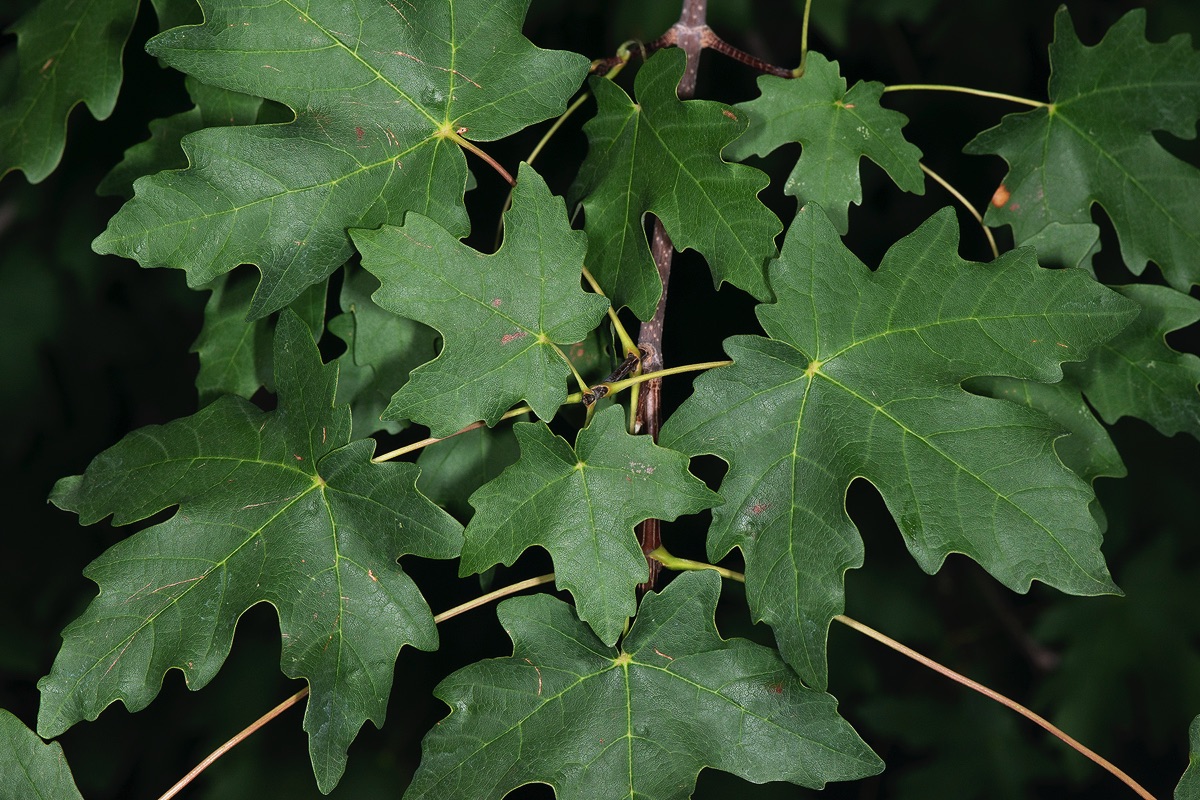
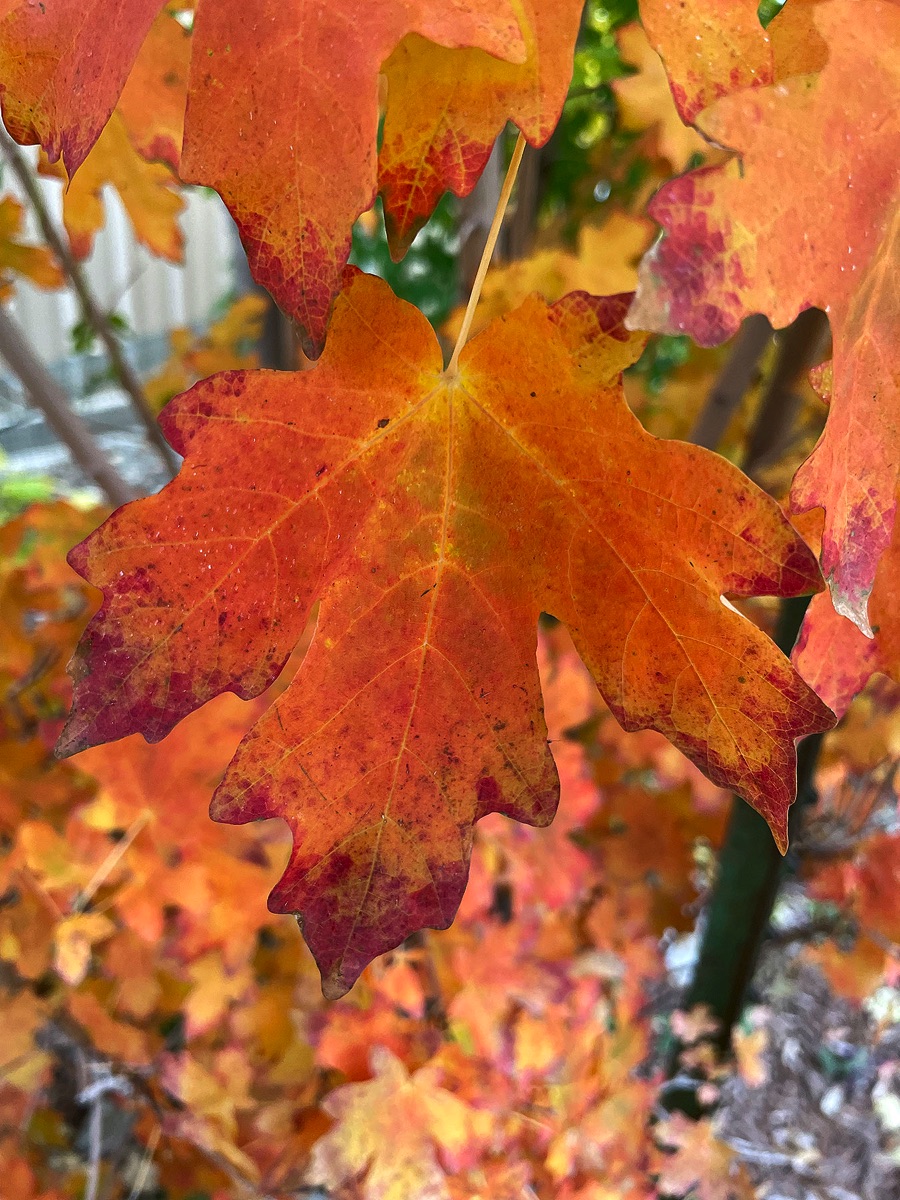
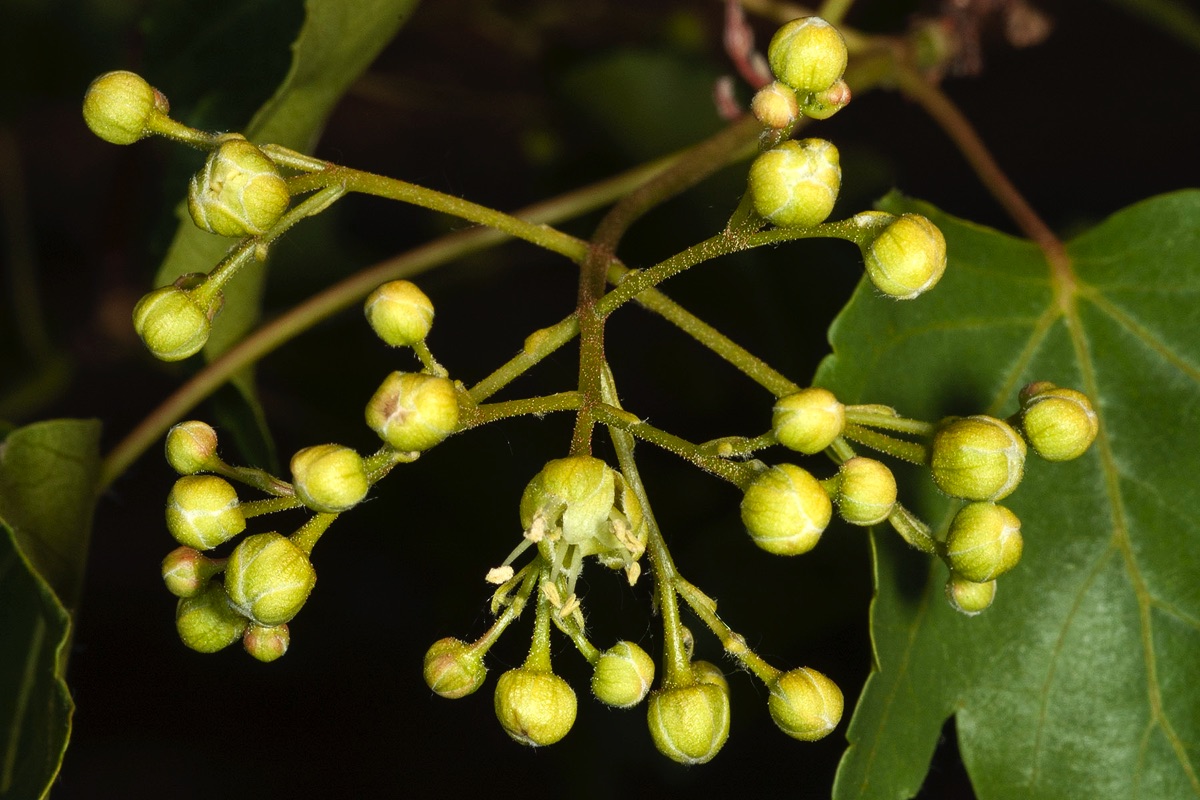
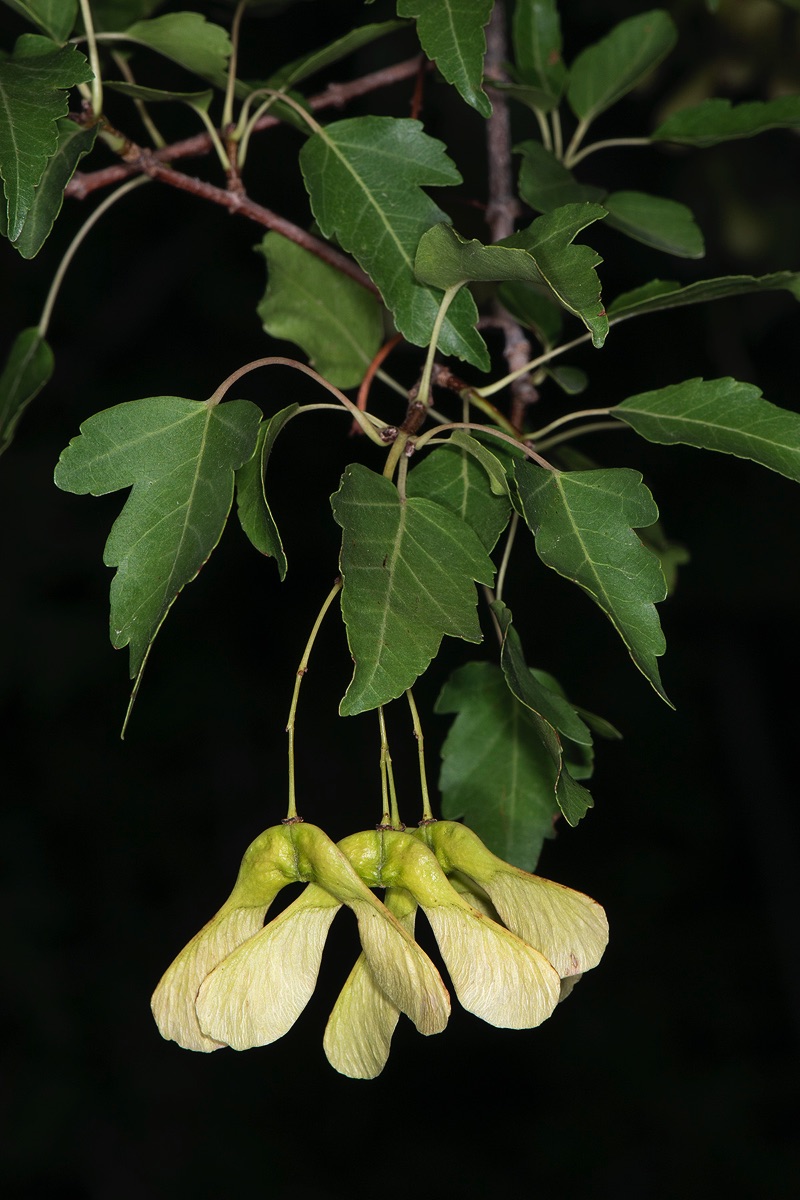
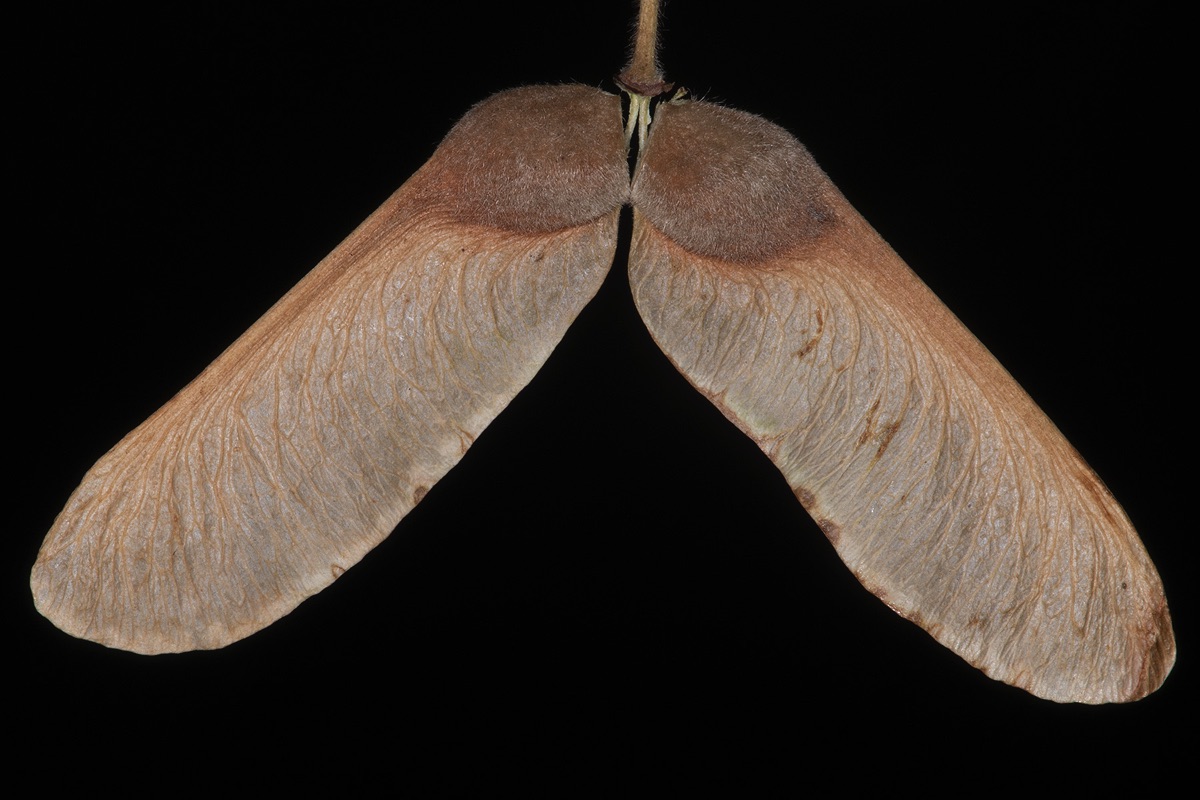
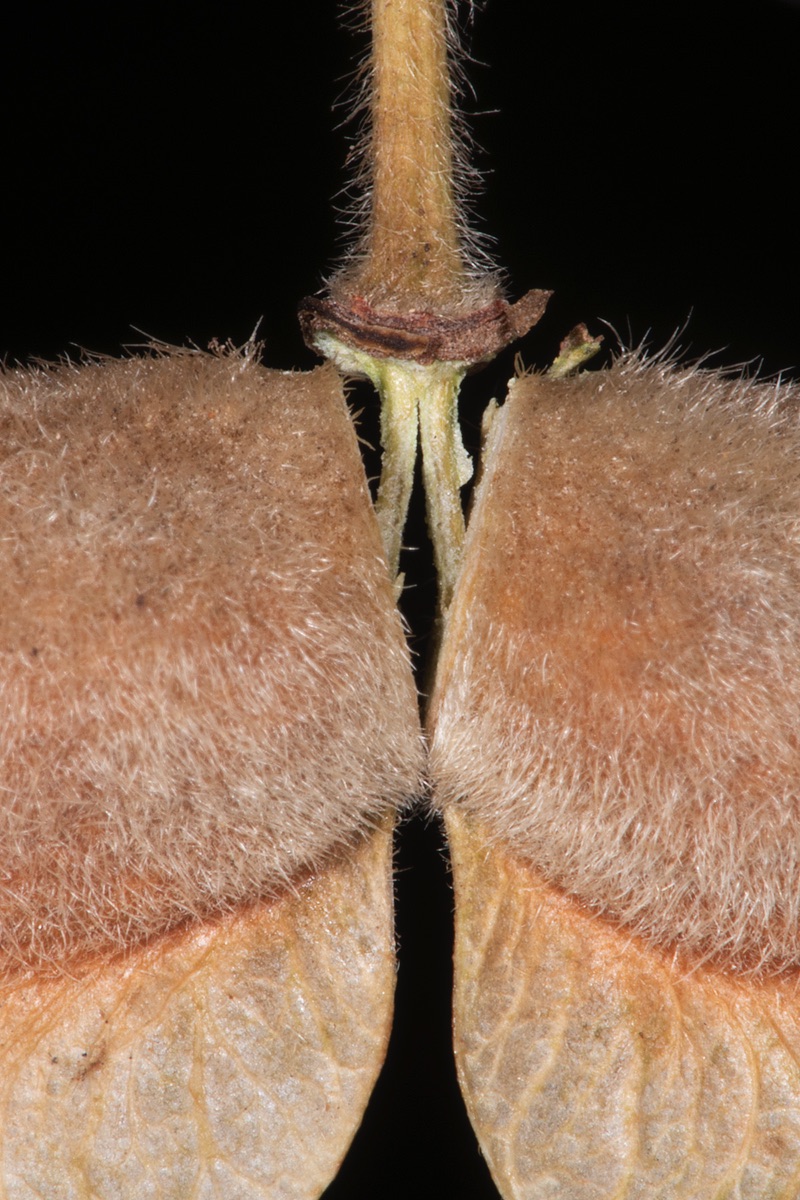
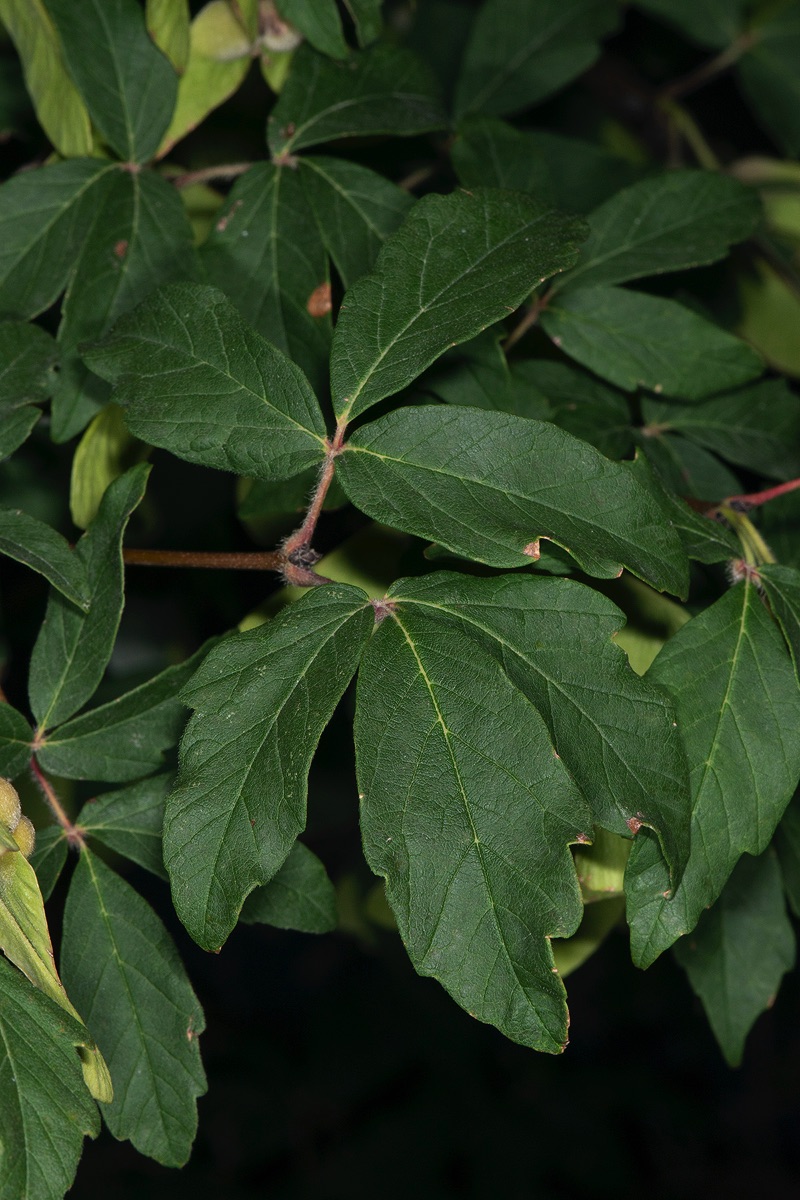
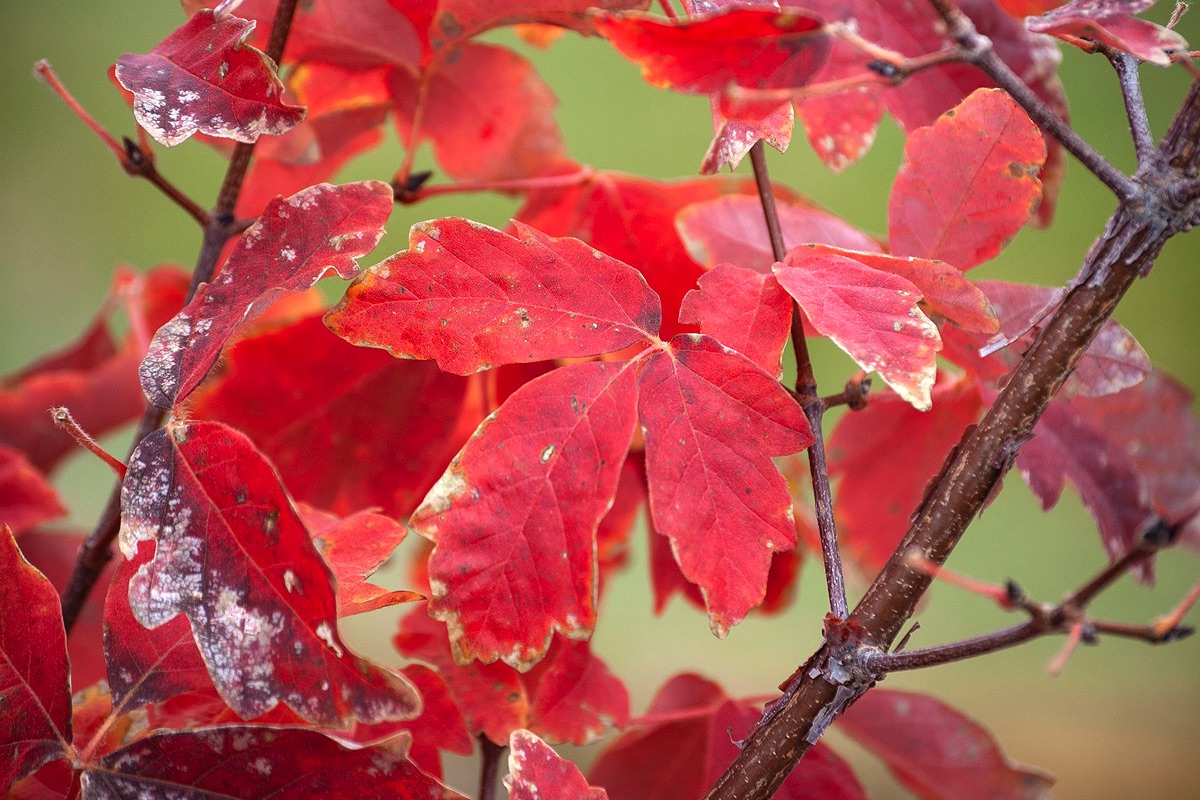
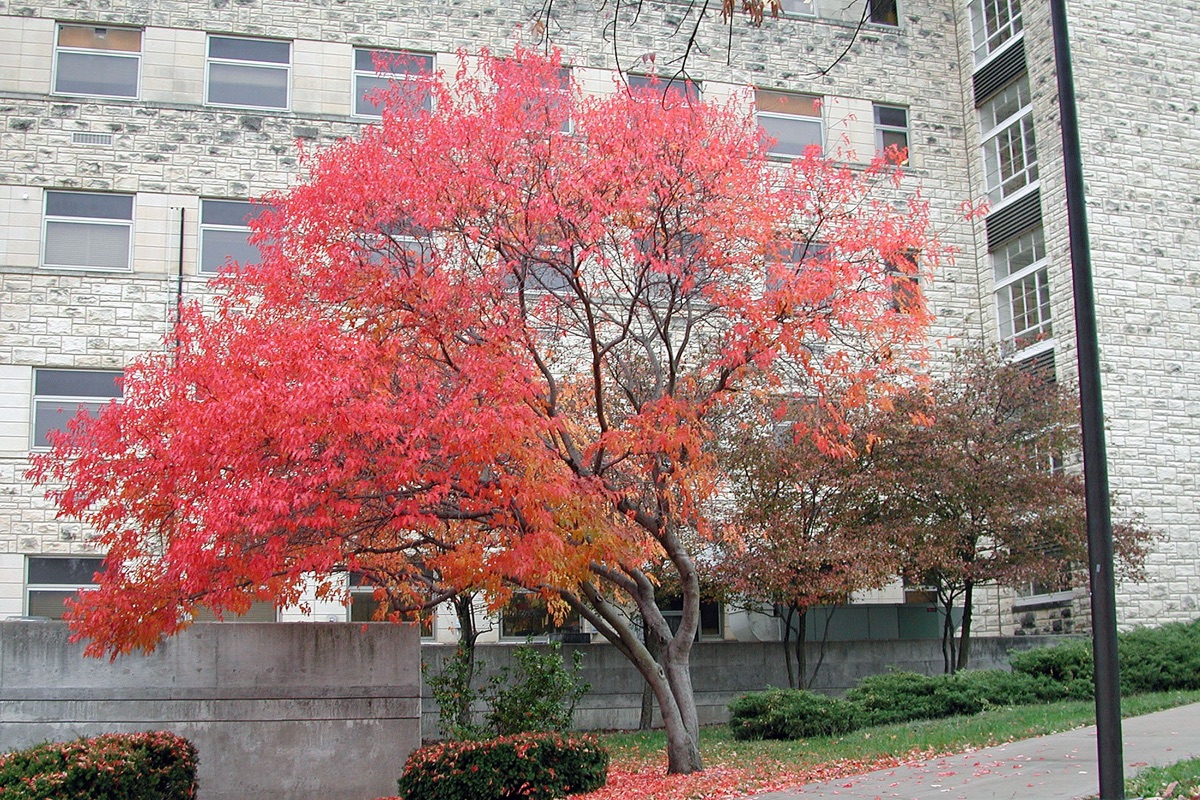
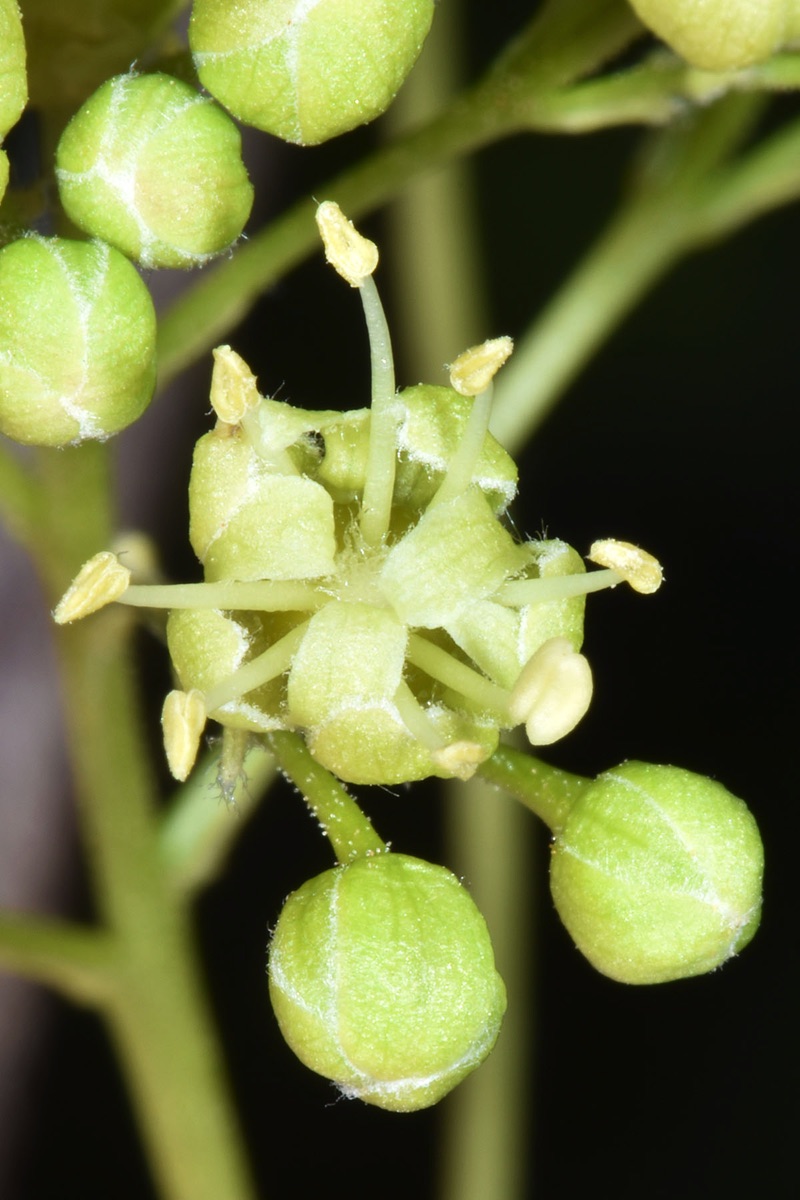
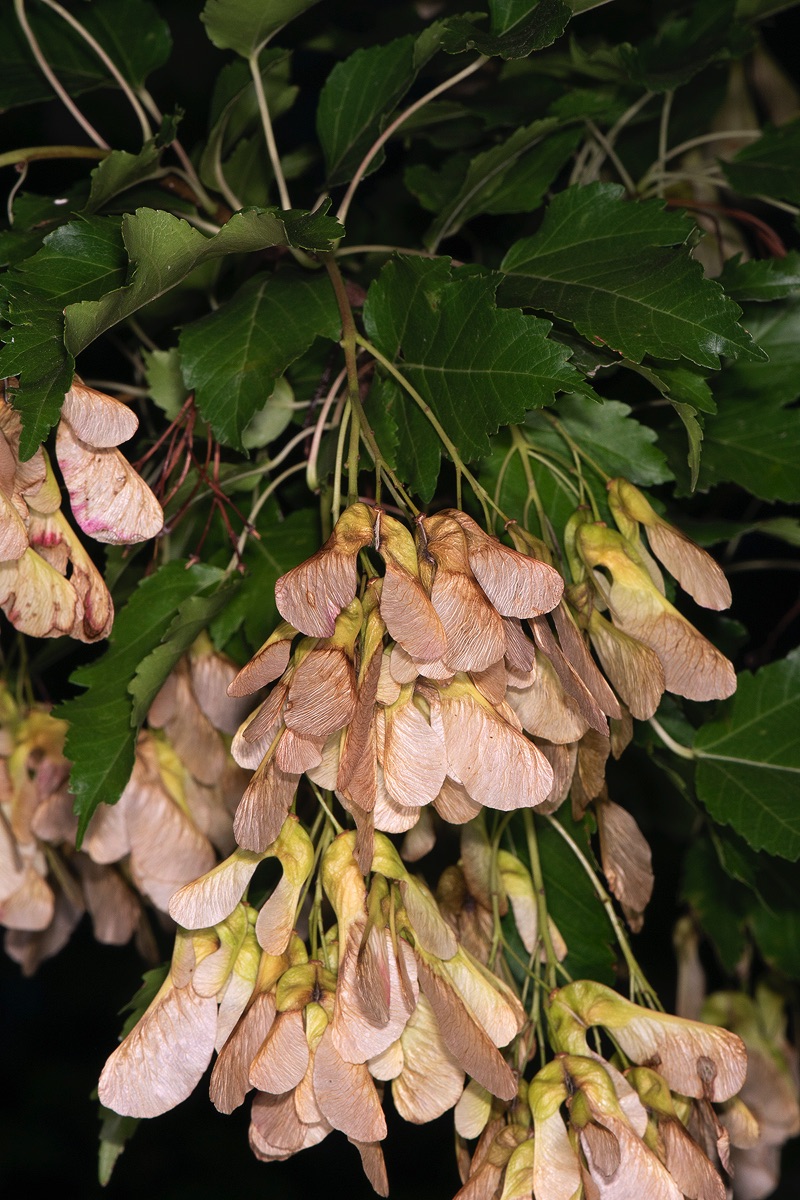
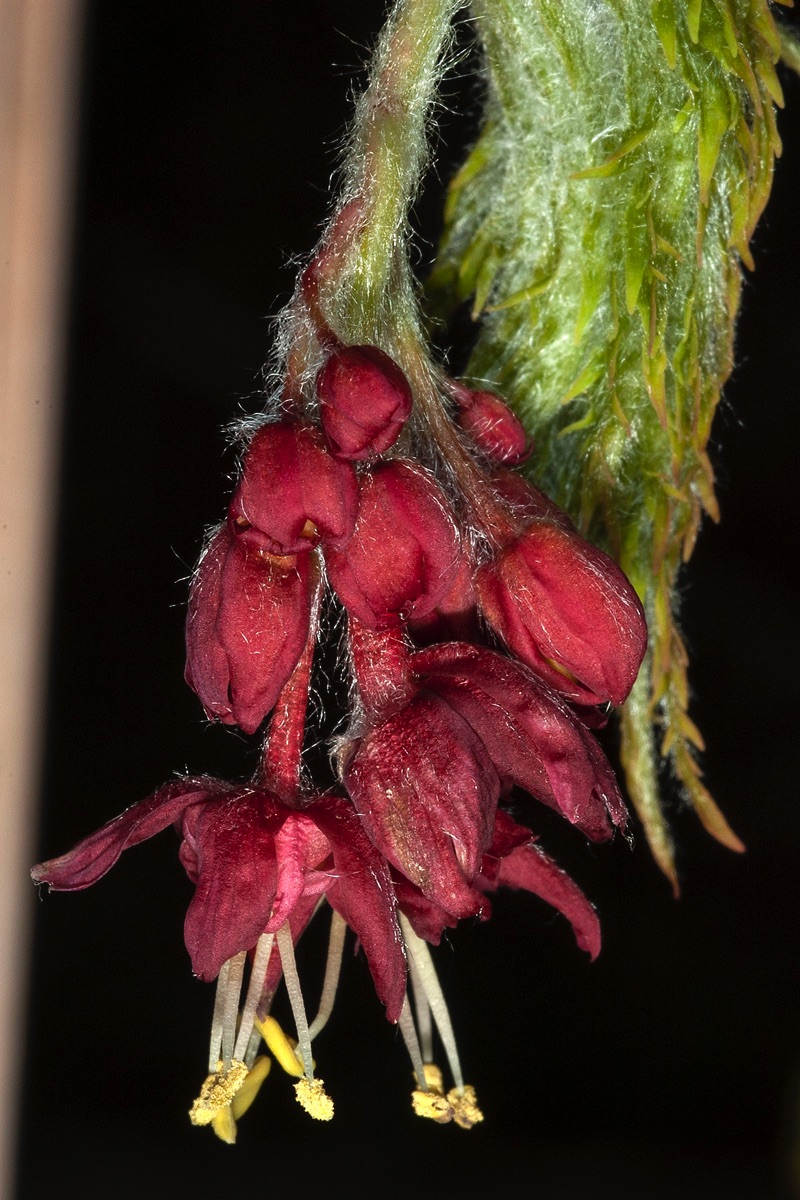
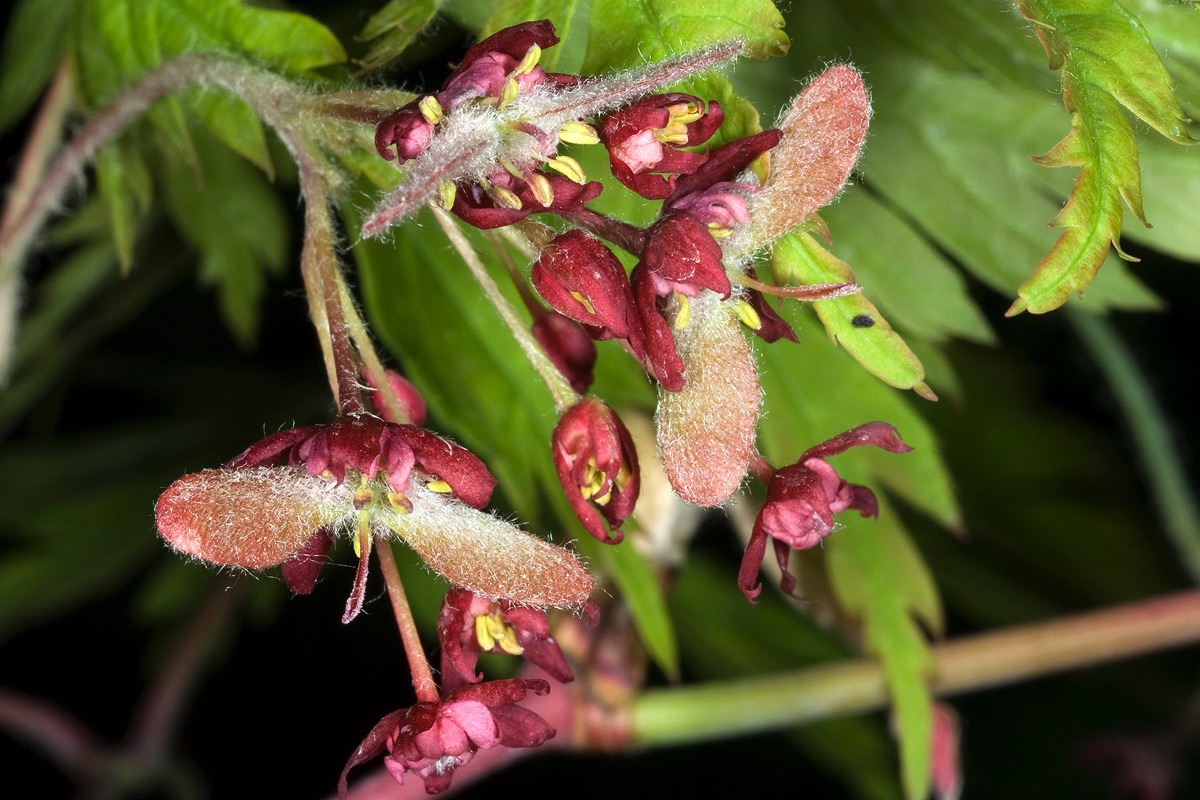
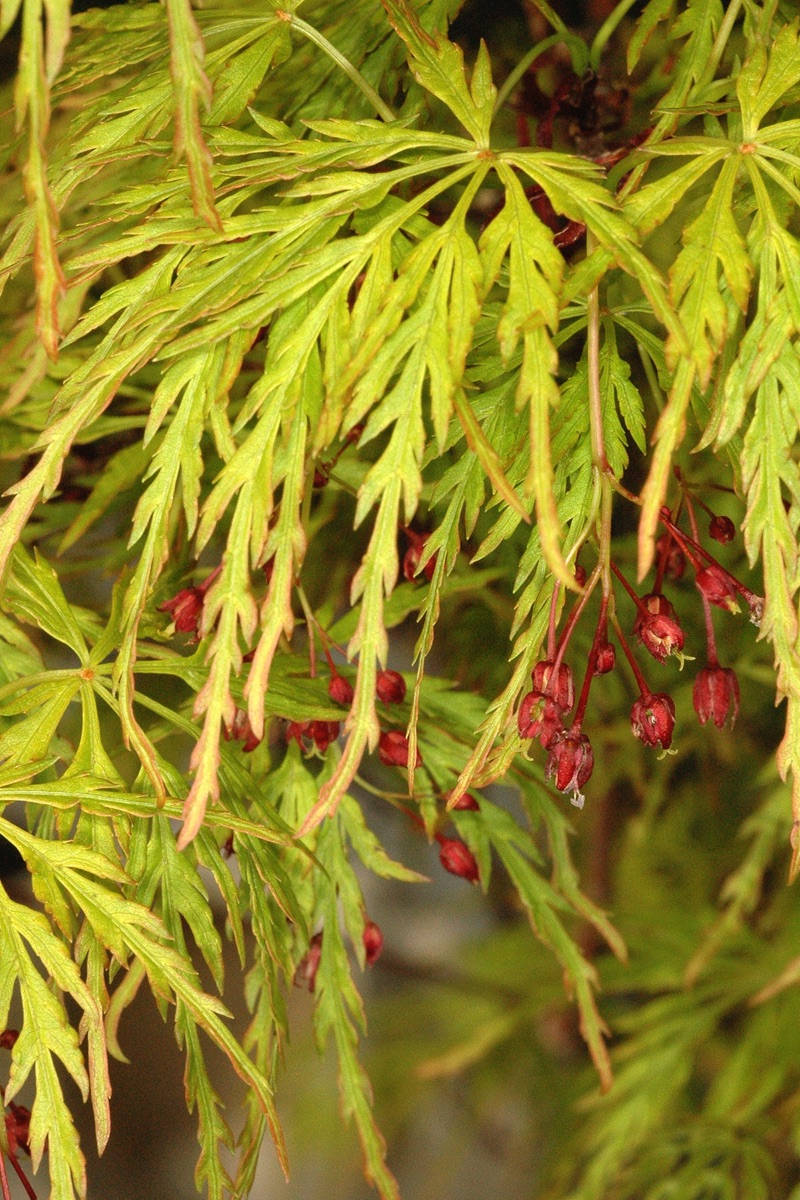
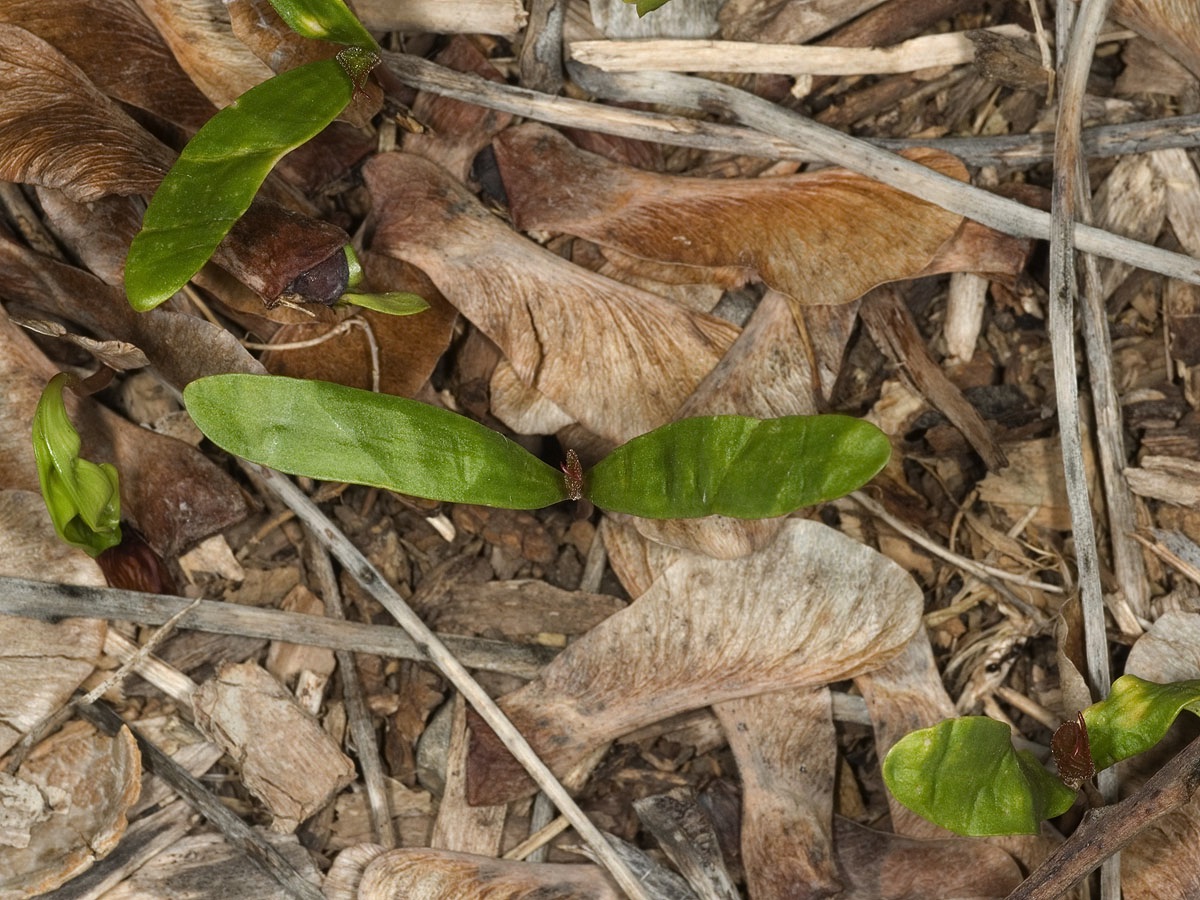
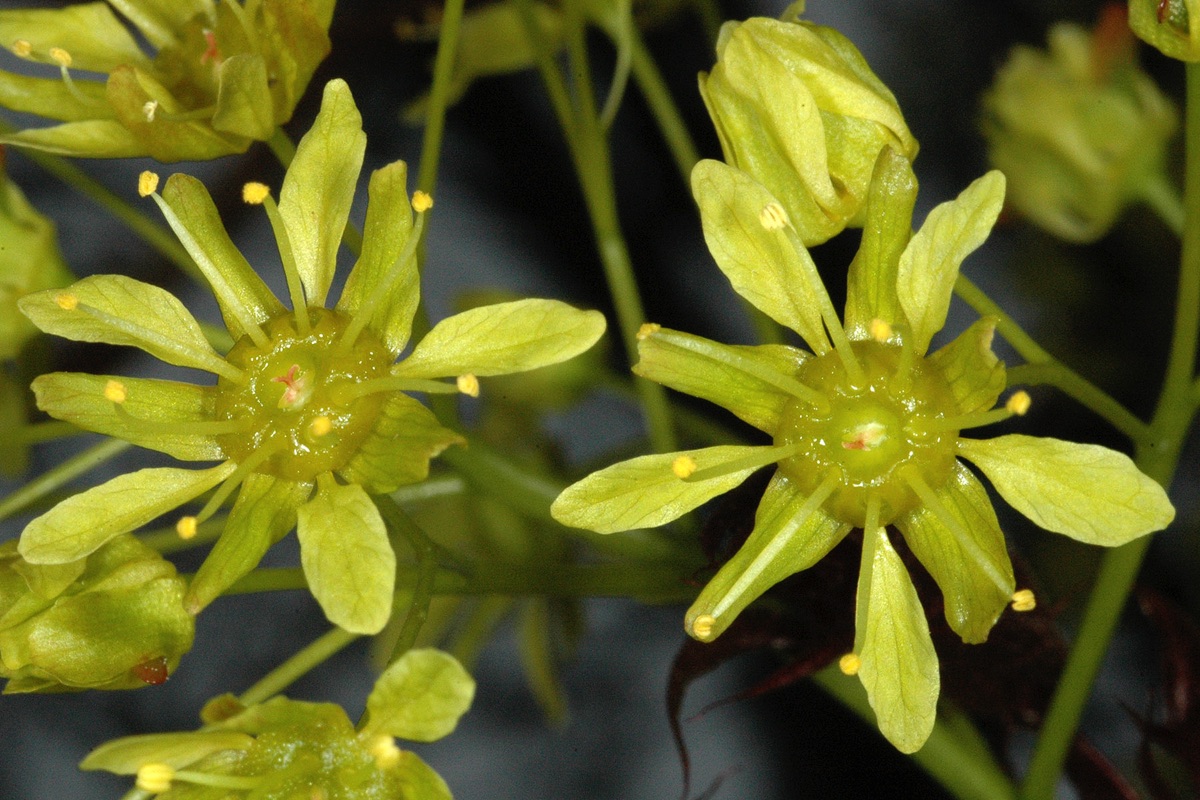
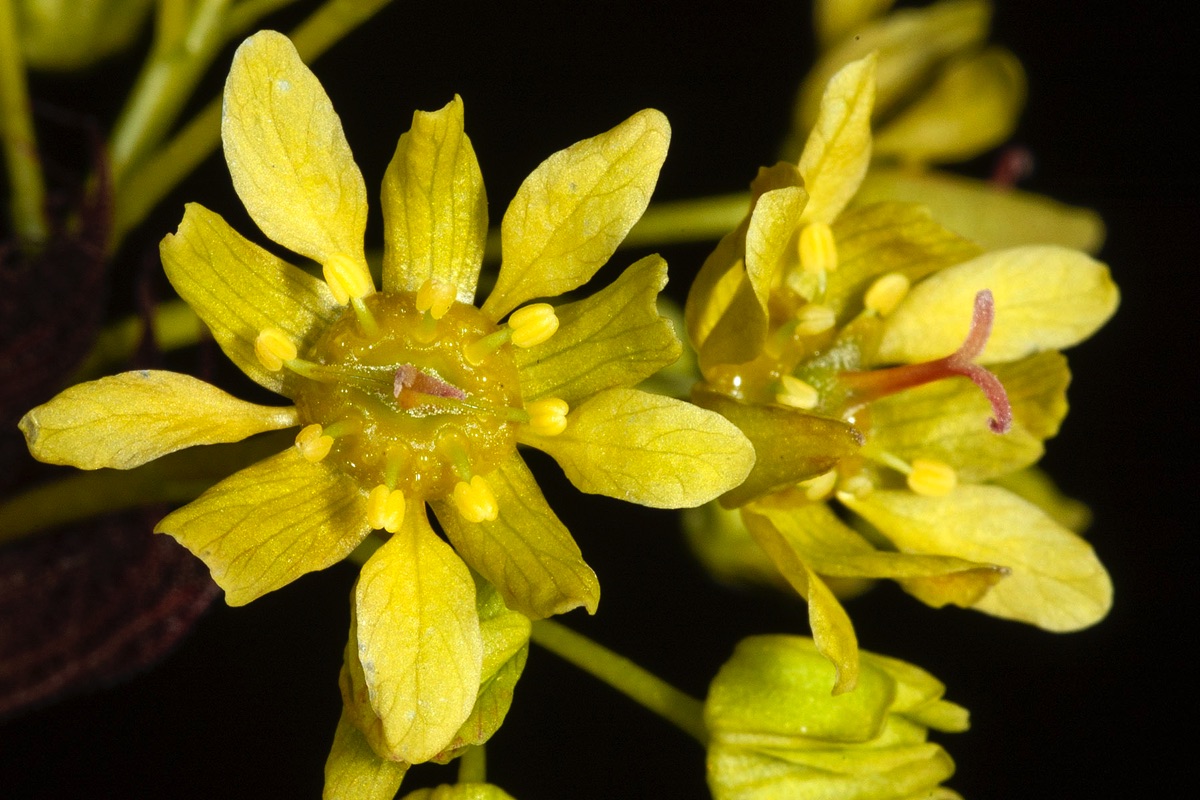
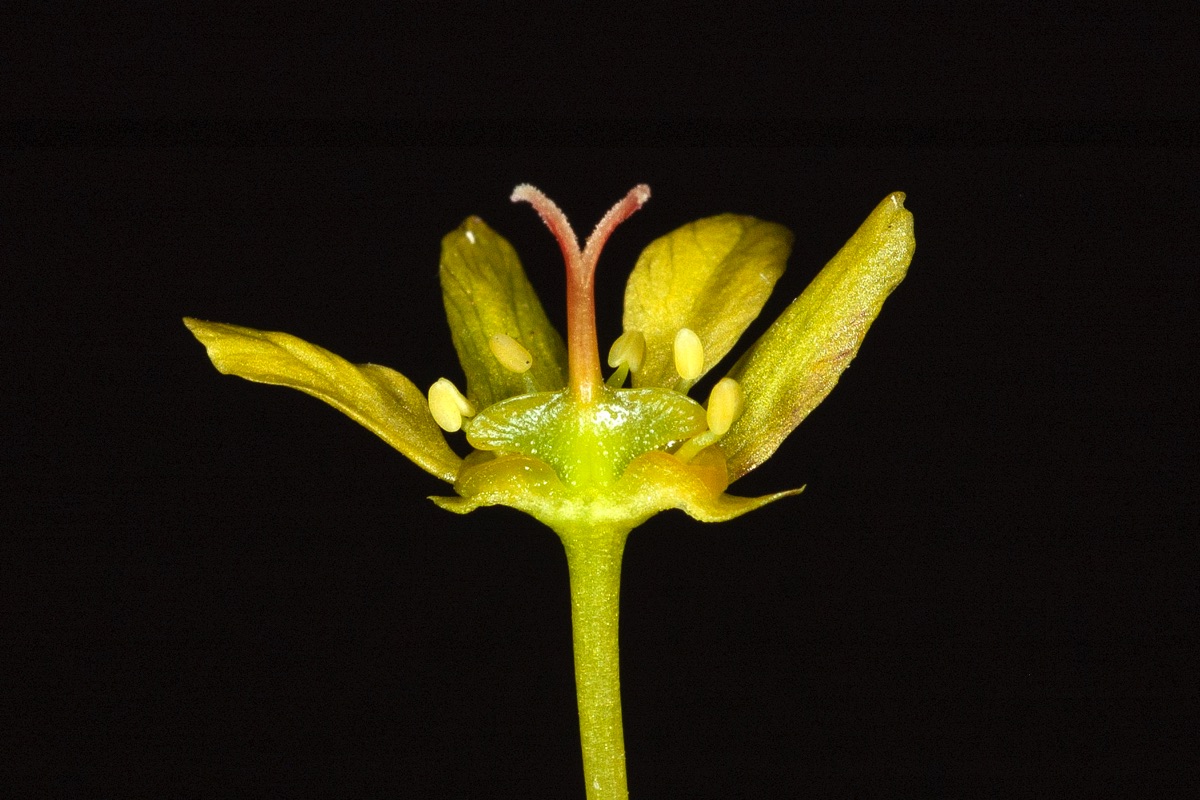
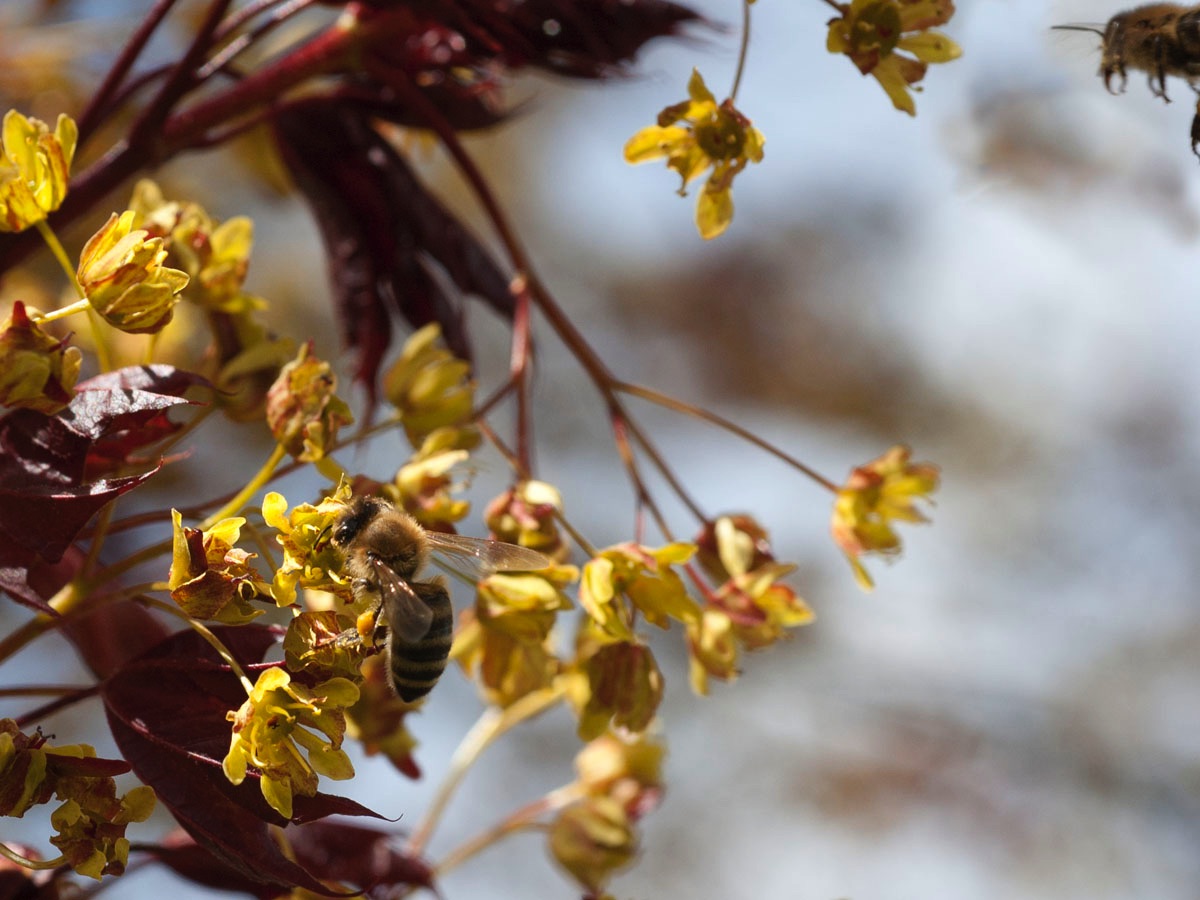
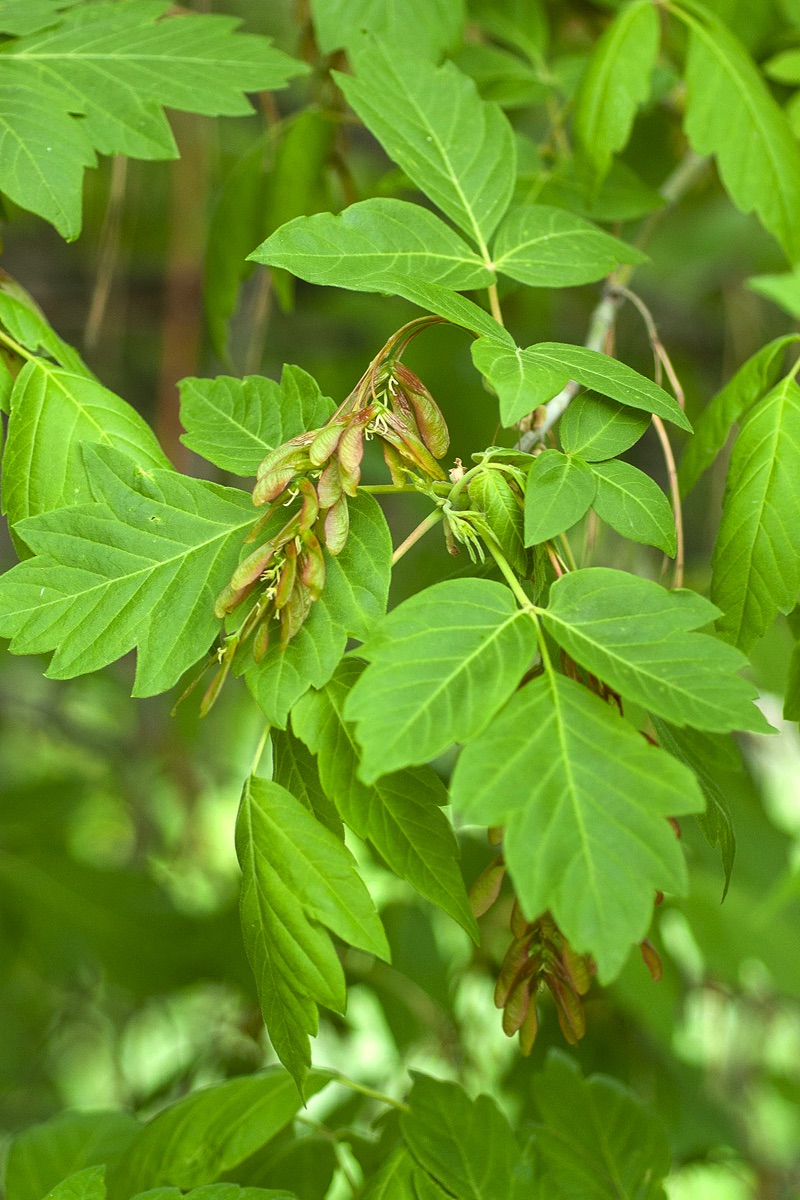
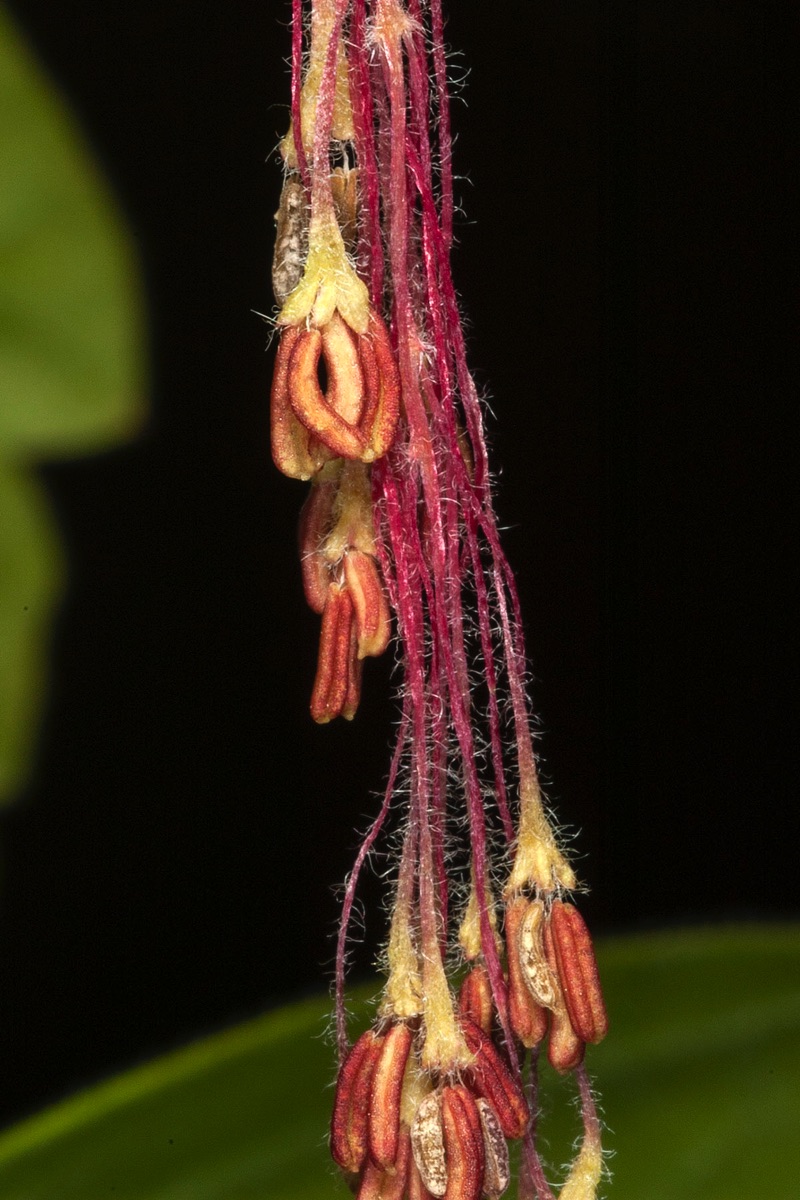
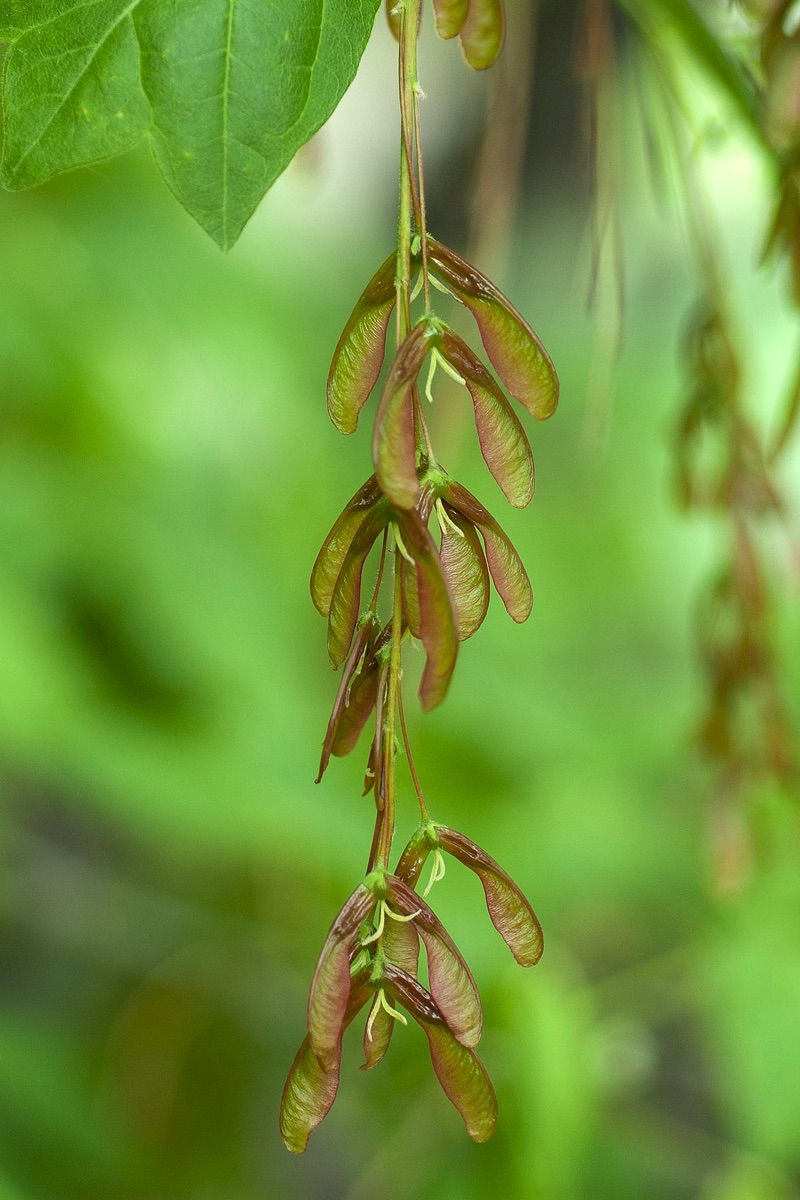
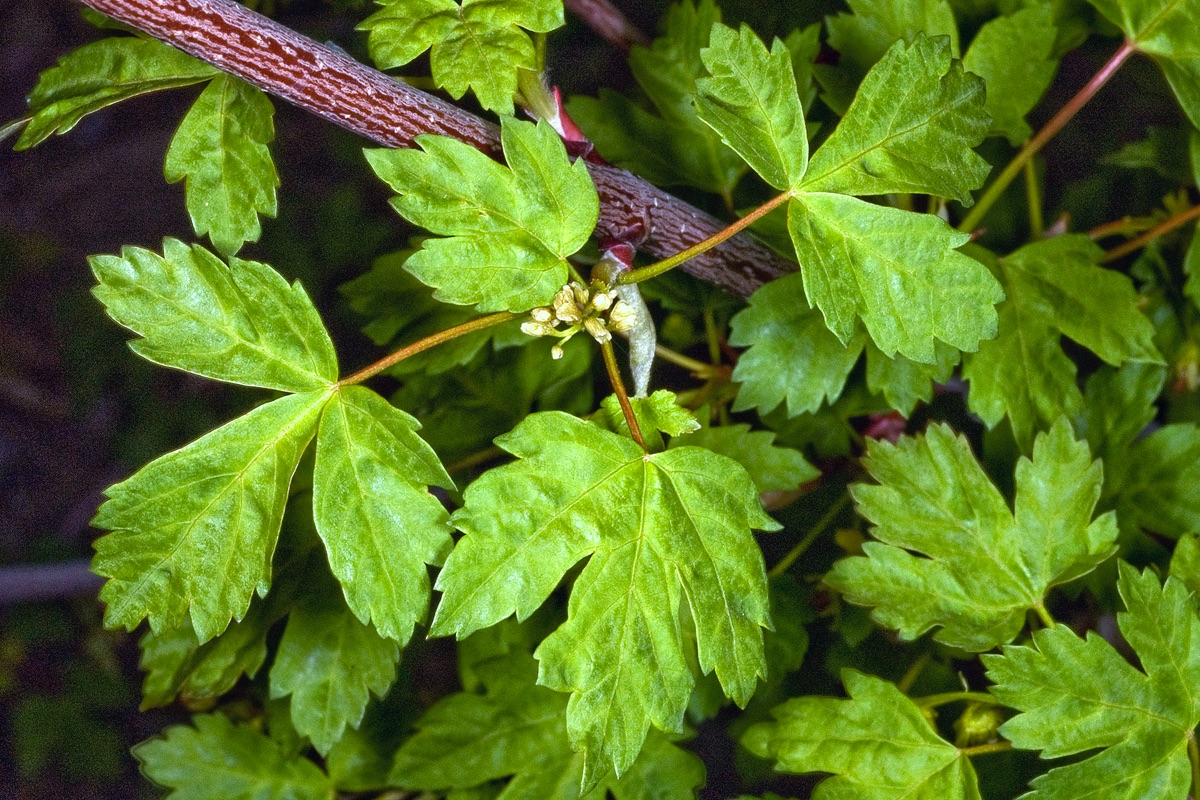
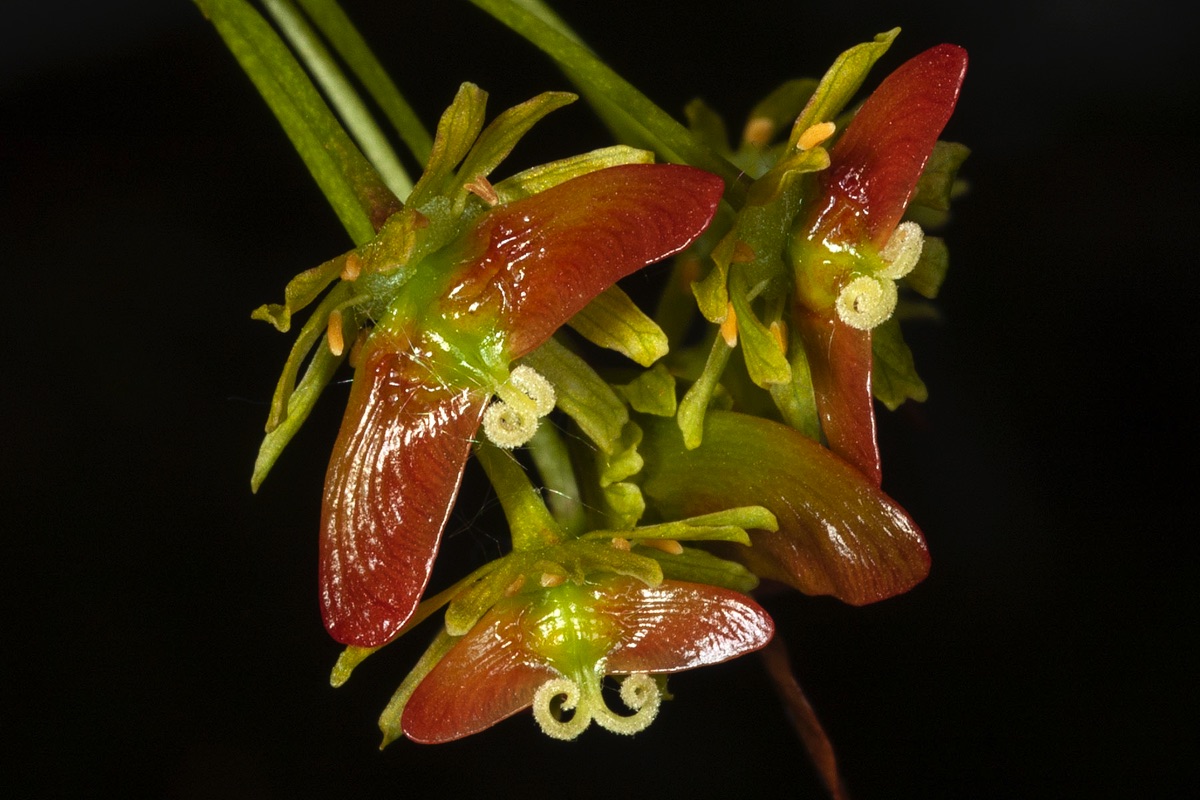
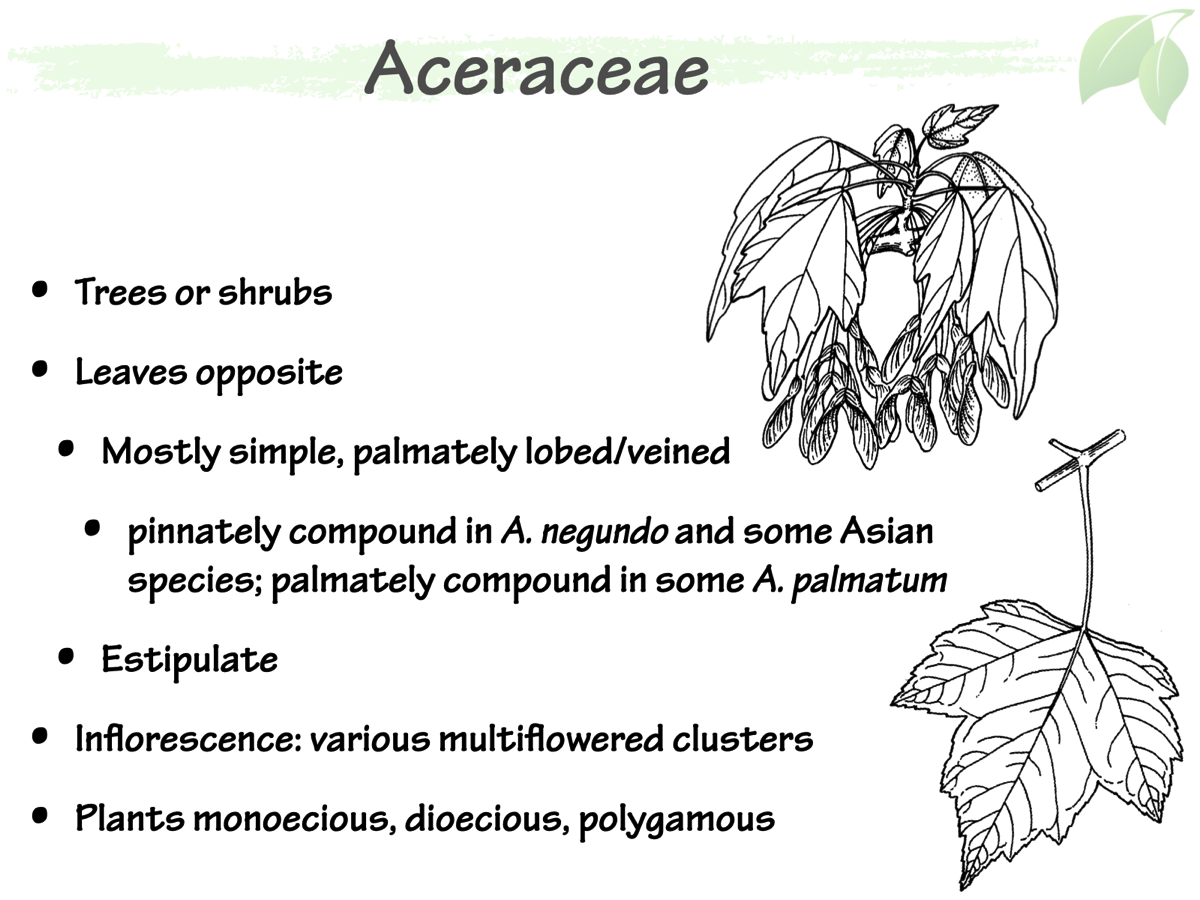
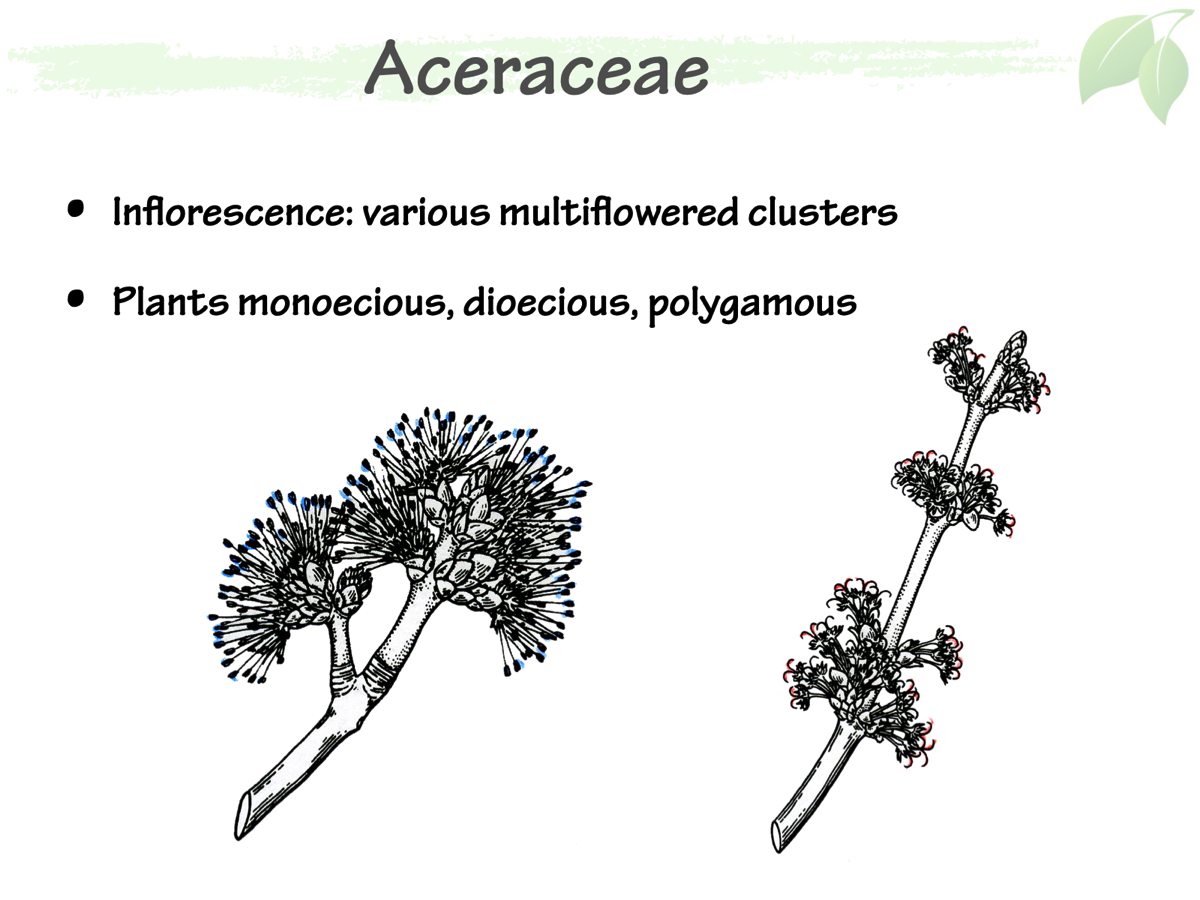
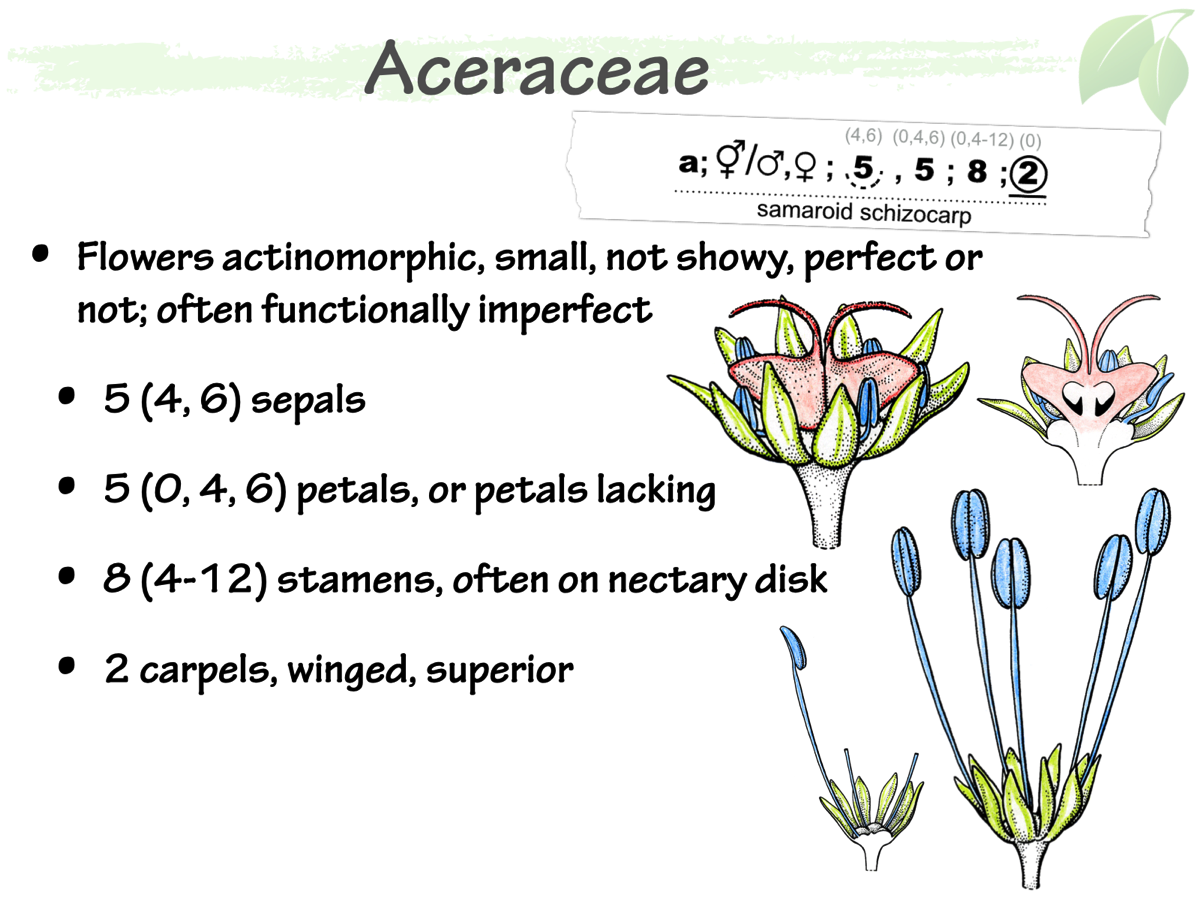
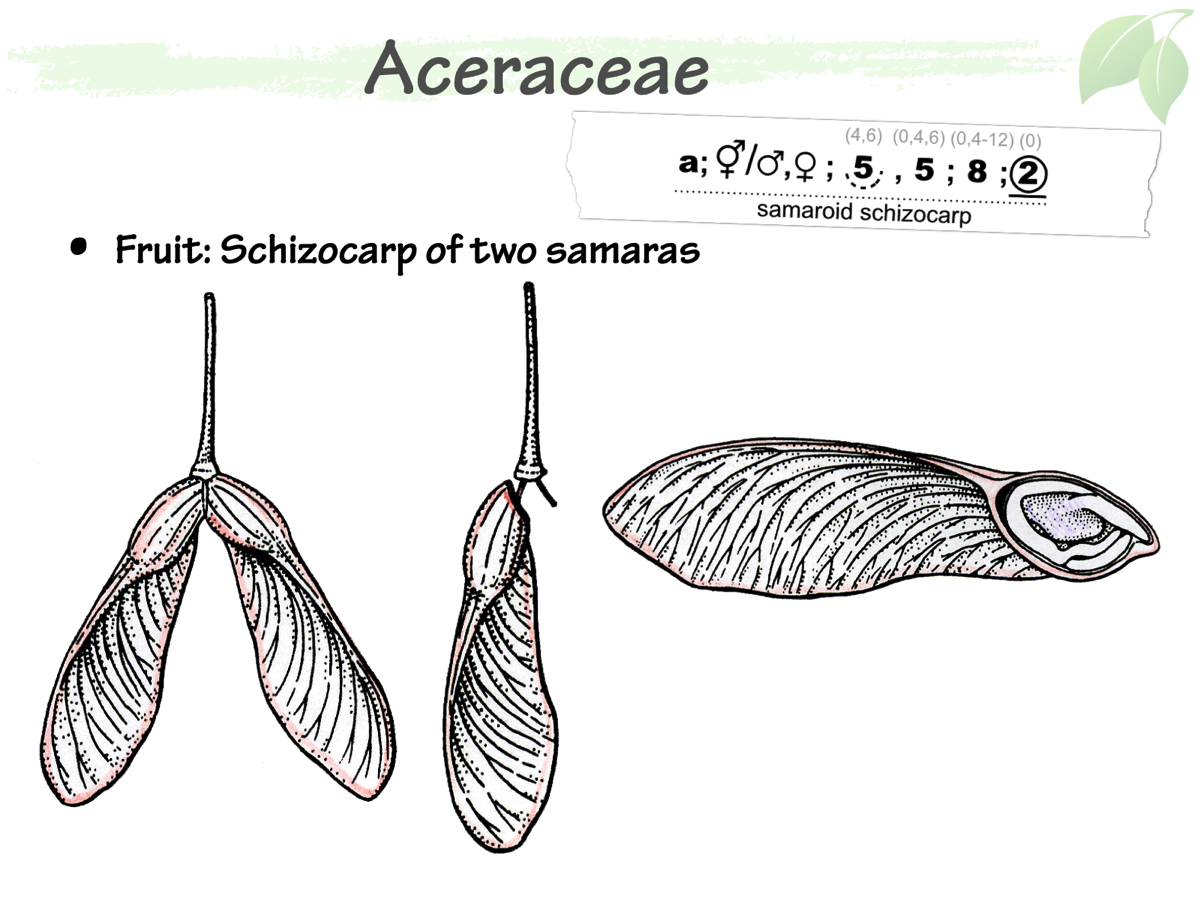
Large shrubs to small or large trees. Acer has opposite leaves that are mostly palmately veined (occasionally trifoliate and uncommonly pinnately veined), flowers with a well-defined perianth, and fruit a schizocarp of two samaras. Dipteronia has long, pinnate compound leaves with many leaflets, but is rare in the U.S.